6 AI Tools for Teachers Who Love Spontaneous Lessons
I’ll admit it: I’m one of those teachers who comes alive when a class discussion goes off-script or a student’s side comment becomes the new lesson plan. I’ve tried running those tight, pre-planned units (and sometimes admin loves that)—but my best days have always started with, “You know what? Let’s try this instead.”
Over the last year, rather than fighting my own love of unpredictable teaching (and yes, sometimes last-minute panic), I set out to find the AI workflows and tools that actually help make this style of teaching sustainable. These aren’t your standard "plug-and-play, follow the worksheet" apps. Instead, here are my go-to tools for turning those wild pivots and creative sidetracks into authentic, shareable learning—without burning out on paperwork or chaos.
1. Gamma – Instantly Visualize Last-Minute Ideas
Let me be honest: the classic whiteboard brainstorm is a ritual in my class, but by the end of a surprise lesson, the board is a cloud and the window is full of sticky notes. Gamma became my clutch tool for those “Can you explain what we just did?” moments. I take phone shots of group mindmaps, snap in student work, or paste brainstorm notes into Gamma, and it automagically creates a clean, interactive slideshow or digital poster we can build out in real time—on the projector, for parents, or even as tomorrow’s do-now. Students love seeing "our detour" turned into something shareable, and I can finally track those brilliant side conversations before they vanish.
Try Gamma
2. Kuraplan – Building a Safety Net When You’ve Ditched the Script
Every teacher who improvises knows the anxiety of needing some structure—especially if you want to keep admin happy. That’s where I started using Kuraplan, but only after the plan changed. My workflow: after a class pivots, I plug in our new topic, what we’ve “accidentally” covered, and which standards I need to check off. Kuraplan builds a rough unit map with adaptable checkpoints and deadlines. The difference? I now have a living plan to show my principal, and my students get to co-edit the framework with me after every new brainstorm. It’s a rescue line, not a script—and it lets us improv with confidence.
Try Kuraplan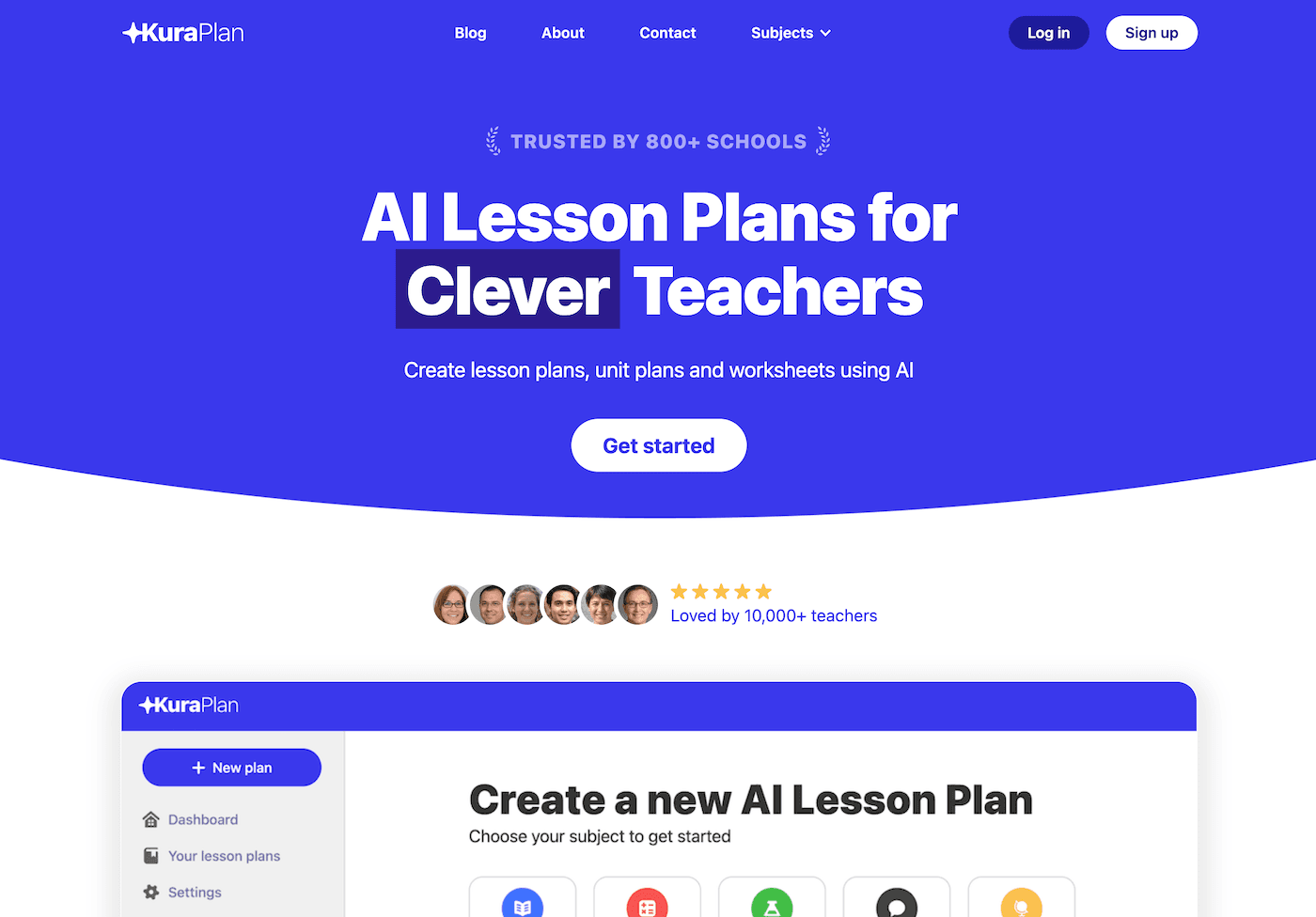
3. Diffit – Adapting Every New Resource Instantly
When a 7th grader tells you about a trending science news story or a high schooler asks to discuss a TikTok explainer video, you want to say yes—but not everyone will be able to access it. Diffit saved me endlessly: I paste in any article, transcript, or wild student find, and Diffit spits out leveled versions and quick comprehension checks. Now, I let students bring in their discoveries for spontaneous inquiry—with immediate scaffolds for every group, and (bonus!) no more “I can’t keep up!” panics. Freedom and accessibility, in one click.
Try Diffit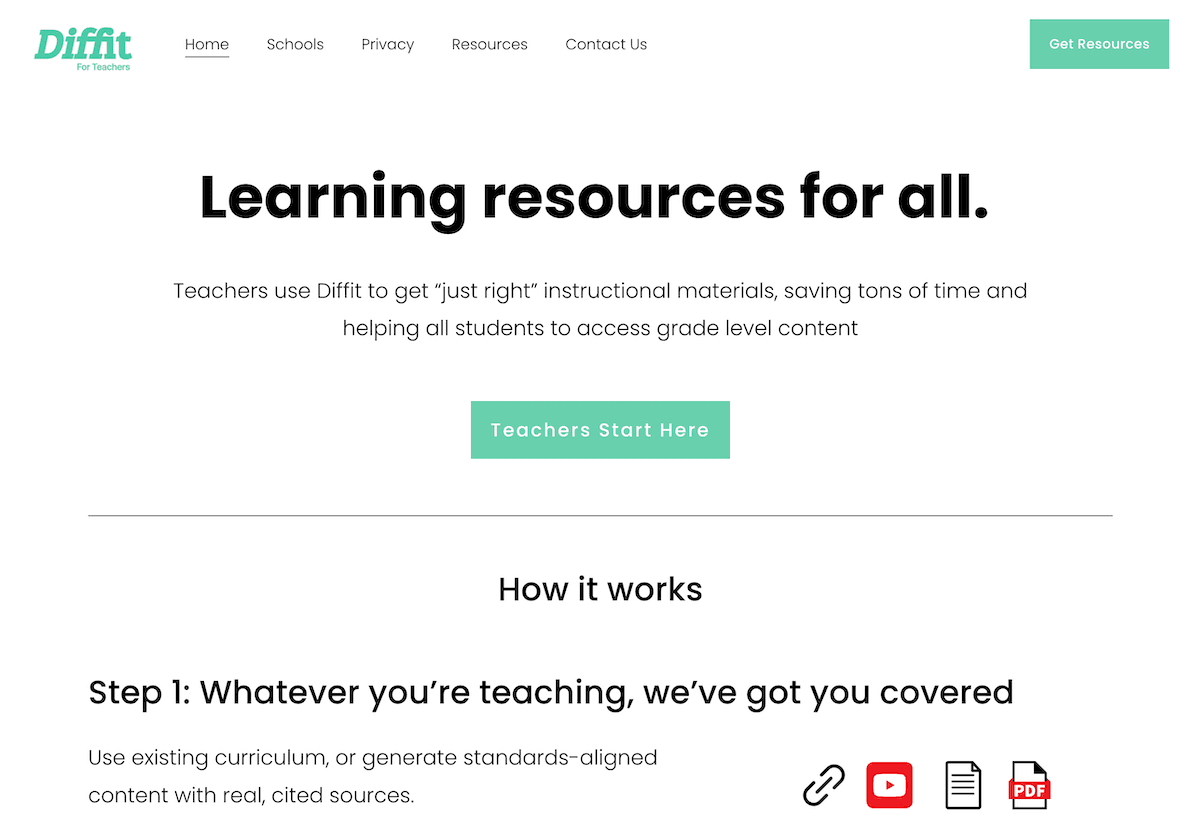
4. Jungle – Review Games from Real, Unplanned Questions
After a wild roundtable, debate, or impromptu Socratic seminar, my students are buzzing—but a traditional quiz kills the vibe. With Jungle, I ask every group to write their own challenge, confusion, or curveball question from the day. Jungle organizes these into a quiz or review game the class runs itself (and trust me, students love trying to stump me with their best tangent). Our end-of-week “Jungle Jam” is now a ritual for crowdsourcing learning from our own detours rather than just the textbook. The whole workflow honors the surprise—and lets me spot misconceptions I’d never have caught.
Try Jungle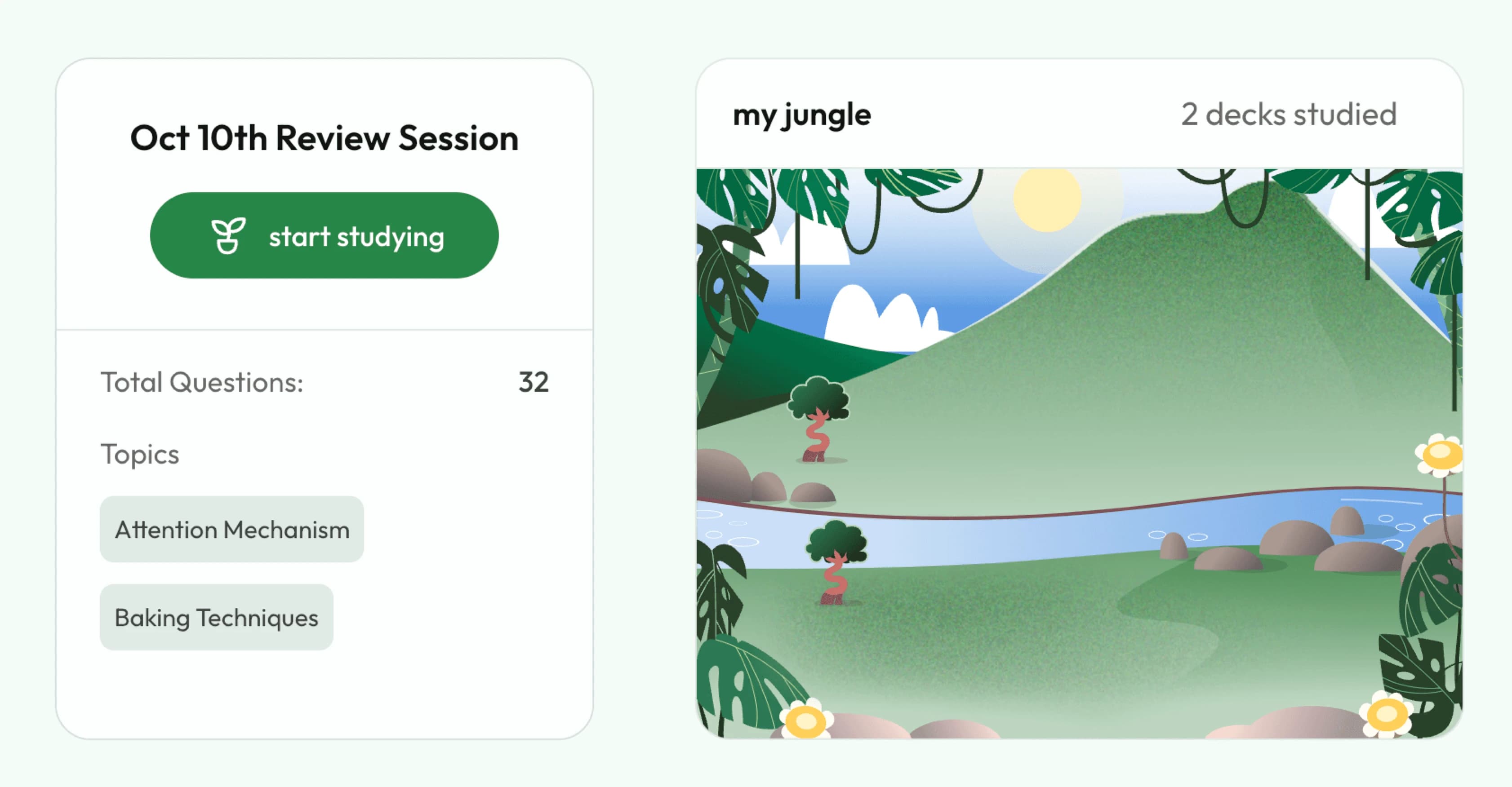
5. Notebook LM – Capturing Class Improv (So You Don’t Lose the Genius)
Spontaneous lessons are magical—until you forget what happened two days later. Notebook LM became my digital memory: every tangent, group debate note, post-class doodle, and voice memo goes in the notebook. The AI clusters main themes, finds recurring arguments, and (magic!) drafts Q&A podcast or recap scripts based on what we did organically. We use these to spark reflection, build future lessons, or even hand off an "epic recap" to subs. It makes our wildest days visible and reusable—with zero effort after class.
Try Notebook LM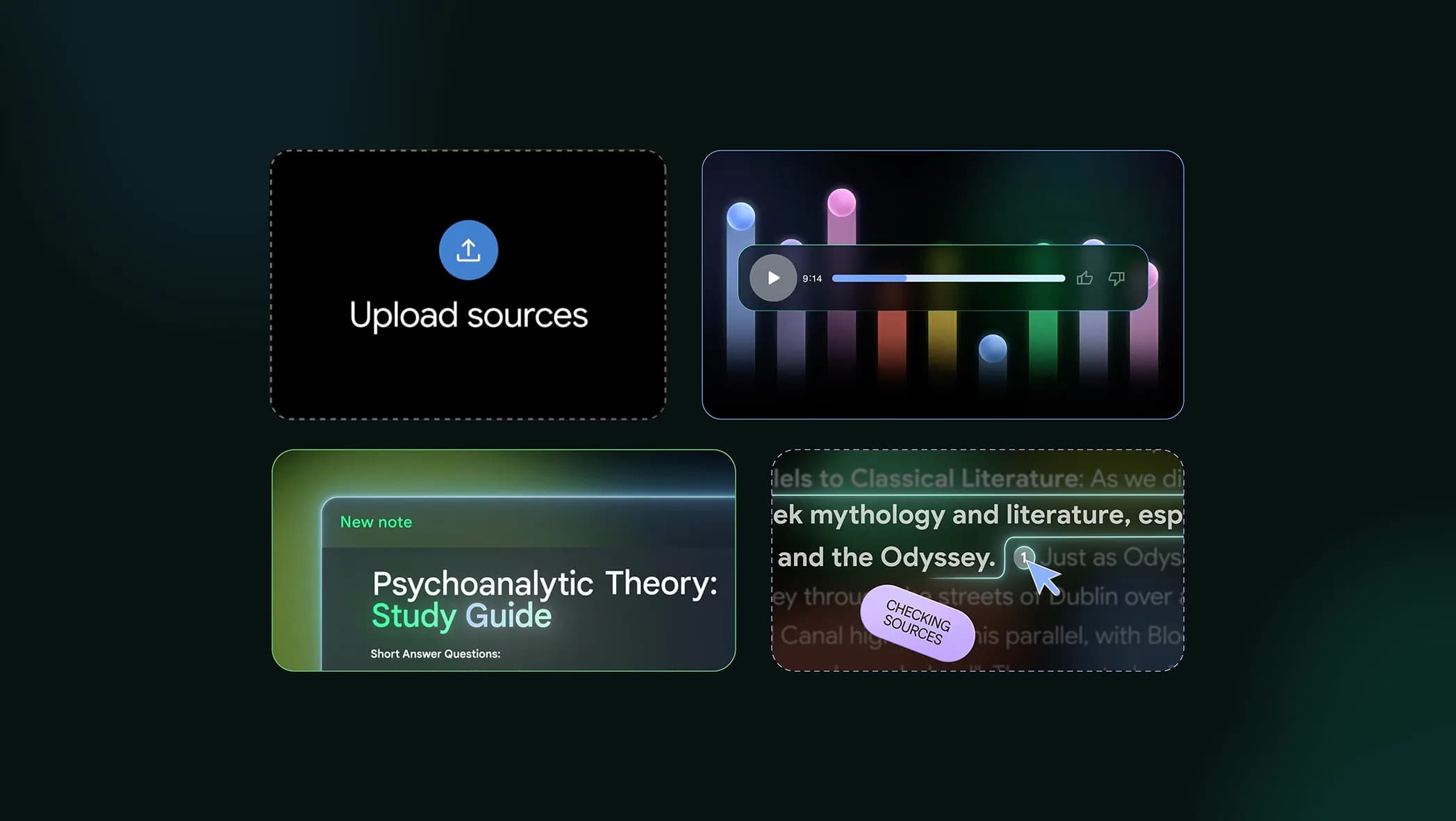
6. Suno AI – Soundtrack Every Teachable Moment
Here’s the thing about improv classes: transitions and closure are wild. Suno AI let my class build quick, custom songs for after “the world’s weirdest reading circle,” “debate day recovery,” or "we finally solved that group project.” Now, my students script silly prompts for Suno, we generate a tune, and in under two minutes, we have a new class routine—or a highlight reel for parent night. It’s playful culture-building, and it keeps spontaneous learning from feeling random. The room always has an anthem for what we just created, together.
Try Suno AI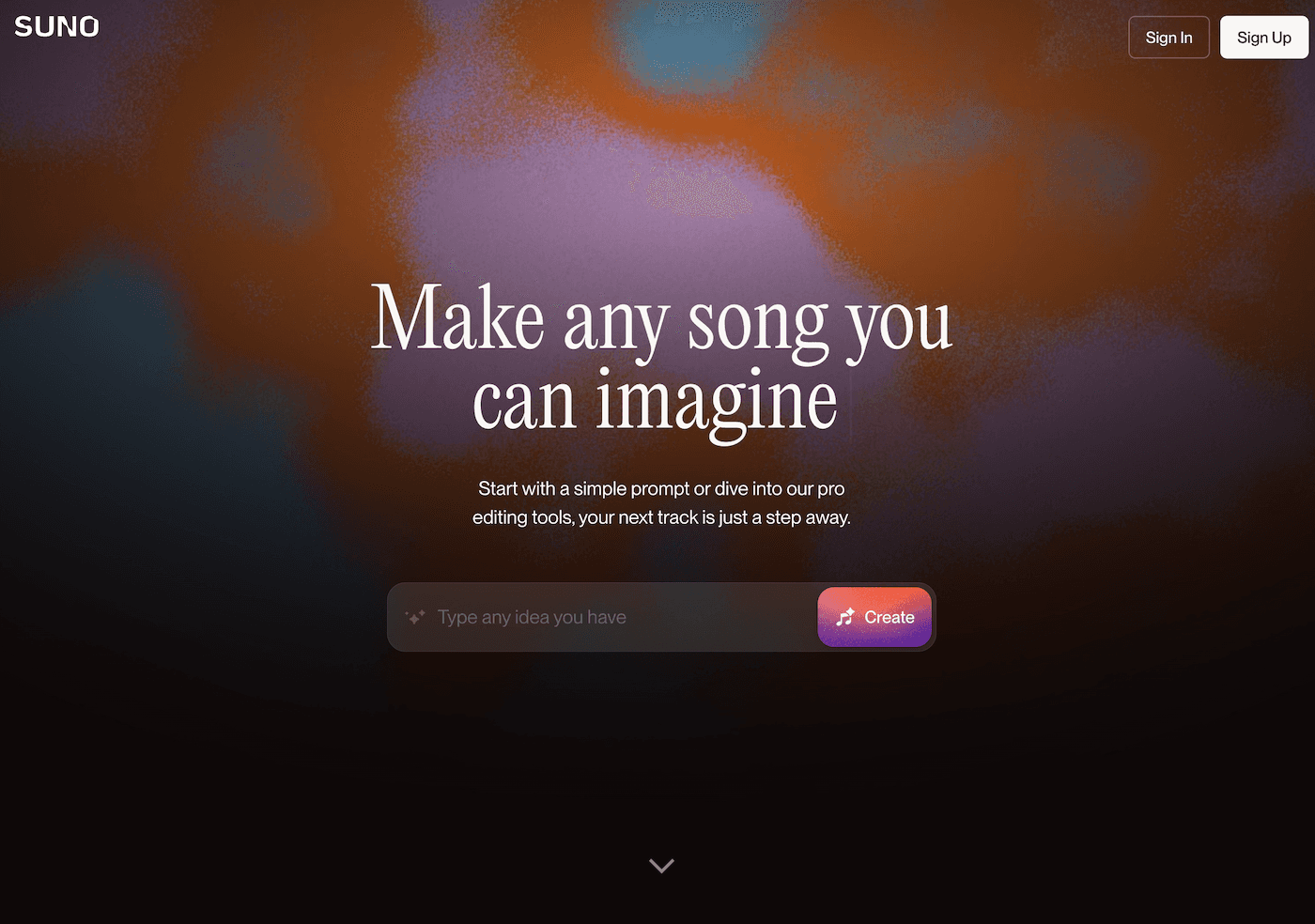
Final Thoughts for the “Teach in the Moment” Crowd
- Embrace your love of pivoting—AI can help you archive, share, and reflect on each twist, not make you stick to a script.
- Loop students into every tool—show them how their group ideas shape the map, the review deck, and even the week’s rituals.
- Use your tool for the messiest part of the workflow: visualizing confusion, capturing debate, scaffolding wild sources, or archiving “what just happened.”
- Don’t let tech flatten the spark. Each of these workflows makes the surprise moments more visible and memorable.
If your classroom teaching style thrives on risk, creativity, and seizing the moment—try one shift from this list next week. And if you’ve discovered a wild AI workflow, ritual, or hack that helps you improvise with joy, drop your story below. The best learning doesn’t live in a lesson plan—and now, it doesn’t have to disappear when you leave the room.