6 AI Tools for Teachers Who Love Student Debate
If your favorite days happen when students challenge each other passionately—when an offhand comment turns into a mini-mock trial, or a news headline generates more heat than your lesson plan—this post is for you. I’m the English/social studies hybrid teacher who craves heated roundtables, lightning-panel sprints, and the moment when someone shouts “hold on, prove it!” (even if it tanks my agenda).
But let’s be honest: running a true, noisy, equity-first classroom debate is exhausting. It’s not just finding model texts or keeping chatter productive; it’s ensuring quiet students find their ground, that arguments don’t die at the bell, and that the best sparks turn into real learning (not just extra noise). Most AI for teachers wants you to churn out more quizzes—so this year, I chased workflow hacks that actually support—and document—student-centered, genuinely messy dialogue.
Below, you’ll find six AI tools and workflows that made my debaters braver, thinking sharper, and the prep (and grading) burden lighter. These aren’t "pros/cons chart" apps for canned Lincoln-Douglas formats; they’re for real-time engagement, visibility for every voice, and capturing the messy evolution of ideas.
1. People AI – Instant Debates with Any Voice
Forget debating with “pros/cons” worksheet columns. People AI lets my students grill anyone, anytime—debate the Founding Fathers, roleplay a current CEO, or invent a TikTok influencer with wild logic. My favorite workflow? After every opening prompt, students prep rapid-fire interview questions, then take turns challenging the AI (live on the projector, in small groups, or even via written chat for the shy). The result: even hesitant kids get to press for evidence, and extroverts learn how to argue with sources and nuance—not just volume. The bonus: I assign each group to "fact-check the bot" afterward, so we’re always learning argumentation, not just winning points.
Try People AI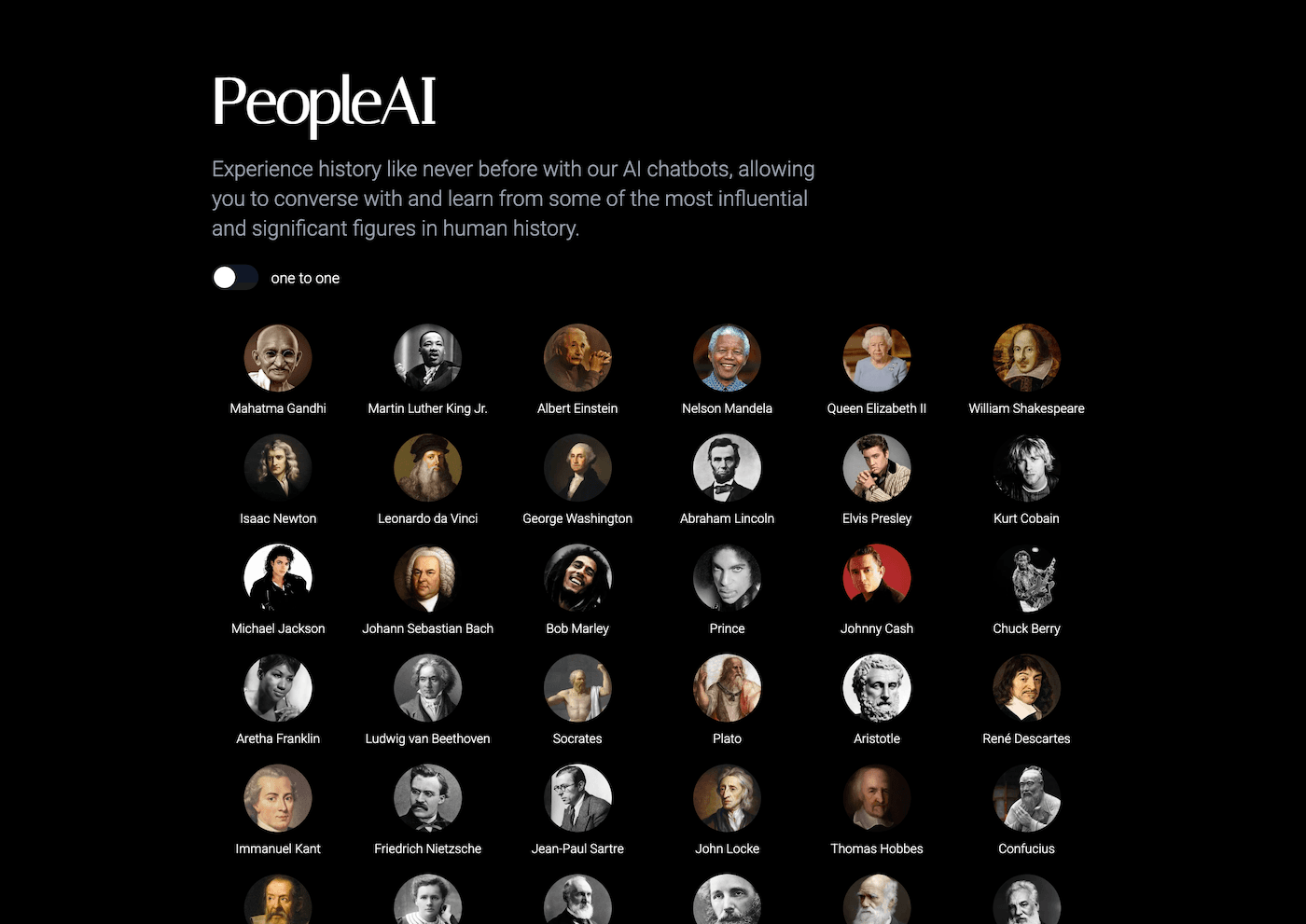
2. Kuraplan – Flexible Debate Maps, Never Scripts
Debate shouldn’t be just a Friday activity—it should drive the whole unit. I use Kuraplan not as a strict script but as a debate arc backbone: I input the big question (“Should homework be abolished? How far does free speech go online?”), note curriculum ties and mandatory reflection points, then co-author the journey with students. We add debate days, peer prep sessions, “turncoat” role swaps, and reflection deadlines.
The key: Every checkpoint is negotiable. Some weeks, my students demand an extra prep round before the public panel; other times, we have to shuffle because the debate turns into a week-long seminar. With the plan visible, my classroom becomes less about coverage, more about the evolution of argument—and the map proves to admin that every detour still hits learning goals.
Try Kuraplan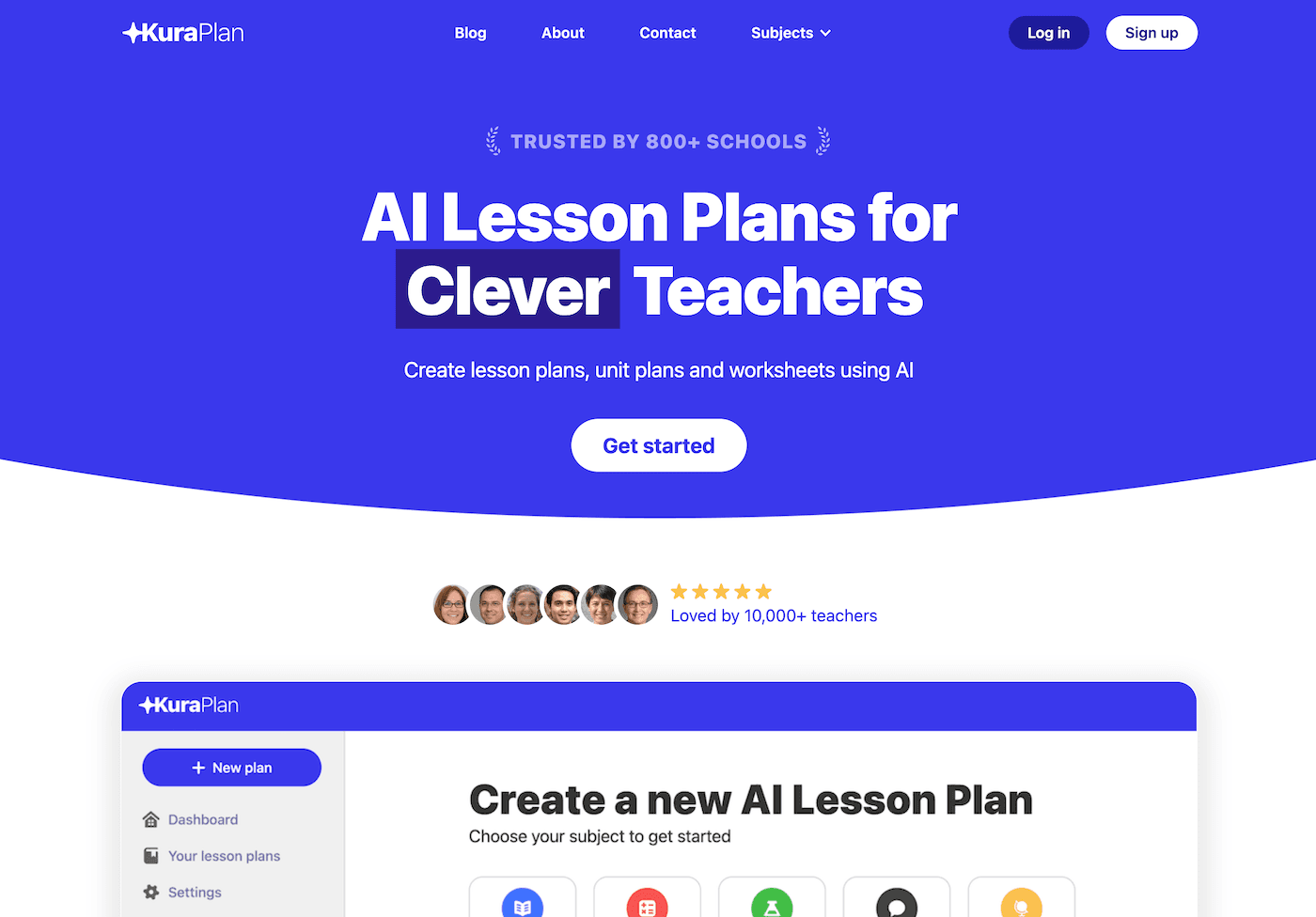
3. Jungle – Crowd-Sourced Arguments & Debate Games
Debate, when done right, shouldn’t be scripted by the teacher. Jungle let my students submit “argument cards,” wild case studies, counter-leading questions, or favorite logic traps after every round. Jungle’s AI automatically sorts and merges ideas into decks for hot-seat, lightning rebuttal, or “switch sides mid-argument” warmups. The decks become our revision games, but more importantly, they grow our class’s canon of best comebacks, weirdest stumper questions, and peer myths to debunk next time. The best workflow: after a heated panel, I assign each team to build review/jungle cards from the other side’s perspective.
Try Jungle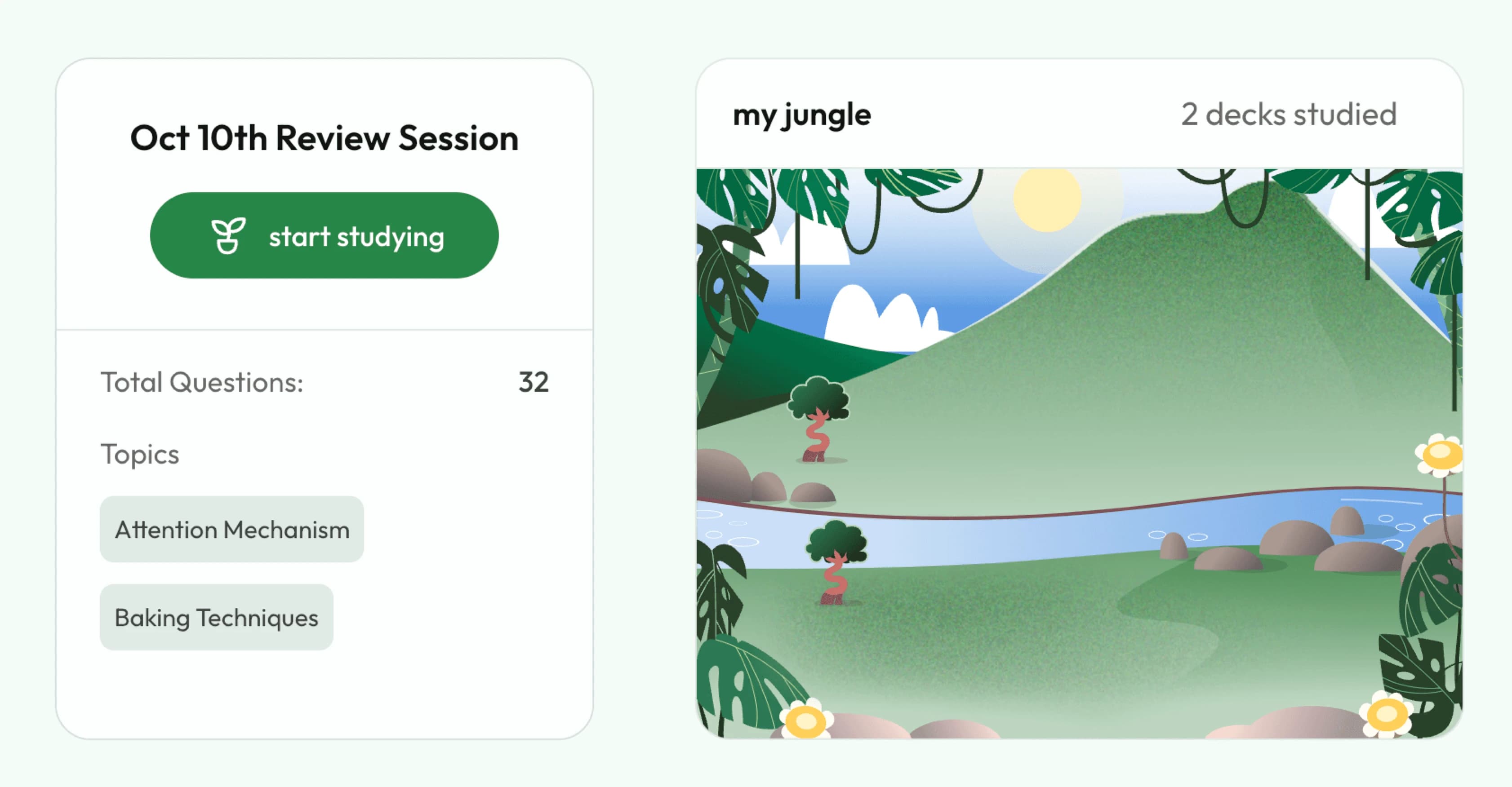
4. Gamma – Visual Map for Debate Evolution
If you taped my classroom during a unit-long argument, you’d see a swirl of claims, group posters, fact sheets, and timeline pivots. Gamma is how we give debate bones: each week’s claims, evidence snapshots, counter-arguments, and revision logs get dropped in the app. The AI organizes this into interactive argument maps, debate trees, or "twist highlight reels" that the whole class can annotate as we go. I use it to recap at the end of a wild Friday—that way, even the quietest post-it on the wall finds its way into our collective evolution. For portfolio night or cross-class debates, it’s the one artifact that shows not just “who won,” but how we all got there.
Try Gamma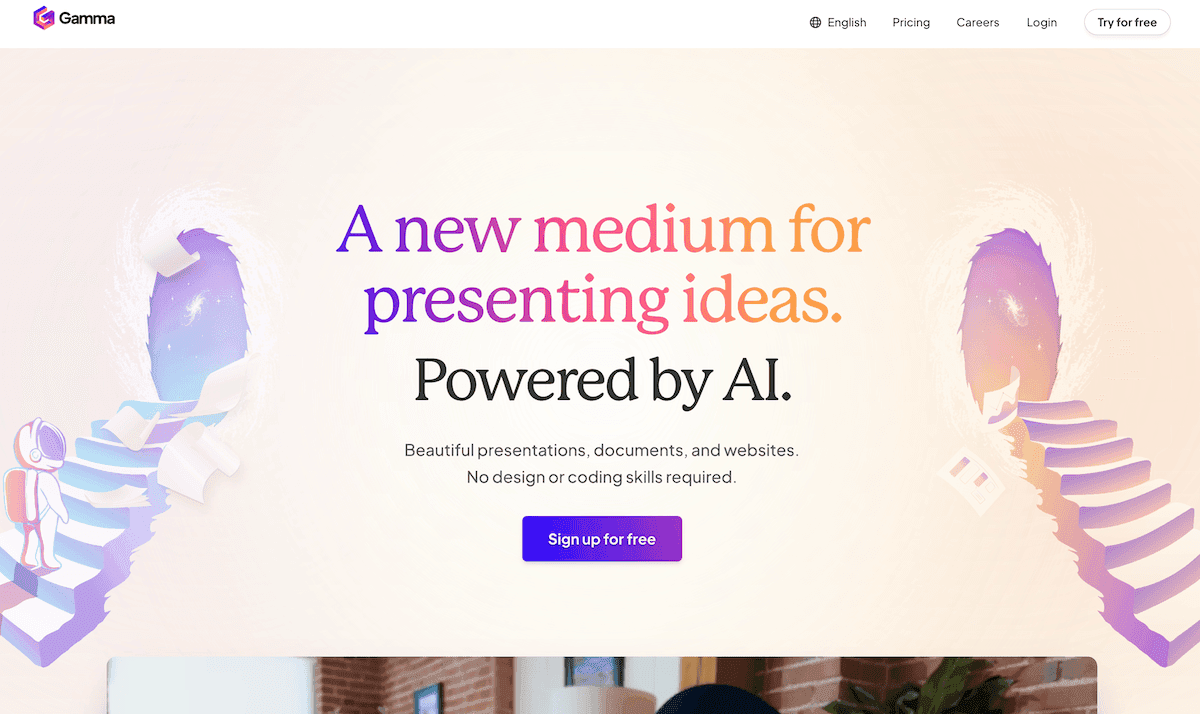
5. Diffit – Adapting Source Materials for Every Arguer
You’re not debating if half your class can’t access the evidence. My workflow for true debate equity: whenever groups find a new op-ed, news article, or video transcript, I drop it into Diffit for instant, leveled versions, vocab, and even pointed debate starter questions. Each team preps their case using a version that matches their level—so ELL, hesitant, and advanced debaters all walk in armed. Bonus: I have an "Evidence Compare" ritual, where students examine how key points change across reads. Now “source Day” is never a dead-end, and debate isn’t gatekept for the confident readers alone.
Try Diffit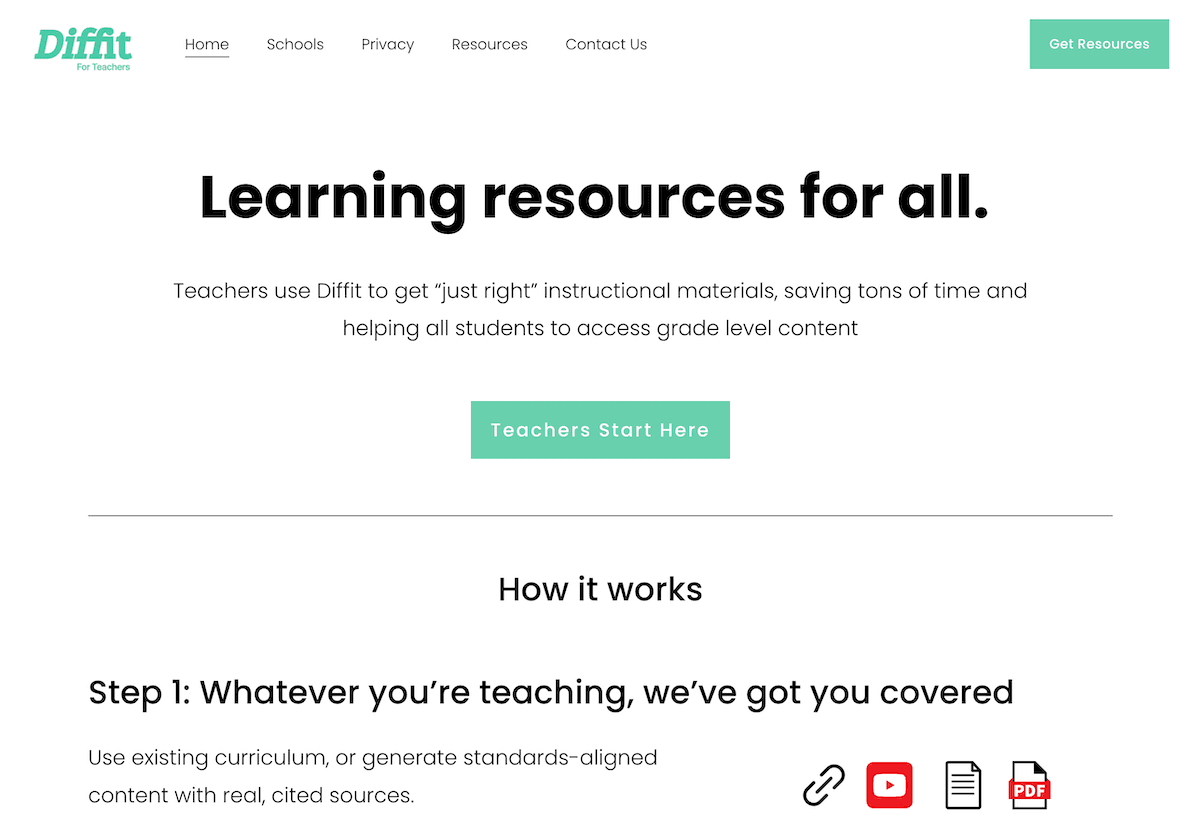
6. Suno AI – Rituals: Debate Anthems, Closers & Lyrical ‘Concessions’
The real magic in my class comes when debate becomes culture. Suno AI let each side (or the full class after a wild argument) write prompts for anthems (“Ode to the losing side’s best moment,” “Song for when we finally agreed on something,” "Ballad for the most hilarious logical fallacy"). Suno cooks up a custom soundtrack—my students now play class debate closers, hype tracks for showcases, and sometimes silly concession songs after the other side crushes a round. The upshot? Every debate feels like an event, not a box to tick—and even losing teams leave humming (and plotting their next comeback).
Try Suno AI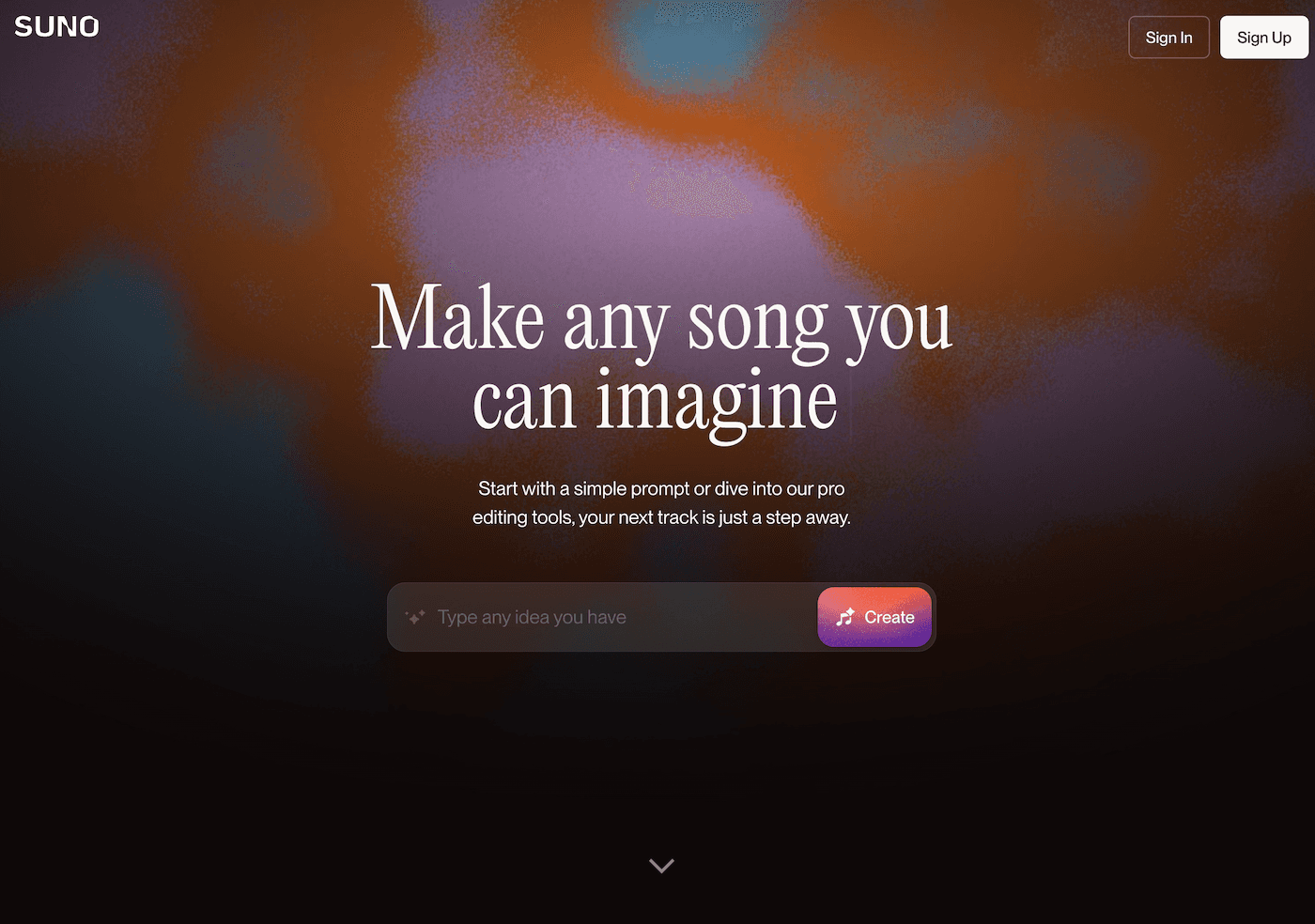
Final Tips for Unscripted, Inclusive Classroom Debate
- Let students steer every step: use Jungle and Gamma to archive argument, build inside jokes, and make the process visible.
- Plan for flexibility: Kuraplan’s the backbone—you and your class are the muscle.
- Make multiple versions of every resource: Diffit is the only way to meet every debater where they are (with no extra prep after school).
- Capture more than results: end every big round with a Gamma map or a Suno anthem for reflection and ritual.
- Use People AI as both sparring partner and devil’s advocate—fact-check its logic right alongside students for ongoing skills growth.
If you’ve run a wild debate, used AI for more than just prepping materials, or have a story about student argumentation surprising everyone, share it below! The classroom needs more dialog—not just correct answers—and with the right toolkit, every voice can prove its point.