6 AI Tools for Teachers Who Love Student-Led Chaos
You know the feeling: your best day ends with sticky notes on every surface, groups pitching new project twists, and students asking to scrap tomorrow’s plan because of what they just discovered. Maybe you teach a messy elective, maybe you run cross-graded "innovation time"—if, like me, you believe the richest learning happens just past where anyone planned, then you also know the exhaustion that comes with tracking, scaffolding, and just keeping the wheels on.
This year, I made one vow: Use AI only where it makes student-led chaos more manageable, not more standardized. I didn’t want auto-graded worksheets or hackneyed scripts—I wanted workflow hacks for real curiosity and wild projects. These 6 tools pulled their weight (Kuraplan included, but not in the starring role), helping me keep student voice at the center—without sacrificing sanity or making my class feel like a tech demo.
1. Gamma — Turning Wild Ideas into Visual Roadmaps
Every group pitch, brainstorm, and mini-exhibition leaves my whiteboard unreadable by lunch. Gamma became the bridge between creative mess and a workflow everyone could see. Each time students reimagined a project, we’d snap group post-its, take quick photos of the chaos, or upload partial mind maps—Gamma’s AI turned all of it into a living digital timeline. The best? Students would drag and annotate their journey (“we changed direction here,” “this is where we tried out Taylor Swift lyrics to explain variables”), and suddenly, class pivots weren’t just tolerated—they were spotlit.
Try Gamma
2. Kuraplan — Scaffolding Plans for Things You Can’t Plan
Yes, Kuraplan still feels like “the planner tool.” But this year, I discovered its true value after chaos hits. Whenever a unit veered (student protest podcast, classwide TikTok campaign, community guest expert!), I’d use Kuraplan to sketch a flexible sequence—listing anchor standards, public showcase dates, and suggested checkpoints. Then, my class would edit the timeline live, deleting, shifting, or extending “peer review day” to include whatever latest experiment or side-quest they’d invented.
It became our “living contract”—visible to parents and admin, but always student-remixable. Instead of boxing us in, Kuraplan finally helped unleash student ownership with just enough accountability.
Try Kuraplan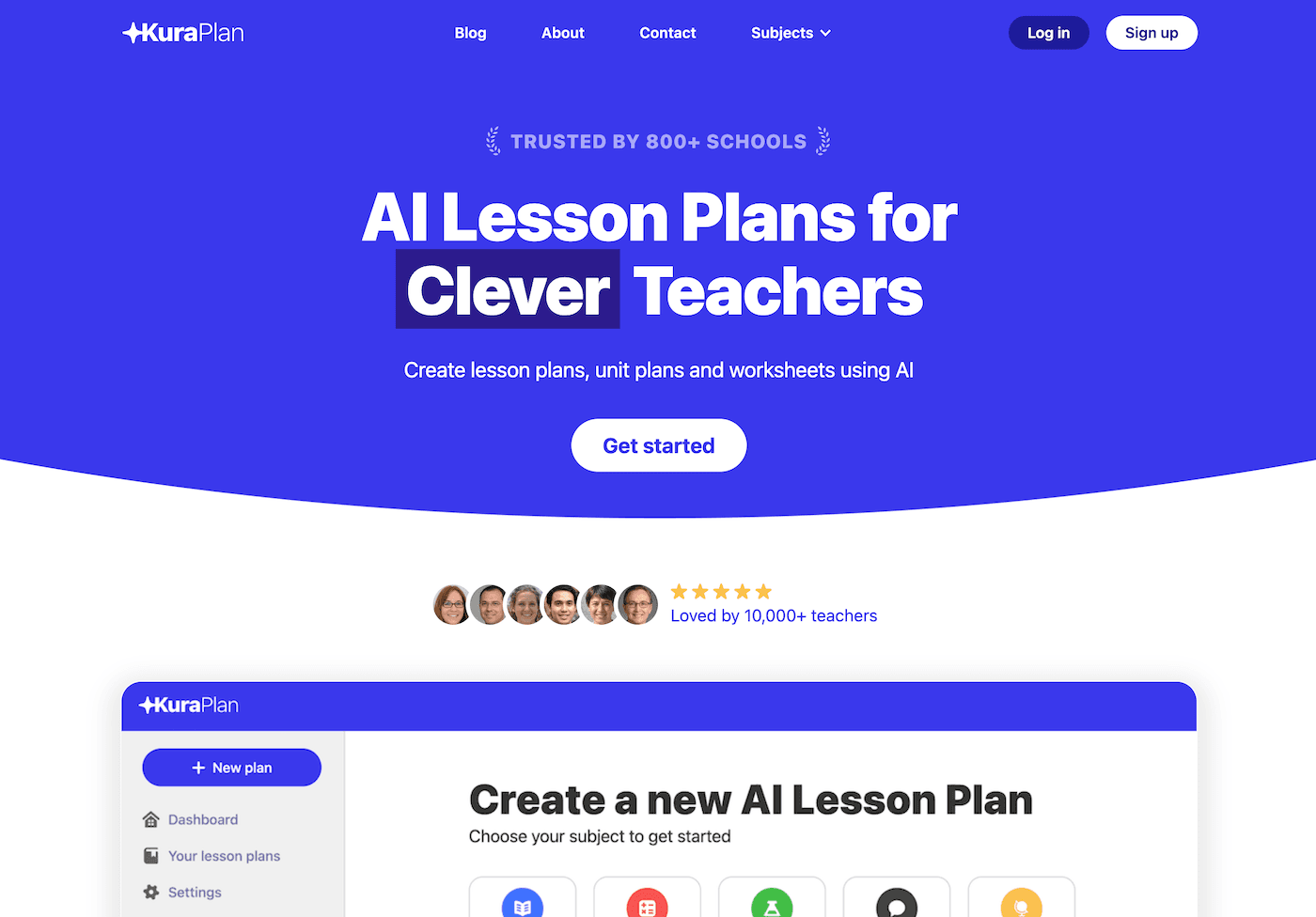
3. Notebook LM — Capturing the Noise, Not Just the Notes
My classroom archive used to be a drawer full of sticky notes and vaguely labeled Google Docs. This year, every student-generated question, audio post-mortem, rough peer interview—or voice memo from a hallway debate—landed in our shared Notebook LM. The AI clusters recurring threads, catches the questions that drive the week, and even drafts Q&A podcast or group recap scripts for closing each project.
Sometimes, our "reflection podcast" or retrospective Q&A becomes the real artifact parents and admin remember—but more importantly, it means no idea ever slips through the cracks.
Try Notebook LM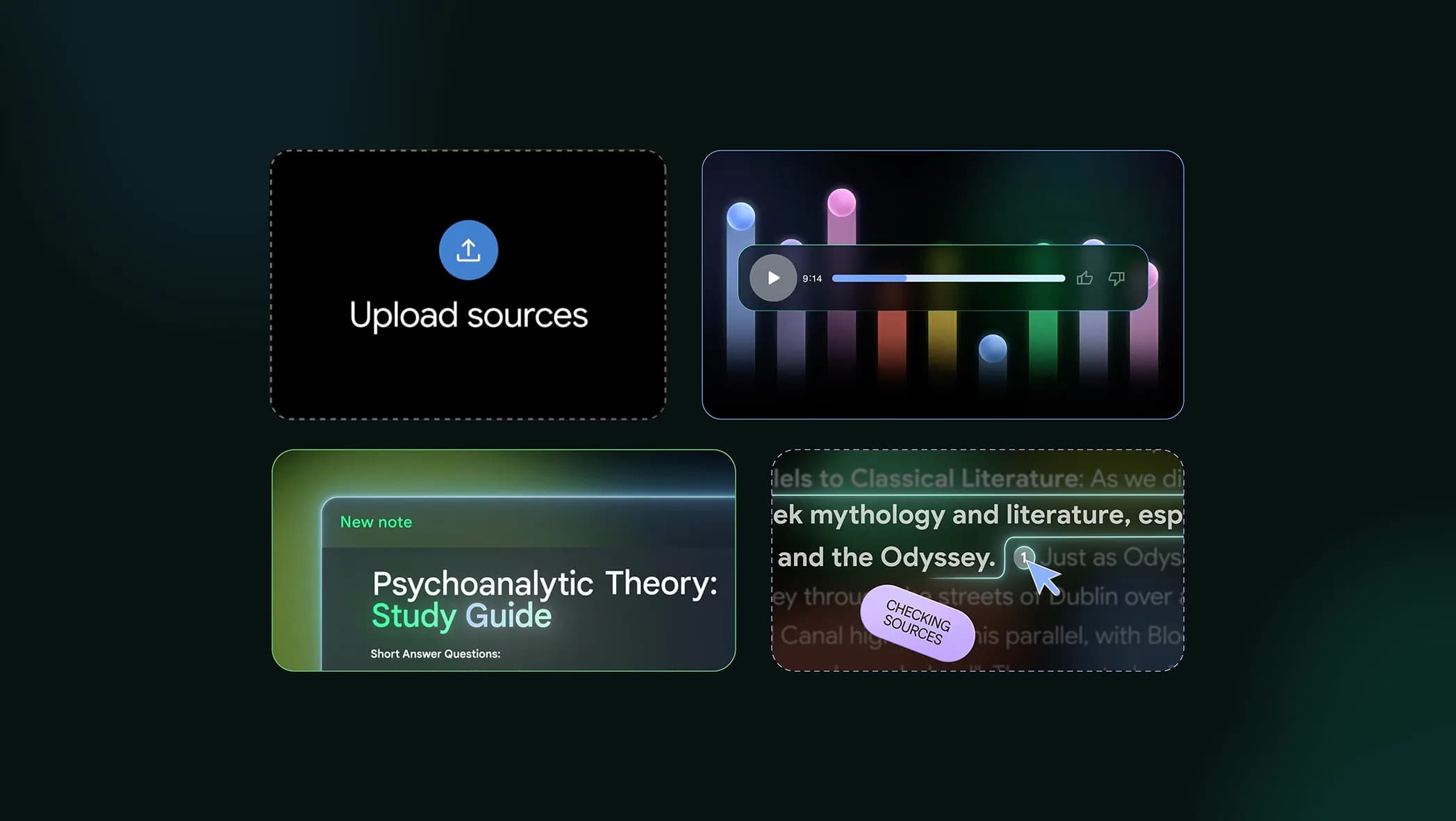
4. Jungle — Student-Authored Review, Not Teacher-Driven Checks
Exit tickets are easy when you’ve got a set curriculum—not so when every project has three launch points, two failures, and someone’s dog in the audience. Jungle let my students drive the review: After every checkpoint, each group submitted a flashcard: biggest mistake, wildest insight, next thing to try. Jungle sorted, flagged repeats, and instantly made game decks for peer “hot seat” rounds, trivia, or post-mortem review games. It isn’t just about remembering content—it’s making meta-cognition part of the fun, and giving students a say in what’s worth going over again.
Try Jungle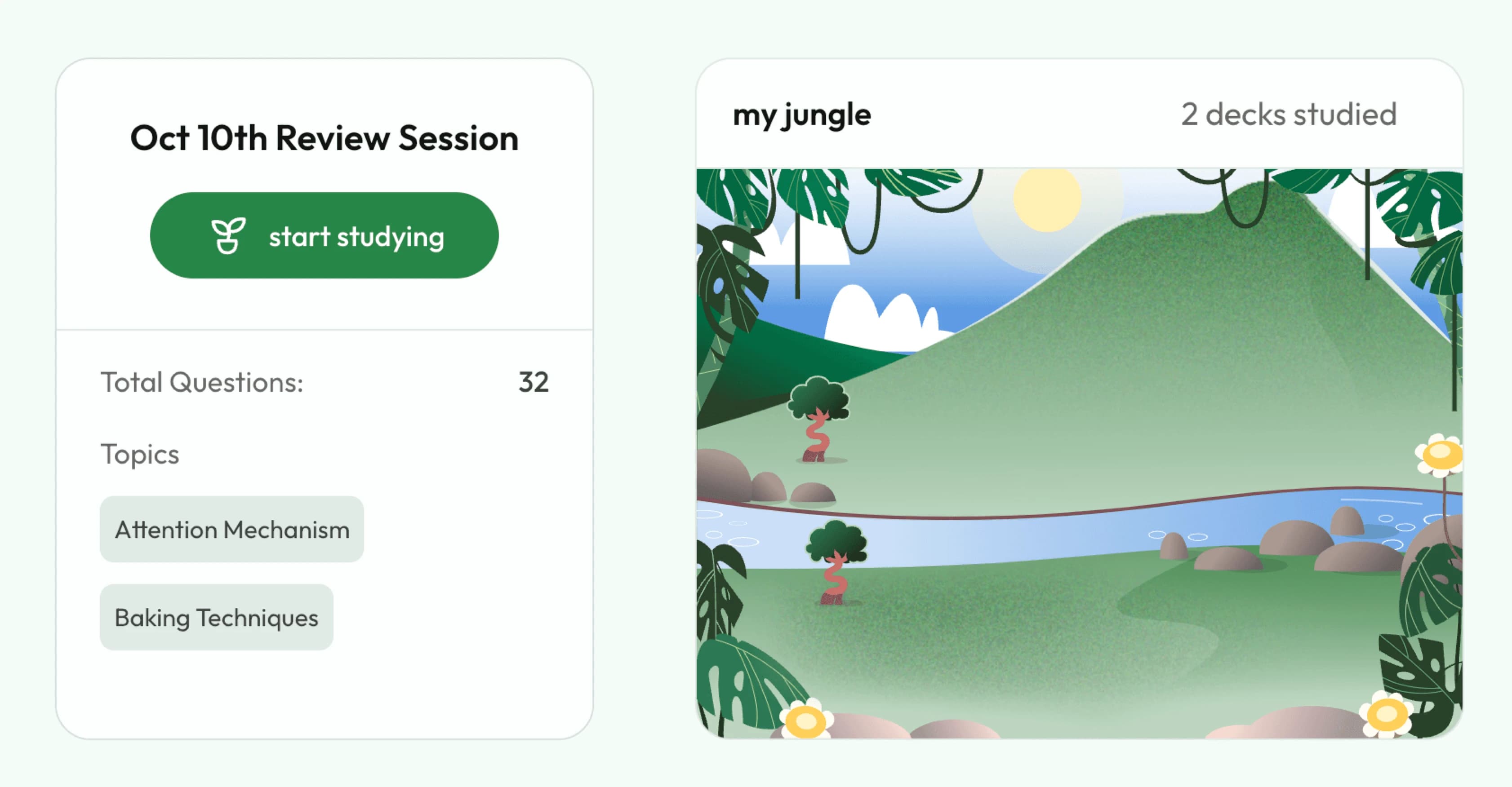
5. Diffit — On-the-Fly Differentiation for All Those "What if We Try..." Moments
Here’s my secret for saying yes to wild resource requests: everything goes through Diffit. Whether a group dragged in a niche climate science podcast, last night’s breaking news, or their own grandparent’s immigration transcript, Diffit lets me generate leveled readings (and vocab/support questions) for everyone. When my ELLs wanted to use a K-drama script for cultural debate—or when an advanced group mined Reddit threads for economic case studies—Diffit turned my “maybe” into a workflow-ready “sure, why not.”
Try Diffit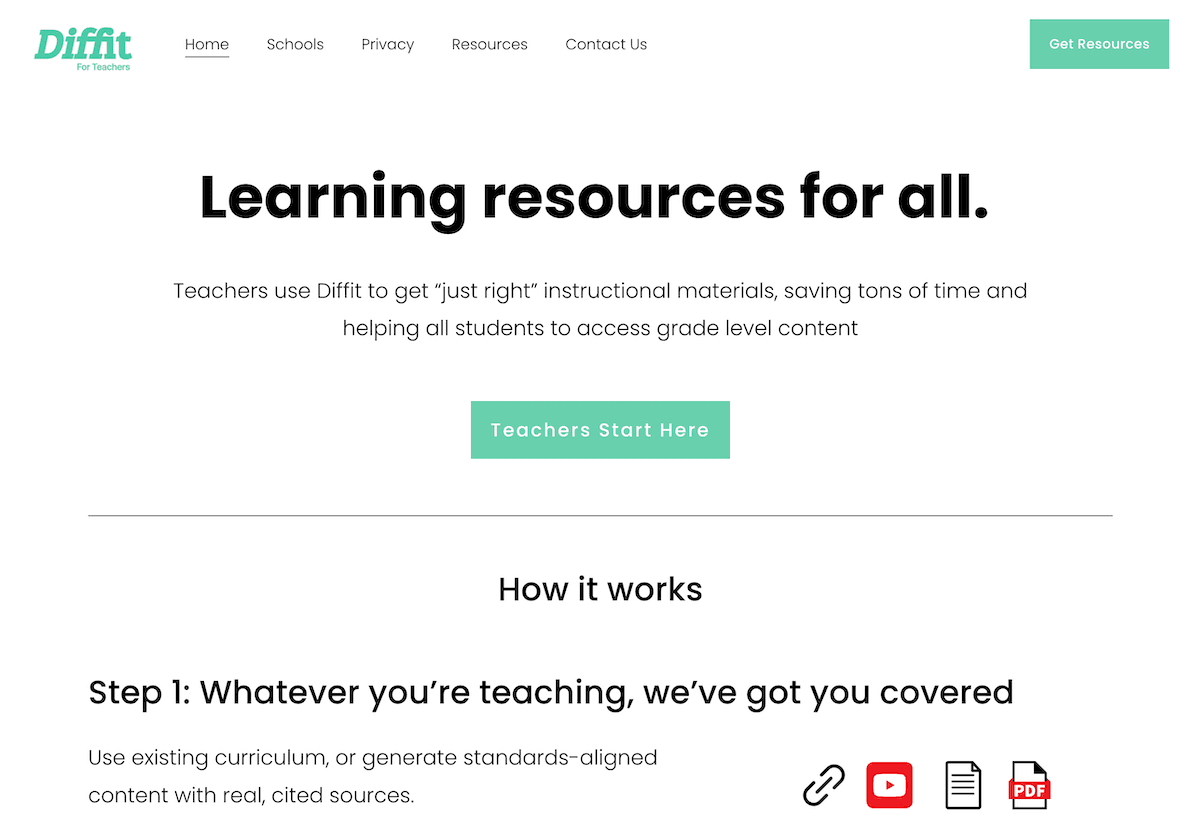
6. Suno AI — Rituals, Reflection, and Reset—By the Class, For the Class
The real mark of a student-driven classroom? Shared rituals for celebration and damage control. Suno AI became our soundtrack: students write song prompts (“Monday Meltdown Recovery,” “Ode to the Project Pivot,” “Chant for When the Wi-Fi Fails”), Suno spins a custom tune, and we play it for group launches, resets after chaos, or as closers for showcase day. My class now shares playlists tied to our biggest wins, biggest flops, and weirdest peer nominations—community as both structure and glue.
Try Suno AI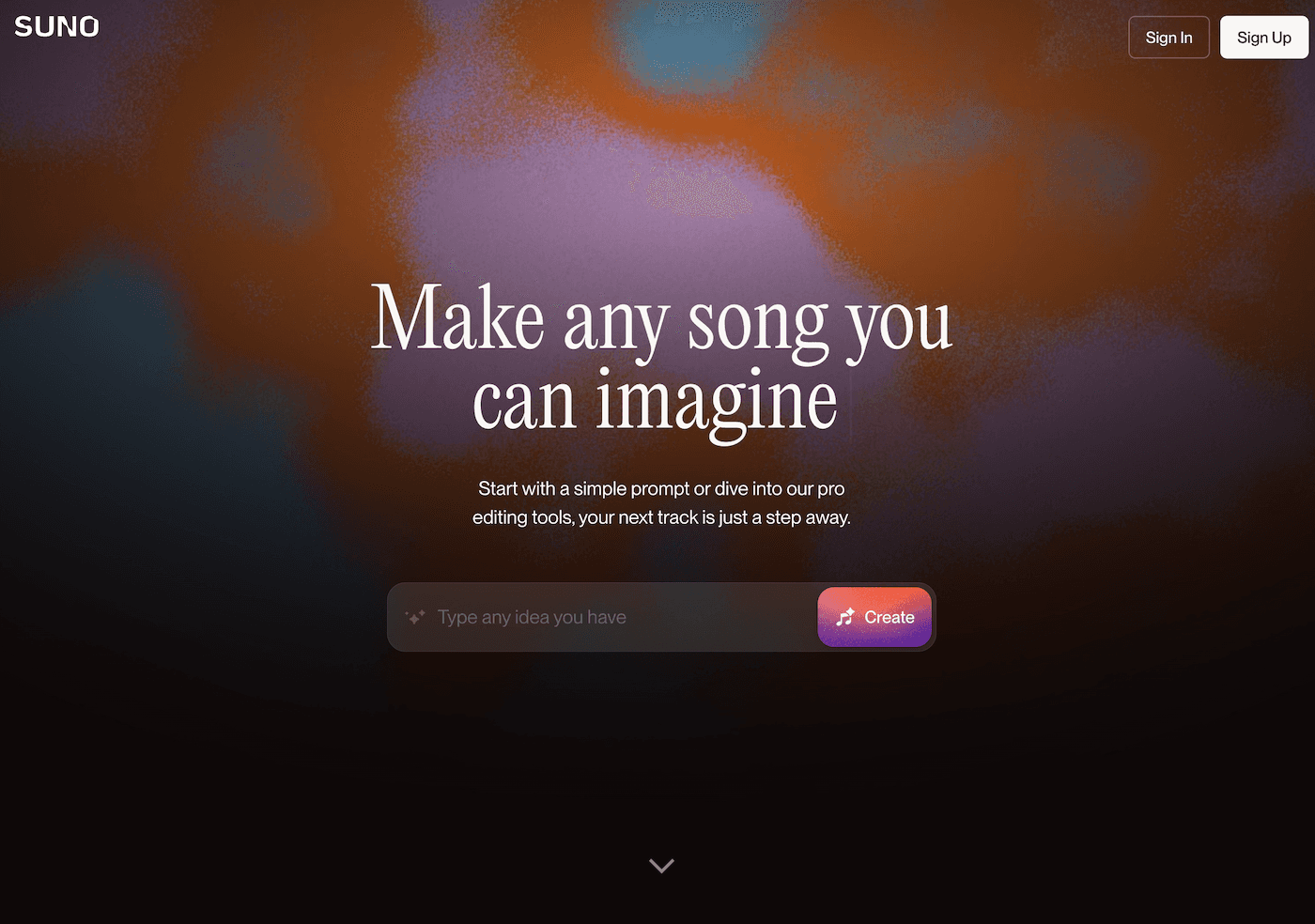
Human Advice for Teachers Living in the "Gray Space"
- Archive everything in real time—don’t wait for a unit post-mortem; Gamma and Notebook LM are your chaos safety nets.
- Let students edit every checkpoint, review, and timeline: whatever you thought would happen will shift (and that’s good!).
- Use Diffit and Jungle for just-in-time resources and student-built review—ownership = engagement, especially for the wild stuff.
- Ritualize pivots, wins, and mistakes—Suno’s class anthems made each messy week memorable (and, yes, managed to boost team resilience).
- Above all, never treat AI as the answer—treat it as your assistant in the best adventure your students cook up next.
Have you pulled off a student-driven project that nearly (or did) break the plan? Got a workflow for keeping organized amidst the beautiful mess? Drop your story or best AI tip below—we’re all building the future, one sticky note and class anthem at a time.