6 AI Tools for Teachers Who Love Student-Led Experiments
There’s a special kind of electricity in a classroom during a student-driven experiment. Maybe it’s the clatter of grab-bag materials in a design sprint, a group brainstorming new ways to measure attention in homeroom, or a teenager pitching, “What if our whole history project was a trial?” If your favorite lessons come from letting students investigate, invent, or flip your plan upside down, you know:
- True learning is messy, unpredictable—and totally worth it.
- Most tech out there assumes you want things smoother, not wilder.
Last year, I set a rule: Only use AI that actually supported my students’ OWN experiments—not just another tool that spits out a worksheet after the fact. That included creative science, humanities, media, and even interdisciplinary projects (one day, we made a podcast out of a failed food science test!). Below are 6 AI tools (with honest, field-tested workflows) that made my classroom a launchpad for student-driven discovery—pivots, recoveries, big wins, and all. Yes, Kuraplan is here (for a flexible backbone), but in 2025, there’s never one "right" way to experiment.
1. Gamma — Turning Group Mess into Class Evidence
After ten years teaching, I still dread the aftermath of a hands-on project: sticky notes, process photos, voice memos, and diagrams everywhere. Gamma finally made it fun to synthesize. My students drop every piece of evidence—whether a botched prototype image or a mindmap of alternate trial designs—into Gamma, and the AI spins out a timeline or scrollable gallery they can annotate. We use these as public portfolios, parent-night showpieces, or just a class artifact the next cohort uses to plan, remix, or avoid past pitfalls.
Gamma lets students tell the story of their experiment—the failures as well as the wins. It made presenting process feel as valuable as showing final results.
Try Gamma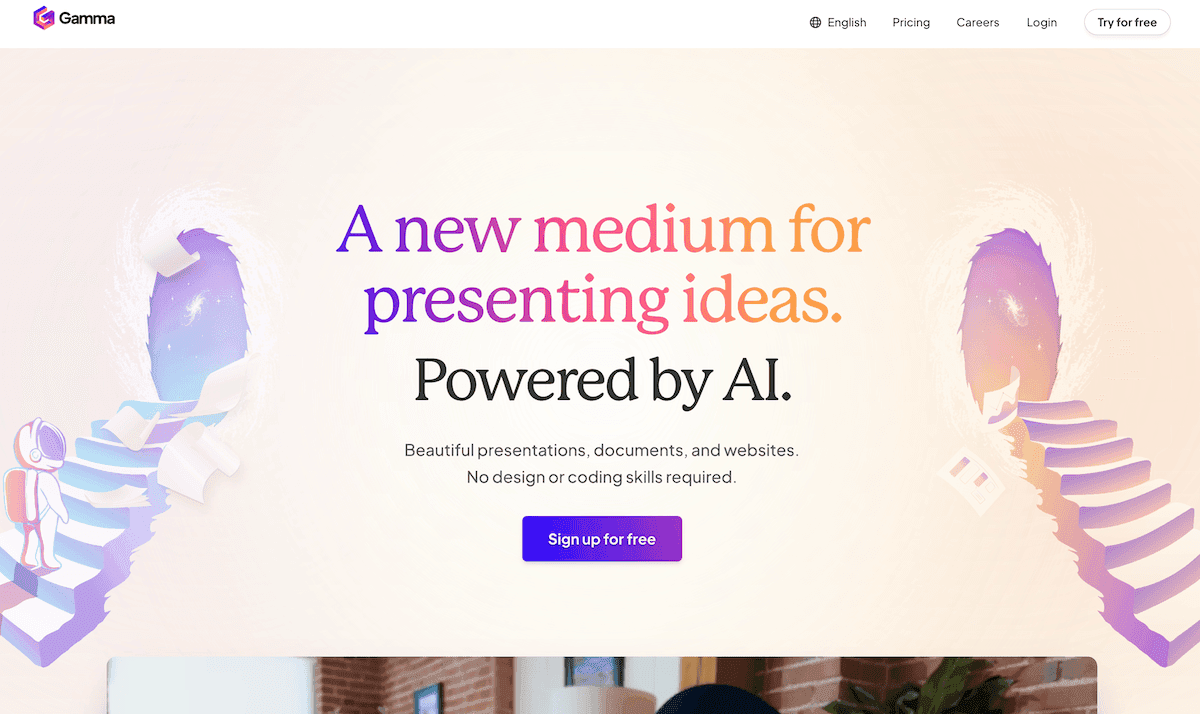
2. Kuraplan — Maps for Experiments That Refuse to Stay in a Box
Every student-led investigation veers off plan—that’s the point, right? Kuraplan became my classroom’s shared sketchpad. I build a loose backbone for every long-term experiment ("Milestone: Initial hypothesis, Peer Review Jam, Second Attempt, Exhibition Night"), then hand it off: every checkpoint, my class rewrites, drags, or annotates key events as their own discoveries, detours, and frustrations emerge. Instead of "falling behind the schedule," pivots became celebrated next steps.
Admin sees we’re hitting goals. Students see their choices become the new map. And every time we run a new project, I pull up the last group’s Kuraplan as a launchpad, not a script.
Try Kuraplan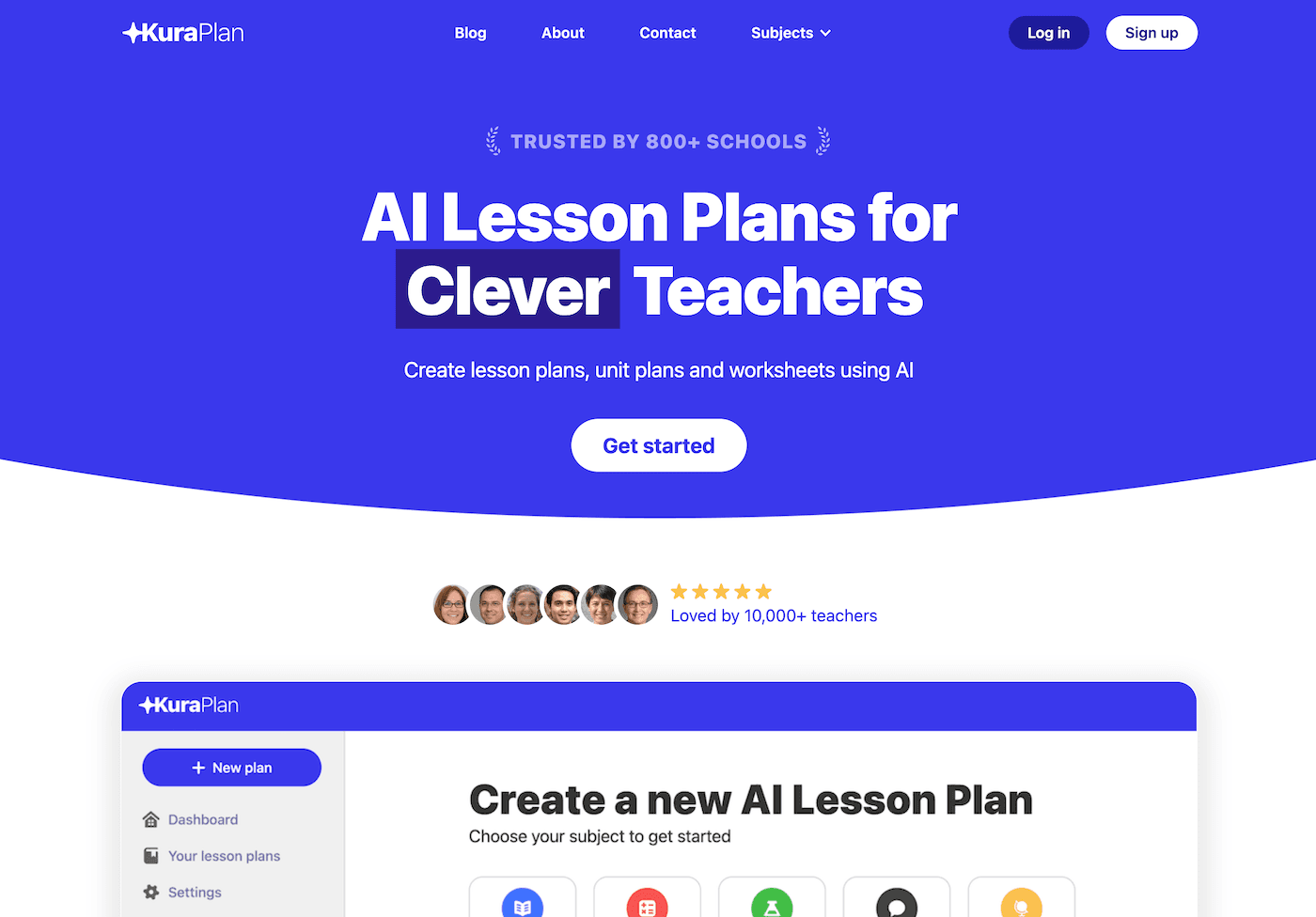
3. Diffit — Scaffolding Student-Sourced Evidence in Real Time
When you let kids drive experimental learning, they’ll find wild evidence: a news clip about squirrels, a TikTok breakdown of ice cream science, a grandparent’s oral history. Diffit lets any team take a “found” source and instantly level it for every reader, with vocabulary and challenge questions built in.
My workflow: Each student group “Diffits” their top resources, then assigns versions to team members based on readiness or interest. Advanced teams compare what nuances vanish in adaptation; support teams remix the reflection prompts. Suddenly, every voice is included in communal research. And my most curious students become resource leaders, not just high-flyers.
Try Diffit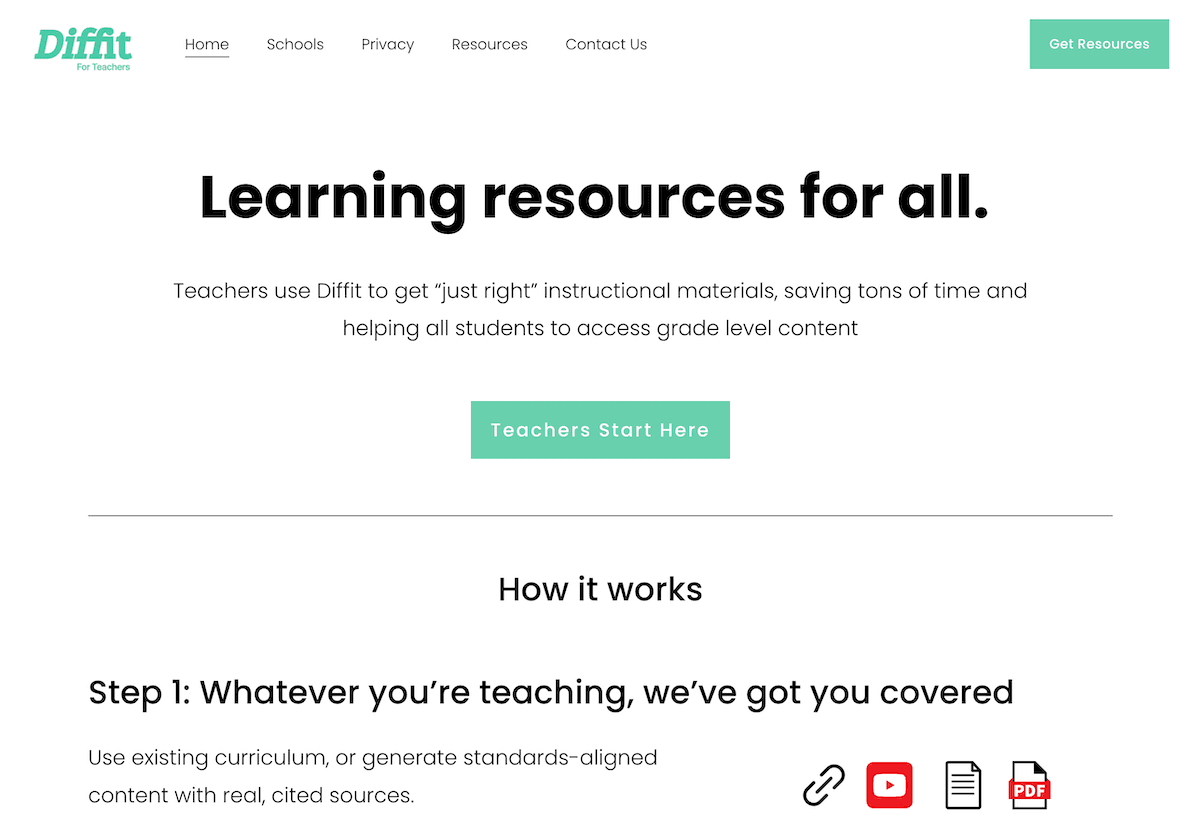
4. Notebook LM — Experiment Logs as Evolving Stories
I used to beg kids to keep lab or project journals. Now, Notebook LM does it for us: students upload voice notes, timeline snapshots, feedback slips, and “rant minutes” after every checkpoint. The AI threads them together, surfaces repeated challenges ("We keep overwatering the plants!"), and even drafts Q&A or "post-game" podcast scripts for students to share out.
Best use case: After a group’s failed experiment, Notebook LM helps us find the gold—what to celebrate, what to try again, and which mistakes turned into next week’s guiding question. We archive every Notebook as a resource for the next year—student struggles and all.
Try Notebook LM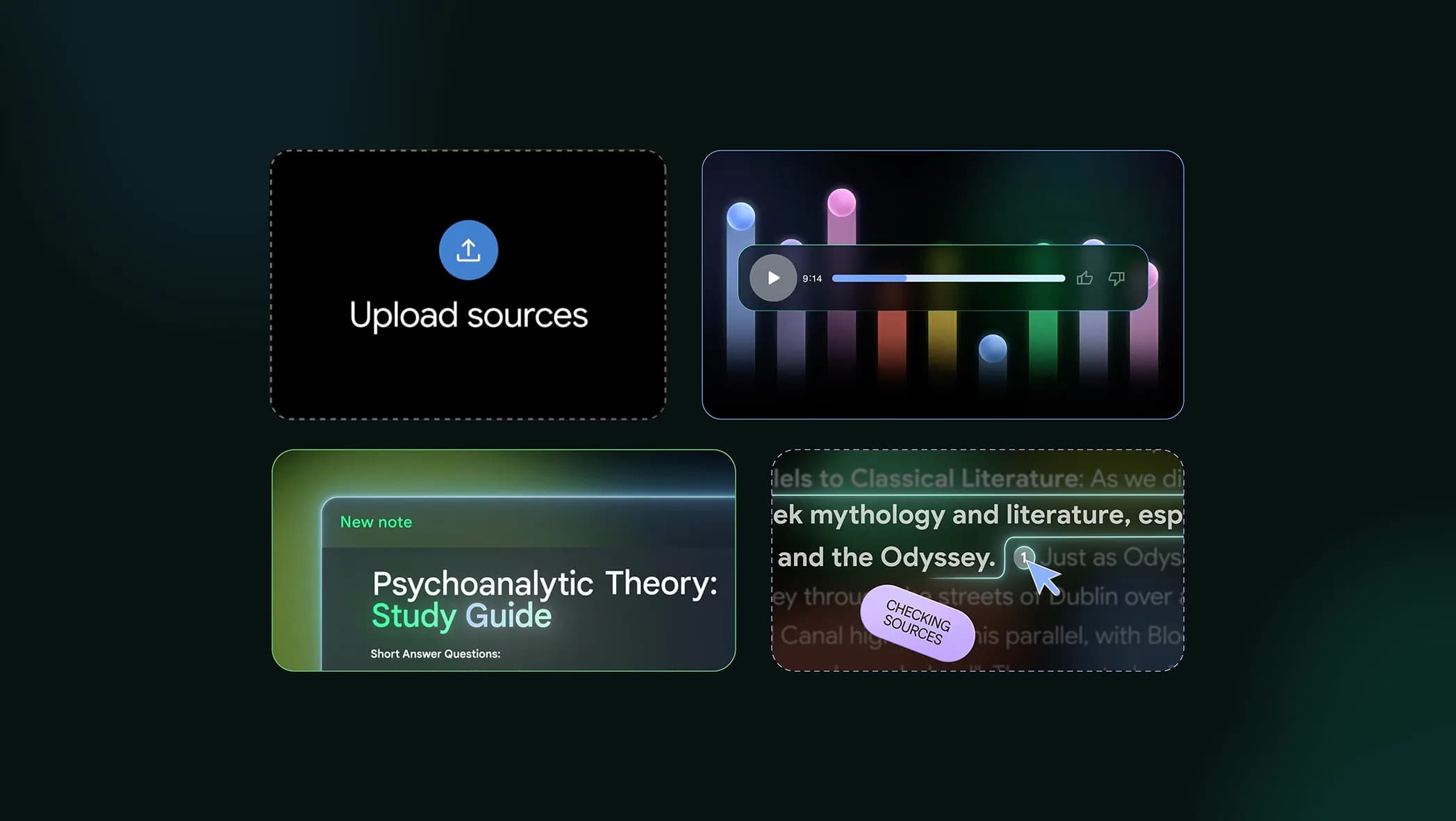
5. Jungle — Student-Made Reflection Games & Peer Debrief Decks
Honest self-critique is the difference between a science fair flop and a breakthrough. Jungle transforms reflection into a game: after each checkpoint, every student writes a card—"Biggest surprise outcome," “Mistake we want to highlight,” “What I’d do next differently.” Jungle’s AI folds these into games or peer review sessions.
We hold a “debrief block” after every messy project and use our Jungle deck for next-year planning or group trivia. Reflection isn’t a punishment—it’s a celebrated culture. Bonus: teachers across disciplines borrow our decks for empathy exercises, script rewrites, or “fail-forward” class circles.
Try Jungle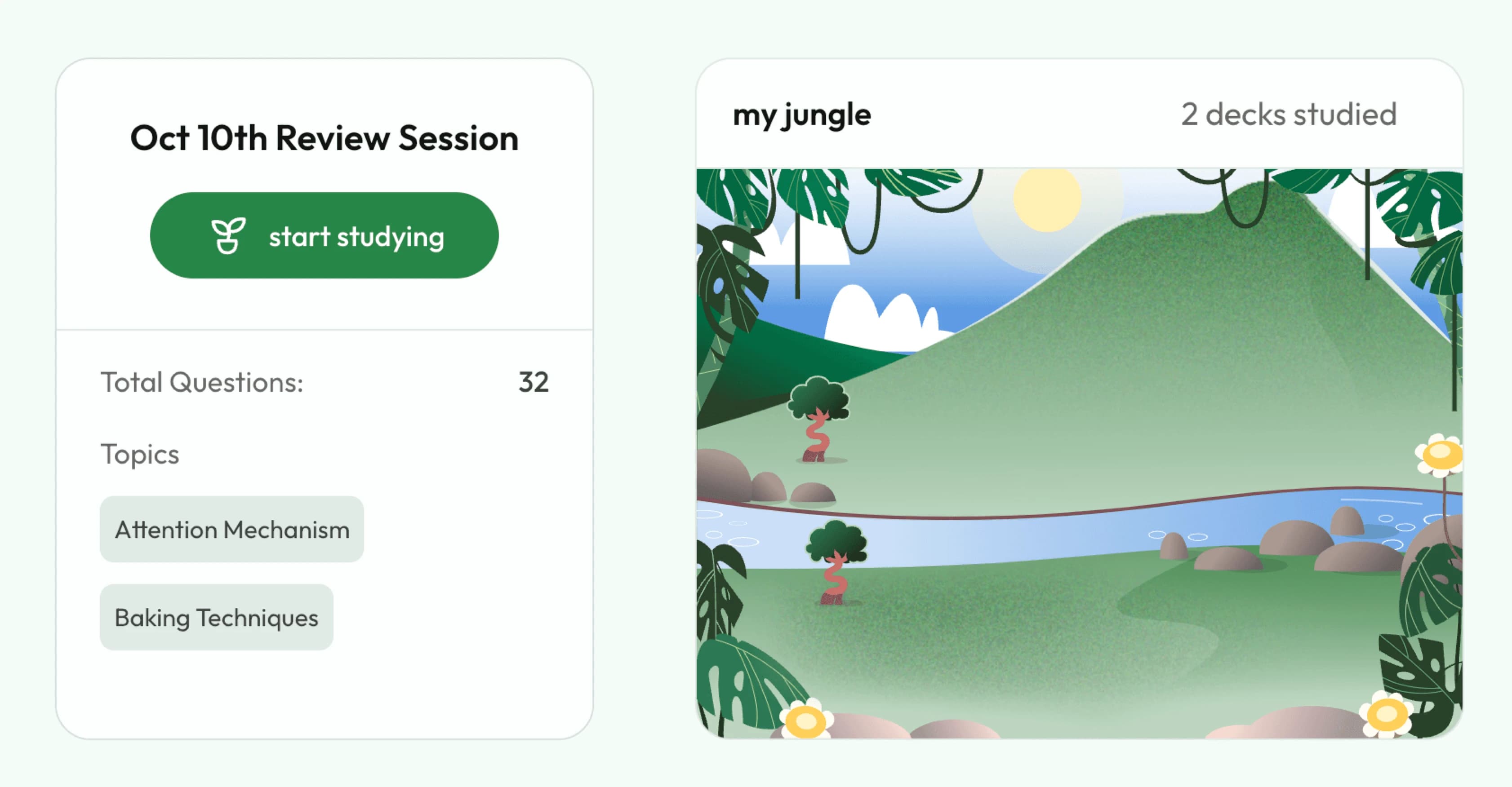
6. Suno AI — Rituals, Closure, and Playlist-Driven Reflection
Student-led experiments need rituals—especially when things go sideways. With Suno AI, we script anthem prompts (“Song for the prototype that leaked,” “Chant for the peer-review rescue,” “Anthem for group that asked TOO MANY QUESTIONS”). The AI turns them into quick, shareable tracks for class closure, demos, or exhibition launches. By spring, our class playlist is a joy-bomb—memory, inside jokes, and resilience all in one.
Every student remembers the song that marked their wildest pivot—proof that “We survived...and learned.” That turns even setbacks into the best kind of tradition.
Try Suno AI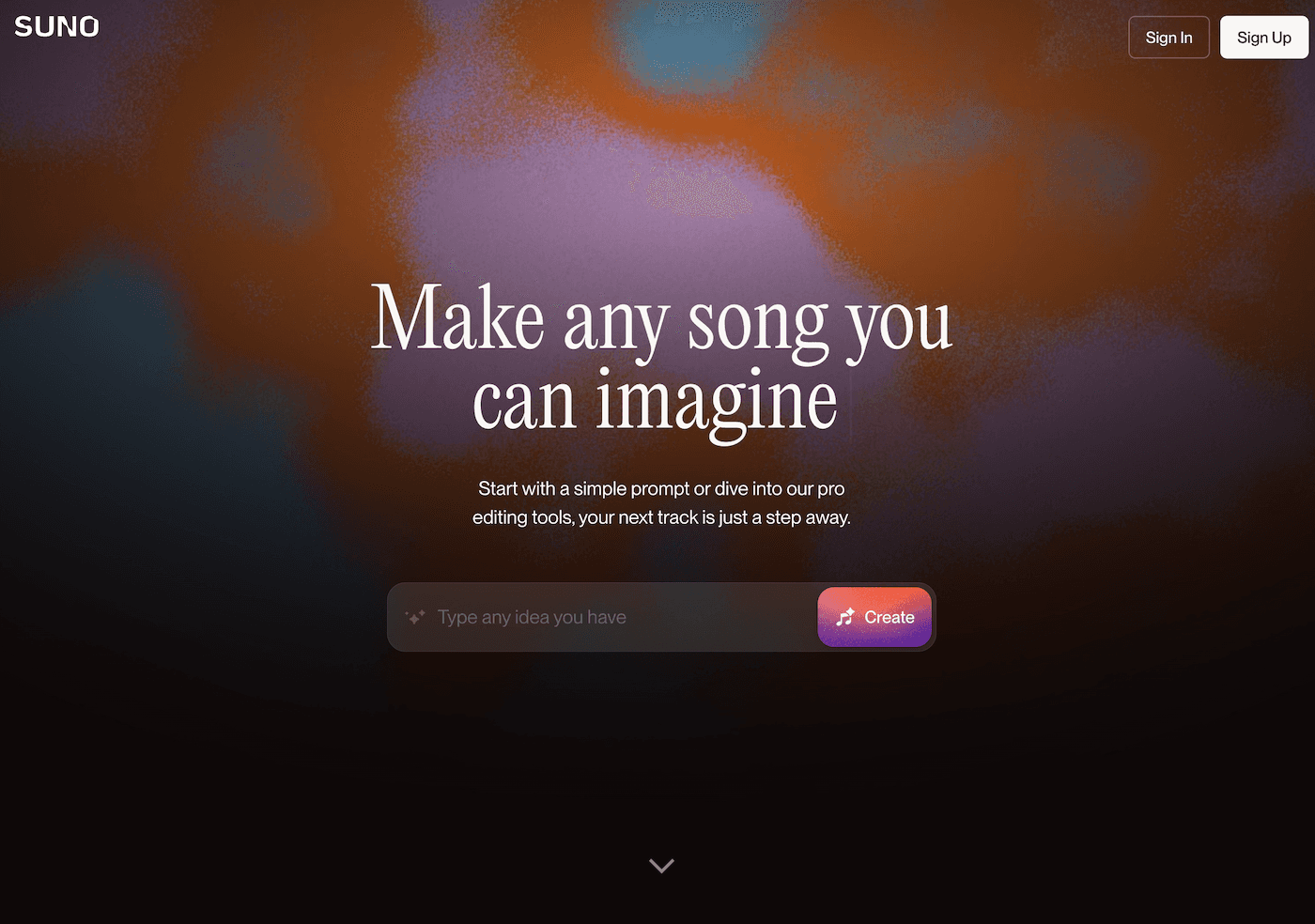
Teacher Tips for Experimentalists (from the Remote-Control Volcano Trench)
- Document process, not just product—Gamma and Notebook LM keep the messy middle alive.
- Let students co-own every workflow. Kuraplan and Jungle only work when the map, review, and rituals are genuinely class-built.
- Make scaffolding inclusive and empowering—Diffit gives everyone a research role.
- Ritualize the ride: Suno tracks in particular become collective memory (and reduce dread after a near-catastrophe).
- Archive everything—even failed plans become next year’s inspiration.
If you’re a teacher who’s survived more student experiments than you care to count, share your best workflow, failure-to-success showcase, or wildest playlist moment below. Discovery is risky—but with the right AI backbone, every experiment gets a chance to make a mark.