6 AI Tools for Teachers Who Love Student-Led Labs
Let’s be honest: running a student-led lab is equal parts thrill ride and project management bootcamp. Maybe you’re teaching high school biology and your class wants to design their own enzyme experiments—only to realize the proposal board is now full of wild hypotheses, duct-taped gadgets, and at least one gummy bear that vanished during data collection. Or maybe you lead a middle school STEM block that’s a fever dream of solar car races, chemical reactions, and impromptu peer critiques.
I’ve built my classroom—and my sanity—around the idea that kids learn best by doing, not just watching. But even if you want chaos, collecting meaningful data, giving real feedback, and keeping every group on track (without squashing their creativity) takes more than charisma… it takes workflows.
2025 is the first year I’ve actually found AI tools that help me succeed with student-led labs—without turning science into a worksheet factory. Here are 6 apps (with honest, battle-tested classroom routines) that became my mainstay for:
- Managing project chaos,
- Supporting rigorous, creative inquiry,
- And giving every student—not just the future engineer—the spotlight.
Kuraplan appears early (couldn’t live without it!), but every tool on this list plays a different, critical role in the modern science classroom.
1. Notebook LM – Turning Observations Into Stories (and Evidence)
Lab notebooks get abandoned, Google Docs get buried, and the class genius keeps their best discoveries in their head. My workflow:
- Every lab group sets up a shared Notebook LM for each investigation.
- Students quickly add audio reflections, time-stamped photos of results, sketches, and peer questions as the lab unfolds (no printing, no lost pages).
- The AI highlights common patterns, flags recurring mistakes ("everyone’s soap dispenser leaked!"), and even drafts Q&A scripts for a podcast-style lab recap or peer presentation.
By the end of the week: you have a living record for grading, group reflection, and portfolio sharing—and most students can find their best insight (even the introverted ones). No more lost learning, and every semester builds on the last group’s journey.
Try Notebook LM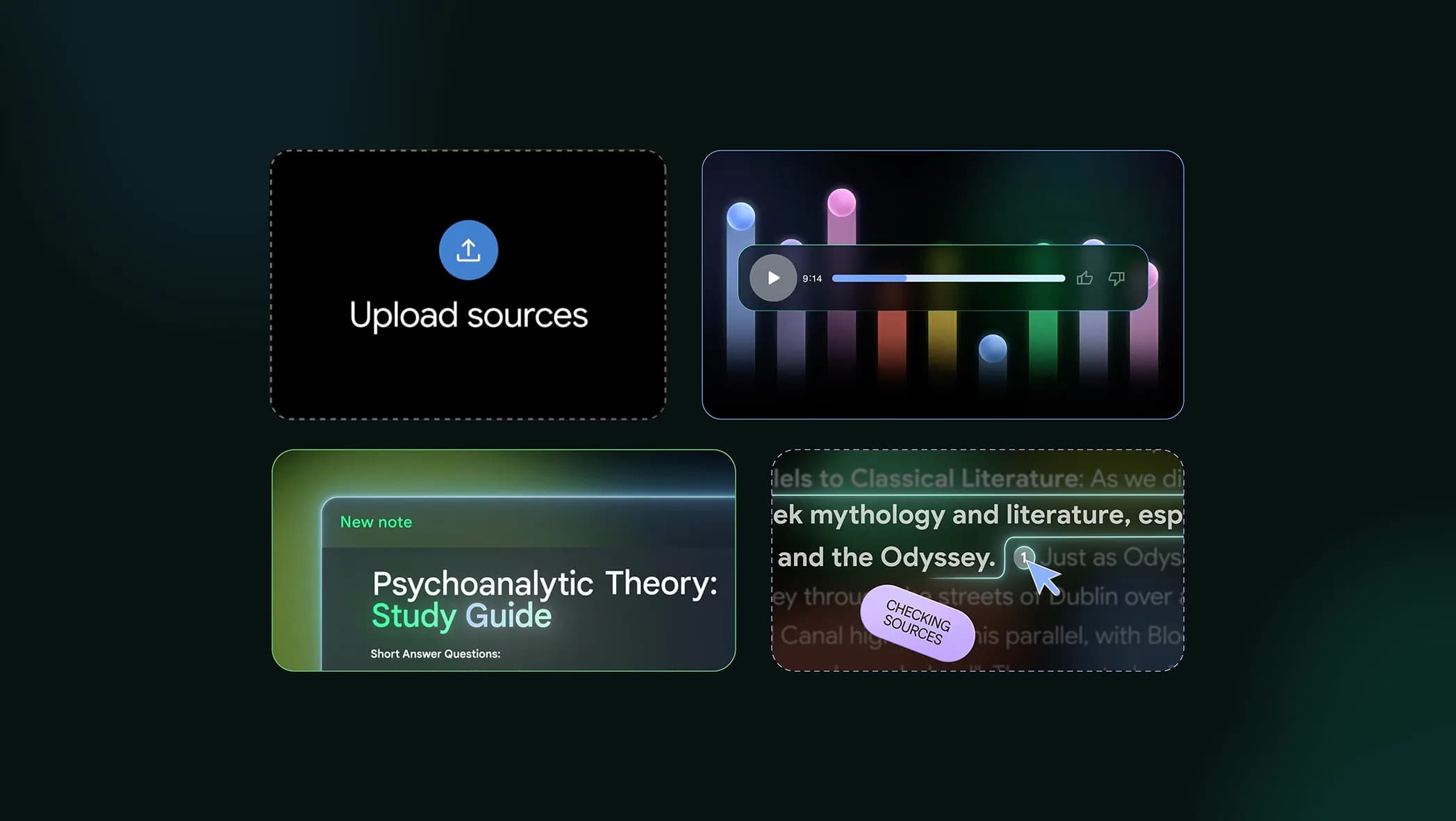
2. Kuraplan – Blueprinting Labs That Can Survive Pivots
Here’s my secret to never losing control—but still giving students real choice:
- I use Kuraplan to set rough check-ins ("proposal vetting by Friday," "first data point," "recalibration stop day") and anchor deadlines.
- After every major milestone, we project the Kuraplan plan, review what needs adjusting, and (crucially) let students suggest new detours ("can we test a new variable?", "let’s build a 2nd prototype").
- I edit in real time—sliding deadlines, swapping tasks, even adding recovery days after a group-wide flop.
The map is public, living, and shows admin (and anxious parents) that every twist was intentional. If your spring science fair feels like it has a dozen moving targets, this is your backbone.
Try Kuraplan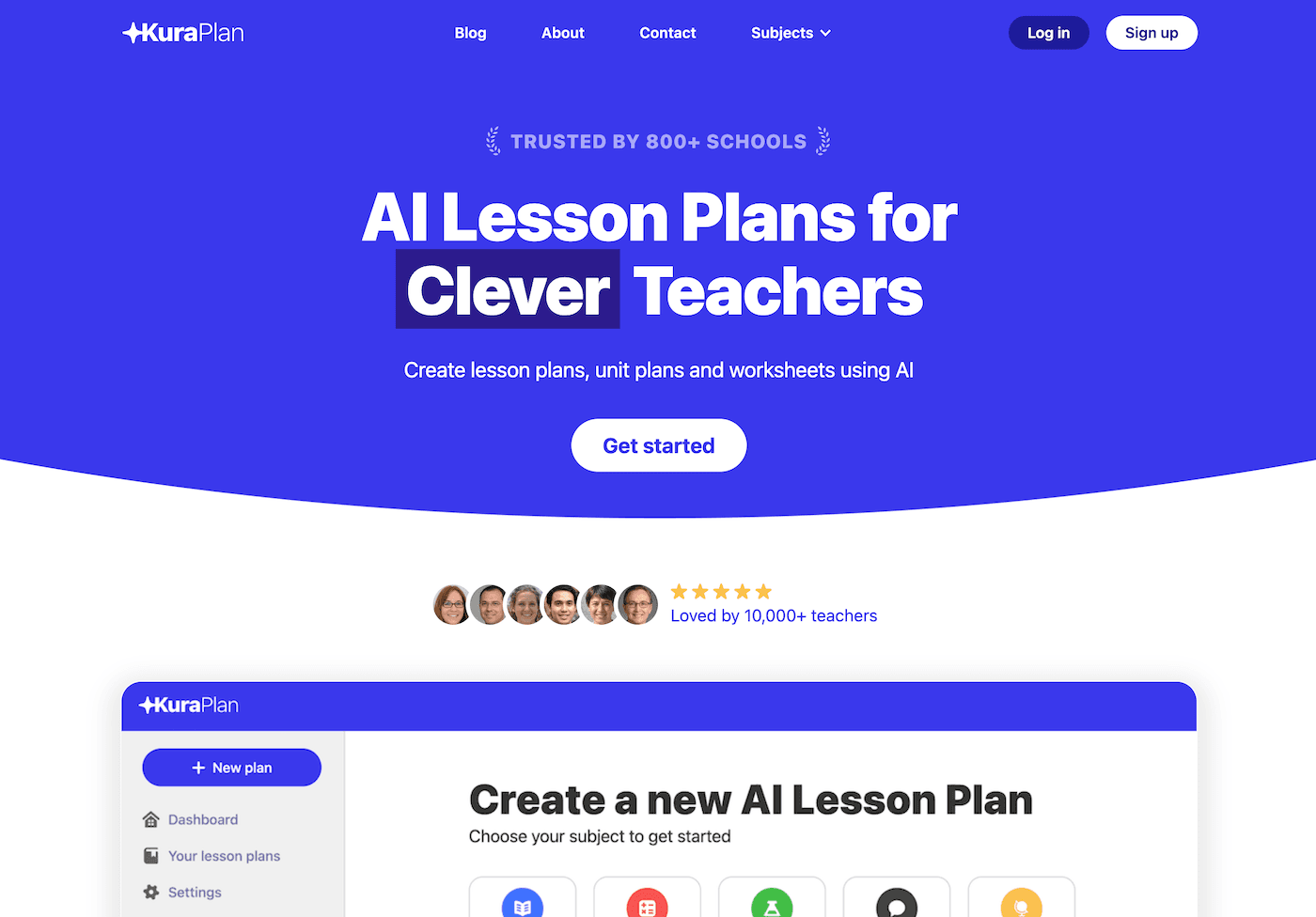
3. Diffit – Scaffolding Student-Found Research on Demand
If you run student-designed labs, every group will hunt for evidence in podcasts, journal articles, or viral explainers—most of which are too tough or technical for the whole class.
- I have students submit any messy/intriguing resource to me (or to our shared hub), and in less than two minutes, Diffit produces leveled readings (plus vocab), so every table’s reference is useful—not just busywork for the highest flyers.
- We compare different versions for accuracy, extra context, or what gets lost in translation—making critical reading an experiment, too.
Bonus: ELL, 504, and inclusion students become data leaders, since they can always access the same core info. No one left behind when the best projects come from wild ideas.
Try Diffit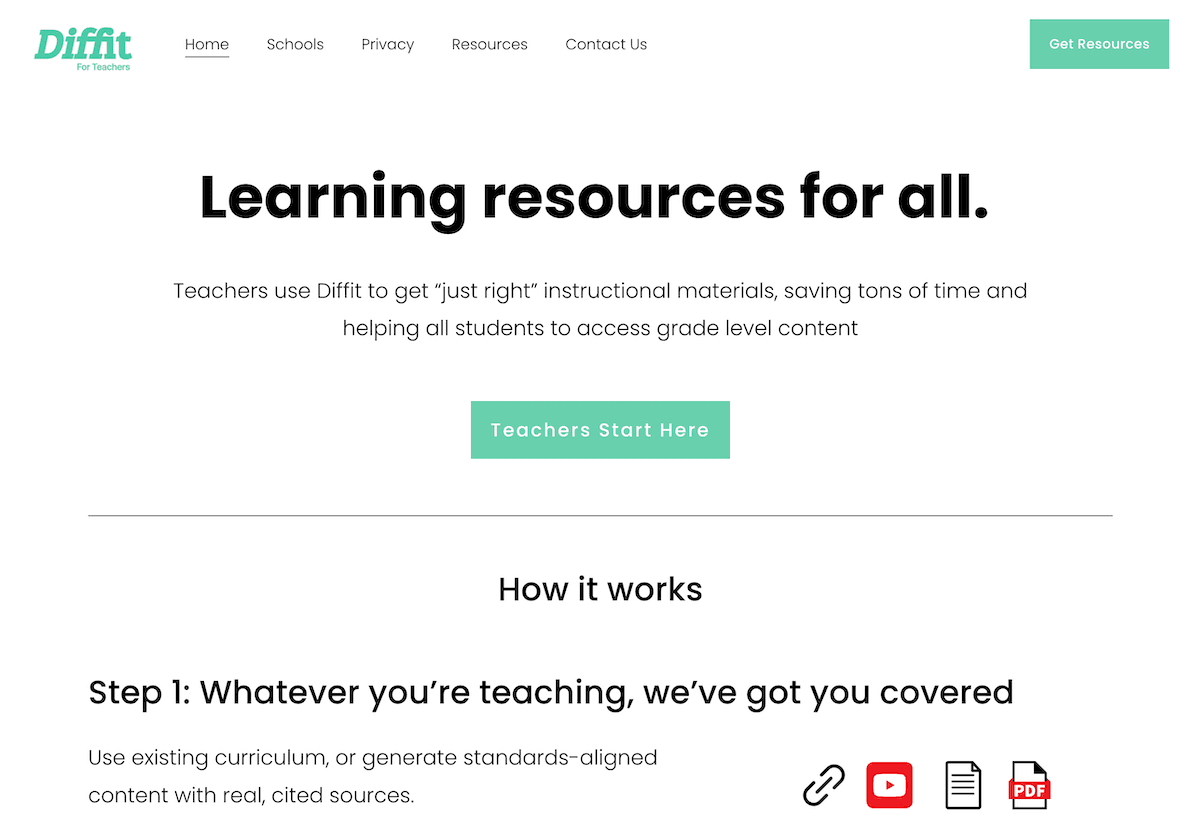
4. Jungle – Review Games Sourced from Real Lab Fails
Classic science review is all about memorization. Student-led labs are all about learning from failure.
- Each team, after a checkpoint, submits a card: "biggest variable that killed our experiment," "concept we misunderstood," or the wildest result no one believed.
- Jungle’s AI generates review games and class trivia built from real, messy experience—not just the answer key.
- Groups run review as open forum: "Who else got stumped by the thermistor? Whose pH rose instead of dropped?"
We save decks as legacy—next year’s teams can learn (and laugh) at our trials. It’s the best way to highlight process, not just product.
Try Jungle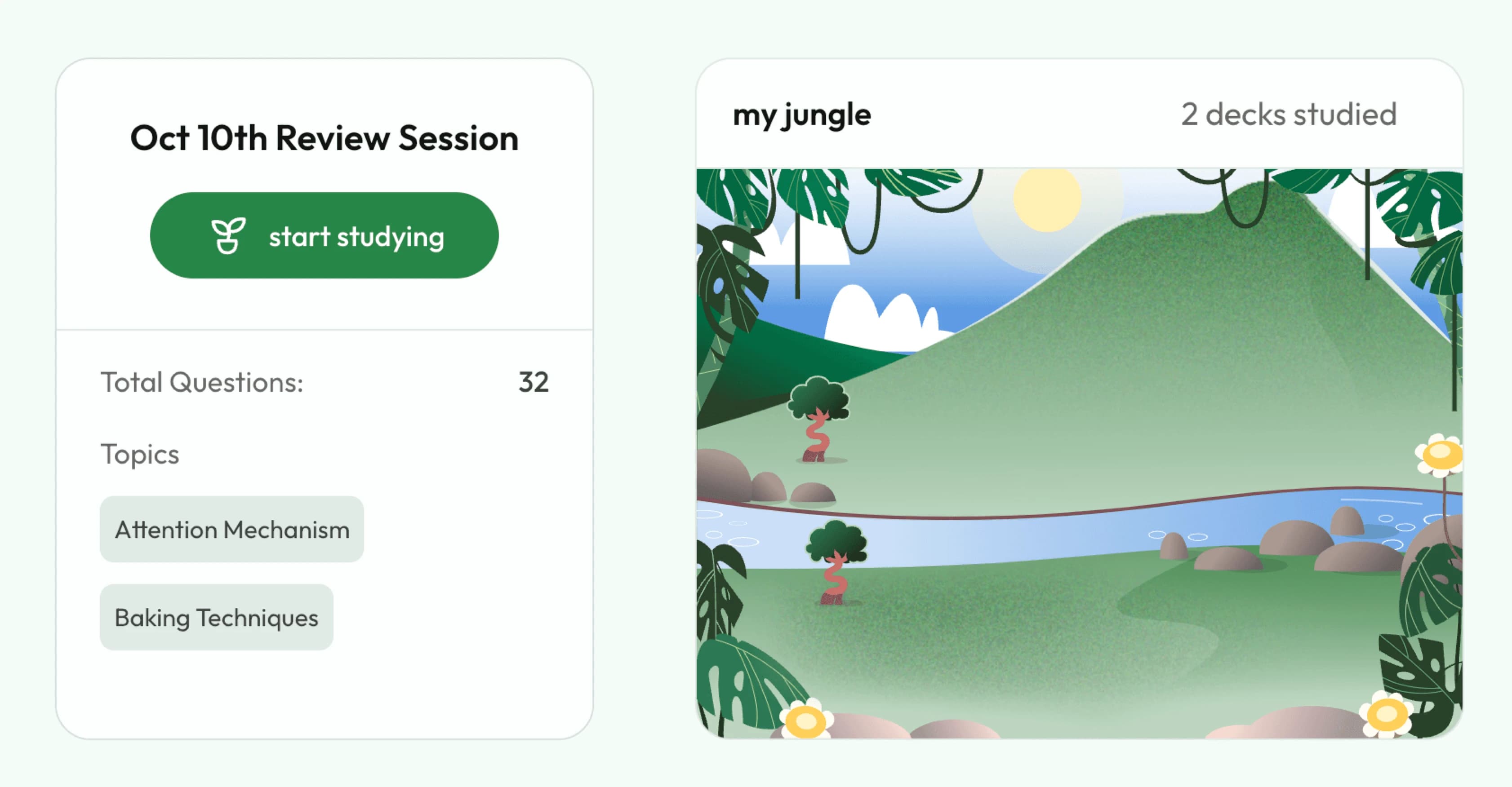
5. Gamma – Documenting Every Twist, Redeeming Every Tangent
A wall of sticky notes and a drawer full of prototype parts don’t tell the story you want (or need) for parent night—or your principal. Solution:
- Students upload lab photos, failed build shots, mid-lab whiteboards, sticky-note timelines, and research questions to Gamma after each session.
- Gamma turns everything into a living, clickable storyboard that can be annotated, updated, and shared.
- Each group presents their “lab journey” at check-ins—not just their conclusions, but their biggest mistakes, on-ramps, and how the process evolved.
For any major project, Gamma is how I showcase the journey, not just the finish line.
Try Gamma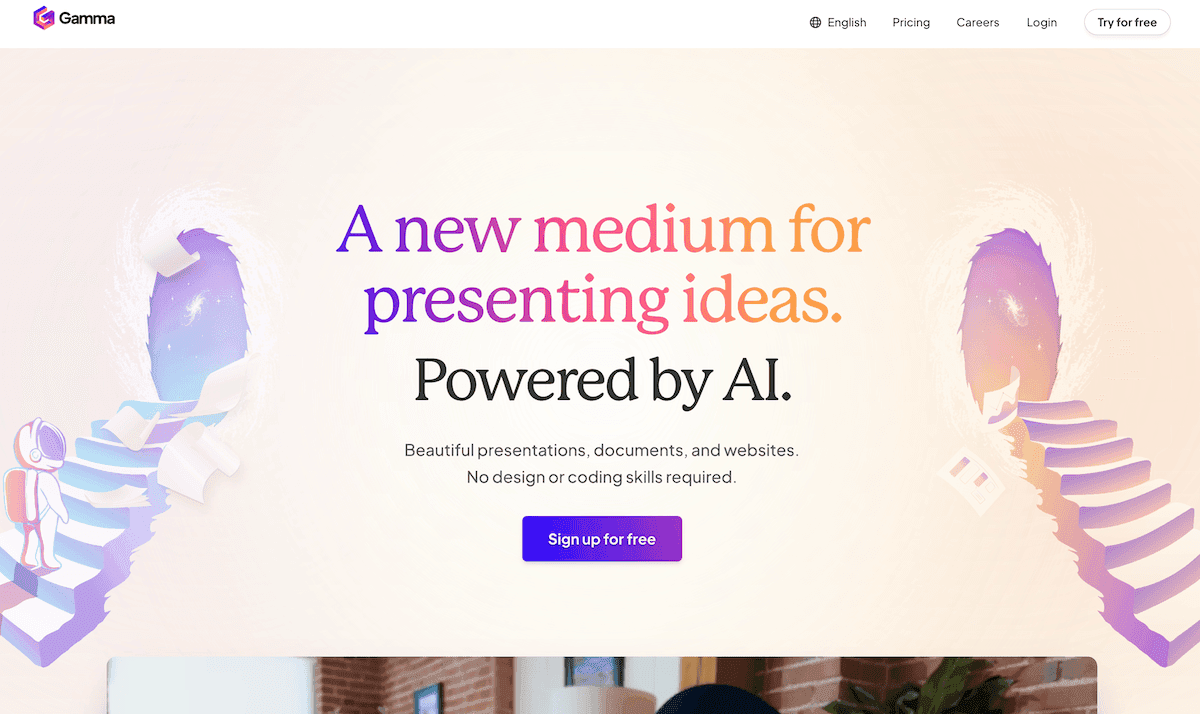
6. Suno AI – Building Rituals (and Resets) Into Every Lab
Student-driven science means more surprises—both good ("we actually made a lemon battery work!") and bad ("we flooded the table, again").
- Every class period, my students script a Suno prompt (“Song for the experiment that exploded," "Chant for Testing Recovery Day," “Anthem for Outliers”).
- Suno AI instantaneously spins a custom class track; we play it for transition, closure, or just as a reset after chaos strikes.
- Over the year, our playlist of anthems marked group identity, soft failure landings, and more than a few Friday "lab party" launches.
Rituals and music became the anchor that kept resilience and energy alive—proving, over and over, that learning thrives on the edge of the plan.
Try Suno AI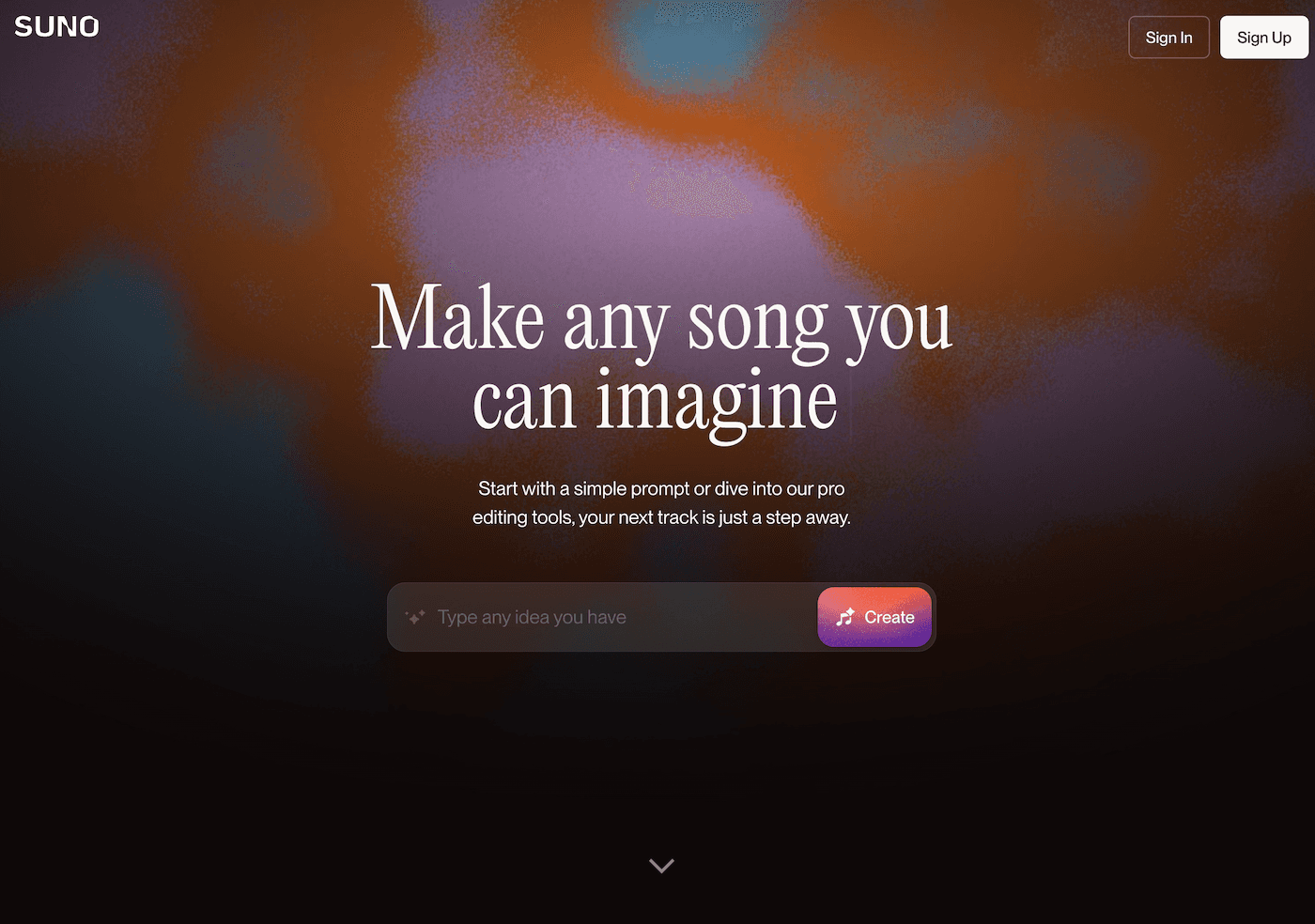
Teacher-to-Teacher Survival Tips for Student-Led Labs
- Document everything—especially failure. Notebook LM and Gamma are your process lifelines; review is richer when you see every group’s arc.
- Make plans editable in public; Kuraplan is essential for controlled freedom, not for ironclad plans.
- Let real data, not pre-digested content, drive the learning. Diffit means every wild resource is fair game—no one gets gatekept.
- Normalize reflection and review as a team sport; Jungle decks keep everyone honest (and laughing) about what really happened.
- Ritualize the chaos! Suno anthems make every pivot a celebration, not just a hurdle.
If you’re running a classroom powered by questions, detours, and the sheer mess of student-driven labs—share your favorite workflow, ritual, or AI hack below. The future of science teaching is alive, and just organized enough.