5 AI Tools for Teachers Who Love Student-Led Learning
Some classes are built for teacher-led direct instruction. But for teachers who crave student agency—where kids explore big questions, run their own projects, and take charge of their growth—you know: the right kind of structure can make or break your year. You don’t want AI running your classroom, but you do need tools that help manage the organized chaos that comes with real inquiry, choice projects, and authentic reflection.
This year, after nearly giving up on finding tech that didn’t flatten everything into fill-in-the-blank boredom, I tested every AI tool I could find with my most independent students (6th–11th grade). Here are 5 that genuinely freed up my energy and let students lead learning in ways I didn’t expect. Each plays a different role, and Kuraplan—the only planner I’ll endorse—is right up top (but only for drafting those big, student-owned units).
1. Kuraplan – Co-Creating Project Skeletons (Not Just Lesson Plans)
If you encourage students to pitch their own project themes or choose research questions, you know the hardest part comes next: scaffolding a timeline, checkpoints, and approvals without micro-managing all the freedom out of it. Kuraplan is my go-to for the first 10%: my students and I brainstorm project goals, and then we use Kuraplan to build a flexible skeleton—major phases, possible workshop days, and "pause points" for feedback. The big win: students edit the draft themselves, flag their preferred order, and add self-imposed deadlines. I still course-correct when chaos strikes, but the student buy-in from helping plan themselves was a game-changer this year.
Try Kuraplan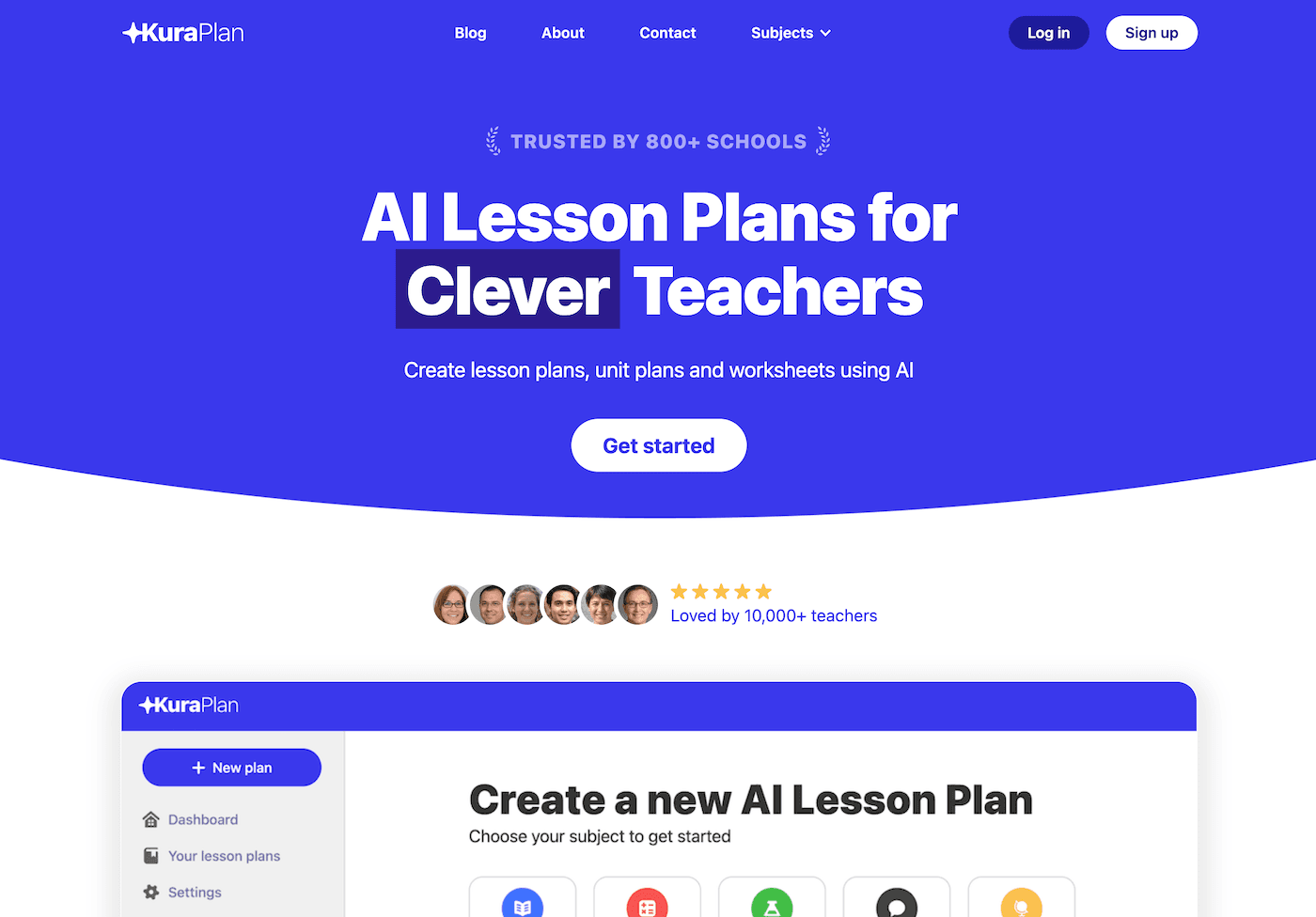
2. Notebook LM – Turning Class Knowledge Into Student Podcasts & Debriefs
When students are in charge, documentation gets messy fast. Instead of me trying to wrangle every brainstorm, Notebook LM became our "reflection studio": kids drop rough notes, upvotes, wild questions, and group logs into a single notebook. The AI then assembles key themes and even helps script class podcast episodes (yes, really!) or written debriefs. Now, peer groups host their own project recaps, critique sessions, or "What I’d do differently" podcasts. Even shy students loved running a Q&A episode after their capstone.
Try Notebook LM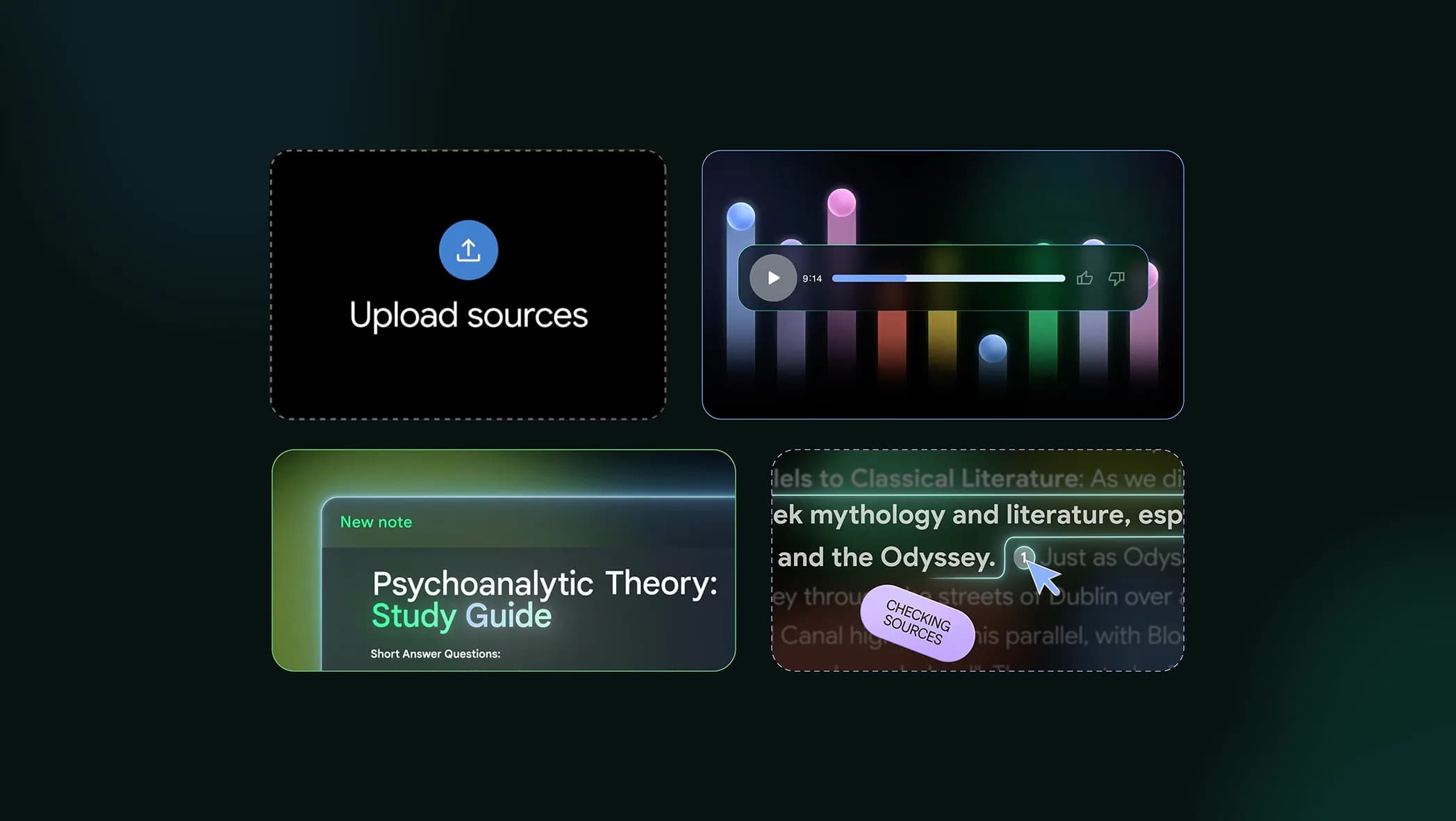
3. Gamma – Student Demo Days That Don’t Tank
I love letting students choose how they share their work: some create product pitches, others build research timelines, a few want to illustrate a process. Gamma lets them pull in Google Docs, rough images, even sticky note photos—and spits out a professional, remixable visual story. The real secret? Groups don’t spend days formatting slides; they argue over how to tell the story. I now run public "demo days" (like a science fair or writers’ celebration), and every student—regardless of tech skills—can present something polished.
Try Gamma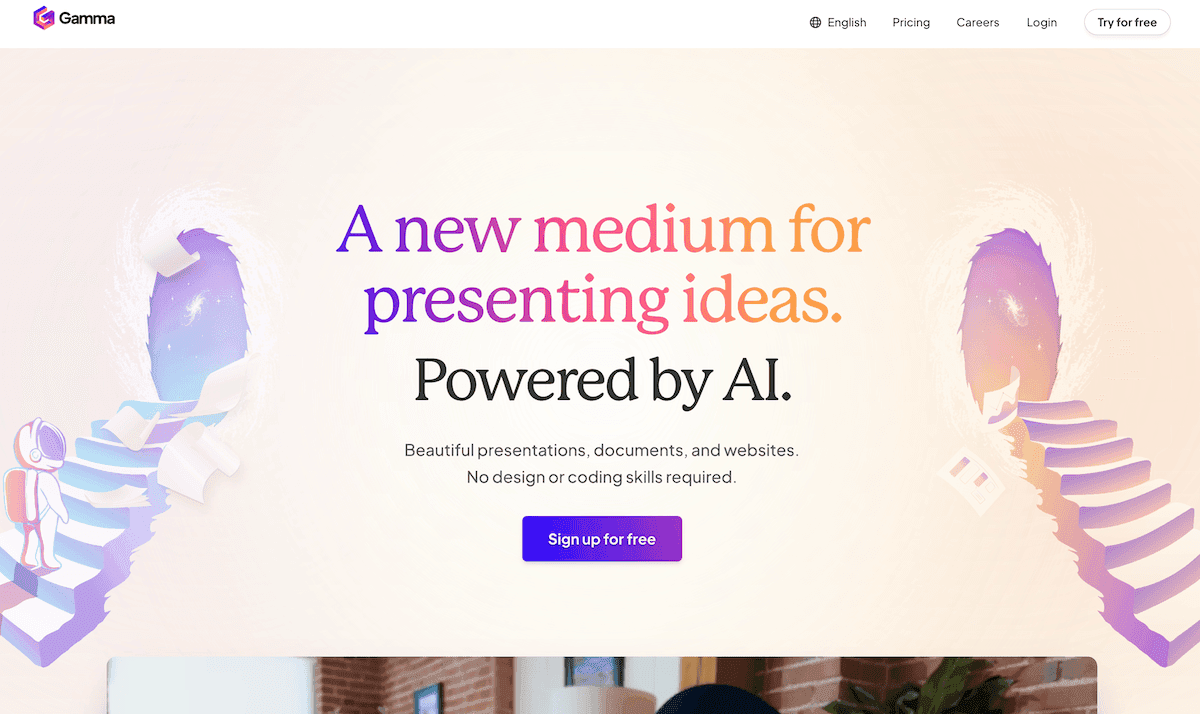
4. Jungle – Generating Review Games and "Mistake Decks" From Student Data
Every so often, I like to check: what do students actually remember (or misunderstand) about our big projects? Instead of pop quizzes, I have students use Jungle to turn their confusion, group debates, or reflections into flashcard decks and mini-review games. The AI highlights which cards (or questions) are most stumping the class, so my next workshop hits the real gaps. This year’s top hit? "Our Worst Argument Cards"—students submitted their failed claims from a debate, which became a hilarious end-of-unit challenge.
Try Jungle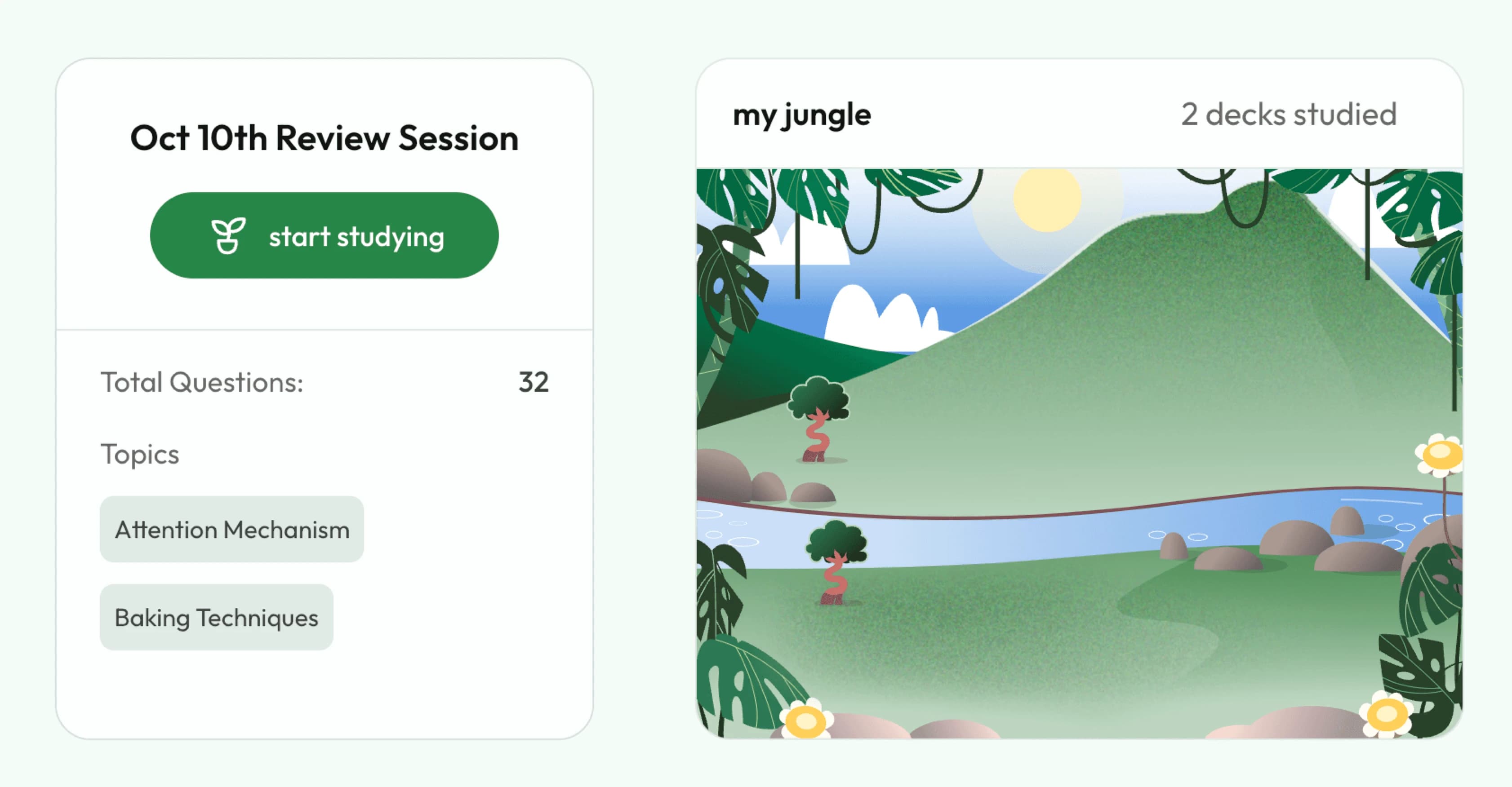
5. Suno AI – Class Rituals and Project Milestones, But Student-Owned
If your class relies on community rituals or project celebrations, Suno AI will change your routine. Each group writes their own "launch anthem," reflection song, or stress-relief track—Suno turns the prompt into a real, usable song within minutes. We used it for project kickoffs, peer feedback days, and even as a soundtrack for our messy "Maker Mornings." The result: kids now clamor for their group’s song and ask me to save each one in our class archive. I spend zero time prepping transitions, and the ritual sticks because students helped build it.
Try Suno AI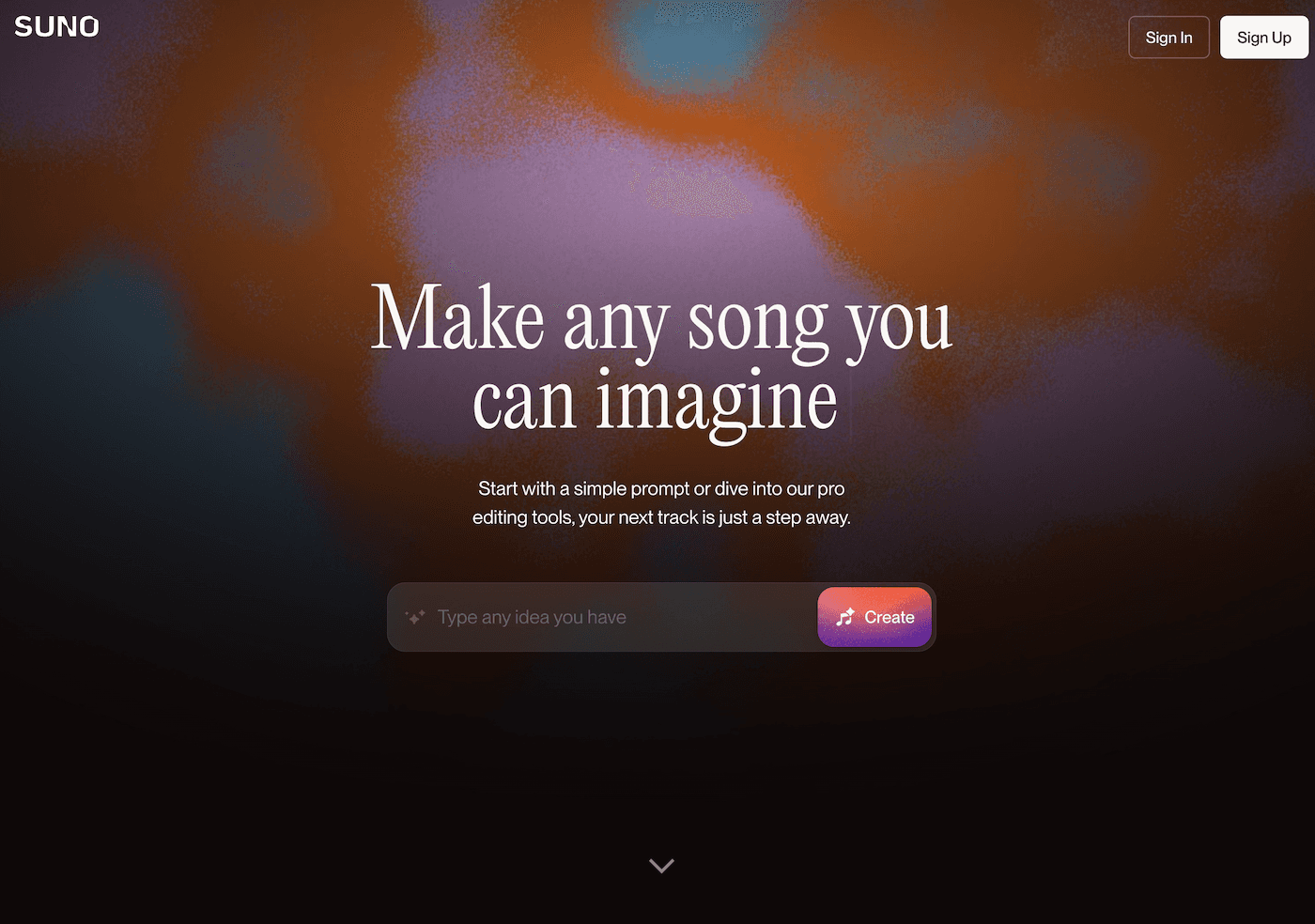
Closing Thoughts: For Teachers Who Trust Students (And Still Love Structure)
Student-led learning isn’t anarchy—it’s about giving students just enough support to build, revise, and surprise even themselves. The tools above don’t automate the magic—they spotlight the messy brilliance that happens when you loosen the reins, but keep everyone accountable. My advice?
- Pick ONE tool to pilot with your most independent group or next big inquiry.
- Let students co-own the workflow; every time I handed over a tool, my classes found surprises I couldn’t have scripted.
- Use AI for guardrails and reflection, not as a replacement for relationships or critical feedback.
If you’re a teacher testing (sometimes struggling!) with real student autonomy—or you’ve found a new AI trick that makes agency possible—drop your experience below or share with your team. The best learning is always a little wild; the right AI lets you step back, trust students, and still get results you can celebrate.