6 AI Tools for Teachers Who Love Student-Led Projects
If you’re the sort of teacher who gets a jolt of energy when a student says, “Can we try it this way instead?”—who turns over the whiteboard marker for project brainstorming, or dreams of a classroom where students are the architects, not just the audience—welcome. I’ve spent 12 years toggling between science, literature, advisory, and a mash-up “Design for Change” block, and every year I swear by one truth: student-led projects are where the magic (and the absolute mess) happens.
But let’s be honest: true project-based teaching is a beast. The magic of kids pitching wild ideas can quickly swamp you in “how do I structure this?,” “what about accountability?,” and the dreaded “is everyone actually learning here?” This year, I vowed to use AI only where it amplifies student agency, not automates generic tasks. Here are the 6 tools that got me through a year of student-run documentaries, portfolio capstones, and even an impromptu election simulation.
1. Gamma — Turning Project Pitches Into Real Roadmaps
In a classroom where project launches routinely outpace your calendar, the biggest barrier isn’t ideas—it’s showing what you’re up to, and keeping everyone on the same page. Every time a group brainstormed a documentary or community mural instead of "another essay," we threw their sketchnotes, sticky photos, deadlines, and roles into Gamma. The AI helped us visually sequence the mess: a week-by-week plan, annotated with student questions, process pivots, even mistakes we wanted to remember. At the end of the quarter, my students walked parents through a gamma-powered timeline—every setback, brainstorm, and surprise was a learning badge. Even admin who thought they’d seen everything were caught off guard: “So this is what living learning looks like.”
Try Gamma
2. Kuraplan — The Blueprint Built to Break
True story: I ban the phrase “just follow the plan.” But I’ve come to trust Kuraplan as my safety net for student-led chaos. We start every wild build (app pitches, history day podcasts, science fair hacks) by roughing out deadlines, must-hit standards, and any non-negotiable checkpoints—then project Kuraplan’s skeleton on the board for group edits. As project arcs twist and deadlines slide, we edit the map in real time—adding “change of direction” days, reflection blocks, and bonus research cycles if a team gets stuck. It’s the only planner my students buy into, because every edit visible, and every detour is a deliberate part of the journey, not a failure.
Try Kuraplan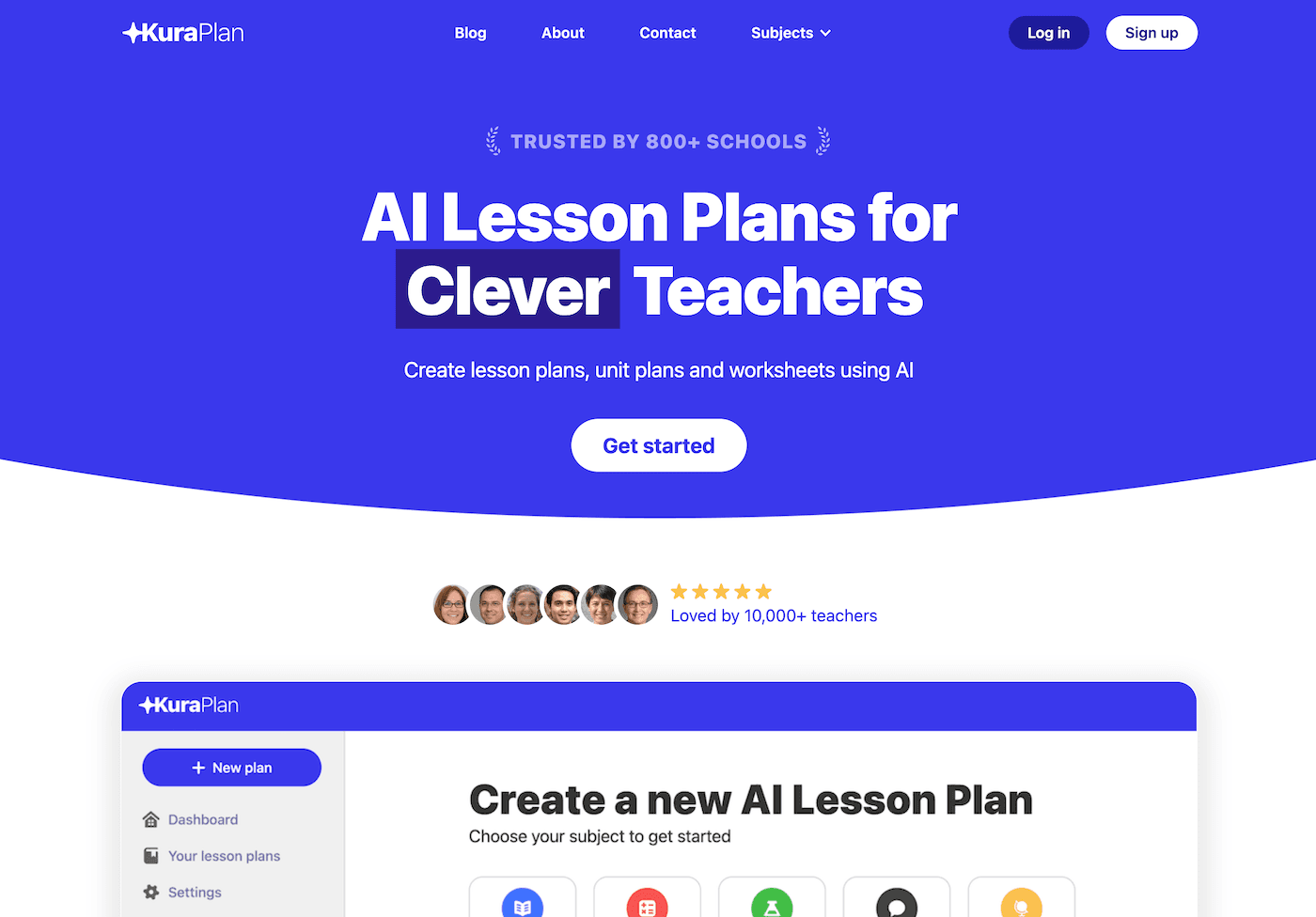
3. Diffit — Letting Every Group Own Their Research
Nothing derails a project block faster than a great research idea that’s inaccessible to half the class. With Diffit, I had a flow: whenever a group picked a resource—YouTube, local newspaper, student-written blog—I pasted it into Diffit and, in seconds, had multiple levels of that same resource (plus vocab, comprehension checks, and creative reflection prompts). More than once, an advanced team pulled audio from a Spanish-language news show, and we could instantly offer adapted versions to everyone in the room. Now, student interest never means more work for me or more exclusion for someone else. True agency means access on demand, and this tool is my behind-the-scenes hero.
Try Diffit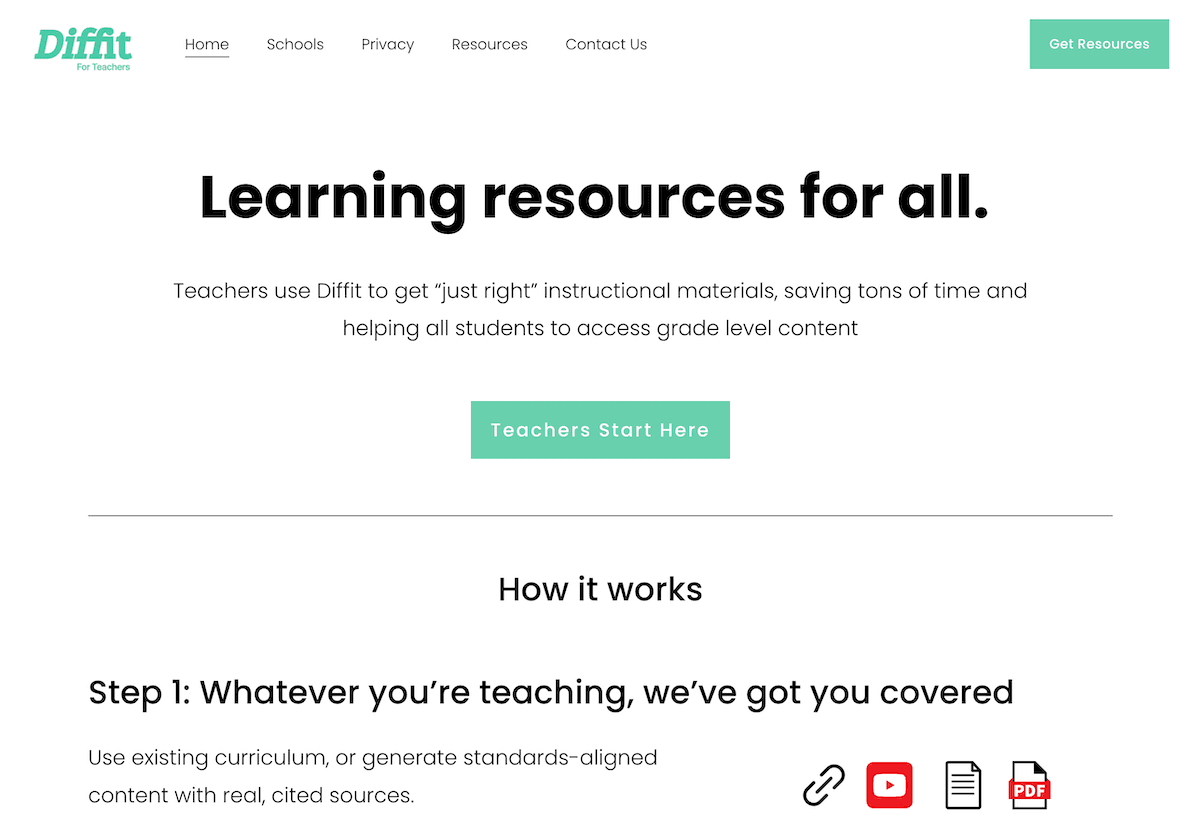
4. Notebook LM — Archiving Every Project Twist
Hands up if your best project moments are buried in forgotten folders by May. This year, every group kept a Notebook LM as their "project studio": audio updates, peer feedback, impromptu interviews, data snapshots, all dumped in throughout the process. The AI flagged patterns (“Three groups pivoted after their first interviews!”), suggested podcast or newsletter scripts for interim reports, and even generated Q&A prompts for peer-share days. At the end, parents and visiting teachers could see (and listen to) the actual arc of curiosity—setbacks, retries, and all. Bonus: students asked to roll their project notebook forward to next year. That’s real buy-in.
Try Notebook LM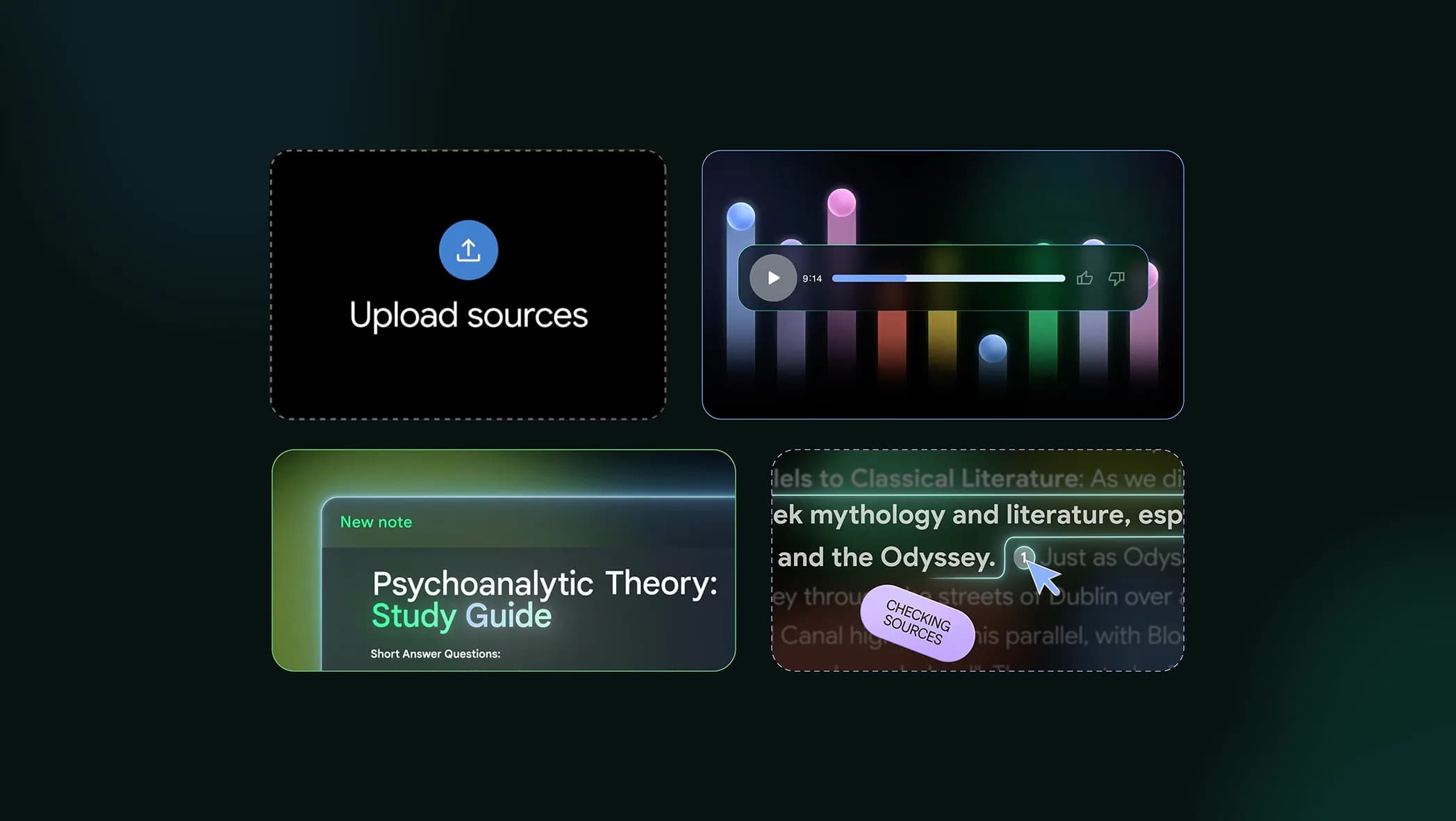
5. Jungle — Student-Generated Reflection Games & Self-Checkpoints
In a project-centered classroom, reflection can feel either forced or forgotten. My fix: after every major checkpoint, teams submitted cards—biggest win, recurring confusion, “what I wish I’d done sooner”—and Jungle’s AI wove them into live review games for groups or the whole class. Suddenly, “review day” was our game, with questions that reflected actual struggles, not generic worksheet trivia. Students grabbed the decks for self-assessment, next-step goal setting, and even “teach the teacher” trivia to keep me on my toes. Assessment became a living, collaborative ritual, not a test-prep afterthought.
Try Jungle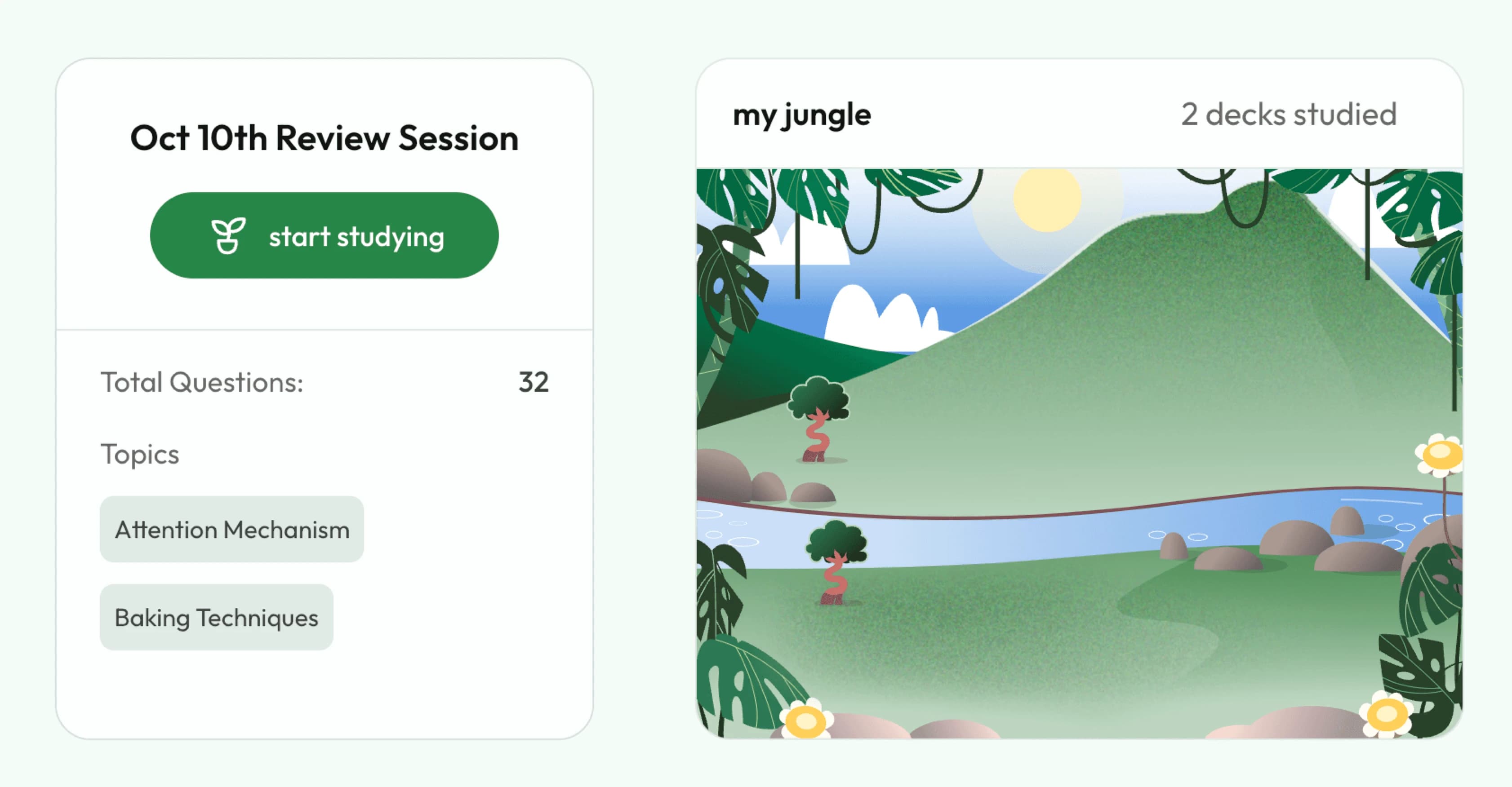
6. Suno AI — Rituals, Debriefs, & Project Celebration Soundtracks
If you build for agency, the mess is inevitable—and the reflection is everything. Part of making student-led learning sustainable is ritualizing closure. My group’s tradition: every ‘launch day,’ mid-course reboot, or final exhibit, we write prompts for a Suno AI class anthem (“Chant for the Week Our Project Almost Died,” “Launch Day Shuffle,” "Ode to Late Submissions"). Suno creates a custom track, and suddenly our project stories have a soundtrack. The playlist lives on for showcase days and for next year’s dreamers. It’s culture-building at its most fun, and even the shyest students sing along.
Final Survival Tips for Project Teachers
- Archive everything, not just the final product—Gamma and Notebook LM make your process visible and reusable.
- Give every plan an edit button, not just a checklist—let Kuraplan be your starter map, but expect it to change weekly.
- Put students in charge of resource access and review—Diffit and Jungle double as agency enhancers and differentiation streamliners.
- Ritualize, ritualize, ritualize—Suno gives closure and energy to every messy adventure, and students will copy your workflows for the next class (or club, or year).
Got your own trick for keeping student-led projects on the rails (without losing the fun)? Share it below—every teacher deserves a workflow that makes letting go feel possible, not petrifying.