6 AI Tools For Teachers Who Love Student-Led Units
If you secretly wish your classroom was more improv troupe than assembly line—or if you’ve ever stood at the board after a great debate and thought, “Honestly, let’s pivot the next two weeks to follow that”—this post is for you. I’m a science-history hybrid teacher who starts every year promising to give students “voice and choice.”
But here’s the catch: actual student-driven units are gloriously messy. New directions arrive mid-lesson, half of your best ideas sprout up from student proposals, and you need tools that guide (but don’t script!) the real work. Most “AI for teachers” apps focus on rigid pacing or one-size-fits-all lesson plans. I wanted something different—AI that makes inquiry sustainable, not formulaic.
This year, after running four major student-designed projects—one that ballooned out of a mock Supreme Court trial, one from a 6th grader’s question about local rivers, and two group research units where I truly didn’t know the outcome—I kept coming back to the workflow below. If you’re ready to try a little more chaos in your curriculum, these are the AI picks that genuinely helped my classroom thrive:
1. Notebook LM: Catch Every Surprise, Keep Every Spark
When you let students choose direction, the real learning appears everywhere: in peer brainstorms, hallway voice notes, debate transcripts, and “what about this?” sticky notes. My breakthrough this year was using Notebook LM as our collaborative journal. Students and I dumped everything into shared notebooks—whiteboard photos, resource links, exit tickets, even parent emails. The AI clustered themes, highlighted recurring student logic, and (best part) generated weekly Q&A scripts or mini podcast outlines. Each group used these to record their own unit recaps—evidence of process, not just product. It’s the only tool I’ve found that turns class chaos into sequence, and actually lets me use student-generated artifacts to launch the next inquiry block.
Try Notebook LM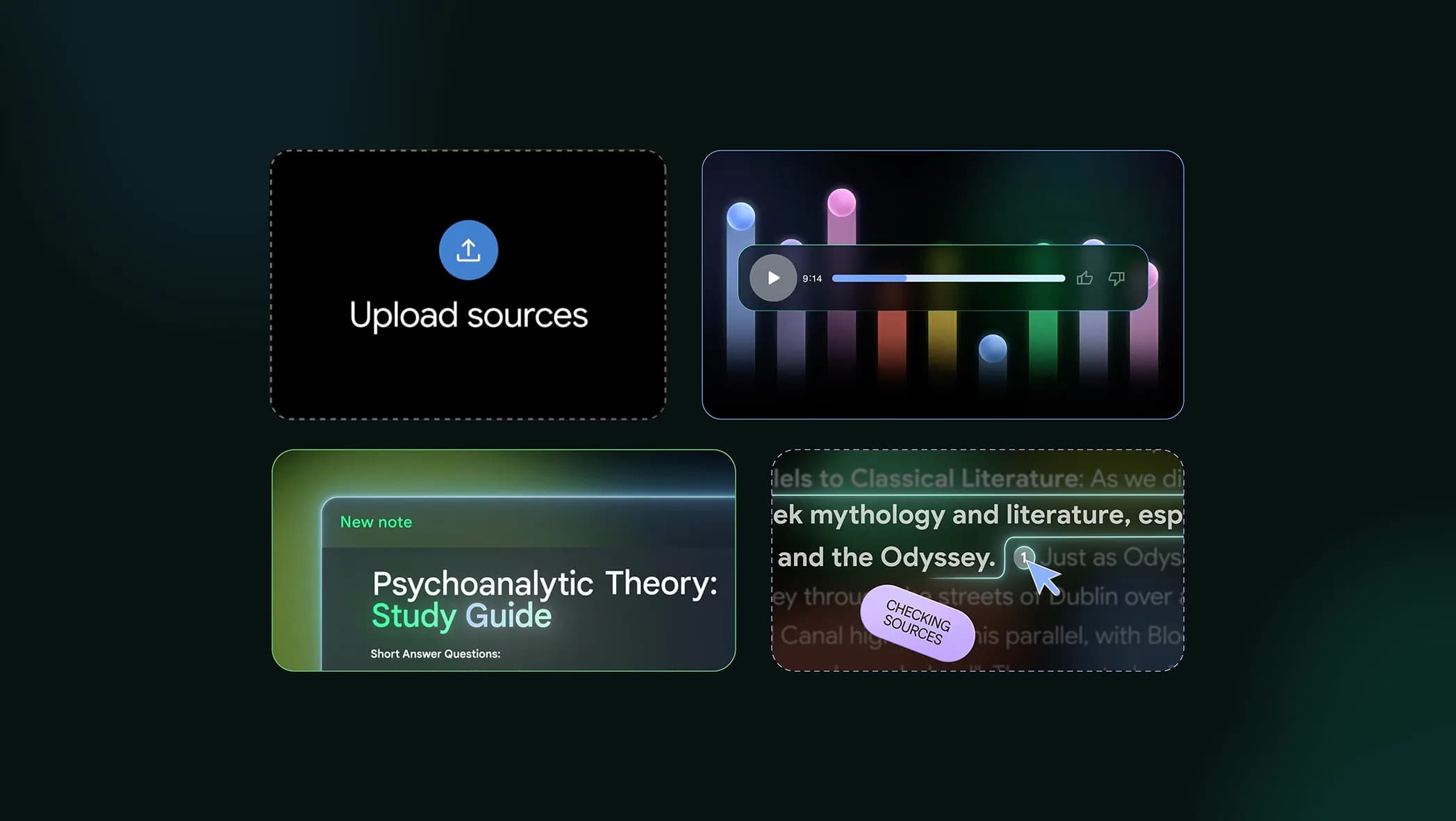
2. Kuraplan: Guardrails for Whatever Comes Next
Forget scripted units. In a student-led class, you need an adaptive skeleton—something to give the ride a backbone, but not a cage. This year, I used
Try Kuraplan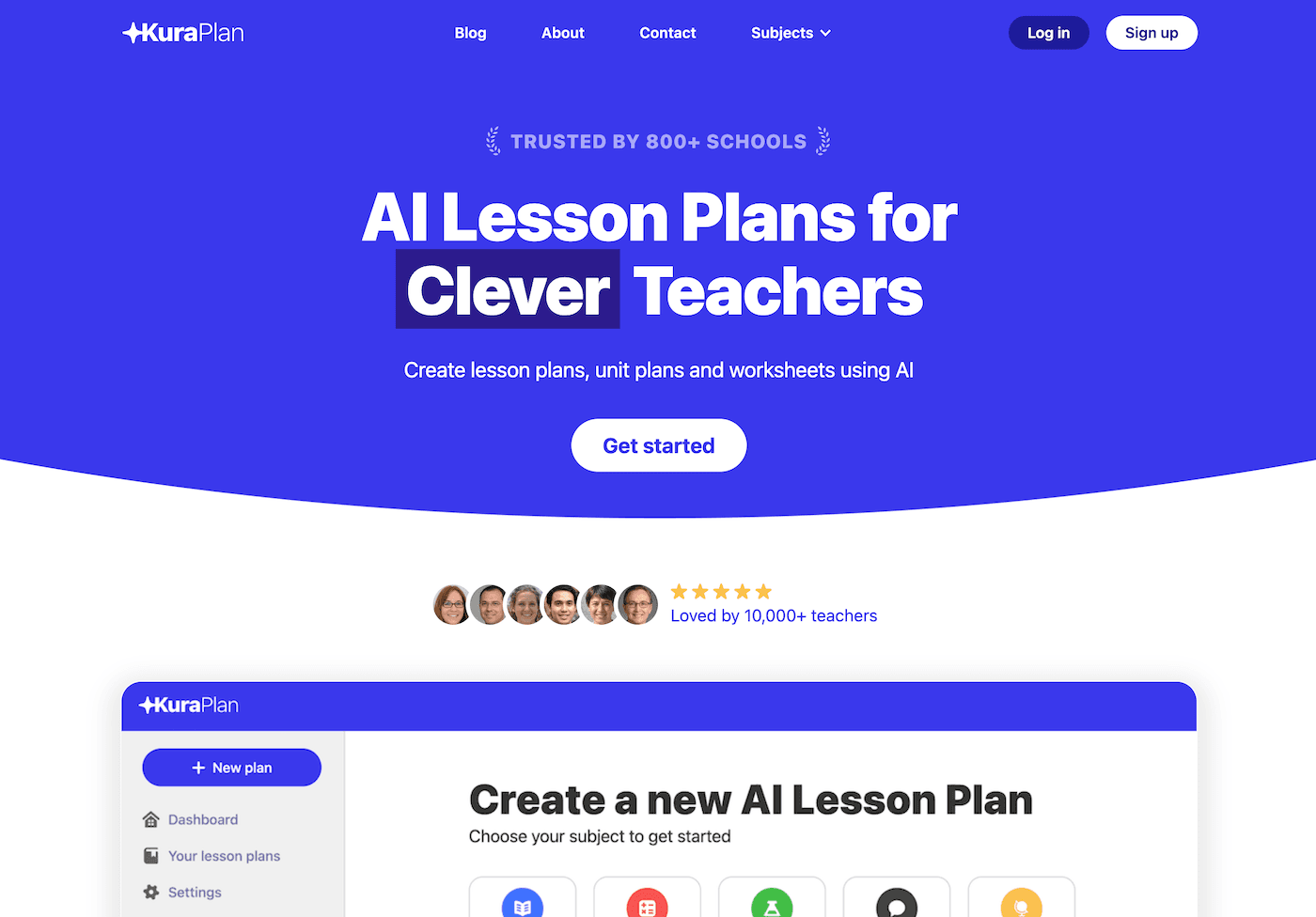
to build shared, editable unit maps: plugging in key standards, but letting the class propose projects, check-in points, reflection days, and deadlines they could own. We’d project Kuraplan’s draft sequence, cross out what no longer fit, and insert “pivot points” based on mid-project discoveries. Sometimes we added a gallery walk on a week’s notice, sometimes we dropped the original topic entirely. The point wasn’t to follow the AI plan, but to have a visible, responsive structure that invited students to make decisions. Bonus: admin saw a real plan, and students saw evidence their choices changed the map.
3. Gamma: Students See (and Shape) Their Journey
Showing student ownership isn’t just about assessment—it’s giving credit to how you got there. For every major unit, I let each group or table create a living visual timeline using Gamma. We’d upload brainstorm sketches, research findings, group memes, and pivot day recaps. Gamma’s AI arranged this into a digital exhibit we could annotate and rearrange together. Before every roundtable, students reflected through their slides: “Why did we choose that?” “Who changed our mind this week?” Instead of a static Google Slide show, the sequence was a map of student agency, and when parents stopped in—or our district director came to observe—they saw the actual evolution, not just a test grade.
Try Gamma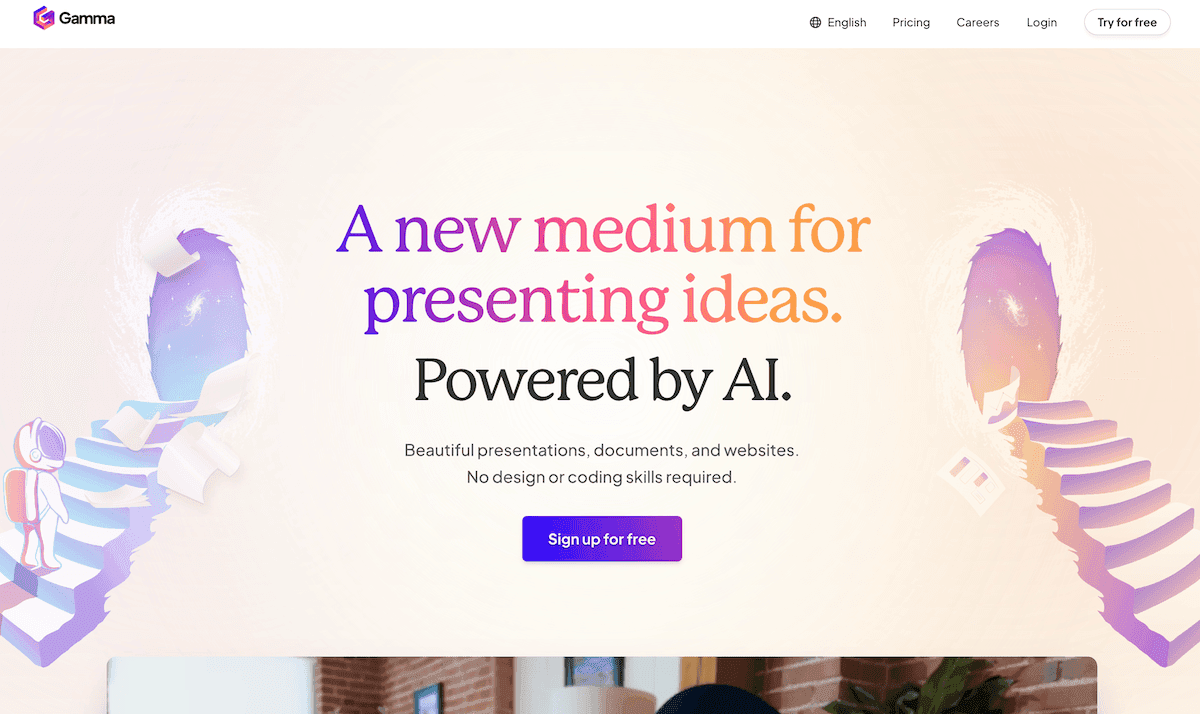
4. Jungle: Student-Built Review and Goal-Setting Decks
Solo quizzes and worksheet review can’t keep up with shifting student-led content. So I flipped it: post-unit, every student submitted a Jungle card—one thing they wish they’d known at the start, a question they’d ask next year’s class, and a “my group’s biggest misconception.” Jungle built instant flashcard decks we used for peer-to-peer review, teacher-vs-class challenge games, and kickoff activities for our next project. The bonus? Students debated what made it in—meta-cognition became a class ritual, and the decks were never the same twice. The best part: you can archive each project’s deck for the next cohort—so student mistakes (and breakthroughs) live on beyond the unit.
Try Jungle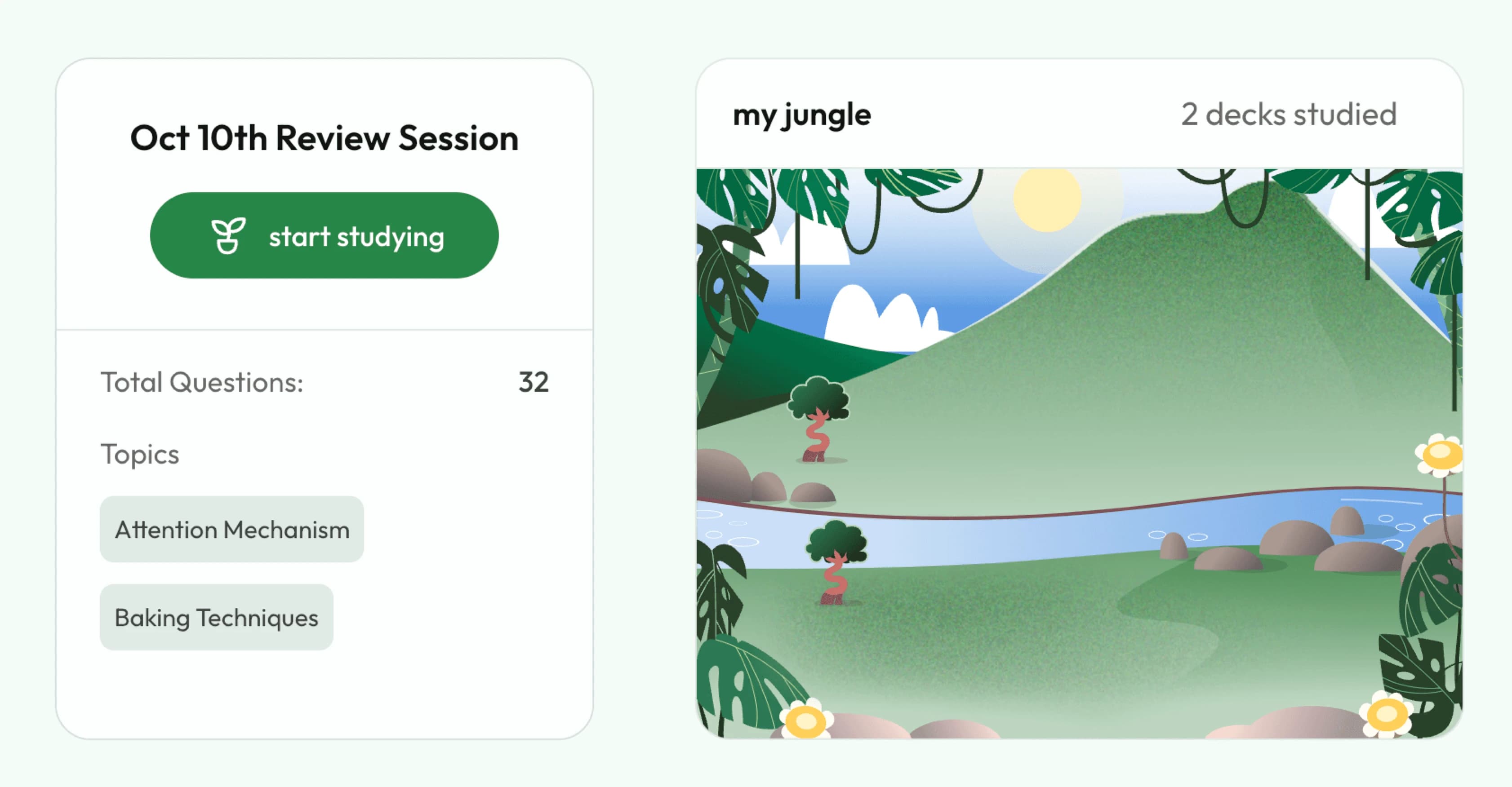
5. Diffit: Leveling Resources on the Fly (No More Bottlenecks)
Letting students drive content means wildly diverse resource choices: podcasts, campaign flyers, news stories, historical letters. Before
Try Diffit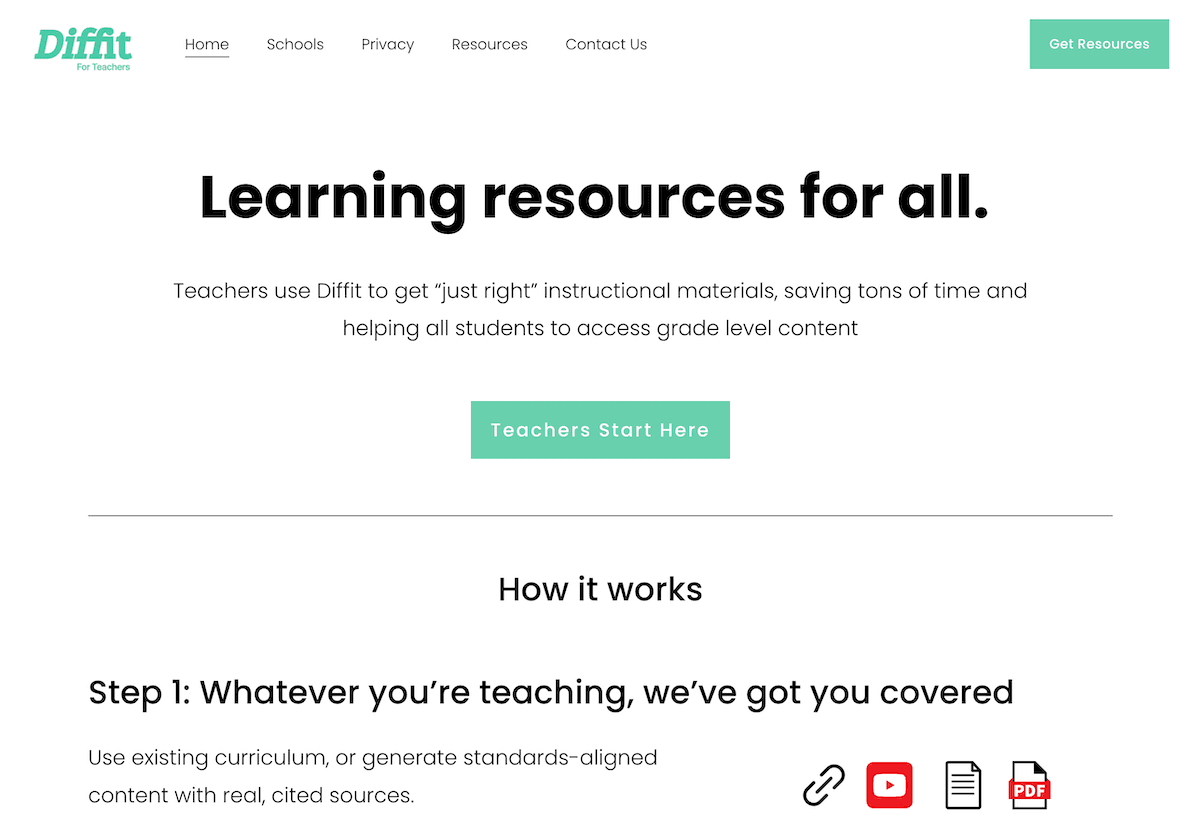
, I was always the bottleneck—scrambling to adapt a surprise article or reading on the spot. With Diffit, anything students brought in could be scaffolded—vocab, comprehension checks, and three reading levels instantly. If groups found material in other languages (or home dialects!), Diffit made it accessible to everyone. This leveled the playing field—and meant student choice never got derailed by reading variation. Bonus: groups learned to adapt their own resources for each other, making differentiation a shared responsibility.
6. Suno AI: Rituals & Culture, Handed to Students
Unit-long agency is about more than projects—it’s about culture. I let project teams (or even individuals) script prompts for Suno AI anthems every week: “Song for our mid-unit panic,” “Ode to the moment our prototype failed,” “Rebellion Day March.” Suno churned out original, instantly-playable tracks—sometimes just for laughs, sometimes for real SEL transition, sometimes as theme music for a public sharing day. The key: students chose what to ritualize, and music became the memory marker of our agency journey. You know it’s working when your class asks to play the “we argued for two days and it paid off” anthem before presentations each spring.
Try Suno AI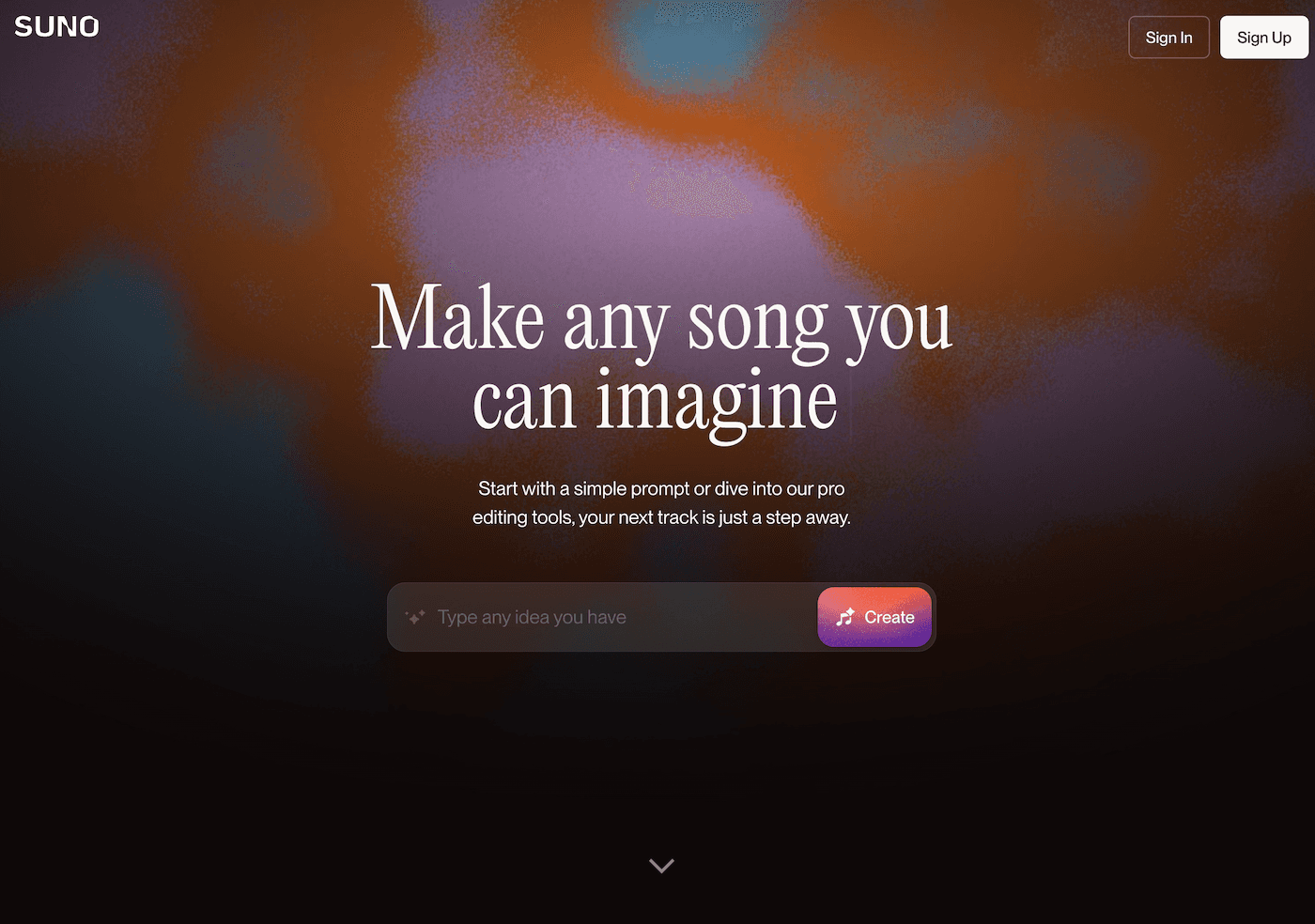
A Teacher’s Survival Tips for Student-Led Chaos
- Make your maps flexible: Kuraplan, Gamma, and Notebook LM work best as living artifacts, edited by students, not just filled out once.
- Archive everything. Use Notebook LM, Gamma, and Jungle to capture all the process—students (and YOU) will thank yourself next time you want to launch another open-ended unit.
- Give students tools for real talk. Let them set review priorities (Jungle), adapt resources (Diffit), and create rituals (Suno) that actually match what they built.
- Embrace not knowing where you’re going next. Student-led is glorious but scary; the right AI tools make the mess something to share, not survive.
If you’ve got workflow hacks, favorite AI hacks, or student-led unit survival stories, drop them in the comments. The best teaching moments aren’t planned. They’re co-created—and, with the right tech, remembered for years.