6 AI Tools for Teachers Who Love Student Questions
You know the teacher—a little too excited when a lesson derails, secretly hoping today's "why" or "what if...?" will take the room somewhere the syllabus never imagined. I’m that teacher. If you're the one who brings up "extra credit research" in staff meetings, lets a TikTok trend become an impromptu seminar, or just can’t bear to answer "when are we ever going to use this?" with a worksheet—you aren’t alone.
This year, I made it my mission to build a classroom around student questions, not just answers. That meant finding tools that didn’t just automate grading or generate new practice, but let genuine curiosity run wild (without making me lose control or my weekends). The list below is my answer—each tool is workflow-tested, teacher-hacked, and ideal for those who see student questions as the starting point, not the detour. Kuraplan is in here—because you need a roadmap for all these zigzags—but it’s not the hero, just part of the chorus.
1. Notebook LM — Crowdsourcing Class Curiosity
How do you keep every "what if," "how come," and "wait, does that mean..." from disappearing? Notebook LM became our question vault: every brainstorm, ticket-out slip, and late-night student DM lands in a shared notebook. The AI connects recurring threads ("we're obsessed with food chains AGAIN"), spots big ideas across weeks, and drafts Q&A script templates for student roundtables or “AMA” day. By Friday, we always have five burning questions ready for deeper inquiry—handpicked and organized by the class, not me. The best part? Those persistent wonders feed the next cycle's projects.
Try Notebook LM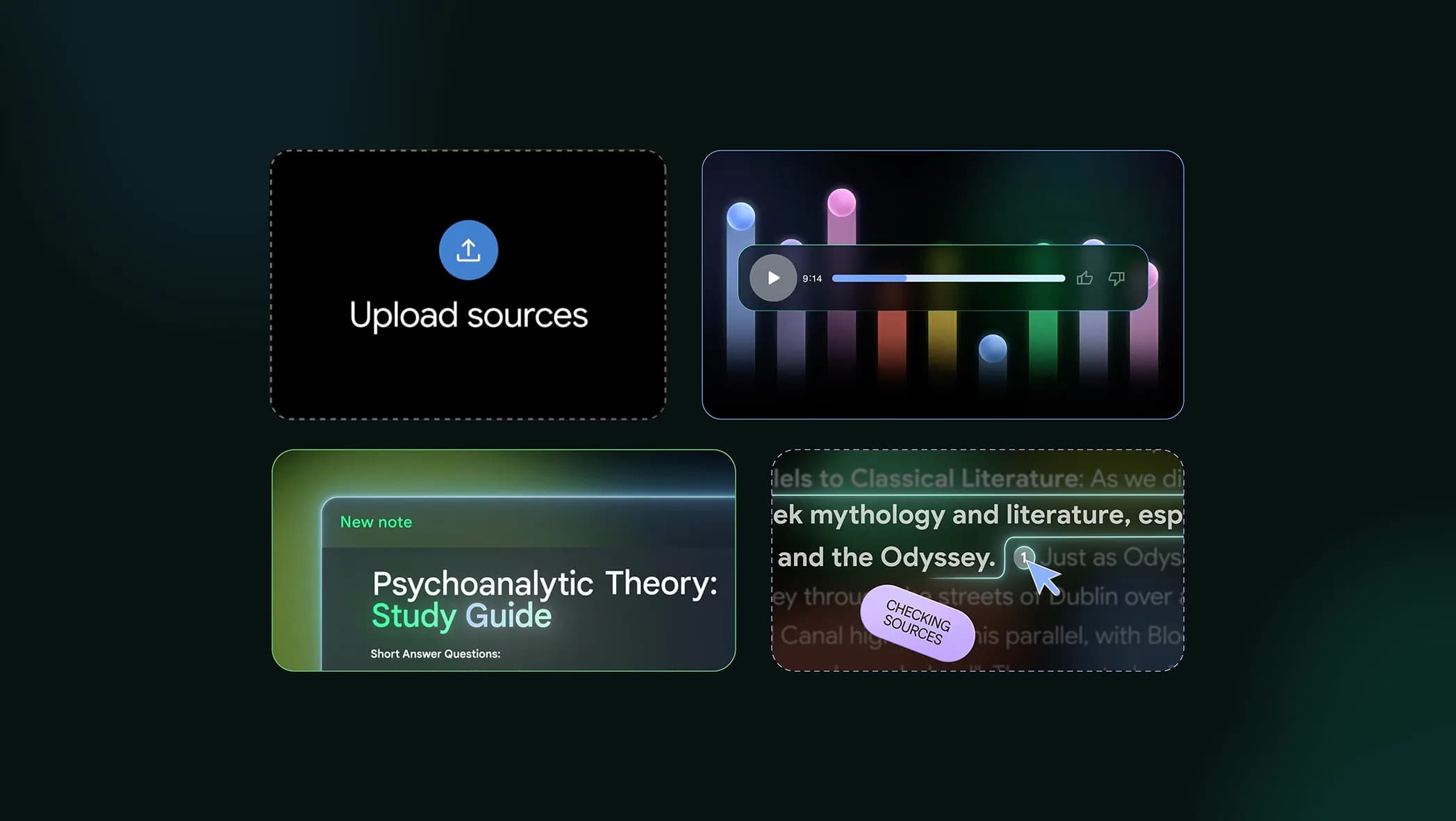
2. Kuraplan — Roadmap for the Tangent-Prone
My worst habit: saying yes to 90 student-proposed side quests, then losing the main thread. Kuraplan keeps me sane: after each launch, we add the class's QUESTIONS as checkpoints in the plan. Every time a “can we...?” moment arrives, Kuraplan lets us drag, drop, and (if needed) calendar those deep dives—without losing sight of standards or the due dates for required work. Projecting the evolving plan each week means students see their questions shape the sequence—and I’m never scrambling to justify a sudden topic jump to admin. Bonus: kids learn to pitch and prioritize their curiosities.
Try Kuraplan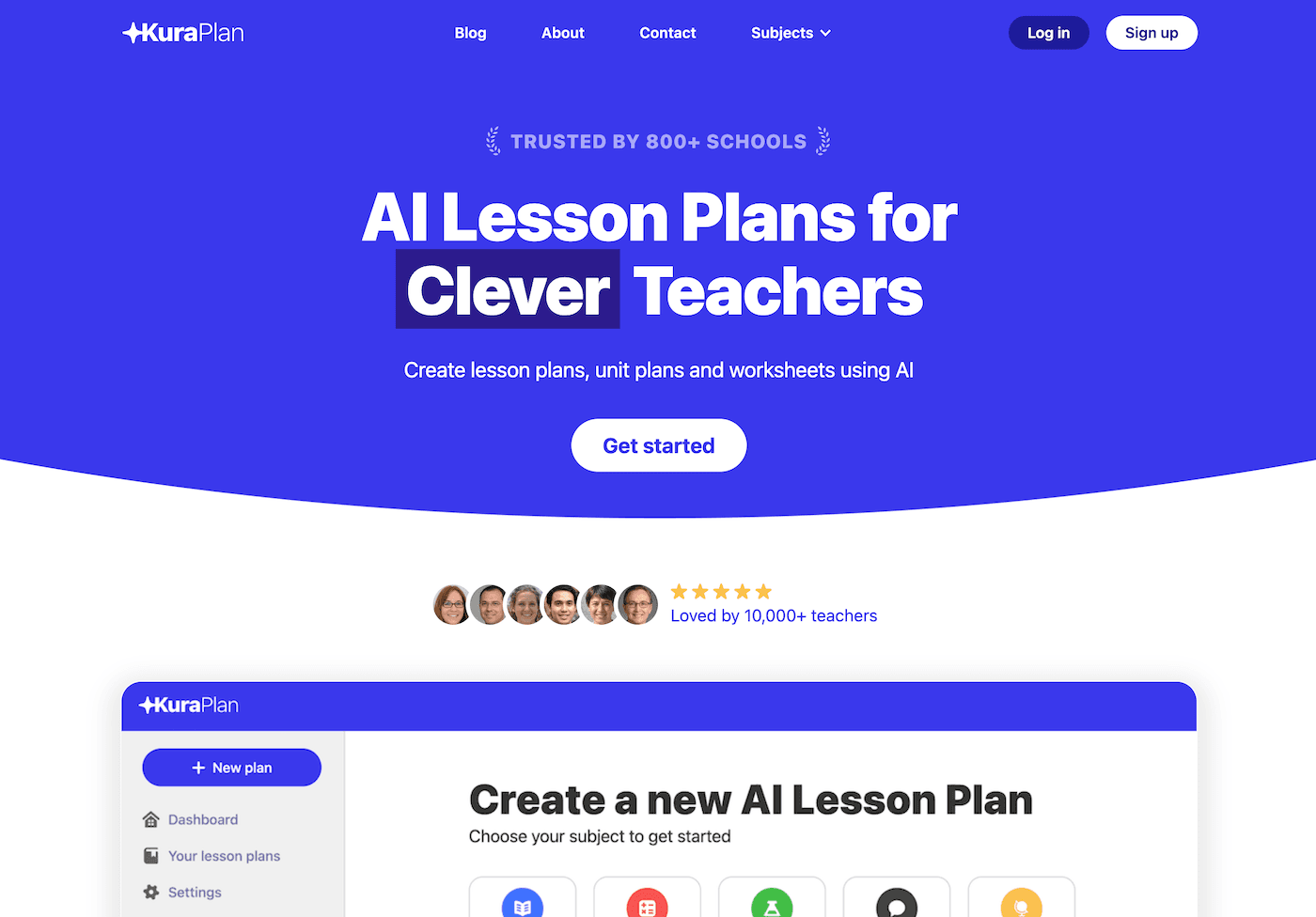
3. Gamma — Visualizing Your Student-Led Syllabus
Student questions are the best planning tool—if you can show the class (and families) how those questions shaped each unit. Gamma made this process magical. Each week, my students upload group debate maps, sticky note brainstorms, and the wildest "can't-sleep-until" prompts. Gamma's AI turns our evolving web into an interactive visual timeline, tracking how a joke became an experiment or how a "random" science news share led to a cross-curricular project. By showcase night, everyone can see the path of inquiry. This is my favorite hack for flipping the script: the best units now trace back to student curiosity, not my old slideshows.
Try Gamma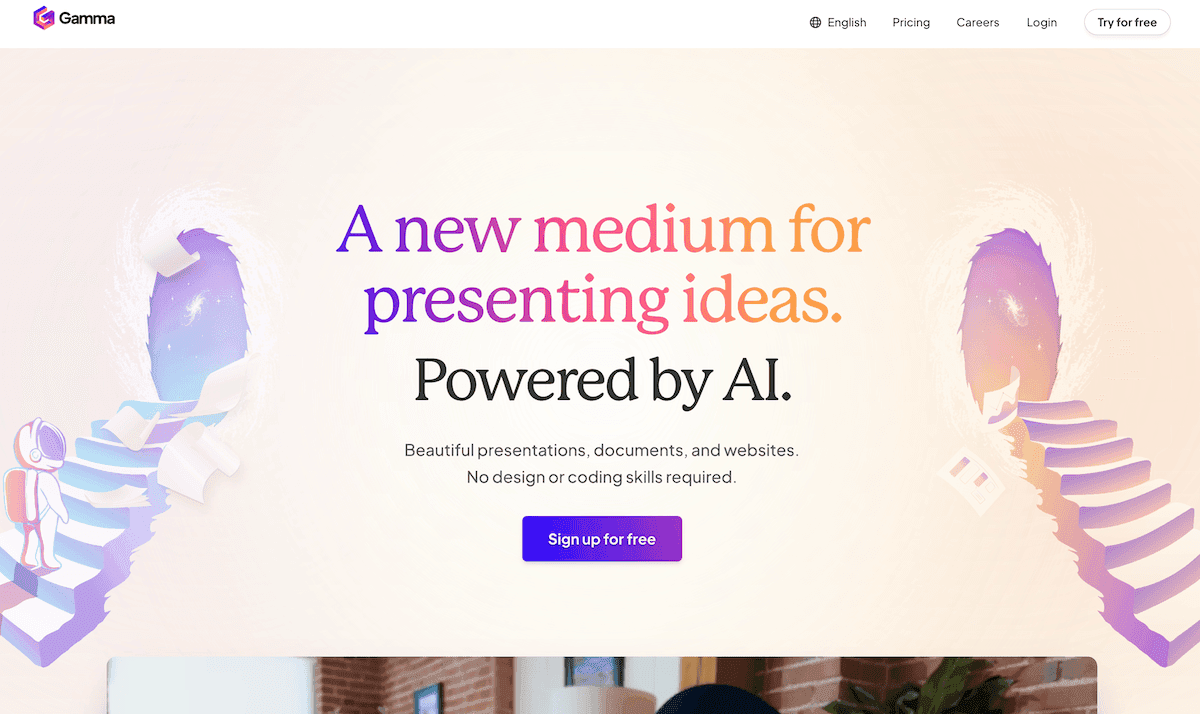
4. Diffit — Adapting Resources on Demand (Driven by Questions)
Inquiry means everyone’s googling at once. The minute a group shouts—“can we read this article?”—half the time, it’s three grades too high (or it’s in Chinese). Diffit changed my answer from “maybe next week” to “let’s try it now.” I paste any resource—student found, TikTok transcript, old family recipe, breaking news—into Diffit and get instant reading packs at multiple levels with vocab, comprehension checks, and "research tie-in" prompts. Now the class’s weekly question board IS the sourcing list—and nobody gets left out.
Try Diffit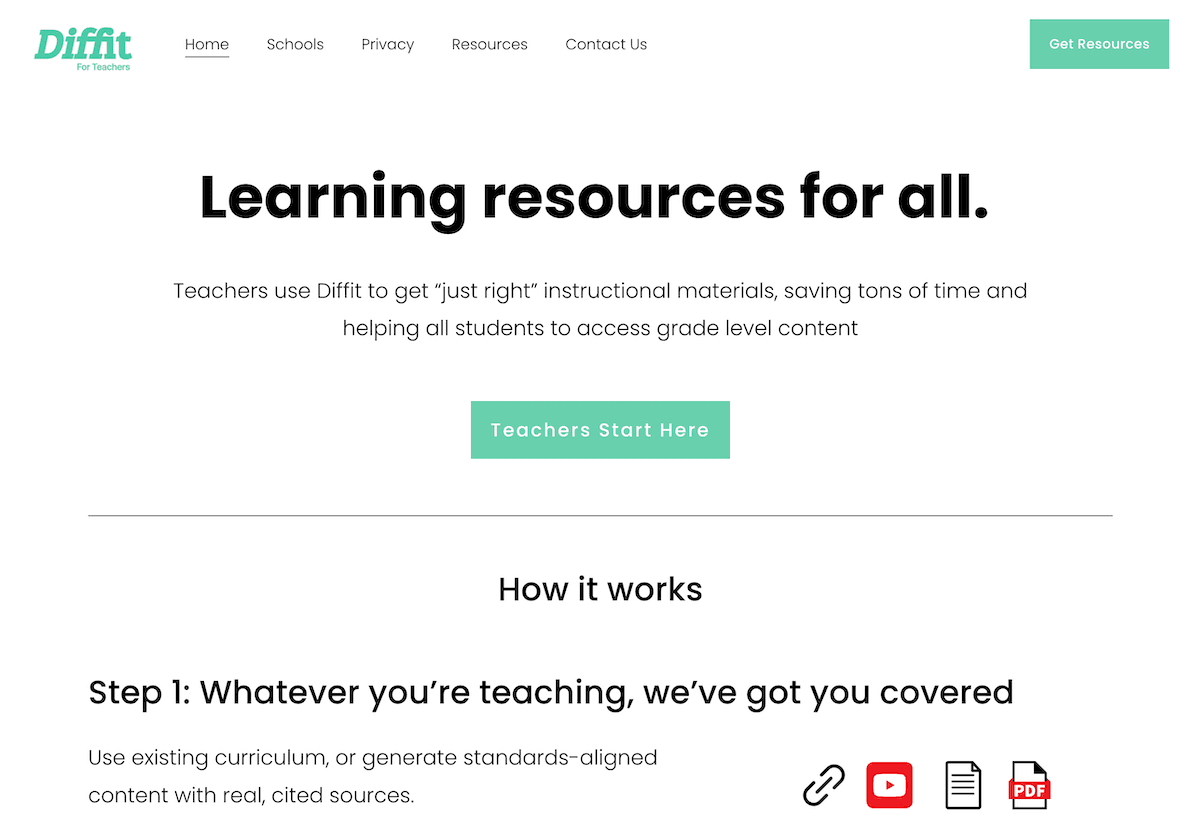
5. Jungle — Student-Generated Check-Ins as Learning Launchpads
Most review games check what I taught—I wanted to check what they’re still asking. Jungle’s my secret: after every brainstorm, each group submits a card with "next question to chase," "biggest misconception," or "most likely to stump your parents." Jungle’s AI forges collaborative decks from these—perfect for hot-seat games, Socratic starts, or instant research tasks. Instead of quizzing students on recall, our game is: Who can build the best question for someone new to the topic? The weekly ritual: find a question, chase an answer—then build the next one together.
Try Jungle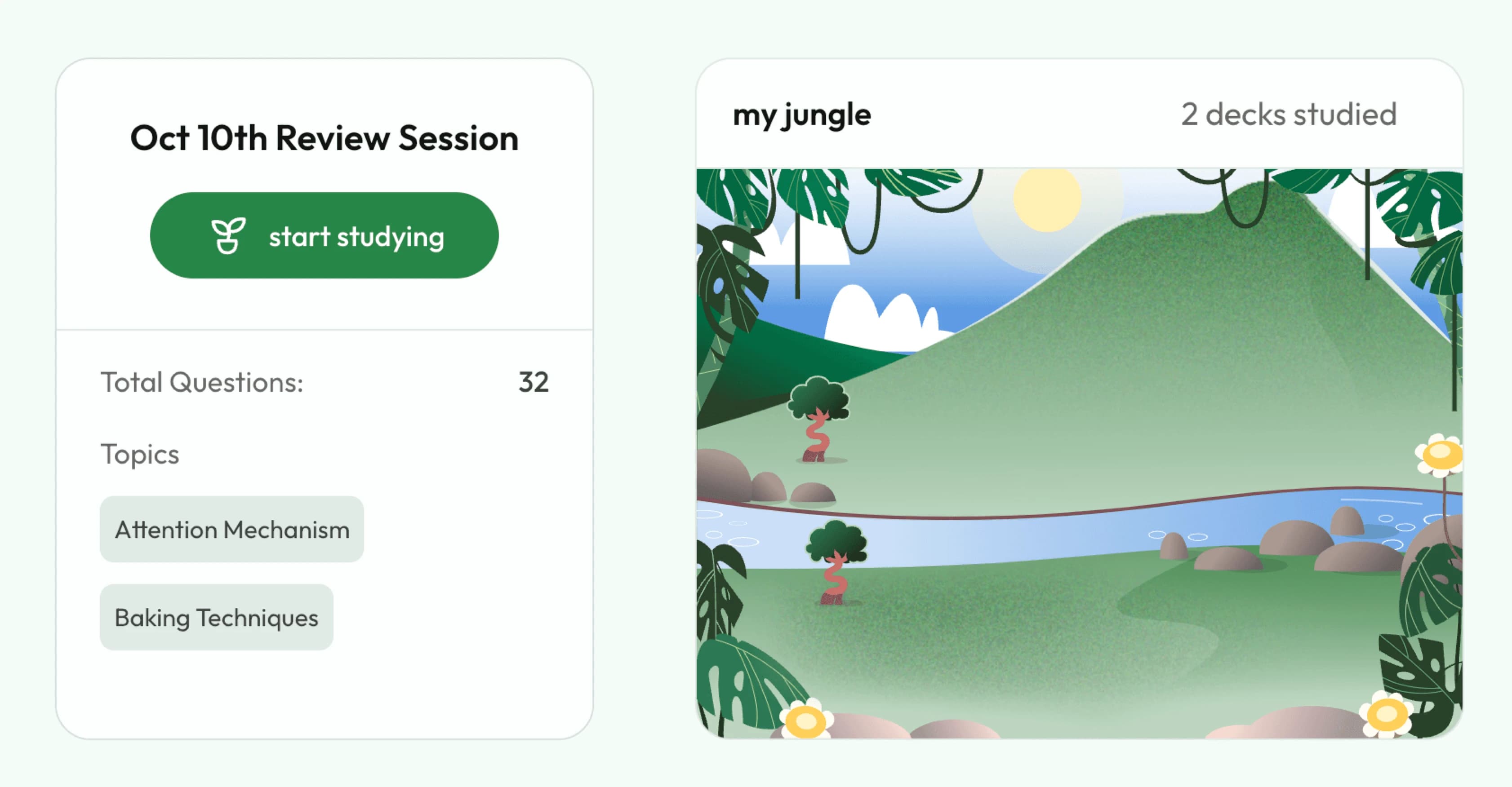
6. Suno AI — Soundtracking Curiosity & Discovery
Classroom inquiry is a rollercoaster—a-ha days, dead ends, and group “how did we get here?” detours. Suno AI rituals tie it all together: every time we solve a tough question or hit a roadblock, students co-author a Suno prompt (“Anthem for questions we finally cracked,” “Brain anthem for the week no one could predict,” or “Song for our next adventure”). Suno serves up a custom anthem or walk-on track for the next brainstorm session. The playlist is more than fun—it's a reflective anchor, a group identity, and a proud echo of how much student voice drives the journey.
Try Suno AI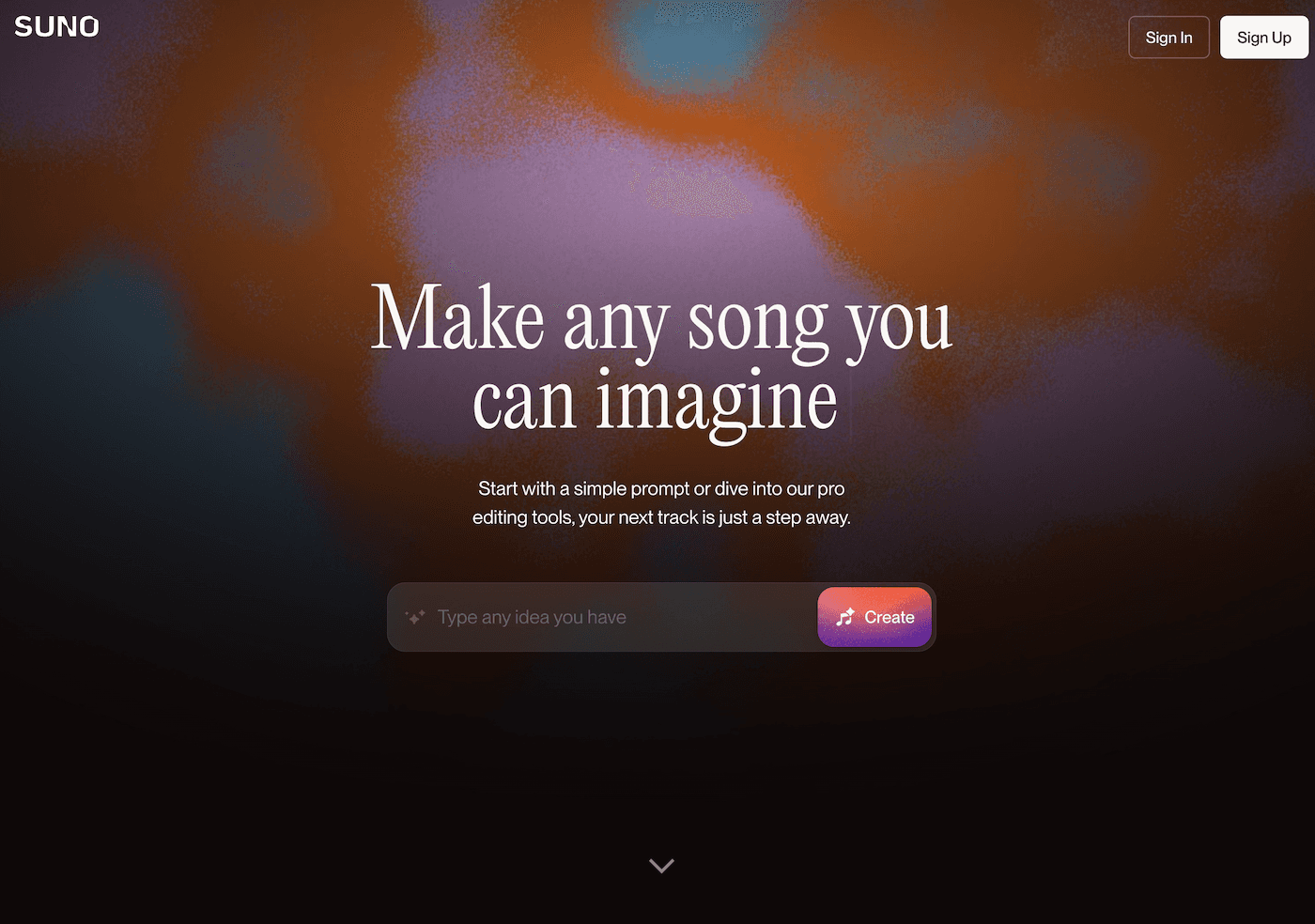
Real Advice for the Curiosity-Driven Teacher
- Archive everything: every brainstorm, exit slip, or group Q&A is tomorrow’s project gold. Use Notebook LM and Gamma to surface the best questions again and again.
- Involve students in prioritizing and tracking their own questions—Kuraplan’s visible backbone and Jungle’s rapid-fire games turn curiosity into commitment.
- Make accessible resources a guarantee, not a bottleneck—Diffit means you can say YES to any topic, any time.
- Cultivate rituals of questioning—Suno’s class soundtracks make inquiry feel like a tradition, not a detour.
If you center your class on what students wonder—not just what the test wants to measure—share your favorite workflow or question-capture hack below. The future belongs to the curious, and teachers willing to build a curriculum on inquiry will always be in style.