6 Game-Changing AI Tools for Teachers Who Love Student Research
I’ll admit it: my classroom comes alive not during test review weeks, but when students go hunting for answers nobody (including me) has yet. If you’ve ever scrapped the worksheet in favor of an inquiry jigsaw, long-form investigation, or group documentary on a weird local mystery, you also know the pain: organizing sources, tracking everyone’s messy notes, and helping every kid—not just your biggest talkers—find their voice as a researcher.
This year, I ditched the research packet in favor of real-world, student-driven learning—but needed serious workflow help to pull it off. The AI tools below became the backbone of my most ambitious units: reducing chaos, making research accessible for all, and keeping student curiosity burning.
If you believe the best teaching happens when students lead the discovery, these are the tools (and honest workflows) that can help you say “yes” to even more ambitious (and organized) research.
1. Notebook LM — The All-in-One Student Research Portfolio
When your class is hacking away at research (whether it’s the Harlem Renaissance, vaccine debates, or the science behind urban tree cover), nothing beats a shared hub for brainstorming, source notes, and ongoing synthesis. I had groups set up a Notebook LM for every major inquiry unit: students tossed in article highlights, screenshots of primary sources, audio reflections, and interview transcripts. Best part? The AI flagged common threads, generated suggested next questions, and (my favorite) outlined weekly Q&A podcast recaps to document each team’s journey.
When students hit dead ends or new groups joined mid-project, Notebook LM was a time machine—everyone could see the class’ intellectual history unfold. Reflection was never lost in the shuffle (or my inbox).
Try Notebook LM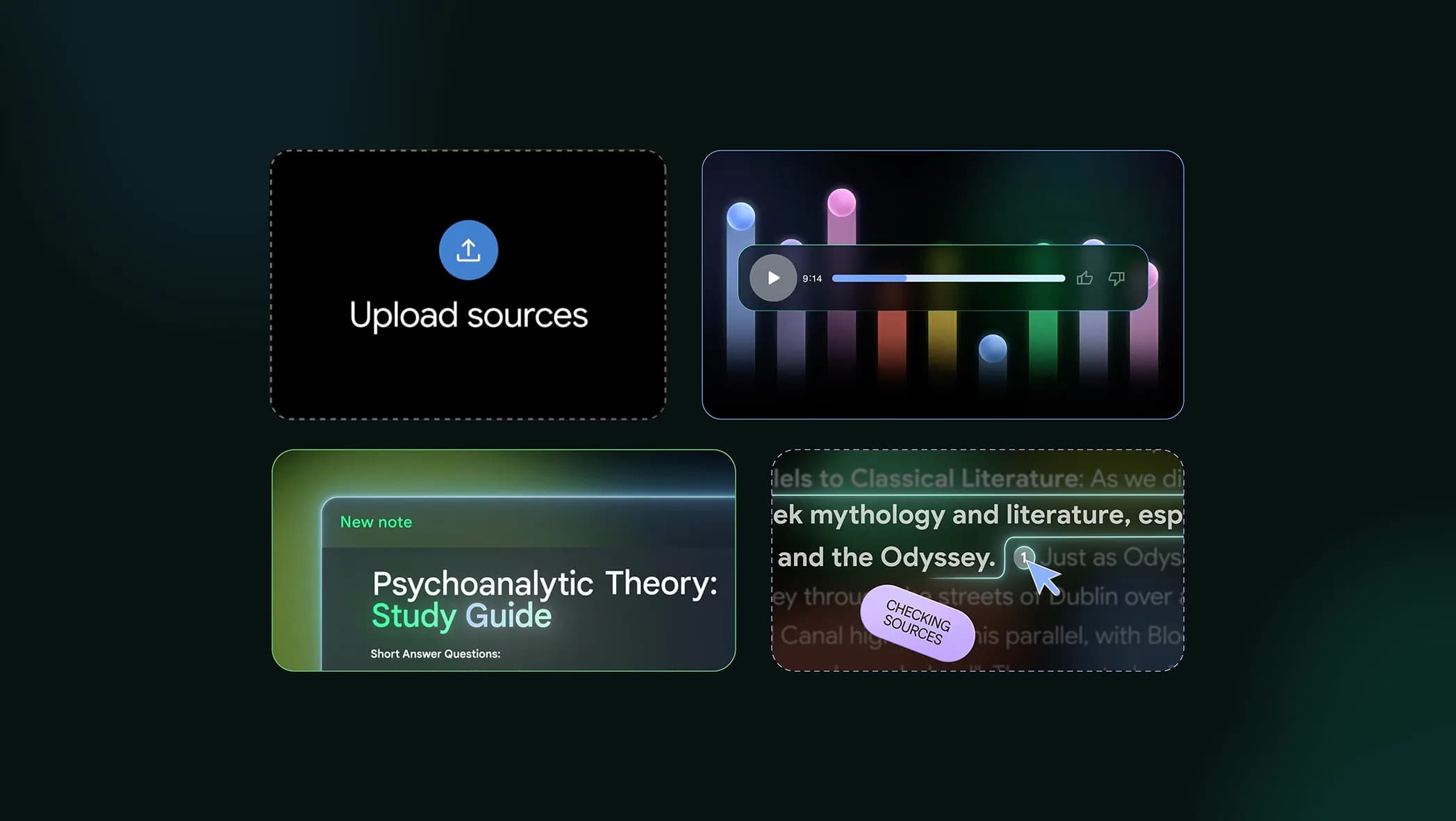
2. Kuraplan — Building (and Tweaking) the Research Roadmap
I’ve always hated locking inquiry into a rigid sequence. With Kuraplan, I flipped the script: I’d launch every long-term project with a must-cover timeline (due dates, draft milestones, peer feedback), then build in open "flex blocks" for team-proposed pivots, last-minute extensions, or local expert visits. The trick?
Groups co-edited the Kuraplan plan on the projector every week—moving deadlines, adding new checkpoints after interviews, or voting to swap a report for a panel discussion. My role shifted from “deadline police” to research coach.
Now, student agency was visible and the plan was admin-ready whenever anyone asked: “How do you keep this organized?”
Try Kuraplan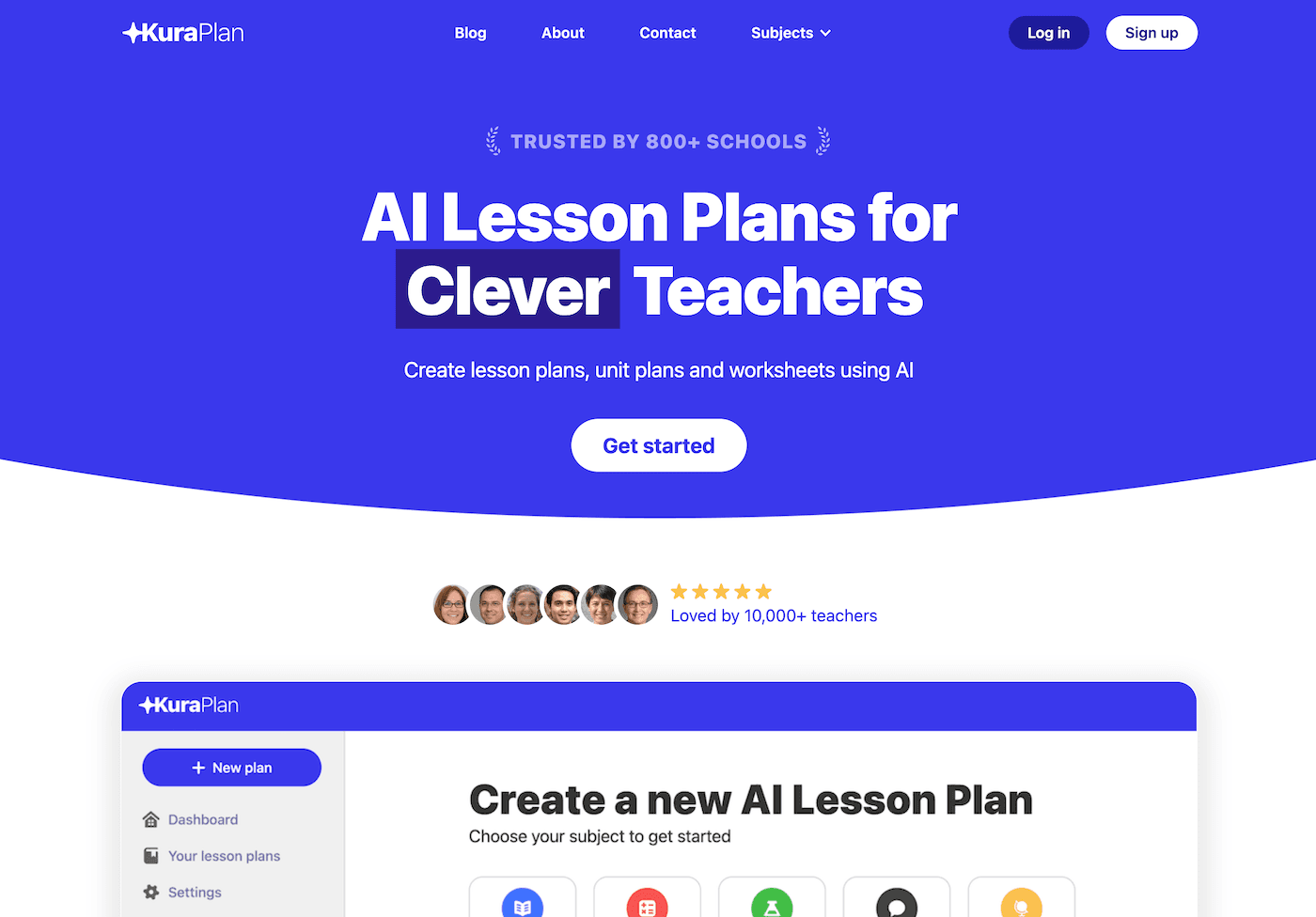
3. Diffit — Instantly Leveling Anything Students Want to Research
In my class, kids research everything: trending science news, global conflicts, spoken word lyrics, and Wikipedia wormholes. Trouble is, half those sources are at the wrong reading level or inaccessible for ELLs and newcomers.
My workflow: when a group chose a source (YouTube transcript, student grandparent’s memoir, Spanish-language news), I’d Diffit-ify it, generating multiple accessible versions, vocab lists, and open-ended prompts. Students started bringing in new sources every week, knowing everyone could join the dig—even the quirky ones never designed for "school" use.
The real gift? Every student can be the group expert—not just the speed-readers.
Try Diffit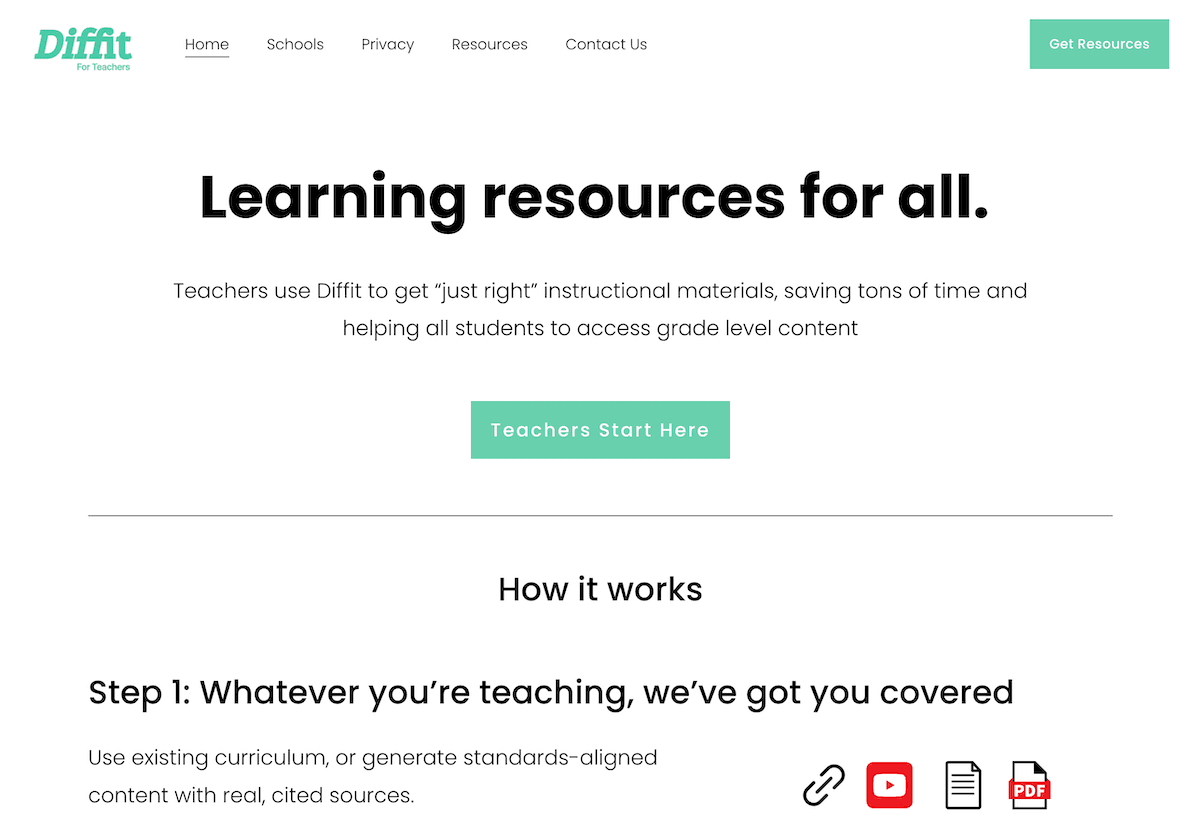
4. Gamma — Making the Mess of Research Visual (and Shareable)
Every project-based classroom ends up with a wall of sticky notes, half-baked slides, and group brainstorms the administration can’t decipher. With Gamma, we transformed our research chaos into shareable, living timelines.
Every team uploaded progress photos, annotated links, ongoing questions, and timeline edits; Gamma’s AI wove them into interactive galleries where kids tracked evidence, flagged detours (“here’s when we added interviews!”), and projected for peer review. For student panels and exhibition nights, these visual maps became evidence—not just for products, but for all the thoughtful mistakes and pivots that made the research real. Bonus: When teams got lost, reviewing the Gamma timeline always helped them find their way back.
Try Gamma
5. Jungle — Peer-Generated Review Games (Built from Research Stumbles!)
Inquiry isn’t about cramming facts—it’s about untangling confusion, testing claims, and reflecting on what didn’t make sense yet. Jungle was our class ritual for collaborative metacognition.
After every major checkpoint—source analysis, annotated bibliography, group debate—students submitted cards for “What was hardest to research?”, “The surprise that changed our thesis,” and “The error that tripped us up.” Jungle’s AI built decks for trivia, team review, or hot-seat interview rounds. Instead of the usual, teacher-approved quizzes, review was about their journey: making frustration and surprise a source of learning.
The result? My students actually begged for review games—and each group’s deck became a time capsule of discovery.
Try Jungle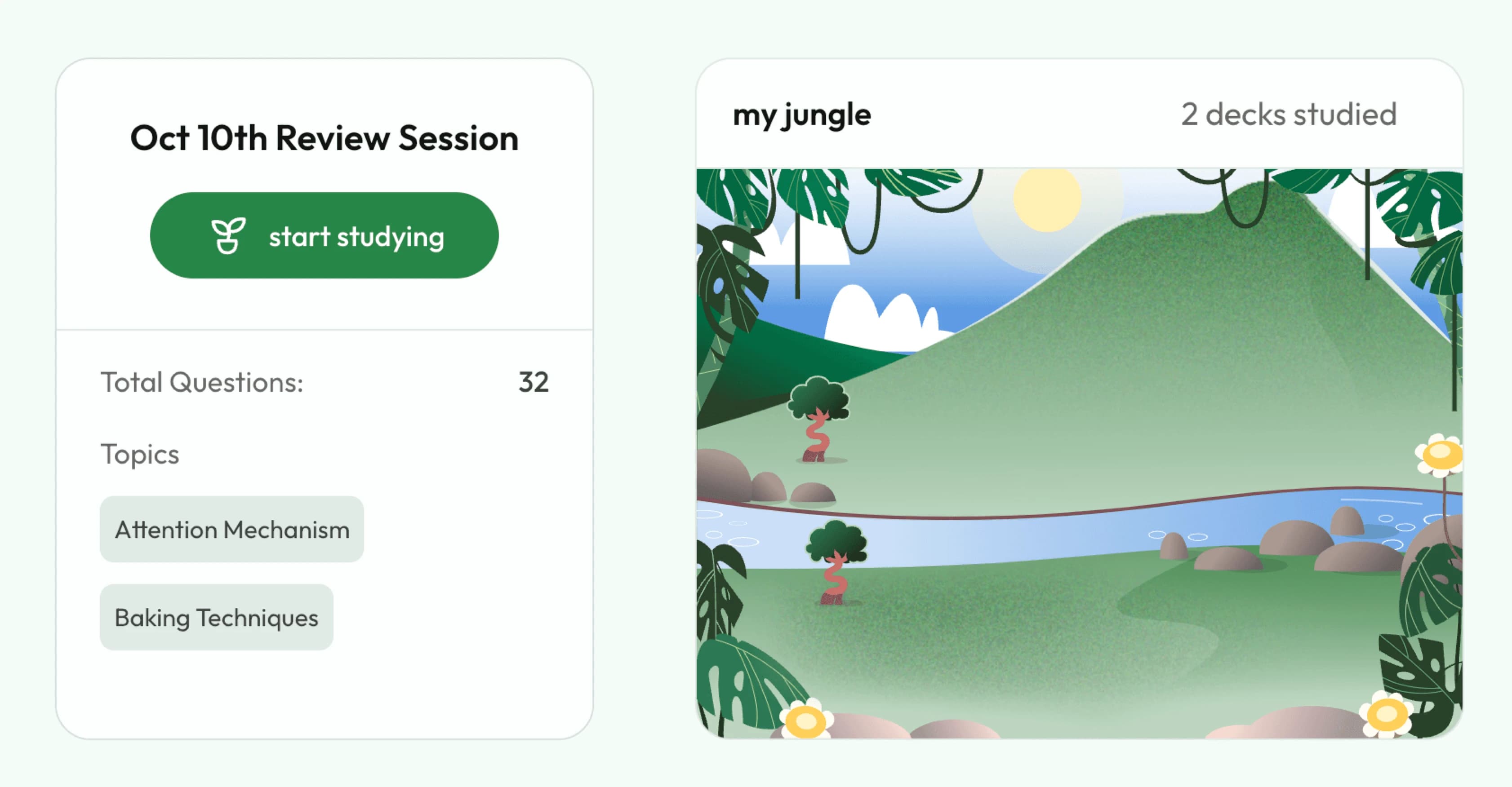
6. Suno AI — Rituals for Dedicating Project Milestones
Research can be grinding—especially across a messy, student-led quarter. That’s when Suno AI became my unexpected cheerleader.
At every milestone ("Everyone survived annotated bib week!", "Chant for research day snow delay", “Ode to the group that found the missing link”), students proposed a Suno anthem prompt. The AI generated quick, original tracks for class closure, panel warm-ups, or group celebration videos. When admin asked what kept us going, I sent the latest playlist: proof that every phase of research had become a cultural anchor, not just a task checklist.
If you want to build memory—and motivation—into every student-led journey, don’t skip the ritual.
Try Suno AI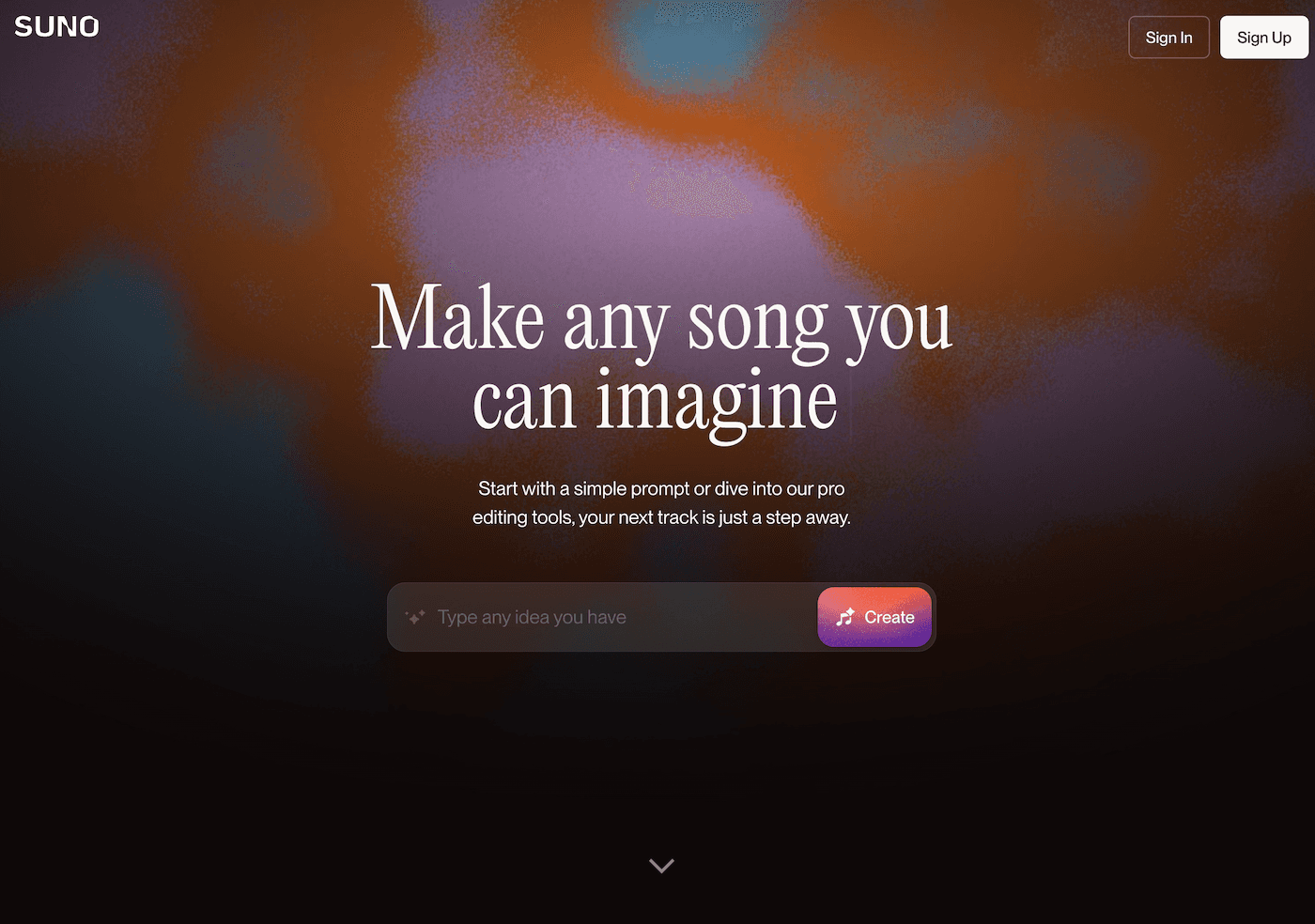
Final Advice for Relentlessly Curious Teachers
- Archive as you go: Notebook LM and Gamma are your new best friends for making inquiry visible, not disposable.
- Make your research roadmap mutual and editable: Kuraplan isn’t a script—it’s the start of student ownership.
- Scaffold resource access: Diffit lets every student “go deep,” not just go fast.
- Turn confusion into opportunity: Jungle games make missteps and surprises part of the collective wisdom—not a reason for shame.
- Celebrate the ride: Suno rituals make learning sticky, boost pride, and remind you—and your students—that discovery is worth the work.
Got your own hack for running wild research projects (without going crazy)? Drop your favorite tool, ritual, or survival tip below. In classrooms where students lead, the right AI stack makes even the messiest journey a launchpad—not a liability.