7 AI Tools for Teachers Who Want More Student Voice
When I started teaching (for me, it was middle school ELA—with a detour in social studies), I was relentless about getting students to shape the course. But between standardized testing pressure, pacing guides, and (let’s be real) my own drive to control outcomes, student voice sometimes got lost. This year, after a soul-searching PD about "authentic agency," I made myself a deal: if an AI tool didn't make it easier for students themselves to drive the work—ask better questions, create, or reflect with more honesty—I’d quit using it.
To my surprise, it wasn’t the “buzzy” apps or flashy chatbots that delivered, but a handful of creative tools that let kids step into the driver’s seat. Below are the ones I’ve come to rely on—not to automate my job, but to make real student voice a centerpiece of the classroom again. (And yes, Kuraplan is in here—but not where you’d expect.)
1. People AI for Student-Led Interviews (and Real Curiosity)
Every class has at least one questioner—the kid who wants to know what everyone else thinks. People AI has become my go-to for letting students "interview" real and fictional figures. The twist: I have them design the questions as homework or in small groups (for history, literature, or even science), then run the live interview themselves. The conversations we’ve had with Malala, Nikola Tesla, and even Odysseus (!) went places I never could’ve predicted. The student ownership—both in scripting and in follow-up discussion—changed my class dynamic this year, making it instantly more student-centered.
Try People AI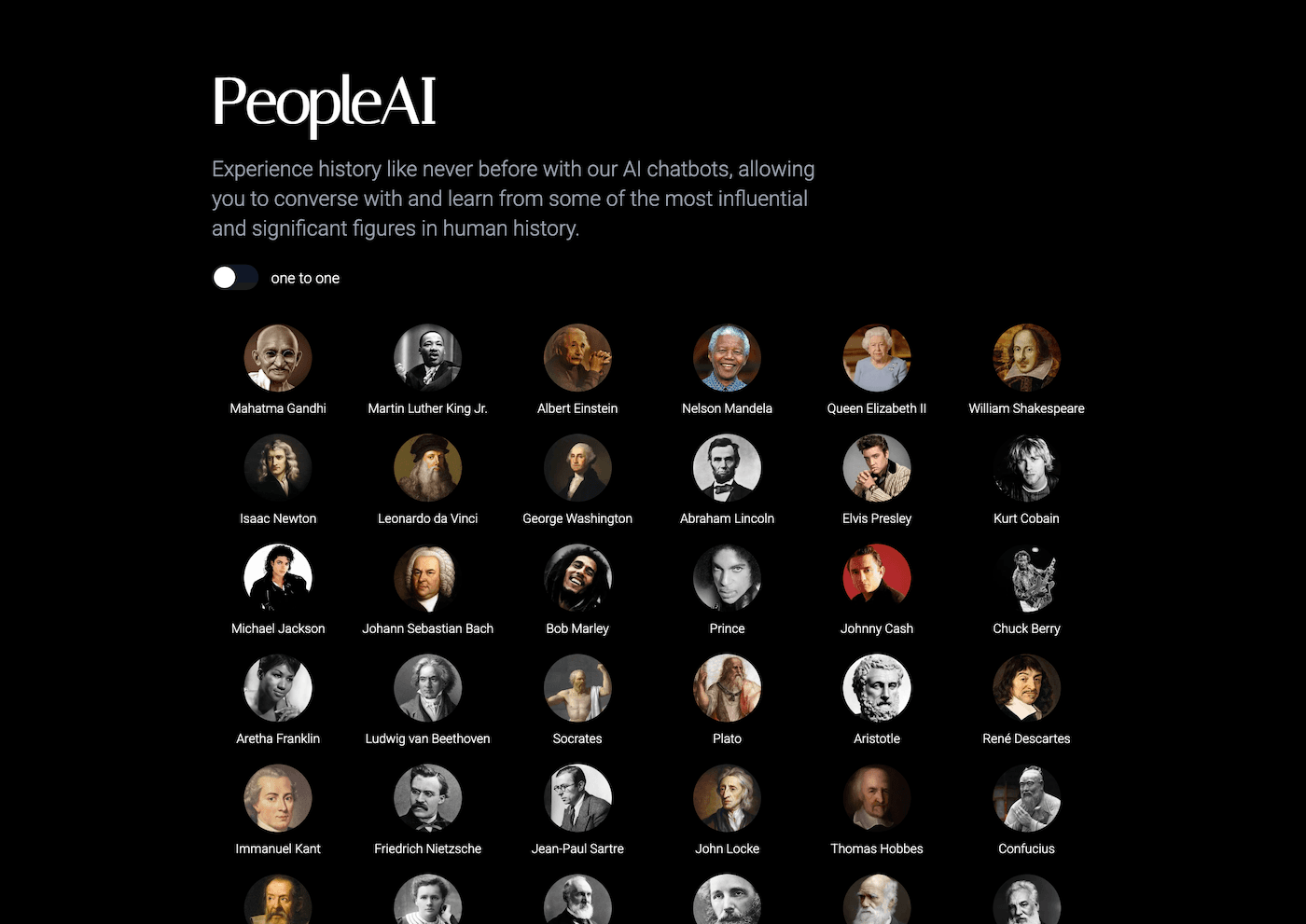
2. Jungle for Student-Generated Flashcard Decks & Quizzes
I used to spend hours making vocab lists and review games… then started letting my students use Jungle after every major unit. The catch? They make the flashcards—on misconceptions, best questions, even what’s "still confusing." Watching students curate and explain the deck deepened the learning more than any worksheet ever could. Better still: they challenged classmates to games with their decks, swapping authors and seeing who could stump who. For the first time, review days are genuinely collaborative.
Try Jungle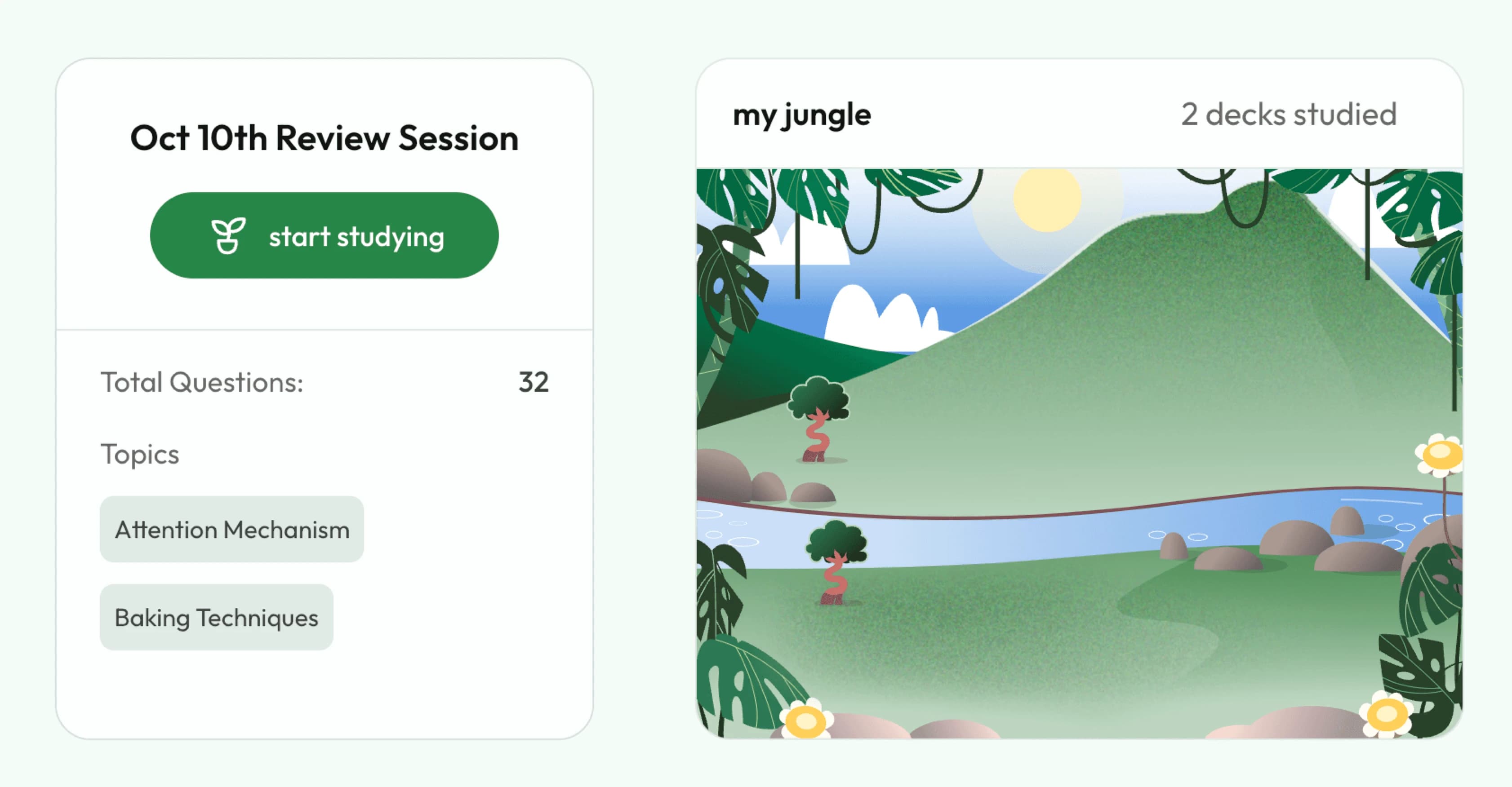
3. Kuraplan: Letting Students Co-Plan Projects (Seriously)
I know, everyone uses Kuraplan to speed up teacher planning. But this year, I tried something new: I took our top student-generated project ideas (“Can we do a debate about AI in sports?” “Can we build a museum of our neighborhood history?”) and entered those prompts into Kuraplan with the class watching. We used the lesson skeletons and scaffolds it generated as drafts—which my students immediately ripped apart, remixed, and rebuilt. The class got structured options to choose from, and I got buy-in that wouldn’t have happened otherwise. If you want real co-planning, this is the hack.
Try Kuraplan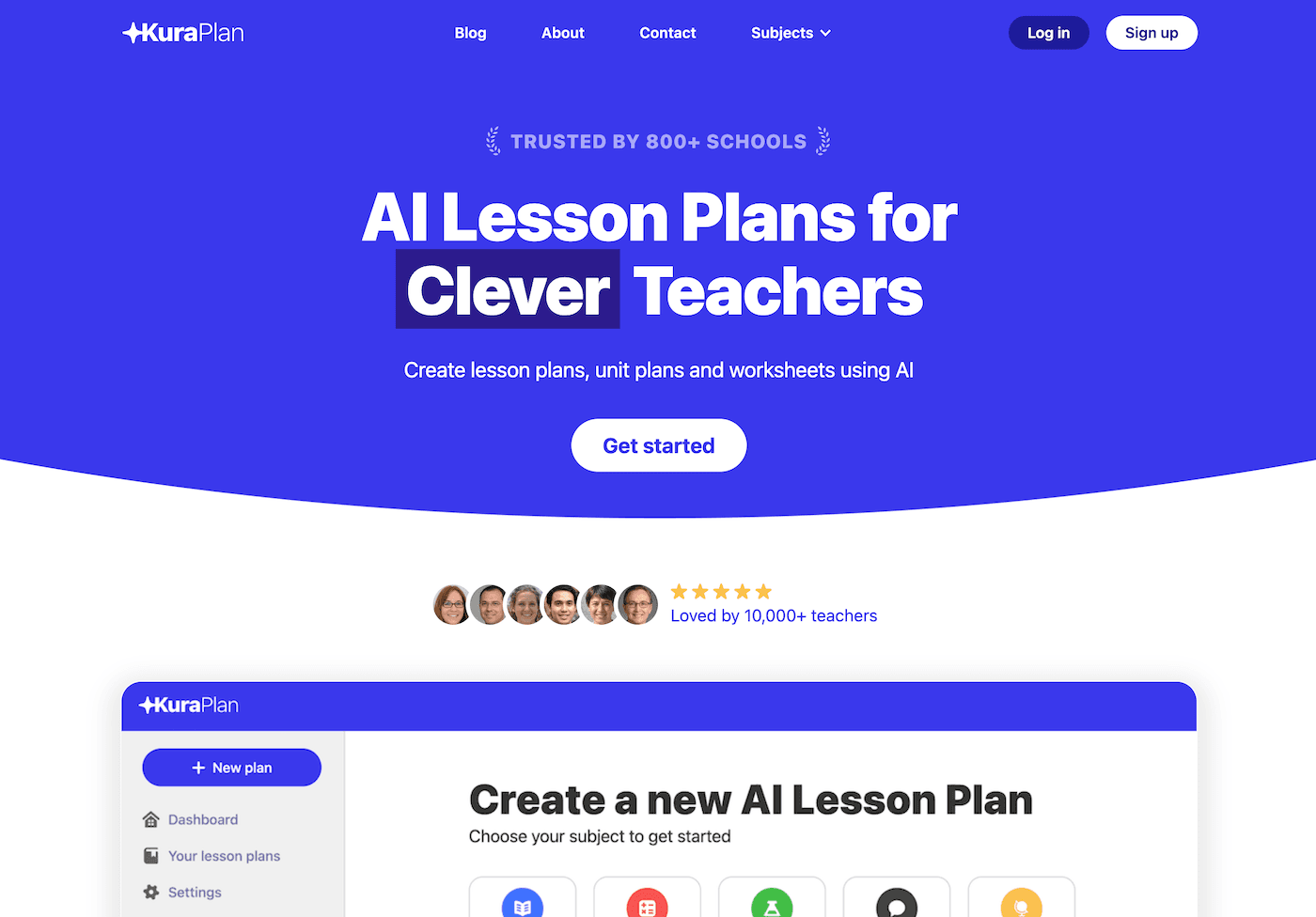
4. Gamma for Student Choice in Presentations
Instead of assigning one big slideshow, I now let project groups feed their main arguments, research notes, or creative writing into Gamma. The key: they experiment with colors, layouts, and emphasis—making decisions about what story they actually want to tell. This isn’t just “pretty slides;” it’s about kids deciding what matters to share and how to share it. The end result is a roomful of portfolios that actually look and sound different every time we do a project (and kids are way more invested).
Try Gamma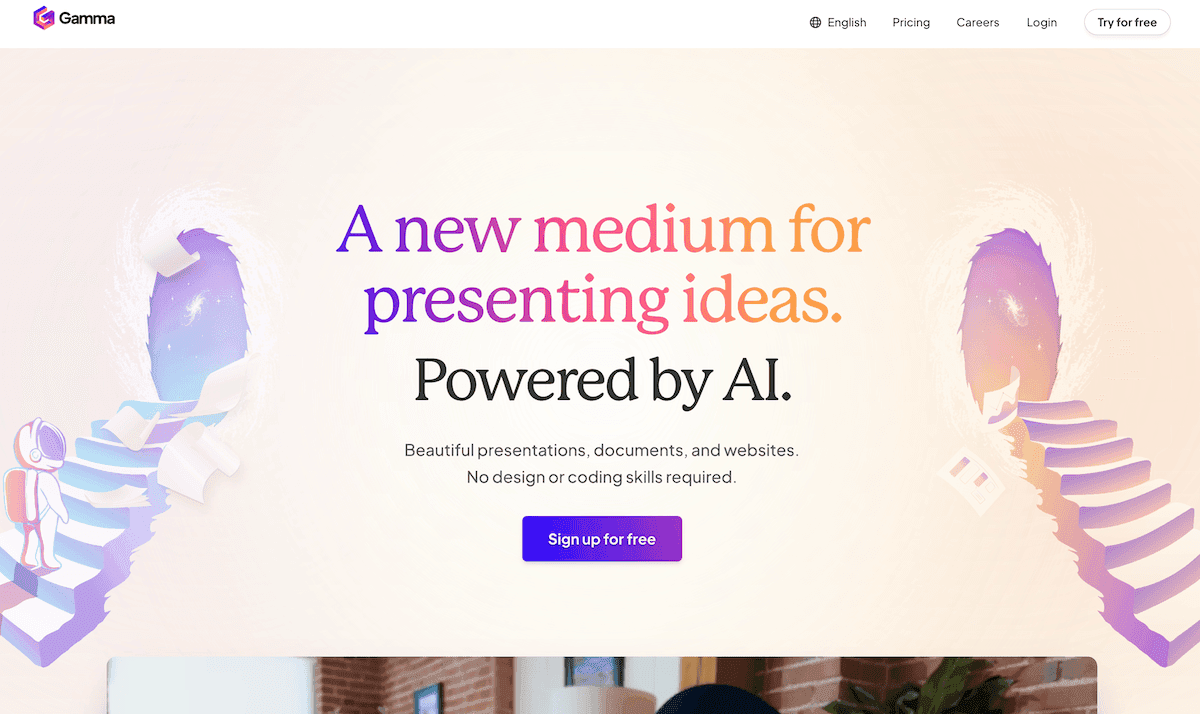
5. Fliki for Student Podcast & Video Productions (No Prior Experience Required)
Student voice used to die when the only publishing option was an essay or a dry presentation. Now I let students script a short reflection, discussion, or interview (sometimes as a group, sometimes solo) and drop it into Fliki. The AI then turns their ideas into a narrated podcast or mini-video—no special equipment, editing, or production skills required. I collect these as alternative assessments, featured "class radio" episodes, and even share especially insightful ones with families (with permission). It’s not about making everyone a YouTuber; it’s giving introverts, ELLs, and the quietly brilliant a broadcast platform, too.
Try Fliki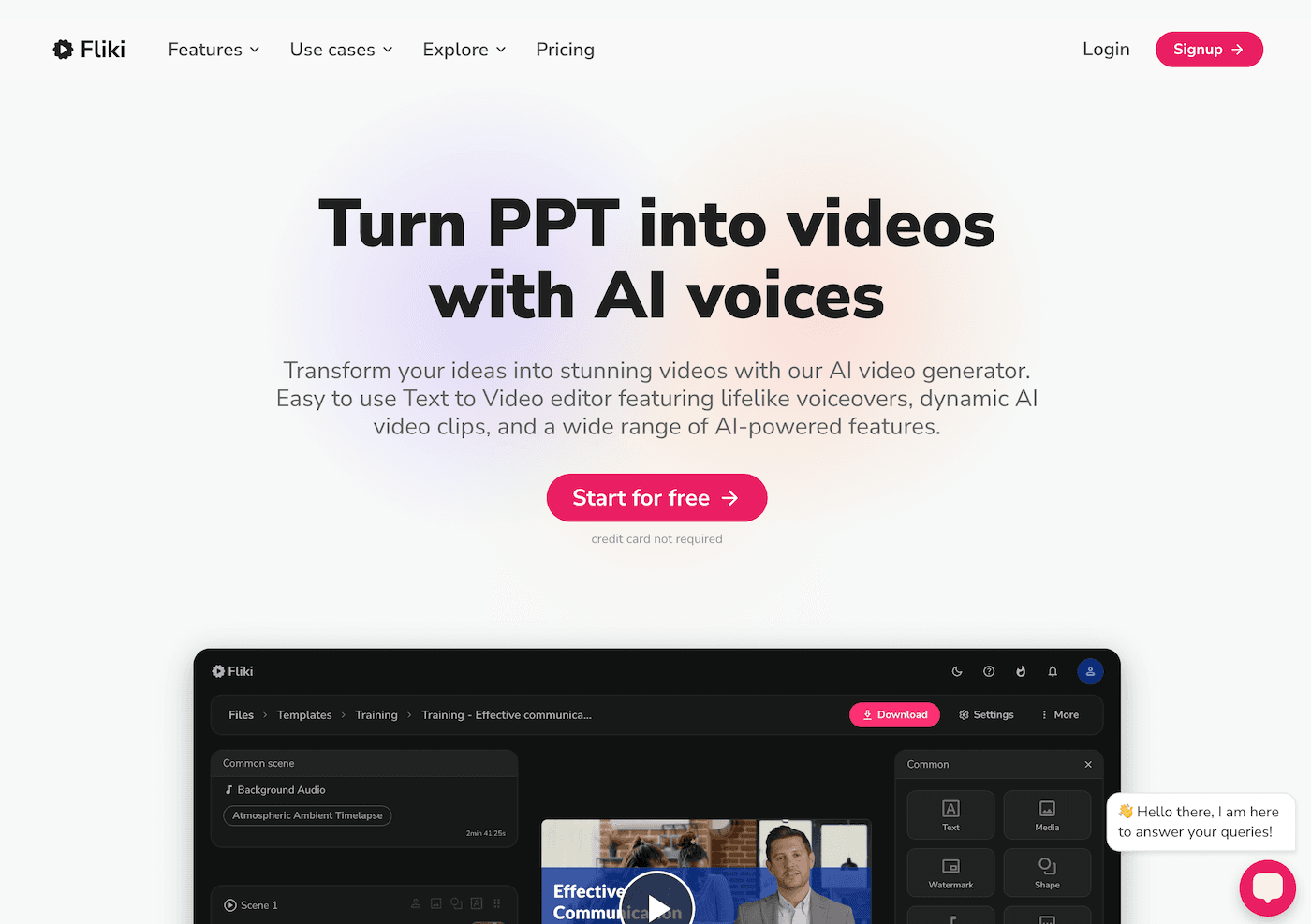
6. Conker for Student-Designed Peer Assessment
Peer feedback only feels like real voice when students set the terms. Here’s what worked for me: let students use Conker to create rubric points and feedback questions they care about (“Did your partner’s project make you think differently? What’s the most creative thing they tried?”). Now, peer review happens in student language, students expect (and get!) actionable suggestions, and the stress of “Will I sound mean?” fades fast. My revision days now belong to the students—less grading for me, more meaning for them.
Try Conker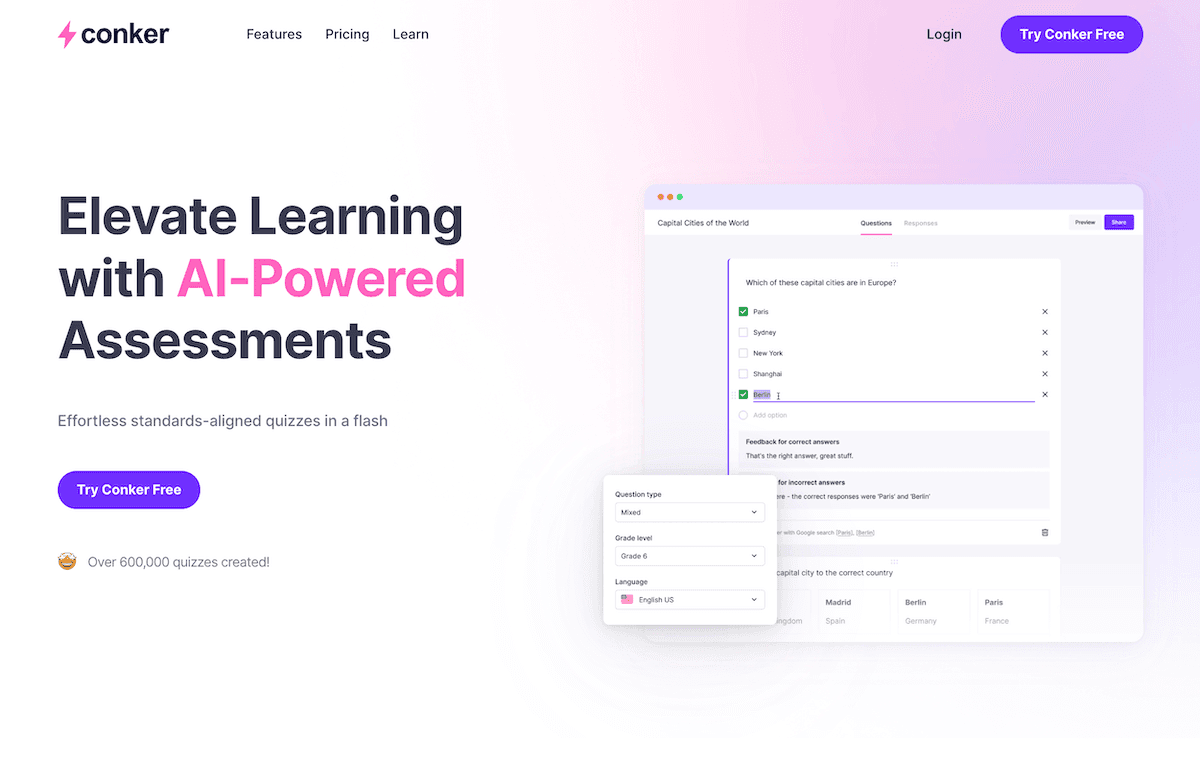
7. Suno AI for Student-Made Class Anthems & Rituals
Yes, Suno AI makes songs from prompts—but the fun was truly turning over opening routines, content hooks, and celebrations to students. Each month, I have a new group script a “class anthem” (content-based, behavior-based, or pure fun), then have the whole class vote on the lyrics, edit, and generate the final song. Student ownership goes through the roof, transitions are suddenly less chaotic, and even the quiet kids want to sing when they know it’s their voice that’s been turned into music. We even play the track at our end-of-term celebration—and it’s now my new class “time capsule.”
Try Suno AI
Real Advice for Teachers Trying AI for Student Voice
- Don’t over-script: Give students real choices about what they build with these tools (not just plug-and-play assignments).
- Use AI for scaffolding, not endings—students will always surprise you with their cut-up, remix, or clever hack.
- Share the "why": Let them know you’re experimenting with new ways to let them steer—reflect on what works (and doesn’t).
- Try one tool per unit, and let students reflect on how their voice shows up (you’ll get new insights every time).
The shift won’t happen overnight—but if you want a class that’s less “school as usual” and more discovery, these tools are the lever. Trust your students. Hand over the mic. Let AI do the grunt work, and make space for the voices that make every year (still) so worth it.
What’s your story? If you’ve tried an AI tool that actually put students in the spotlight, leave a comment below—I’d trade all my rubrics for new ideas that work in the wild.