6 AI Tools for Teachers Who Love Surprising Student Projects
Confession: My most memorable teaching moments have never been the neat capstone projects or unit-by-unit progressions—they’re the side-quests, spontaneous group builds, and wild pivots that left us laughing or proud (or, let’s be honest, a little behind schedule). If you live for the thrill of students bringing their own ideas and running far beyond your directions, you know the double-edged sword: it’s exhilarating and overwhelming. How do you keep a record of the discoveries, showcase the creative chaos for parents/admin, and actually make room for everyone—even the ones who veer way off the initial brief?
After a year running open-ended units (and surviving last-minute pitch days, mystery guest interviews, and a podcast about "student mistakes that became projects"), these 6 AI tools became my must-haves—for capturing surprise, organizing the madness, and letting every voice shine in the process (not just the output). Kuraplan features near the top—but only for keeping the rails close enough when the class wants to take the train off the tracks. Every workflow is field-tested, honest, and actually fun. Read on for the 2025 toolkit that made me say yes more often, and regret it less.
1. Gamma – Turn Project Chaos Into a Visual Portfolio
Nobody wants another Google Slideshow. After every “build something wild” week, my students and I upload every scrap—timeline photos, group drawings, in-progress brainstorms, and voice notes—straight into Gamma. Its AI weaves the mess into a scrollable, student-annotated timeline. My project ritual: each group tags their best fail, weirdest detour, and unexpected win—then present the evolving Gamma gallery for peer and family showcase. Suddenly, the unpredictability is the learning, and my teaching portfolio is a living record, not a stack of rubrics.
Not only do project nights shine, but next year’s groups use the galleries for inspiration and planning. Even admin converts leave impressed.
Try Gamma
2. Kuraplan – A Project Map That Survives Detours
Let’s be real: most “AI planning” wants you to color inside the lines. With Kuraplan, I flipped the script. I start project cycles with must-hit skills/deadlines BUT immediately add slots labeled "student pitch day," "flex-point week," or "unexpected outcome celebration." Every week, as new projects sprout, we re-project the map and rewrite milestones together: moving exhibitions, creating checkpoints for wild side projects, even carving out rescue time after group chaos.
Bonus: archive each year’s plan for future classes—complete with scribbled notes and failed branches. My students see their fingerprints on every pivot, and I finally have a map that’s more memory than straightjacket.
Try Kuraplan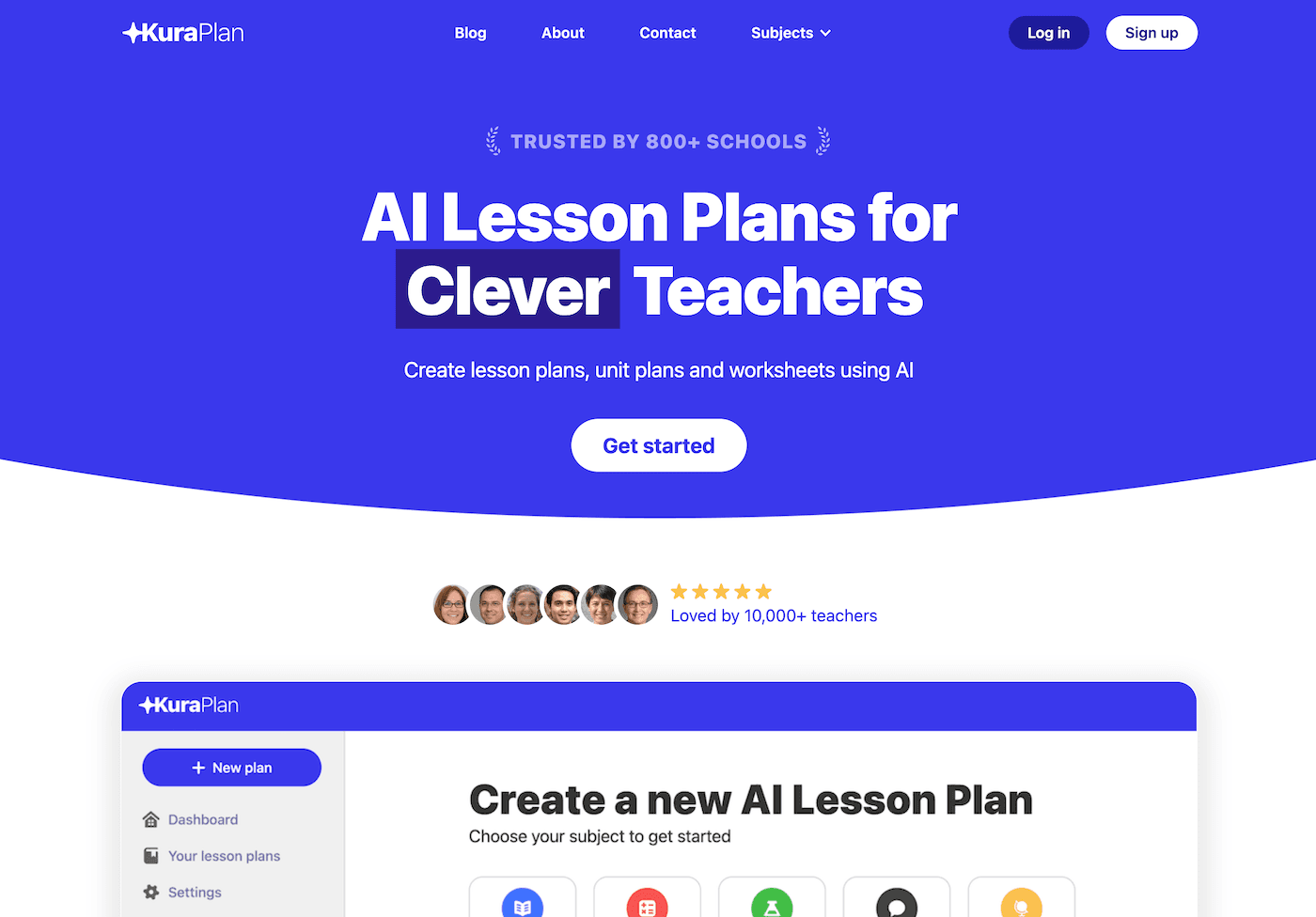
3. Diffit – Making Every Find Accessible, Fast
Student-led means unpredictable texts and resources: one group’s reading a city council transcript, another is pulling data from a YouTube documentary, and a third has a graffiti artist’s memoir (in translation). Diffit is now non-negotiable: paste in anything and get leveled, vocabulary-rich versions and comprehension prompts in minutes.
I assign each group a “Diffit captain”—their job is to adapt found sources for everyone, so project pitch day never ends with “but I can’t read that!” Best move: challenge groups to compare how the original changes through leveling, sparking fresh discussion about bias and complexity. Curiosity becomes truly democratic.
Try Diffit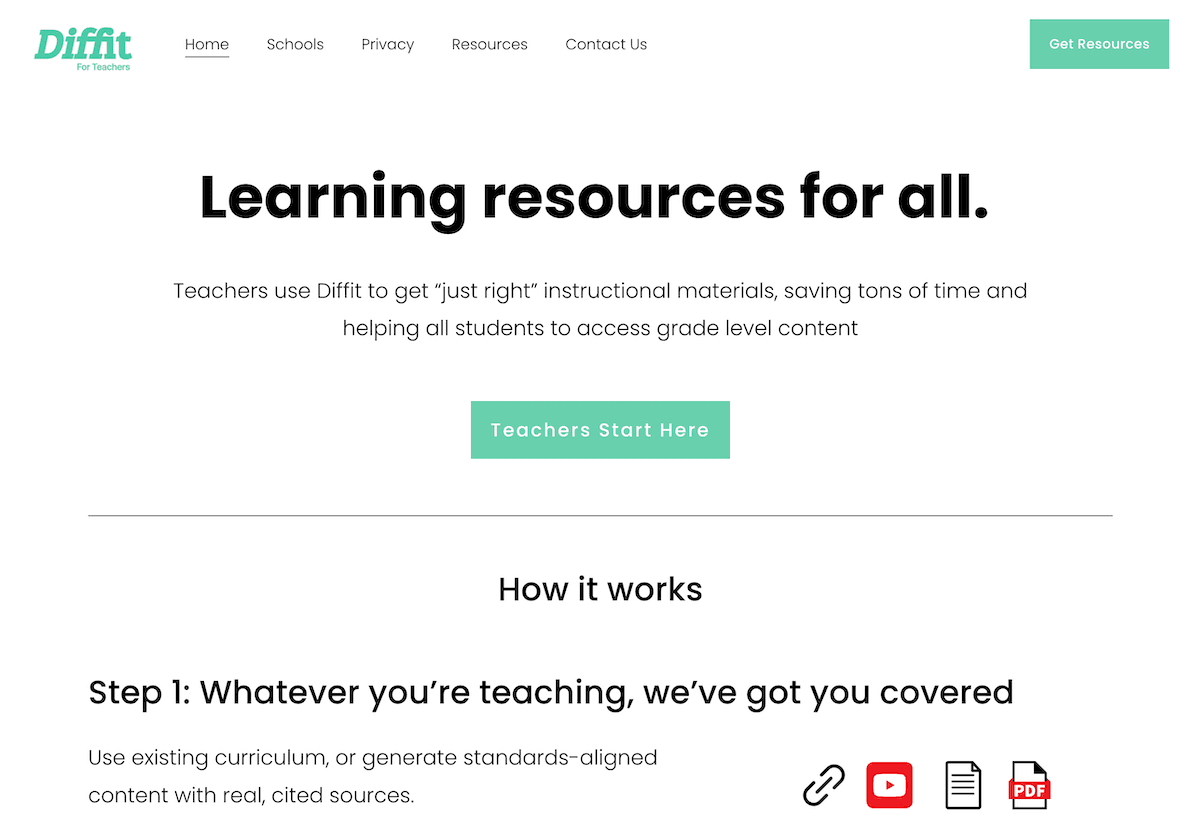
4. Jungle – Student-Created Reflection and Meta-Games
Reflection isn’t just end-of-project busywork if you let students drive it. After every big project sprint or product showcase, each team submits a Jungle card: “biggest surprise,” “how our idea changed,” “mistake we’re proud of,” or “advice for next year’s group.” Jungle’s AI whips up a collaborative game deck—used for closing-day trivia, group self-assessment, and as the warm-up for the next wave of project builders.
These decks are now our legacy: every class starts their first project by tackling cards from last year’s wildest detours, and my peer review day is an actual celebration of unpredictability, not just error-hunting.
Try Jungle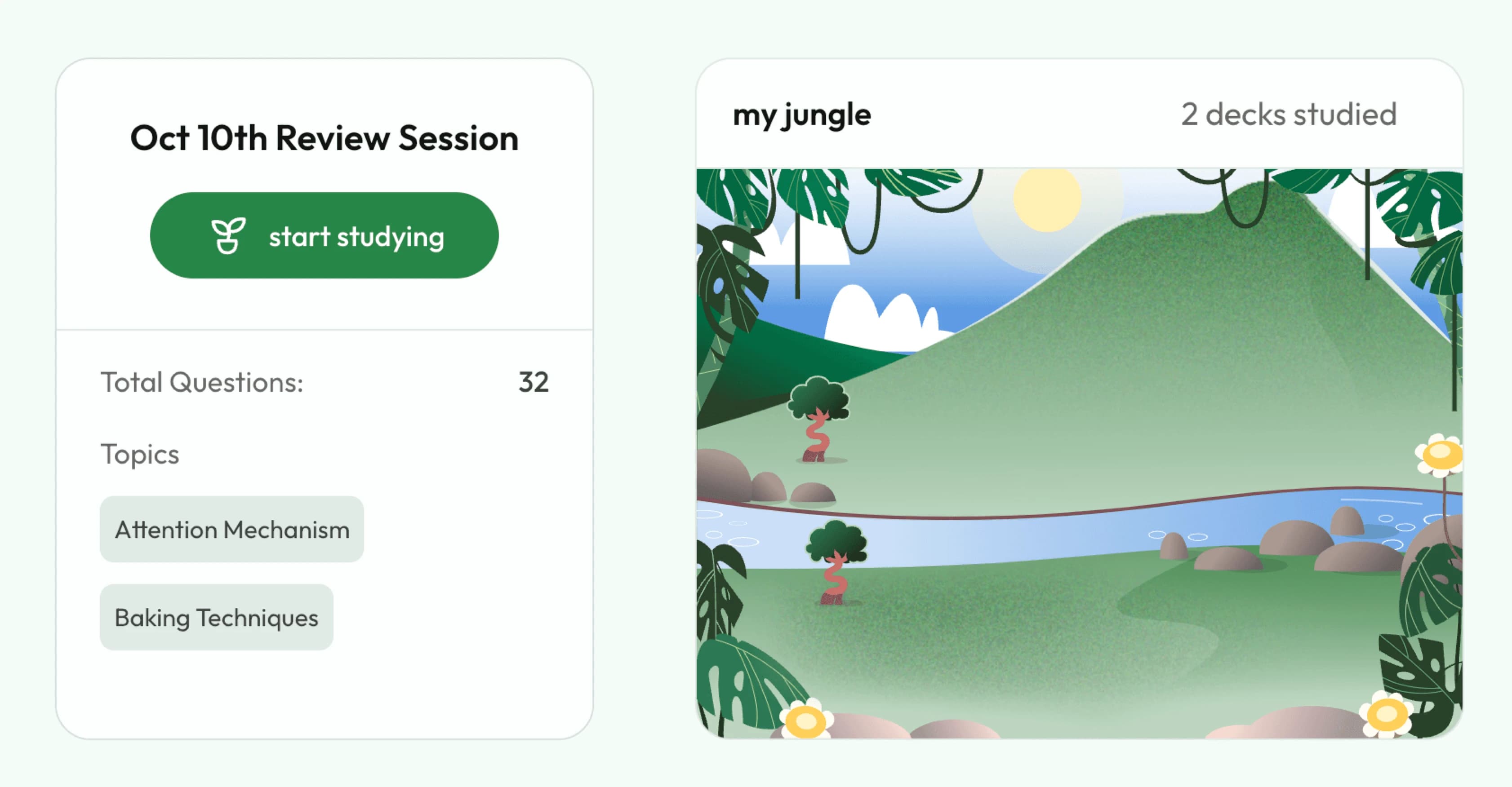
5. Magicbook – Publish Unusual Projects for Real Audiences
Projects die in Google Drive without a public life. When my best groups build board games, co-write speculative fiction, or interview community elders, we pile the archive (photos, student writing, weird visuals, even failed build threads) into Magicbook. The AI lays out a genuinely publishable digital anthology, illustrated for student (and family, and admin) eyes—no Canva drama, no formatting panic.
My new routine: every project cycle ends with a class-authored Magicbook that is shared in the hall, added to the school site, or handed back to the next cohort as inspiration (and proof that "failure" is just a chapter). Student pride goes way up when they get to see their voices in a real artifact—not just another grade.
Try Magicbook
6. Suno AI – Ritual Soundtracks for Every Project Phase
When you live for surprises, routine transitions don’t cut it. Suno is now our project culture machine: at every big pitch, mid-quarter rescue, or launch day, students write group lyric lines (“Song for the day we rewrote the plan,” “Anthem for our weirdest attempt,” or “Chant for closing night”). Suno spins instant, personalized class tracks for closure, gallery walk mood music, or reflection nostalgia on Monday.
The upshot? By May, every class has a playlist mapping their project journey, and the rituals stick far longer than any deadline. Student voice, culture, and pride—baked right in.
Try Suno AI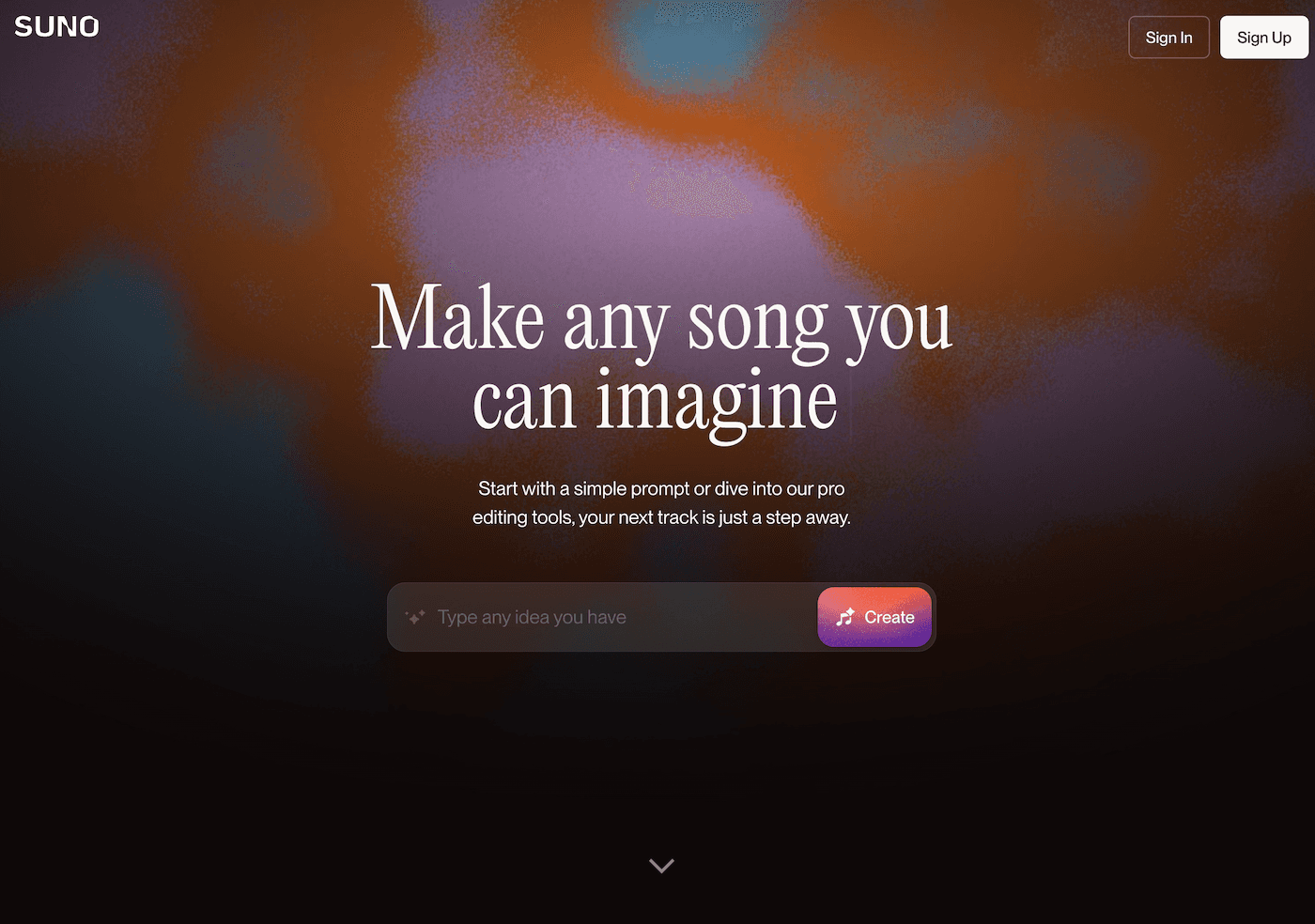
Genuine Tips From Your Fellow Project Risk-Taker
- Archive and showcase ALL process—Gamma, Jungle, and Magicbook make it easy for students to own the journey, not just the final result.
- Let planning be collaborative, not punitive—Kuraplan is strongest when it’s editable, visible, and updated in real time.
- Say "yes" to student-sourced resources: train students in Diffit basics and equal access becomes the norm.
- Ritualize chaos! Suno soundtracks and student-driven reflection routines keep every class invested (and admin in the loop).
- Give every wild project an audience: public galleries, anthologies, and playlists make difference the expectation, not the exception.
Survived—or thrived—on a wild project this year? Share your workflow, artifact, or AI tool that helped capture the magic. Classrooms where students drive the surprises deserve the best tools to back them up.