6 AI Tools for Teachers Who Hate Taboo Topics
You know the teacher—maybe you are the teacher—who refuses to look the other way when a student brings up that sticky current event, an awkward bit of history, or an "off-syllabus" personal question. If you think honest class culture means naming what others dodge, challenging old textbook narratives, and learning to listen beyond your own bubble...you also know the stress. The fear the lesson will go off the rails, the pressure from admin, the knowledge that you can’t Google “how to facilitate this” and find a tidy answer.
This year, determined not to let AI make my class less real, I tested which tools actually help teachers surface the unsaid, open truly safe dialogue, and make hard conversations more meaningful—not just another “pros and cons” worksheet. If you facilitate hard talks (whether in English, social studies, science, or advisory), these six apps and workflows are for you. Each one is tested in the classroom wild—by a teacher who’s had to field hushes, side-eyes, and “did you really just ask that?” moments more times than countable.
1. People AI — Interview the Uncomfortable (for Real)
Most tools let you query MLK or debate Cleopatra. But my real breakthrough? I started challenging students to create unseen personas: the child laborer in the background of the Industrial Revolution, a non-binary ancient Greek athlete, even a parent at a school board meeting debating book bans. With People AI, students design and interrogate their own "taboo topics" characters—the bot adapts on the fly. The discussion reliably explodes: kids press for nuance (“how does it feel to be left out of the standard narrative?”) and wrestle with what can’t be Googled. My workflow: I use this as the pivot from "read about it" to "try living in it." The risk? Sometimes the answers make us squirm. The reward? The shyest students have a safer way to ask what they might never dare in a real roundtable.
Try People AI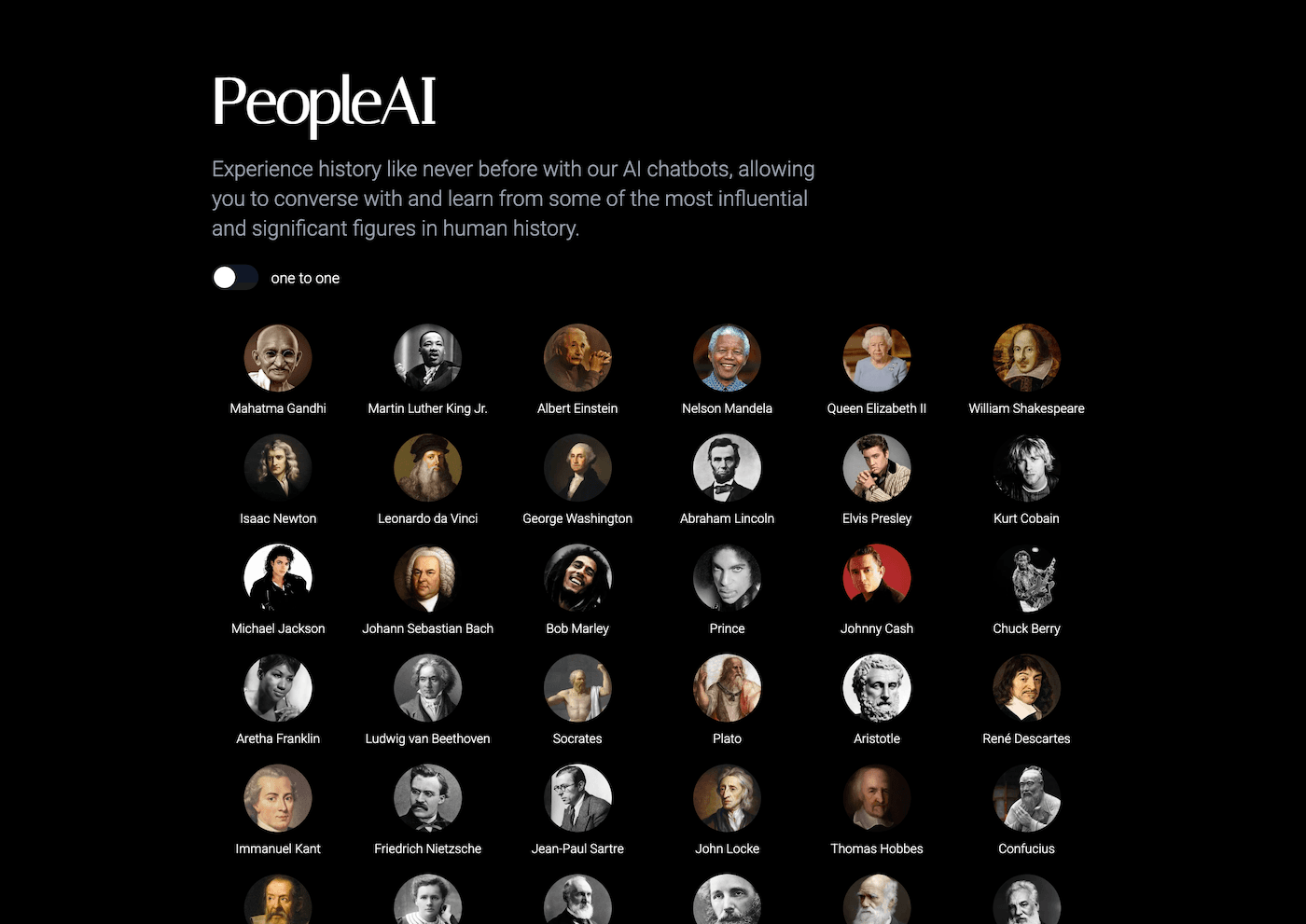
2. Kuraplan — Scaffolding Units You’re Nervous to Teach
Full confession: my first "Let’s talk banned books" unit nearly landed me a parent call and three sleepless nights. Kuraplan is now my go-to before launching a lesson I know could go sideways. I rough-map out the must-hit standards, add checkpoints for class norms building, anonymous question boxes, and parent comms, and flag space for student-proposed extensions or "opt-out" days if needed. I invite students to hack the plan: "What do you think a fair grading policy is for a debate about stereotypes?" Kuraplan becomes a visible guardrail: admin see I’m organized, students see where their voice is built in, and—I kid you not—even my critics started coming to the process, not just the controversy.
Try Kuraplan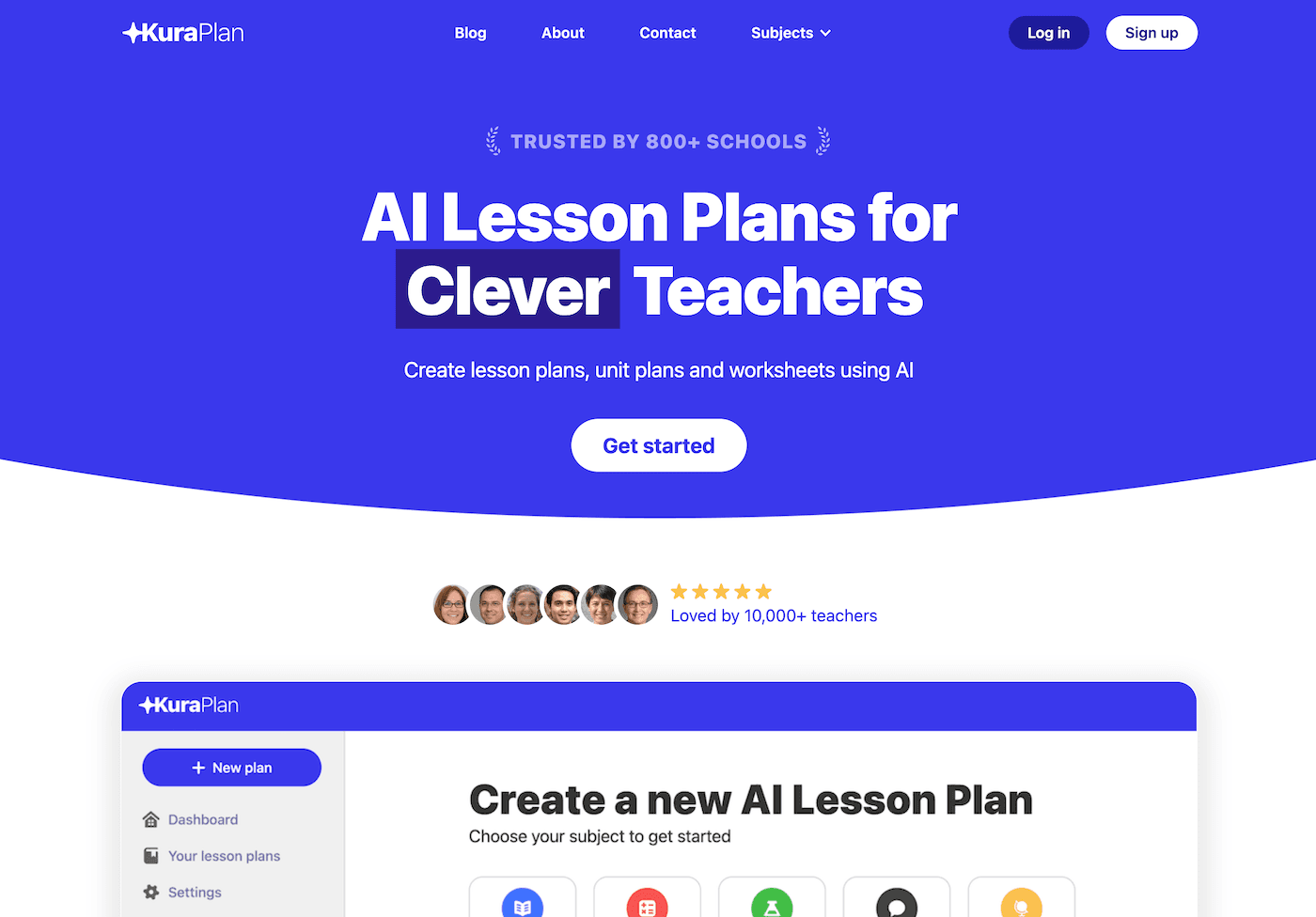
3. Notebook LM — Anonymizing (and Surfacing) the Class Subtext
Nothing unlocks honest talk like a safe way to whisper the unspeakable. When my class debates mental health, gender, race, sex ed, or (lately) AI and cheating, we put anonymous Qs, exit slips, confessions, and "I wish we could talk about" voice memos into our shared Notebook LM. The AI clusters, anonymizes, and flags recurring patterns—sometimes even generating podcast/roundtable scripts. We open taboo units with "what’s living under the table in this classroom right now?"—Notebook LM’s insight lets me tailor the content to what they won’t raise their hand to say. Reflection is safer, anonymous, and, crucially, always ready for the next round of kids who wonder: "Am I the only one thinking this?"
Try Notebook LM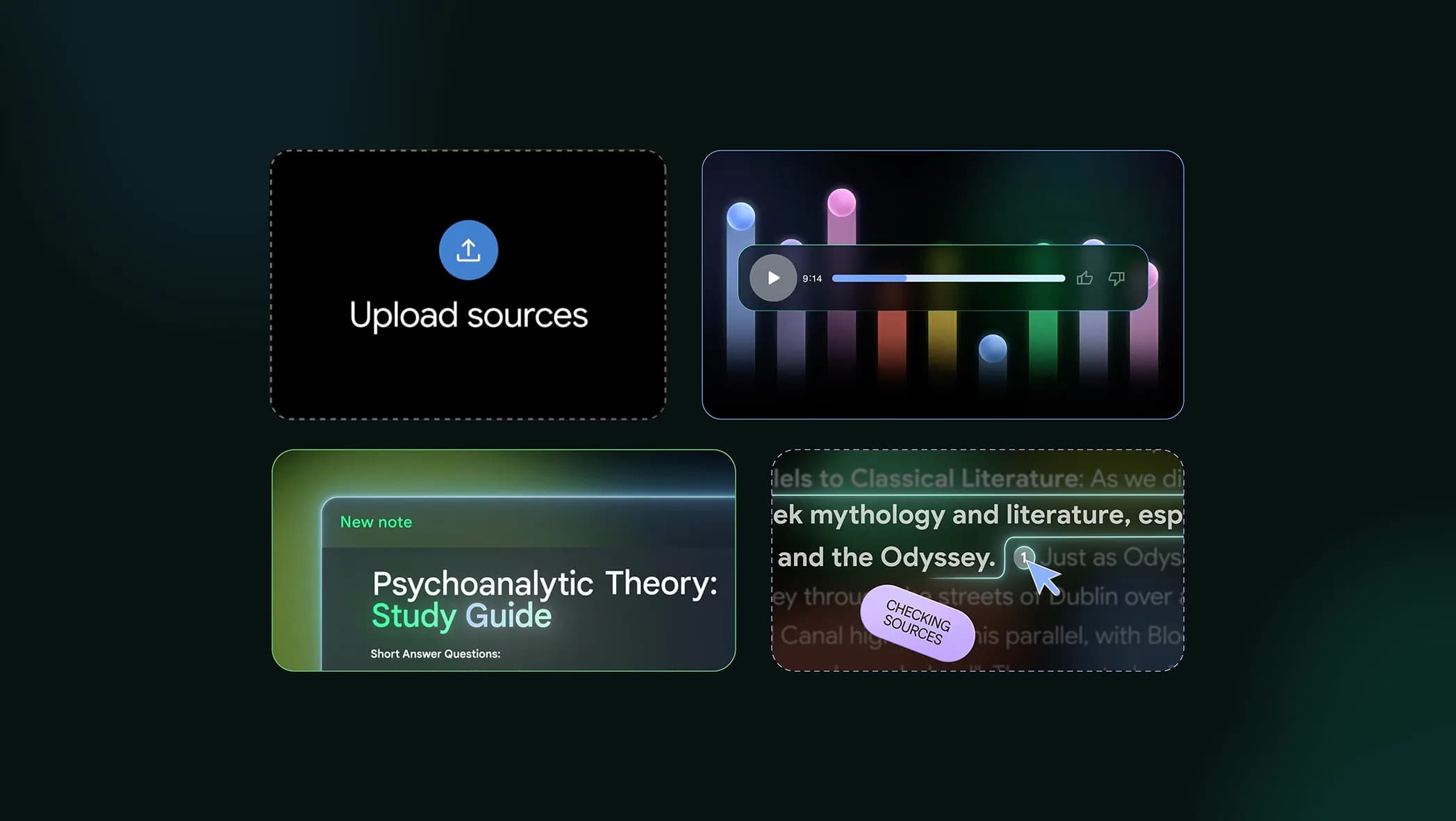
4. Gamma — Visualizing the Mess No One Sees
Taboo units leave chaos: argument webs scrawled on the board, timeline detours, side debates nobody wanted to report on. Gamma let me turn every heated exchange and off-script brainstorm into a visual, narrative map. After heavy roundtables, we photo the journey—mistakes, pain points, unresolvable claims, and all. Gamma’s AI builds a shareable, annotated timeline (or even a "messy argument gallery") that parents, admin, or counselors can browse to see not just "what we did," but how our thinking grew, glitched, or bravely changed course.
My tip: revisit the timeline after break, and ask, “What taboo did we leave unresolved?” It’s always more powerful when it’s visual, not just verbal.
Try Gamma
5. Diffit — Leveling Hard Texts (and Tough Stories) for Every Voice
You can’t talk taboo if some can’t access the text. Every time a group wanted to read a groundbreaking op-ed, a survivor memoir, an oral history, or a news story outside the reading range, Diffit let us bring everyone to the circle. Paste any resource—memoir, tweet thread, court transcript, even a student’s own parent interview—and Diffit returns accessible versions, vocab, and pointed reflection questions. We often compare levels to see what gets lost or softened—why is it taboo for some, and not for others? Now, nobody’s left out, and the introspective kids have a low-pressure way to engage before facing bigger crowds.
Try Diffit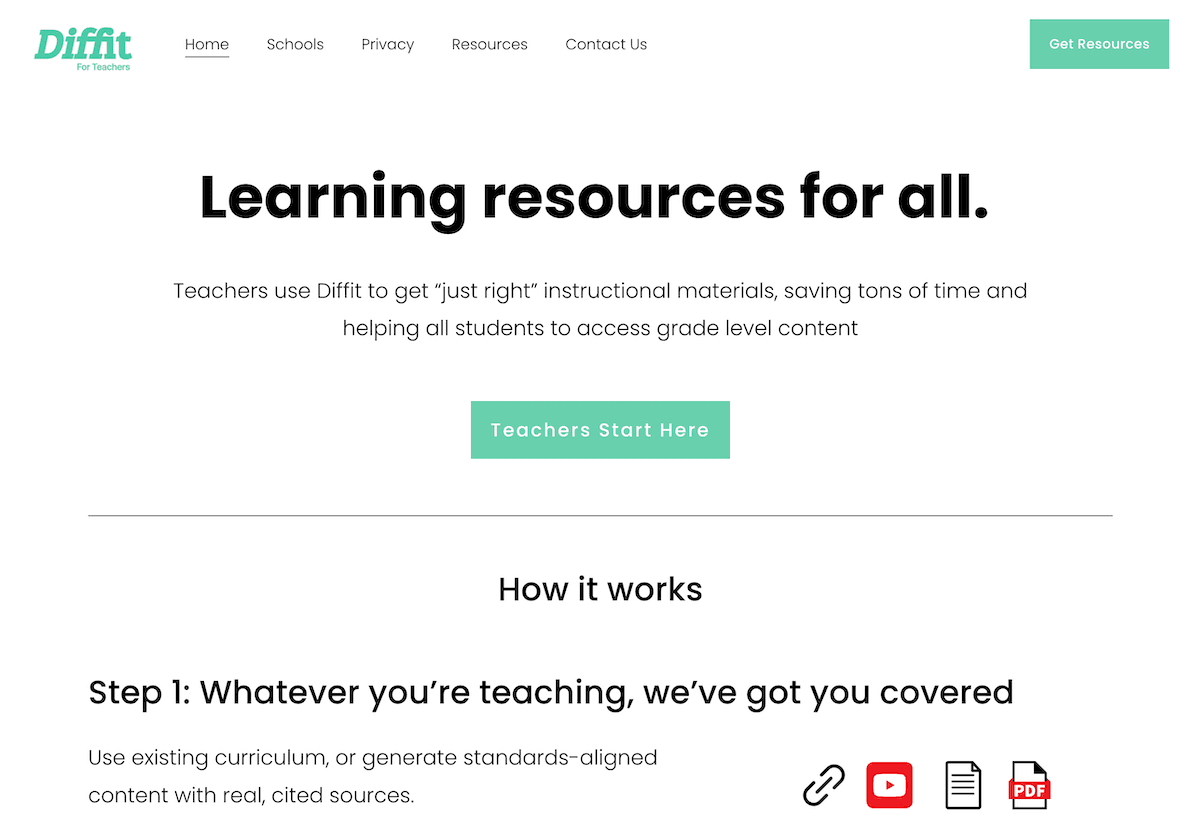
6. Suno AI — Rituals for Decompression and Reset
Textbook closing questions are too thin after real talk. My hack: after every tough topic, I have students crowdsource a Suno prompt: “Anthem for surviving a hard truth,” “Song for a conversation that left us tired,” "Lullaby for when we're still divided." Suno turns their lyric fragments into a custom, class-owned song—we play it for points of closure, as a reset after tears or high tension, or for solo listening before the next show of hands. Kids now ask to write the ritual, and I get parents emailing about the playlist—students need space not just for vulnerability, but for recovery.
Try Suno AI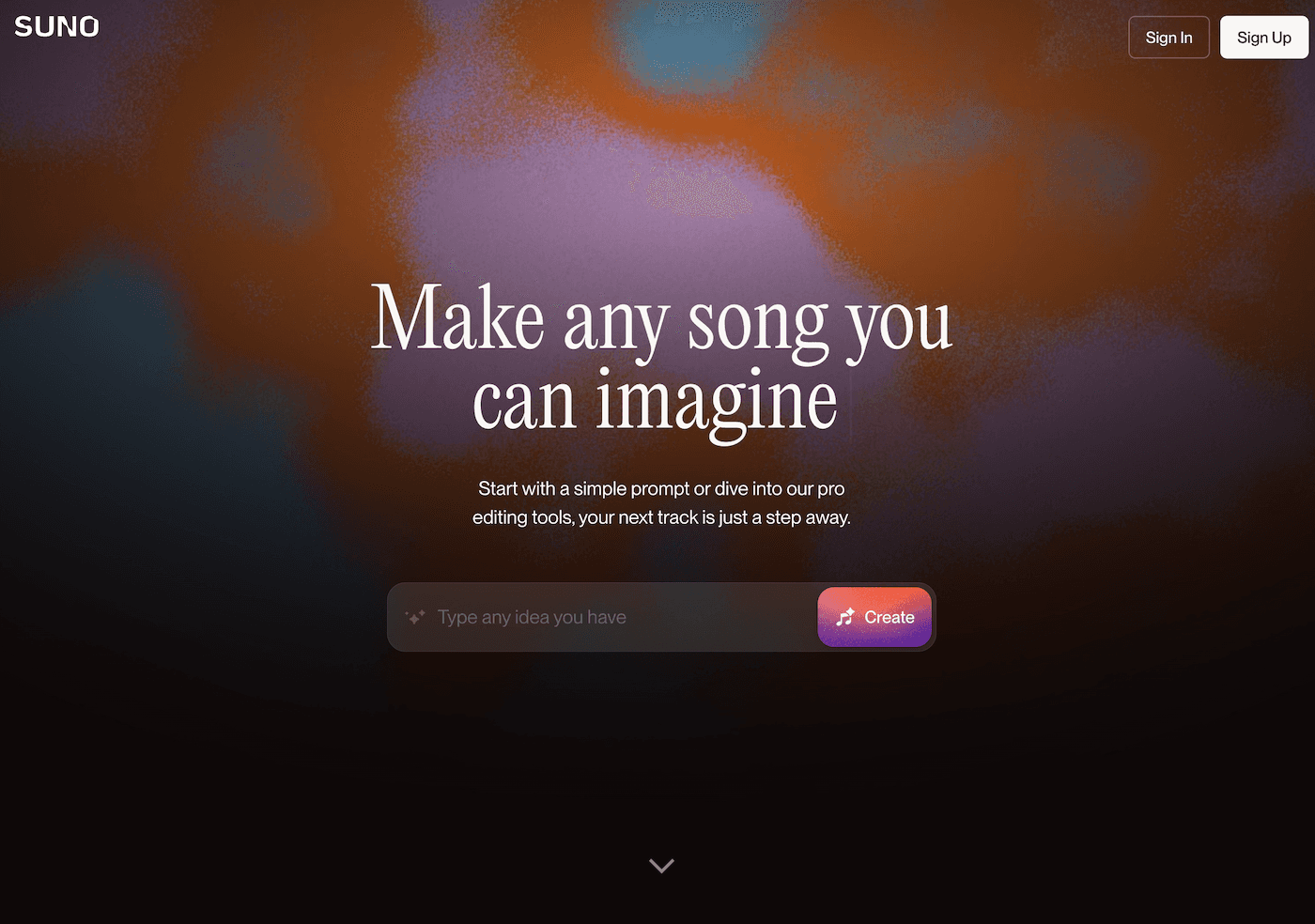
Final Thoughts for Teachers Who Refuse to Dodge Hard Conversations
- Archive everything—Notebook LM and Gamma preserve the learning journey, not just the answers.
- Scaffold the process in public—Kuraplan brings critics to the table and keeps pivots visible for when you need to justify a detour.
- Always let students participate at their edge, not their limit—Diffit and People AI make voice safe without pressuring disclosure.
- Build class rituals for decompression, not just celebration—Suno's closure tracks help avoid compassion fatigue.
If you’re a teacher who believes every classroom has an elephant in the room—share your favorite workflow, question, or student ritual below. The only way we move the line on what’s “taboo” is if we support each other (and our students) at the edge, not just at the center.