AI Tools for Teachers Who Love Reflection
If you’re the kind of teacher who thrives on questioning your practice—constantly tweaking lessons, seeking better ways to reach students, and never quite satisfied with "good enough"—this post is for you. Reflection isn’t just for students: the best teachers are relentless introverts, always asking, "Did that really land? Could something else work better next time?" But true reflection takes time, and if you’re like me, honest review usually takes a back seat to report cards, lesson planning, and, well, sleep.
This year, I set out to find AI tools that help make reflection possible—tools that turn "I wish I had time to review" into something actionable, not just another PD cliché. Not just data dashboards or auto-graded quizzes, but AI that actually helps you and your students see progress, revise work, and build a culture of growth. Yes,
Try Kuraplan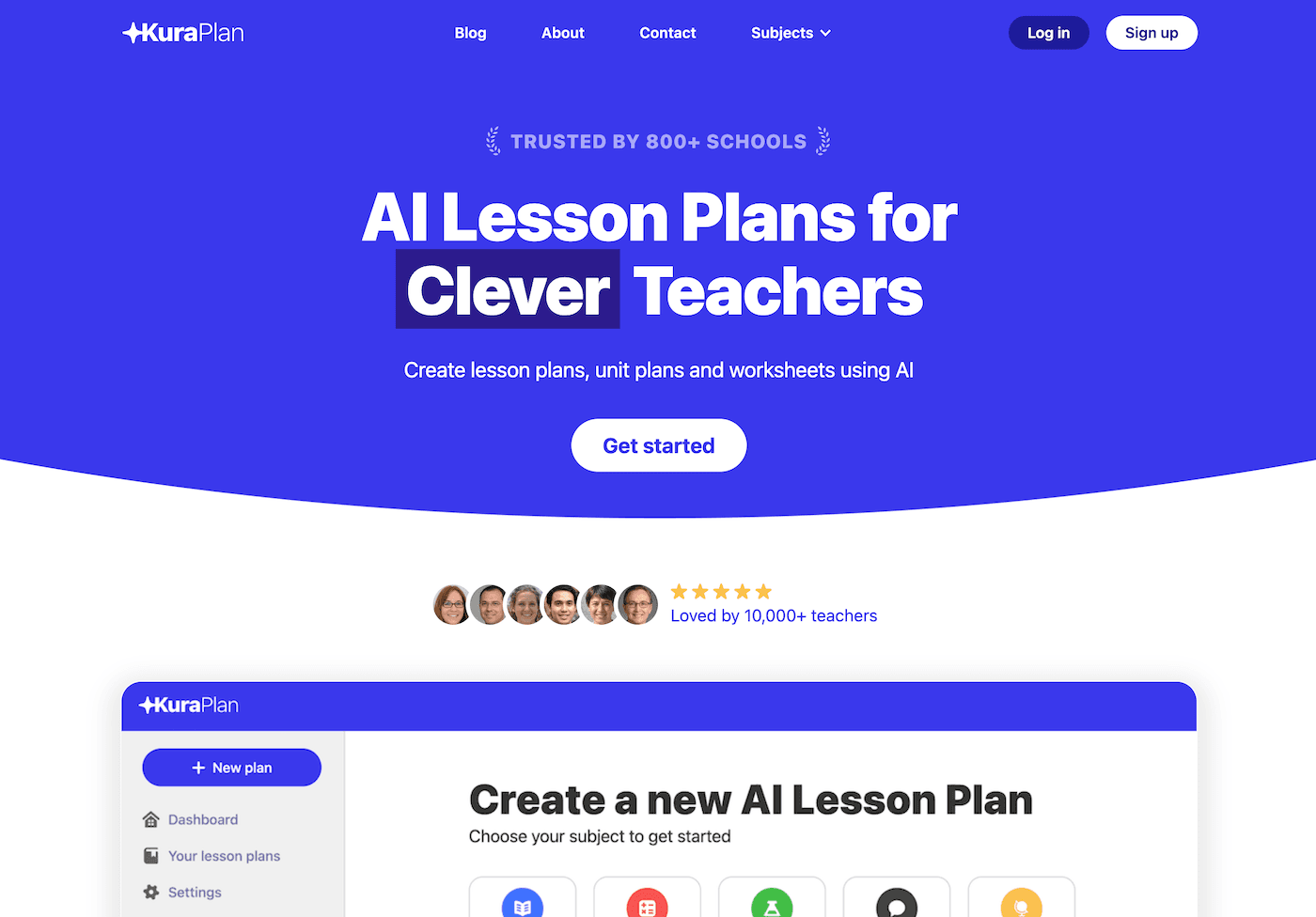
is here—but not always where you’d expect.
Below are 7 tools that genuinely helped me (and my students) pause, analyze, and get better together. These are for teachers who treat every lesson as a prototype and believe feedback—yours and theirs—is everything.
1. Notebook LM – Student-Led Reflections Without Busywork
Exit tickets are great, but what happens after you collect the pile? This spring, my students dumped their journal entries, class questions, and voice memos into Notebook LM (sometimes mid-unit, sometimes after a disaster of a lesson). The AI pulled out recurring themes, mixed in their goals and pain points, and even suggested reflection podcast scripts.
Here’s the secret sauce: student groups recorded quick "what we learned (or didn’t)" podcasts, using the AI-generated prompts as a jumping-off point. Suddenly, reflection wasn’t a chore or an end-of-term afterthought—it was a living conversation. The best moments? When students pointed out things I missed…and I got to tweak next week’s plan accordingly.
Try Notebook LM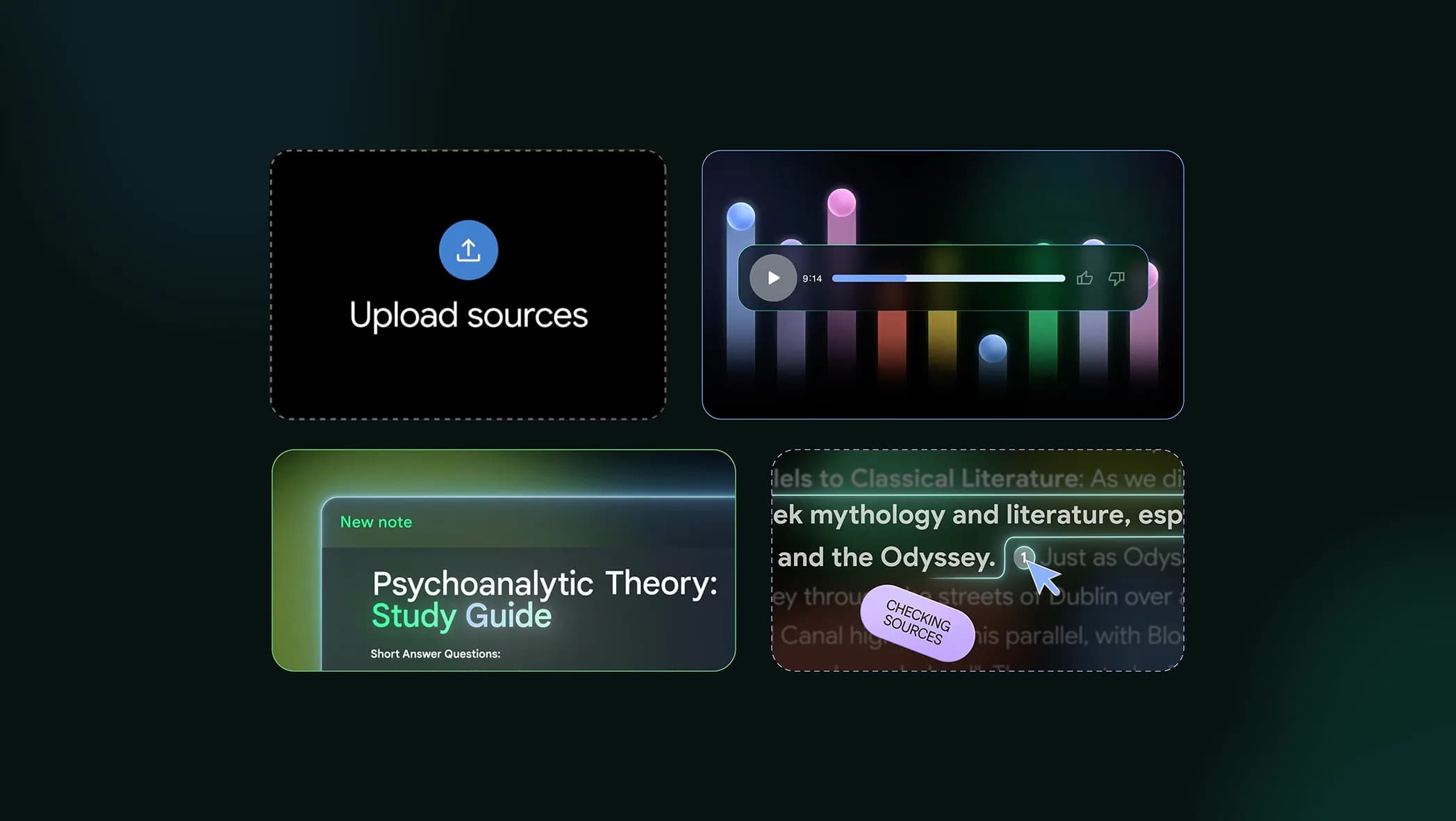
2. Jungle – Peer Feedback Beyond “Looks Good!”
Traditional peer review often flops: students leave vague comments, or worse, copy your rubric without meaning. Now, I have them use Jungle to create flashcard decks not just of vocab or facts, but of common mistakes, smart fixes, and "things I’d do differently next time."
Groups swap decks—reviewing, annotating, and even adding new "reflection cards" as they notice patterns. It gamifies critique, gives every student an authentic voice, and archives our learning journey for next year. Best of all? Even introverts thrive in this model, and I catch error trends before they grow.
Try Jungle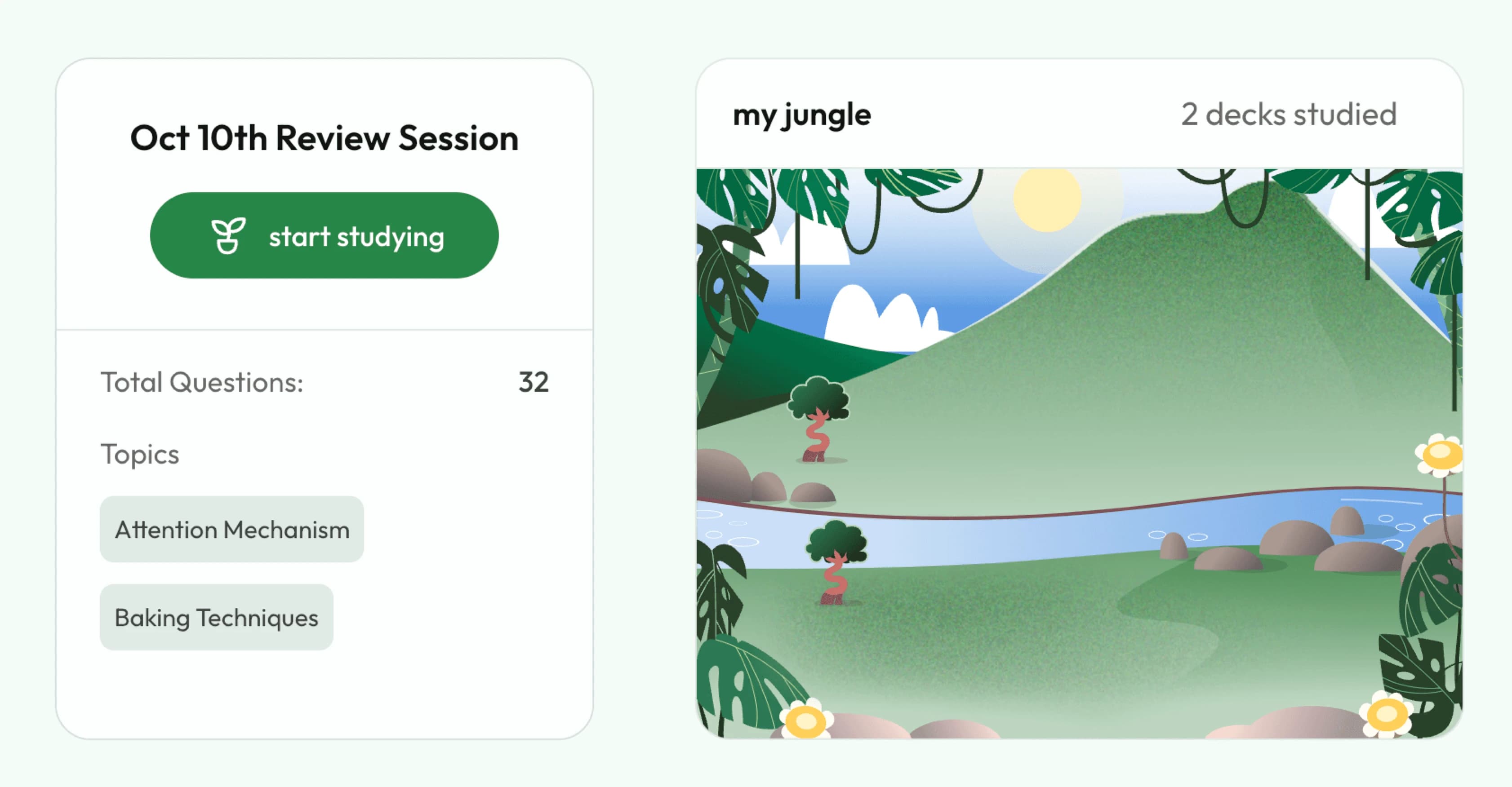
3. Kuraplan – Reflection-First Unit Planning
Unit planners aren’t usually built for looking back. But I discovered a twist with Kuraplan: now I start unit design by importing last year’s student feedback, self-notes, and "what flopped" lists (yep, the sticky notes taped inside my binder). Kuraplan analyzes these alongside my standards and goals, then drafts a new sequence that explicitly builds in reflection points (not just quizzes), mid-unit surveys, and even space for teacher journaling.
Instead of feeling locked into last year’s path, I get a living plan that responds to my evolving classroom. Reflection isn’t relegated to June—it’s baked into every month.
Try Kuraplan4. Gamma – Visualizing Growth Over Time (Not Just Grades)
Portfolios are awesome—until you’re buried in scanned docs. I have students collect early quick-writes, assessment screenshots, and even group brainstorm results, then use Gamma to build "growth timelines." The AI organizes input by date, outcome, and even comments (AI or written), creating slideshows that chart skill development alongside moments of confusion or breakthroughs.
It’s not just a "pretty" binder; it’s visible evidence of messy learning. These timelines serve as mid-semester check-ins, parent conference portfolios, and surprisingly honest self-assessment tools. (They’re also a powerful answer to the "But what did you learn?" question admin always asks at walkthroughs.)
Try Gamma
5. Diffit – Differentiated Reflection for Every Voice
Honest reflection means every student gets to participate—but not all can write at grade level. Diffit lets me turn open-ended prompts, podcast transcripts, or even peer feedback discussions into accessible reading and reflection sheets at multiple levels—with scaffolding questions tailored for everyone. ELLs record their audio reflections, which Diffit transcribes and adapts. Advanced students get higher-order prompts rooted in the same core theme.
Result: I finally see reflection from every kid, not just the high-flyers or the chatty ones. Differentiating reflection is now as routine as differentiating reading.
Try Diffit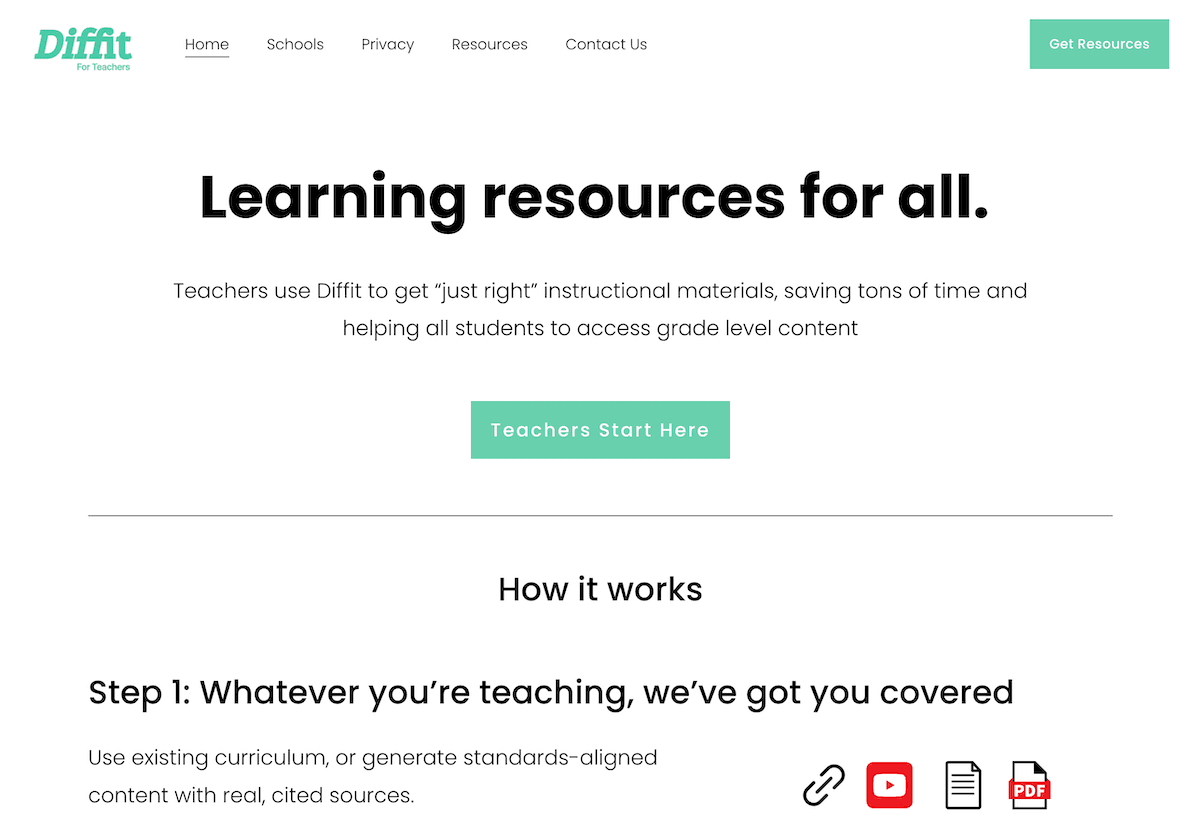
6. Suno AI – Rituals That Make Reflection Fun
Sometimes we’d reach Friday and students would groan at "one more journal." I started letting groups write (or crowdsource) prompts for reflection songs using Suno AI: "Things I learned this month but wish I knew sooner" or "Advice to Future Me and the next class." Suno instantly generates a classroom anthem or short song, which we play at the close of a unit (or blast in advisory on rough weeks).
The music is silly, yes, but the emotional reset is real. Reflections now feel communal, memorable, and—because the lyrics are theirs—far more authentic than any form letter portfolio.
Try Suno AI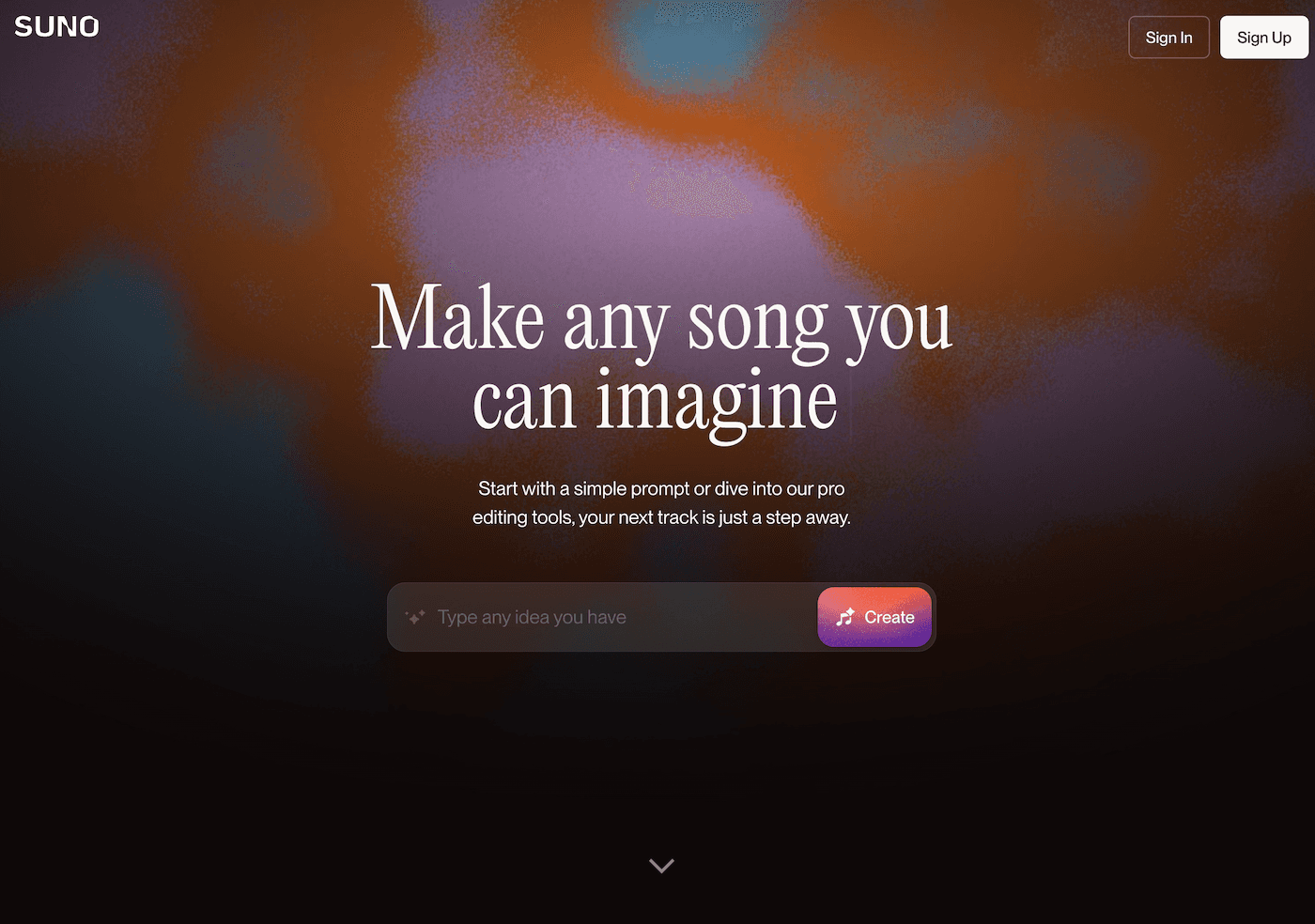
7. People AI – Student Roleplay as Teacher or Expert
One of my favorite semester-end activities: have students interview the "AI version" of themselves or roleplay as next year’s teacher using People AI. They script advice, "hard truths," or even mini-rants (“What should have been explained better? What trick helped you survive this unit?”) and let their classmates conduct the interview live. The AI model helps keep discussion flowing, gently nudges metacognitive questions, and archives the best insights for me to use in next year’s planning.
The twist? Students report feeling actually heard, and I get actionable feedback—not just the “more recess, less math!” usuals. It’s reflection as dialogue, not data dump.
Try People AI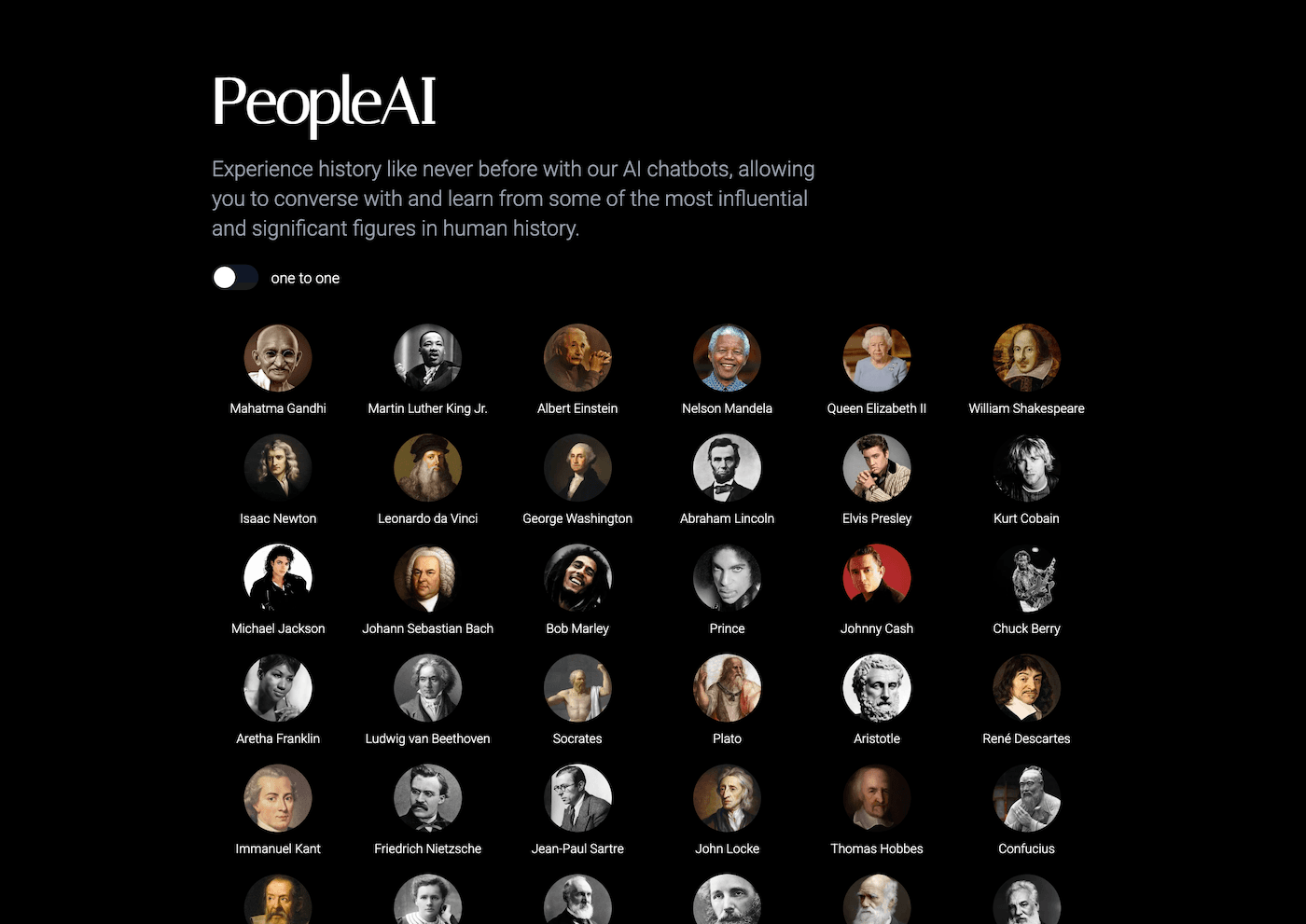
Real Advice for Teachers Who Never Settle
- Build reflection into everything, not just as an afterthought. The best tools above infuse analysis, feedback, and revision throughout—not just at test time.
- Let students own reflection: co-create questions, co-host podcasts, generate the rituals.
- Don’t treat AI as a performance review engine; treat it as a partner in honest, incremental growth—for you and for your students.
- Make the messy stuff visible: archive flops, celebrate pivots, and share learning curves with your team. Growth only happens when everyone’s in on the journey.
If you’ve found an AI hack for getting better—personally or with your class—share your workflow, ritual, or favorite story below. The best teachers never stop reflecting…and now, finally, there's tech to make it just a bit easier.