6 AI Tools for Teachers Who Hate Repetition
Every teacher I know has had that moment: you open last year’s lesson plan folder and your soul dies a little. Maybe you’re required to dust off that weathered geography PPT, or cycle through the same four types of exit tickets—again. If you’re like me (ELA, history, and "experimental project" veteran), you didn’t get into teaching to become a worksheet replicator. You love a class that surprises even you, a day that goes off-script, a unit that feels new every time. But, let’s be real: breaking patterns takes time you constantly run out of. And new AI “solutions” just want to automate what you already do to the point of boredom.
So this year, I set a challenge: use AI only to help me disrupt my rut—remix lessons, escape the “copy unit, change dates” syndrome, and finally feel like I had more to give. The tools below actually made the cut. Some you’ve seen, some are newish, but every single one gave me permission (and workflow support!) to try something that didn’t feel like a pressure-washed version of last February.
Not a list for beginners, not a checklist for admins, but field notes for real creative teachers who get twitchy when they have to do the same thing twice.
1. Fliki – Reinvent Student Output, Not Just Input
Video projects used to be my "special treat," rolled out once a year—until Fliki let me (and my students) turn almost any text, outline, or even wild idea into an explainer video or podcast, fast. Now, every time I catch myself assigning the ninth "compare and contrast" essay, I invite students to storyboard a class debate-turned-audio-episode, or narrate their flash fiction with AI voices and visuals. For science, literary analysis, or even group project retrospectives, Fliki rewired my deliverables menu—suddenly, same-old curriculum becomes outlet for student-made shows, not more slideshows. It keeps me curious about what we’ll make next, and the kids become the producers instead of worksheet robots.
Try Fliki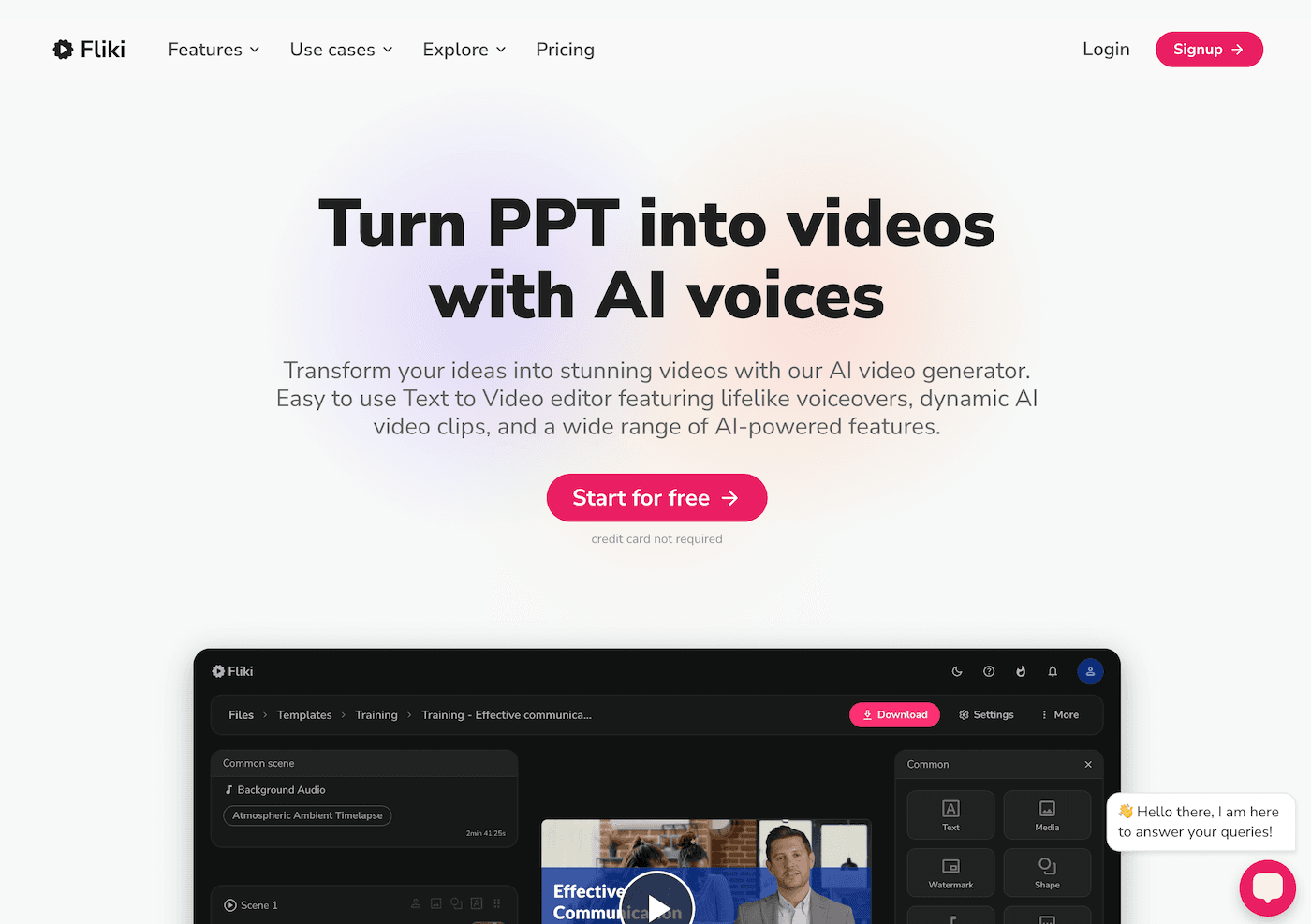
2. Kuraplan – Plan Backwards, Not By Template
Most lesson and unit planners out there make you feel like you’re just filling in blanks. What finally worked for me with Kuraplan: using it as a reverse-planning engine. Instead of plugging in the same standards and saying, “build my year,” I flipped the script. I start with outcomes or formats I’ve never tried (student-led museum nights, portfolio fairs, group interviews). Kuraplan quickly mocks up a flexible sequence and key checkpoints. Then (this is crucial), I rip into the AI draft with my class—we edit, cut, change project types, even debate how to measure "learning" that isn’t a test. Now, every unit map feels unique to each group—and for the first time, my lesson plans never look like last semester’s.
Try Kuraplan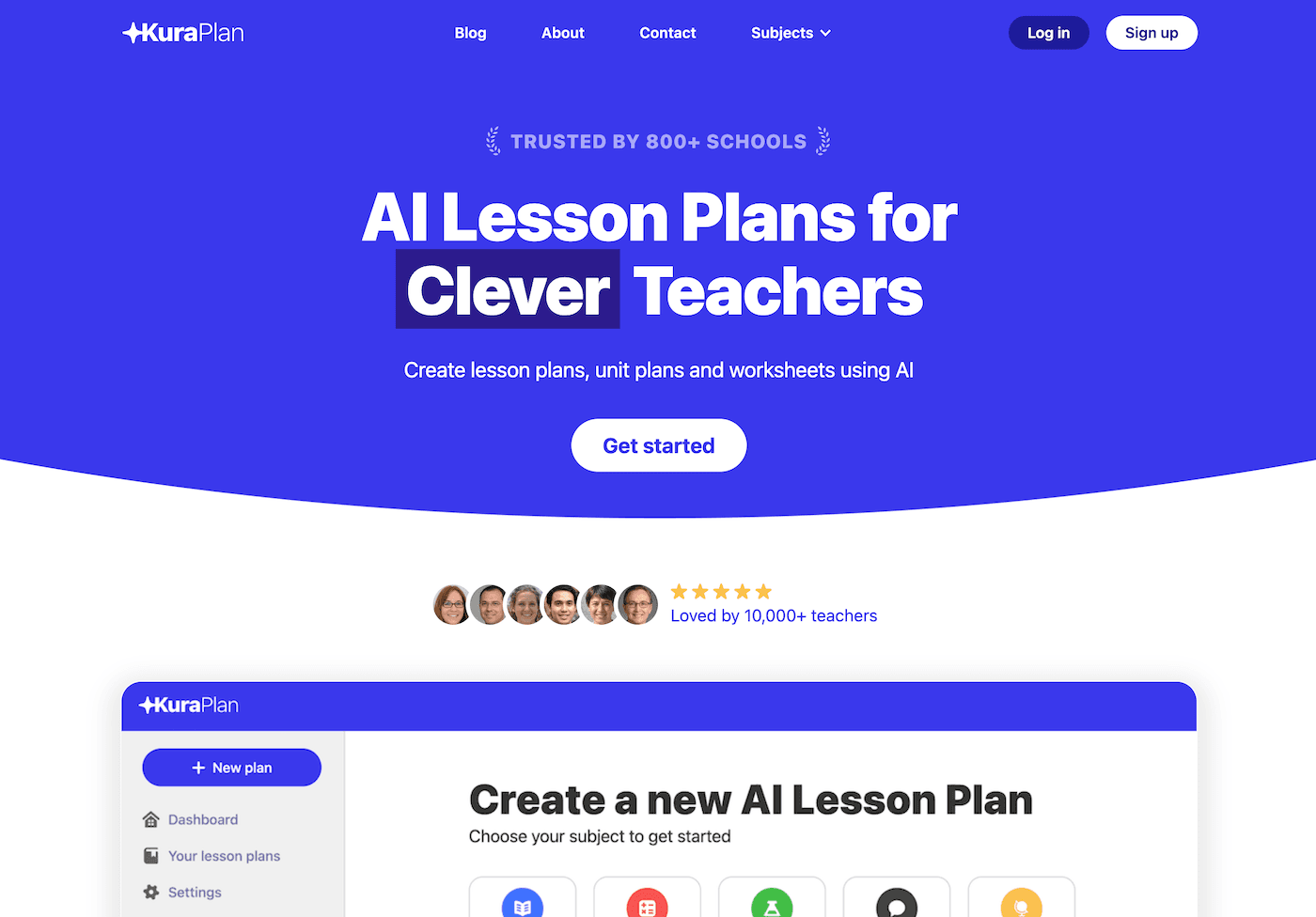
3. Jungle – From Flashcard Factory to Remix Studio
Let’s be honest: most review activities are recycled—and students spot that faster than we do. Jungle rescued my Fridays: after a major project, I challenged kids to write “stumper” questions, misunderstandings, or even mini-mystery scenarios tied to our lessons. Jungle turns these into classwide card games, MCQs, even collaborative trivia decks—every time, different cards, different student floor-leaders. The result? Not only does review never look the same, but students now compete to write the “most original deck,” which doubles as a formative—and yes, hilarious—performance task.
Try Jungle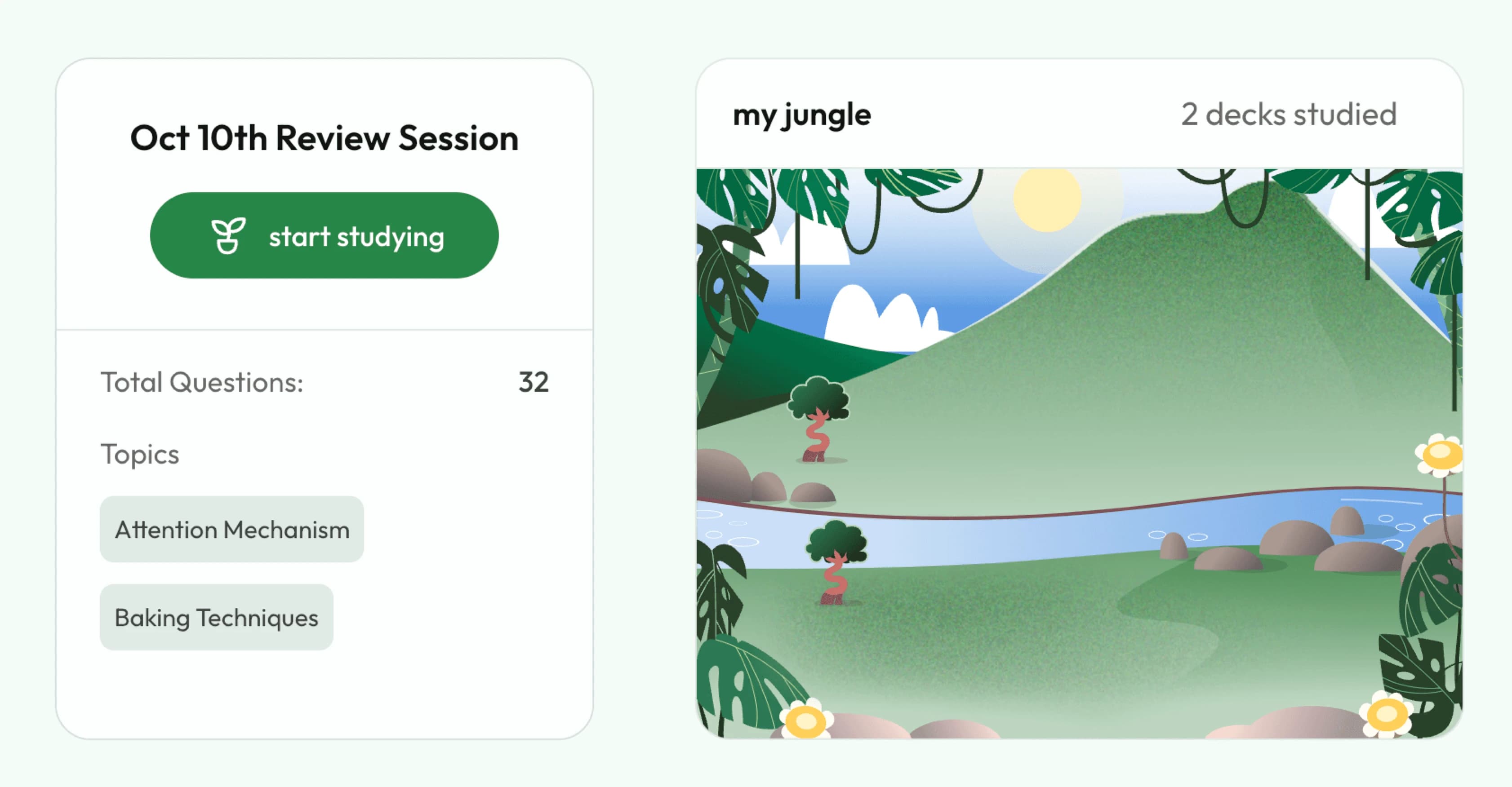
4. Notebook LM – Archive for the Unexpected
I once lost four years’ worth of exit tickets, brainstorm doodles, and reflection gems. With Notebook LM, I started making digital scrapbooks for every class section—photos, voice notes, mid-lesson takeaways. The AI finds patterns, surfaces old debates, and even builds Q&A podcast scripts for "what did we almost forget?" episodes. Now, when I want to try something different, I ask: what untapped insights or half-formed ideas have we already had? Repetition becomes remix—no two years ever start from scratch, and students feel like co-authors with every new project cycle.
Try Notebook LM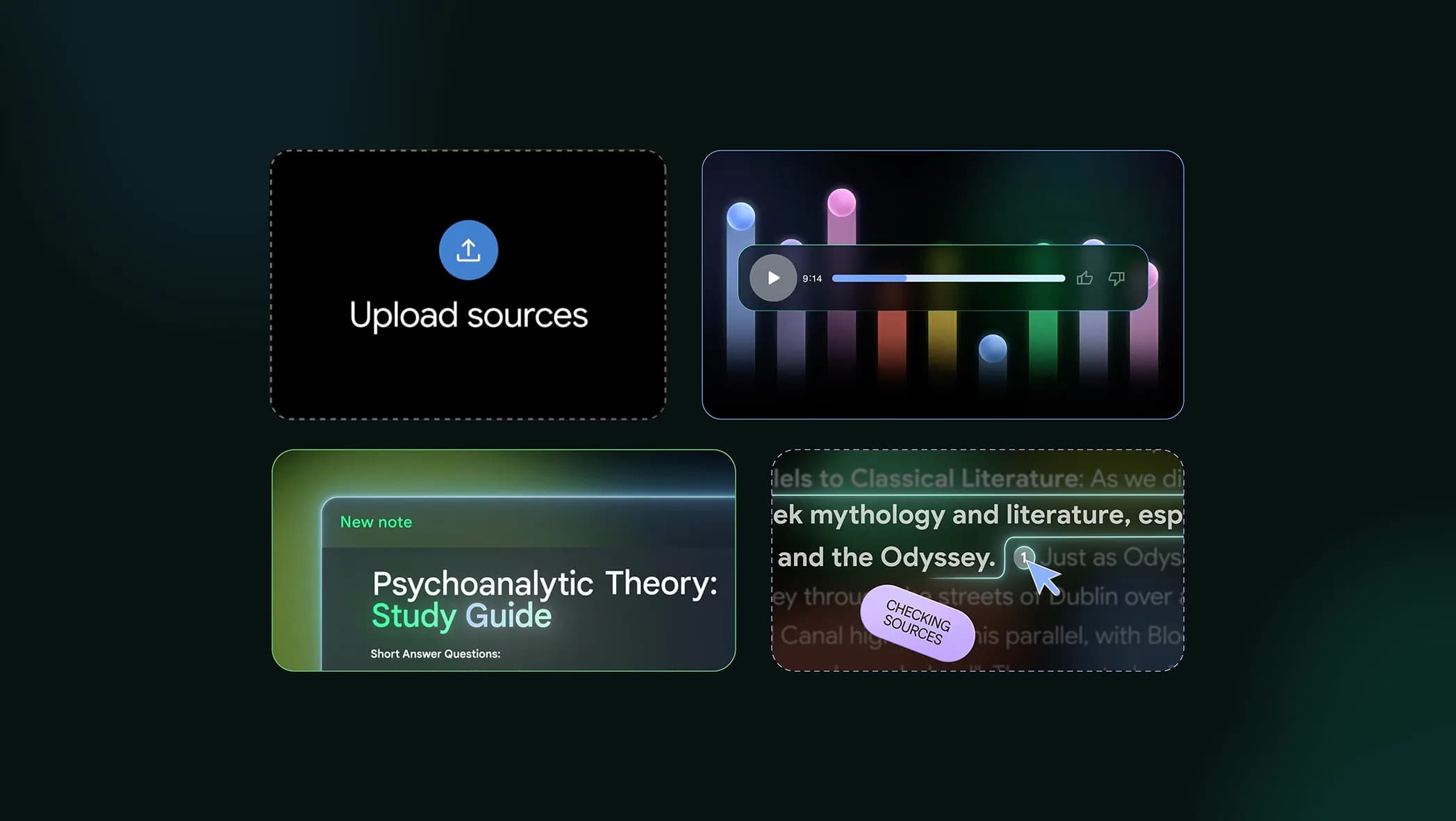
5. Diffit – Scaffold Anything (Then Break the Mold)
Ever want to bring in a wild news article, TikTok transcript, or niche historical document, but default to old reliable because “my struggling readers won’t make it” or “the reading level is chaos”? Diffit changed my pattern: now, everything that looks interesting gets instantly scaffolded—leveled versions, vocab, discussion prompts for all. “Same-old” units get injected with outlandish sources and student-chosen materials. With less worry about accessibility, I’m way more likely to grab something weird and see what happens. Lessons become less about control, more about exploration, and my class never reads the same stuff twice.
Try Diffit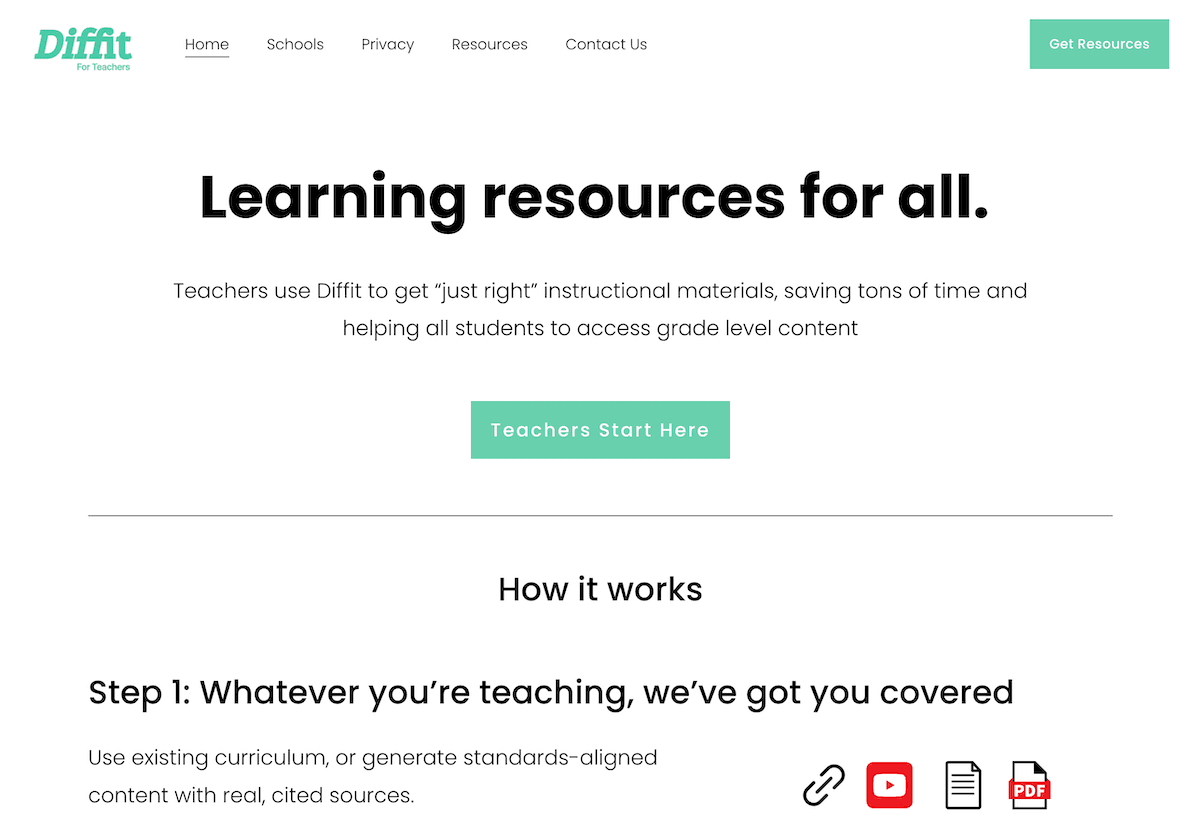
6. Suno AI – Rituals & Reflection, Never Boring
When I catch myself defaulting to “raise your hand if you agree,” I now ask students (or myself!) to feed a prompt into Suno: "anthem for the day we almost failed," "Friday review showdown rap," "debate comeback chant." Suno spins up a real, shareable track in seconds. Now, our transitions, check-ins, and "we did it!" moments are never a rerun. The playlist tells our class’s story week by week—rituals are always changing, always a little weird, but always ours. Even our old routines feel like fresh air.
Try Suno AI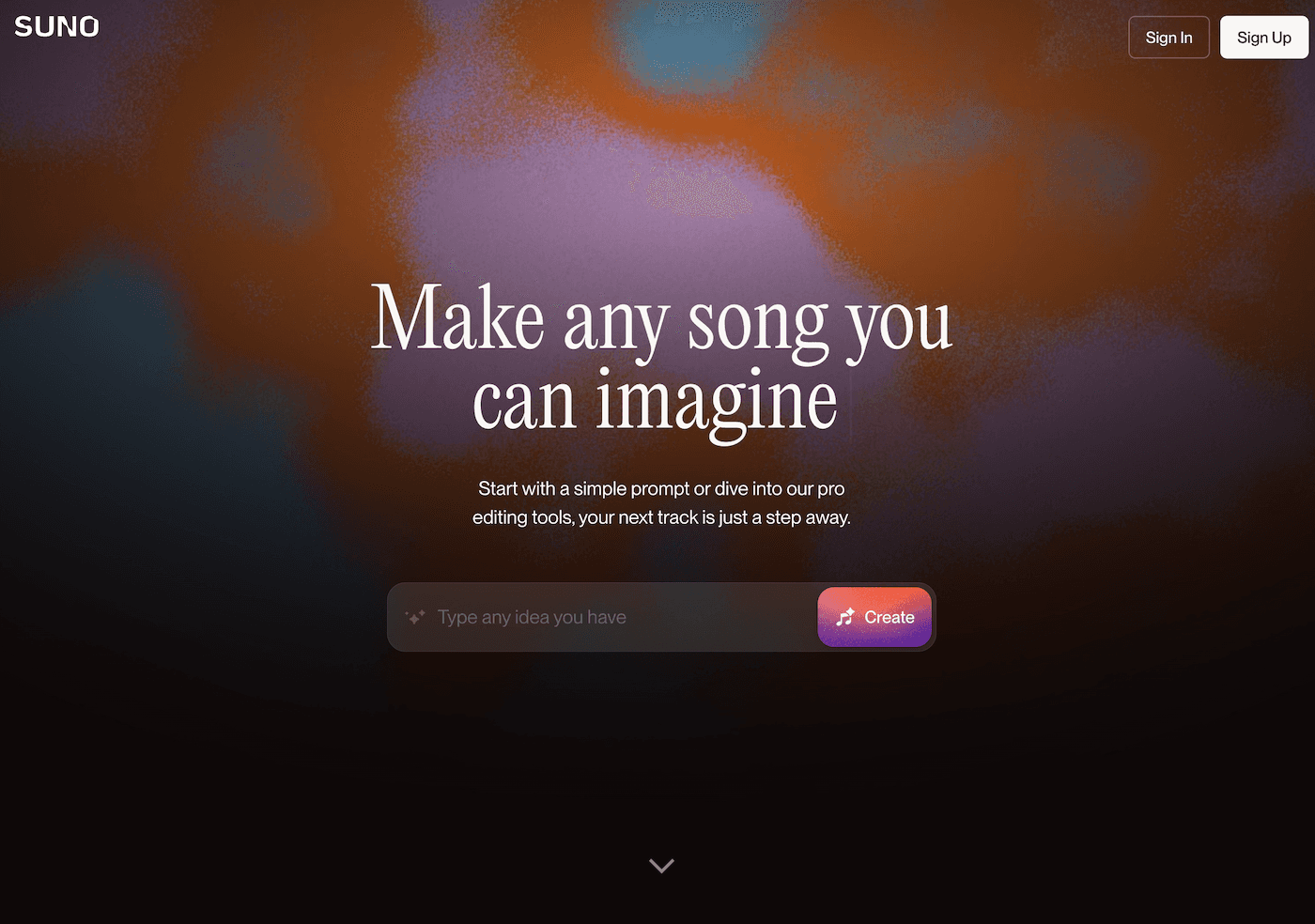
For Teachers Who Want to Press Refresh, Every Week
- Use AI not as a script-generator, but as a partner in improvisation. If you’re allergic to uniformity, these tools will help you chase—and keep—new ideas without more burnout.
- Make students co-editors, co-designers, and co-remixers of every workflow. The more they own, the less you drift into autopilot.
- Archive what’s unusual, celebrate what works, and forgive what flops. Creative teaching is about new cycles, not never-ending grind.
If you’re a teacher wired for novelty—and you’ve found a way to make your class feel different every time—share your weirdest workflow or AI trick below. The more we disrupt the repetitive, the more alive teaching (and learning!) stays in 2025.