6 AI Tools for Teachers Who Love Tangents
If your best lessons start with a student’s “What if we…?”—and your unit plans are annotated in three colors for detours, rabbit holes, and (oops!) viral news events—this one’s for you. I’ve spent fourteen years in middle grades ELA/social studies, and the moments we talk about the most (with students and on the drive home) are never the ones mapped three months in advance. No, it was the time a current event took over the week—or when a throwaway brainstorm on the suffrage timeline became an improv podcast series.
The trouble? Most teacher AI tools promise you “efficiency”—not agility. But as every tangent-loving teacher knows, chasing authentic curiosity is the real heartbeat of school—and it’s harder than just staying on script. After a year purposefully making space for classroom spirals, here are the 6 AI tools that made my best pivots possible (while keeping my keystone lessons safe—and my admin happy). Kuraplan is here (because you need guardrails!), but this isn't another checklist: each tool gets a field-tested, genuinely weird use case for anyone running a classroom where curiosity wins over coverage.
1. Notebook LM — Never Lose a Tangent (or a Genius Question)
Every splintered whiteboard, half-good Google Doc, and “can we follow that up tomorrow?” sticky note now lands in my shared class Notebook LM. After every roundtable, news dig, or off-topic brainstorm, students and I drop voice memos, links, or takeaways into one notebook. The AI spots recurring themes ("Have you noticed how often we circle back to privacy and control?") and even generates podcast/Q&A outlines for closure or next-step mini-inquiries. When a student asks, “What got us onto this?” we can scroll back and track the chain of curiosity—and the best tangents become seeds for the next unit, not just lost minutes.
Try Notebook LM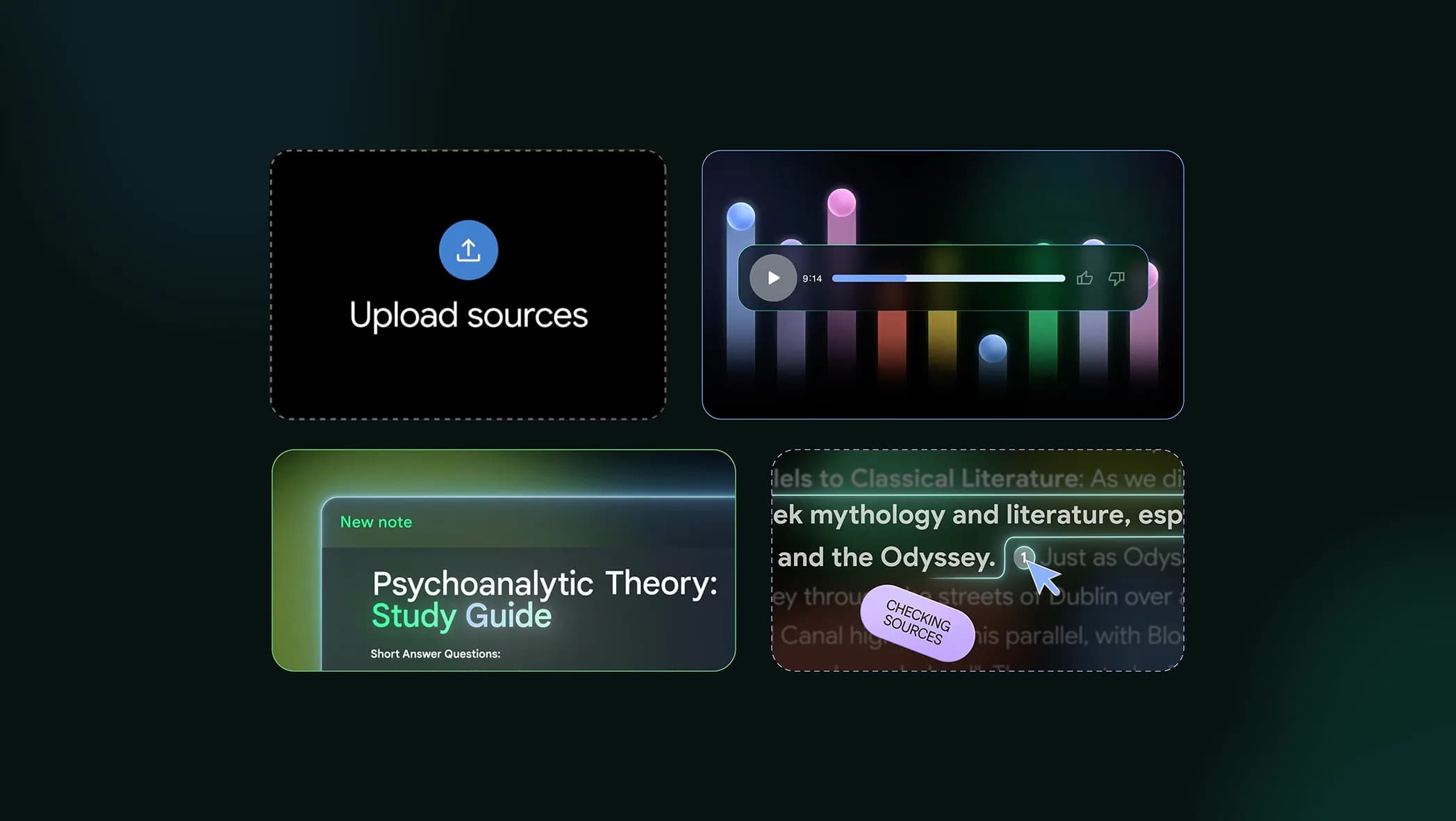
2. Kuraplan — Agility Without Losing Your Way
Here’s the truth: in a class built for spirals, I need a map I expect to redraw. I start each big block with Kuraplan—plug in essential skills, have students crowdsource their “let’s go deeper” questions, and instantly draft a loose timeline. The twist? I make the map public each week, and every pivot is a visible edit: we upvote new detours, shuffle priorities, and always see which threads link back to the standards. When a major news story hits, we fold it into the structure (not overboard), and admin never worries we’ve gone rogue—because the end goal is always in sight. The lesson? The best plans are written in pencil and made for group remix.
Try Kuraplan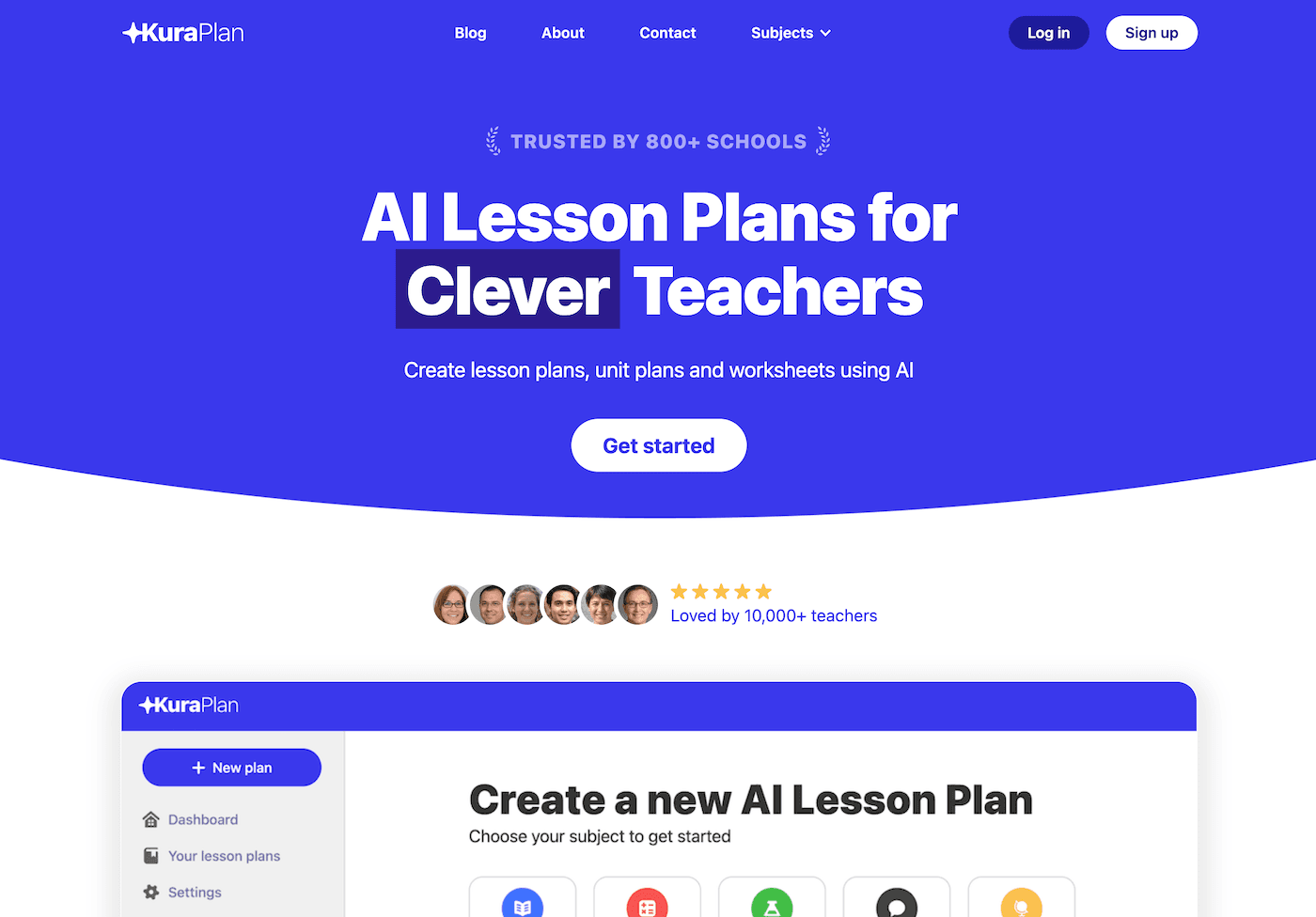
3. Gamma — Show and Celebrate Every Spontaneous Path
When a tangent turns into a weeklong project, the traditional learning evidence disappears. But with Gamma, every group can upload the map of their journey—snapshots of brainstorms, parent interview notes, pivot points, and group memes. Gamma’s AI builds a timeline or visual story the whole class annotates ("Here’s when we got obsessed with Antarctica lawsuits"). My hack: at unit close, each group presents their Gamma story instead of a PowerPoint—making our pivots the point, and giving students pride in the adventure (not just the answer).
Try Gamma
4. Diffit — Say Yes, Then Make It Work for All
My students surprise me every week: a viral science post, a local political flyer, a song lyric in another language. Diffit is my behind-the-scenes hero: paste in any resource and out come leveled texts, vocab, and prompts for discussion. My workflow: When a new rabbit hole opens, I diffit-ify the found content so everyone in the room can join the dig—no need to slow down or stick to "approved" packets. Best moment? A student-surfaced editorial became three group projects—because everyone could access, analyze, and remix it, not just the top readers. Agency meets equity, with zero extra prep.
Try Diffit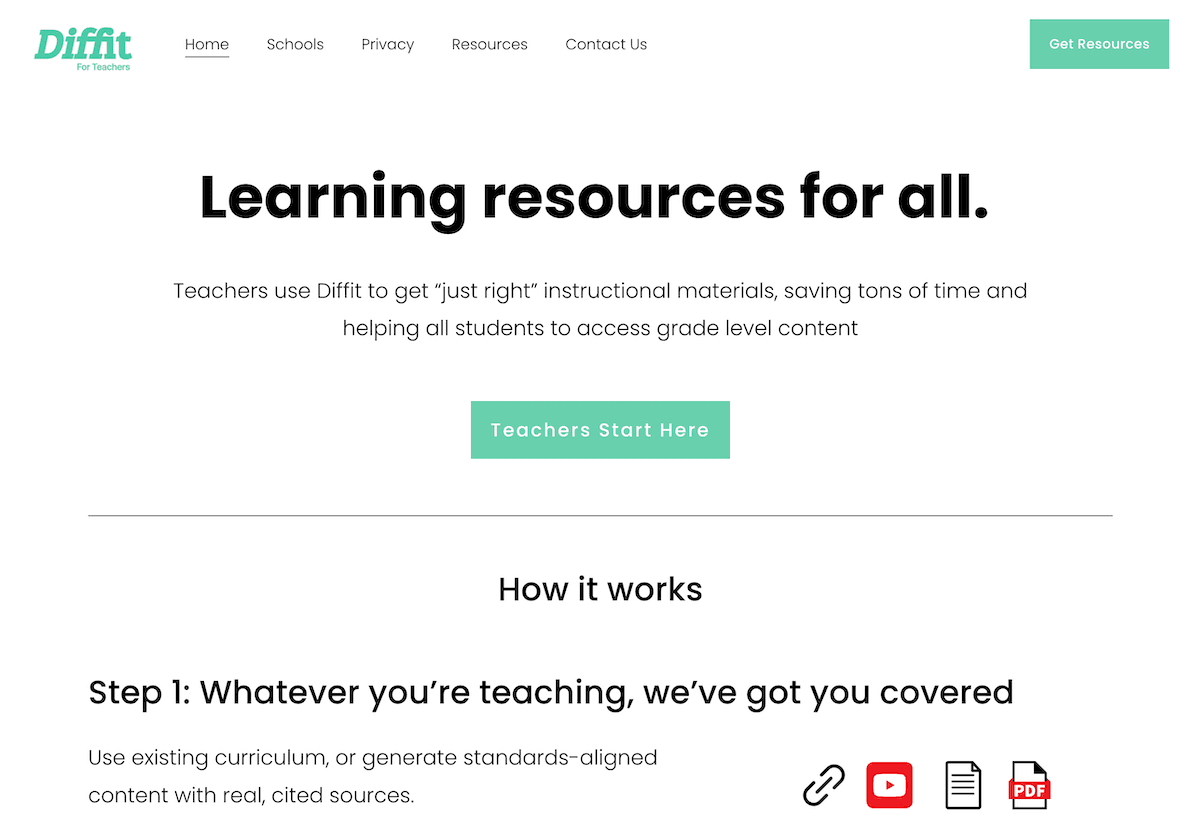
5. Jungle — Turn Your Class’s Confusion Into Next-Day Fuel
Nothing reveals the power of tangents quite like the questions kids still have after the lesson. After every especially messy class session—good, confusing, or both—I ask groups to submit cards to Jungle: “What didn’t we answer?”, “Wildest new question?”, “Best debate left on the table.” Jungle’s AI collates, filters repeats, and builds a flashcard deck for next day’s openers, formative games, or hot-seat peer review. Review sessions now begin with what’s unresolved—and, more often than not, fuel the next brilliant tangent. Tangents become tradition, not distractions.
Try Jungle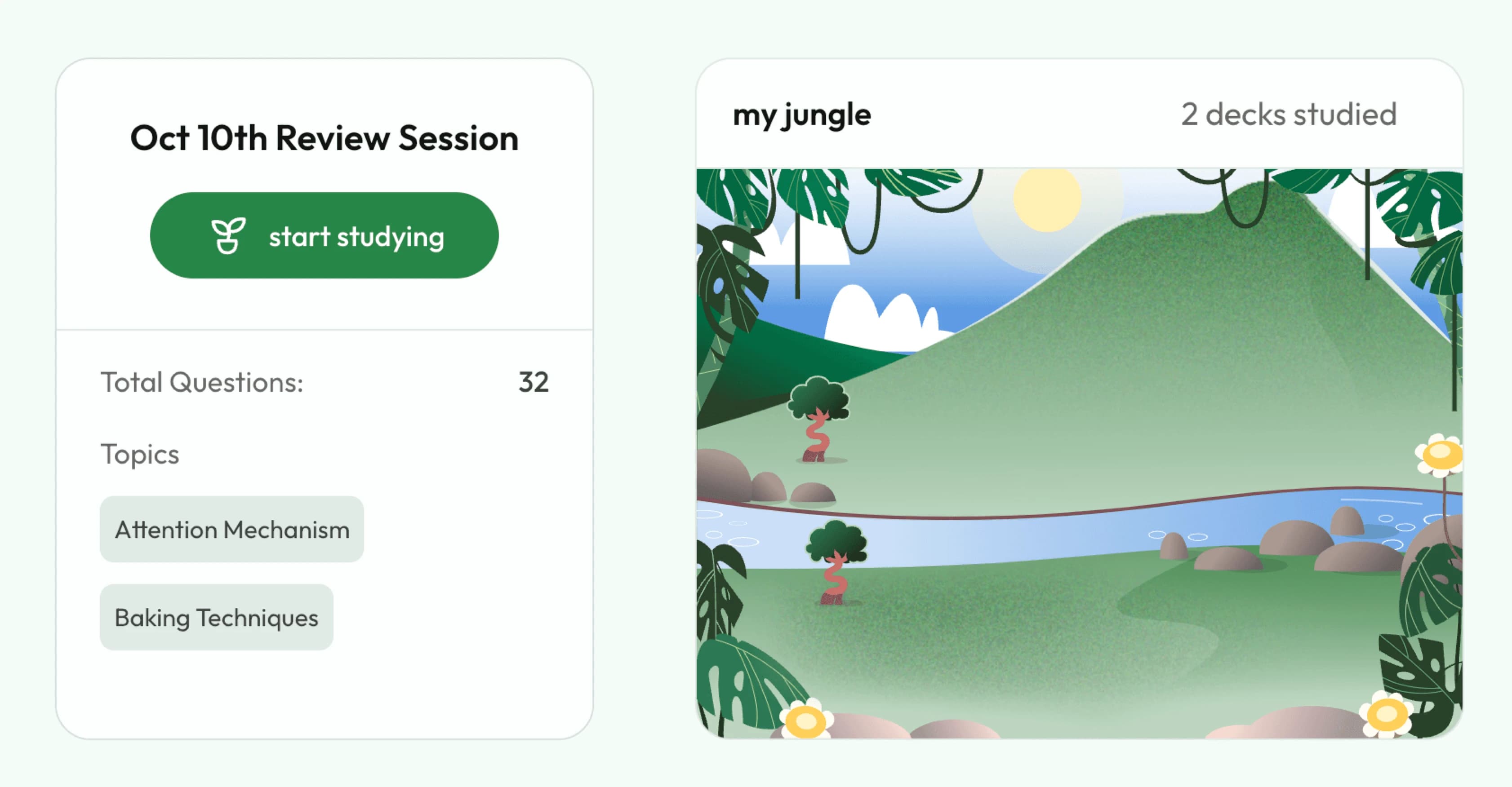
6. Suno AI — Ritualize the Chaos (and Closure)
What keeps unpredictable learning from being stressful? For us, it’s ritual. Every time a tangent explodes (in a good way), we write a quick Suno prompt (“Song for When We Lost the Plot,” “Chant for Debates That Changed Our Direction,” “Anthem for Teachers Who Give In To Curiosity”). Suno gives us a new track each week—sometimes funny, sometimes a class memory bomb—and by spring, our playlist is a timeline of our wildest adjournments. Closure isn’t just a review—it’s a celebration of following the question, every time.
Try Suno AI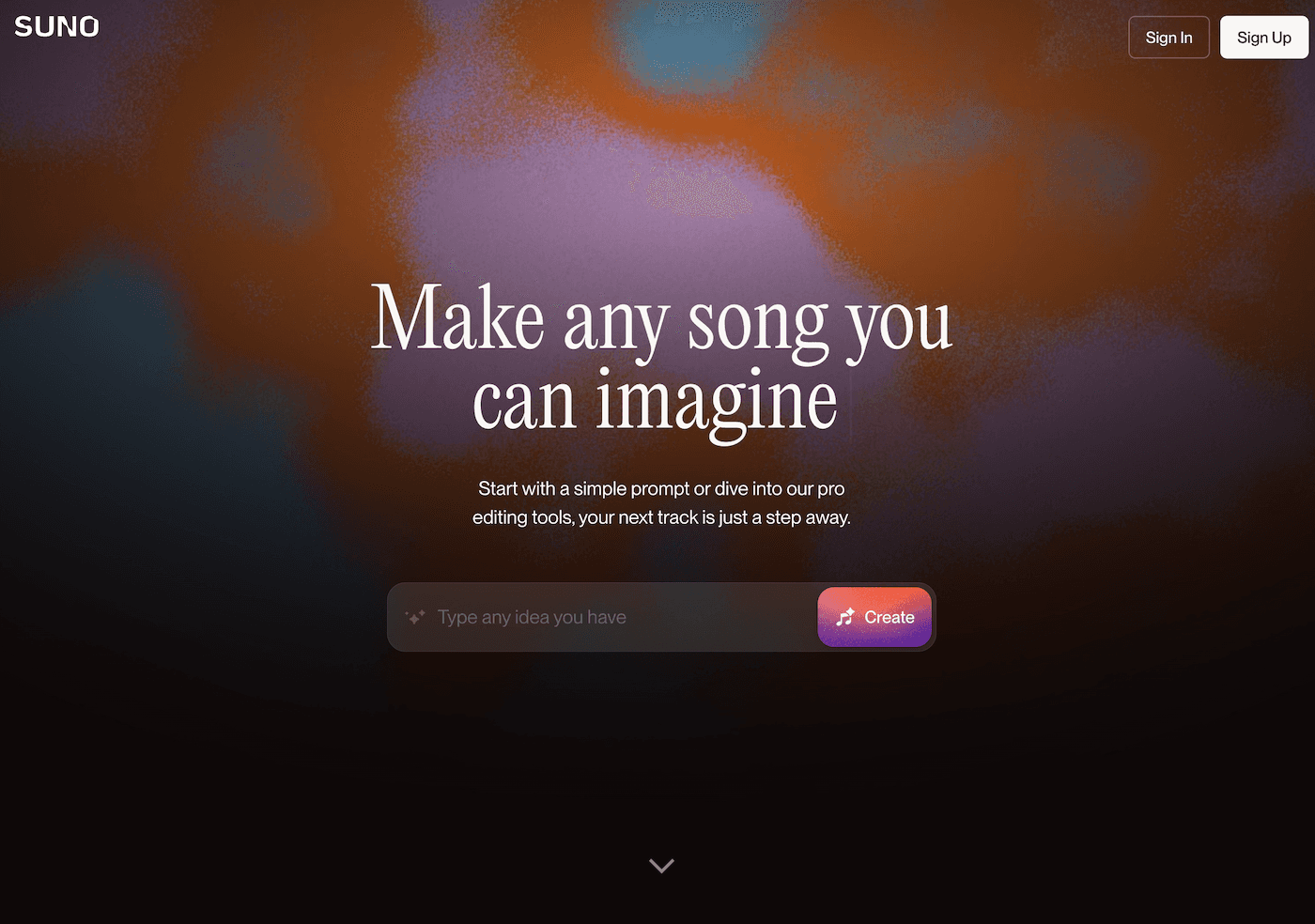
For Teachers Who’d Rather Follow Inquiry Than Finish Slides
- Make curiosity public: Notebook LM and Gamma archive the trail, making real learning visible for families and for next year’s classes.
- Show your plan and be brave enough to update it publicly—Kuraplan is at its best when it’s remixed together.
- Say yes to “can we try this?”—let Diffit and Jungle handle differentiation and check-ins so you can focus on discovery.
- Build rituals for every detour: Suno turns the wild days into legacy—not just chaos.
- Never apologize for a lesson that got sidetracked by real questions; that’s where lifelong learning lives (and AI can help you remember it).
Have your own tangent workflow, detour celebration, or AI hack that made a big question the best thing that happened all year? Share in the comments—teachers who love spirals need a map, a memory, and a little music to keep the magic going.