6 AI Tools for Teachers Who Love the Unexpected
If you're the type of teacher whose favorite memories come from unplanned inquiry spirals, surprise guest speakers, or a student question that rewrites your unit map, this post is for you. I teach in a school that loves a theme week, a hallway detour, the wild "what happens if..." experiment—across grade levels and subject areas. My classroom mantra is less “stay on script” and more “make space for what’s next.”
But teaching this way is, let’s be real, exhausting. You need tools that can keep up with pivoting priorities—to archive the ever-growing brainstorm pile, adapt on-the-fly, and help every student join in, even when today’s plan looks nothing like Monday. Most AI tools say they’ll help you “organize”—but what if what you crave is fuel for the unexpected journey?
Here are six AI gems (with field-tested workflow tips and warnings) for teachers who turn every "off the rails" moment into something unforgettable. And yes,
Try Kuraplan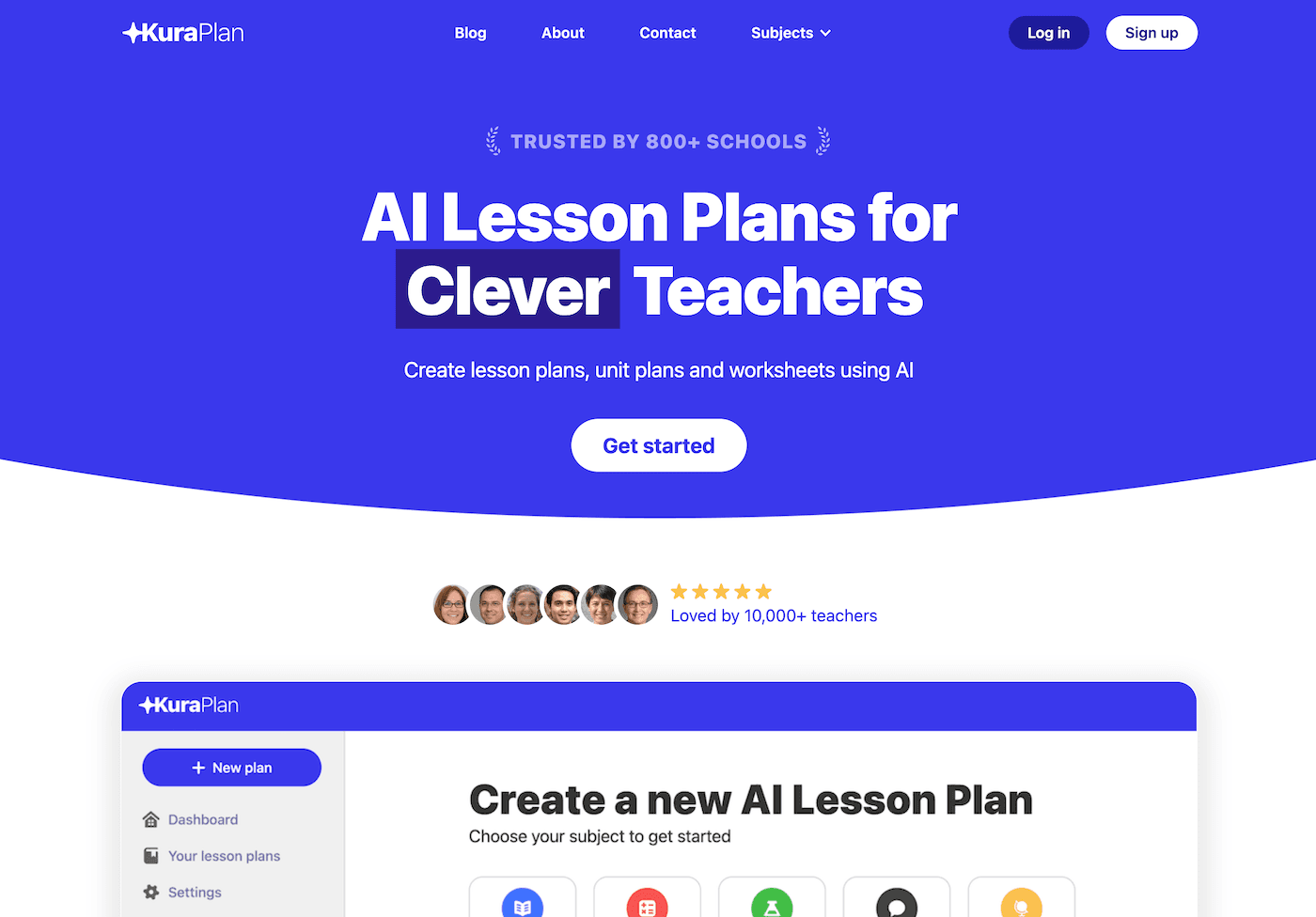
is in here—but only as the backbone for letting you bend, not break, your plans.
1. Gamma — Capturing the Story of Your Detours
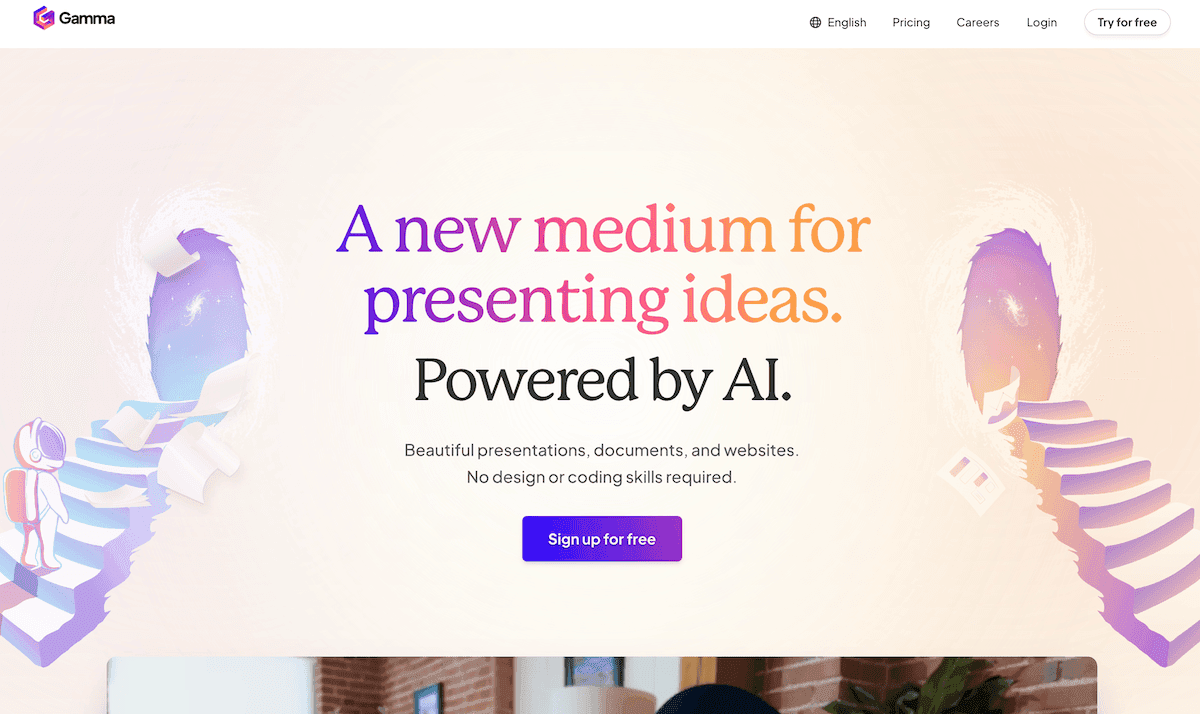
Most of my best ideas appear on sticky notes taped over somebody’s worksheet, or as whiteboard clouds half-wiped by the next class. I use Gamma to track and showcase the journey:
- Snap group brainstorms, debate webs, and pivot-day photos, then drop them into Gamma.
- The AI organizes every messy piece, creating a visual timeline or gallery you can edit live. At the end of a wild week, project your Gamma story for students, admin, or even parent night.
- Let kids annotate: “This changed our thinking!”, “Here’s the moment we got lost, in a good way.” Your "lesson plan" now becomes living evidence that learning happens between, not despite, the chaos.
2. Kuraplan — Anchor Plans, Not Handcuff Them
Plans anchor courage. But the trick to teaching for surprise is having a map you want to update. I start each project block, unit, or major inquiry with a shared Kuraplan draft:
- Drop in must-hit standards, pacing hurdles (assemblies! fire drills!), and space for “as-yet-uninvented learning days.”
- Each Tuesday (after wild Mondays), my class reviews the plan together—moving checkpoints, flagging ideas to postpone, or voting on which experiments are worth making the focus.
- The best weeks? We tear up the roadmap—but never lose sight of our why. Admin sees a real plan; every student sees themselves as an architect, not just a traveler.
3. Diffit — Scaffolding the "Can We Use This?" Moment
Today’s student discovery is tomorrow’s resource headache. That viral TikTok transcript, student-written poem, or Grandparent’s 1972 journal… is never at the "right" level. Diffit makes the mess accessible:
- Paste in anything—an article, transcript, or even a student’s dad’s text message explaining economic inflation.
- Get differentiated reading packs, targeted vocab, and creative comprehension prompts in seconds.
- My ritual: let students propose offbeat sources, "Diffit-ify" them for the whole group, and see who can spot what's missing (or gained) in the translation.
You’ll never have to say “maybe next quarter” to a wild student resource again.
Try Diffit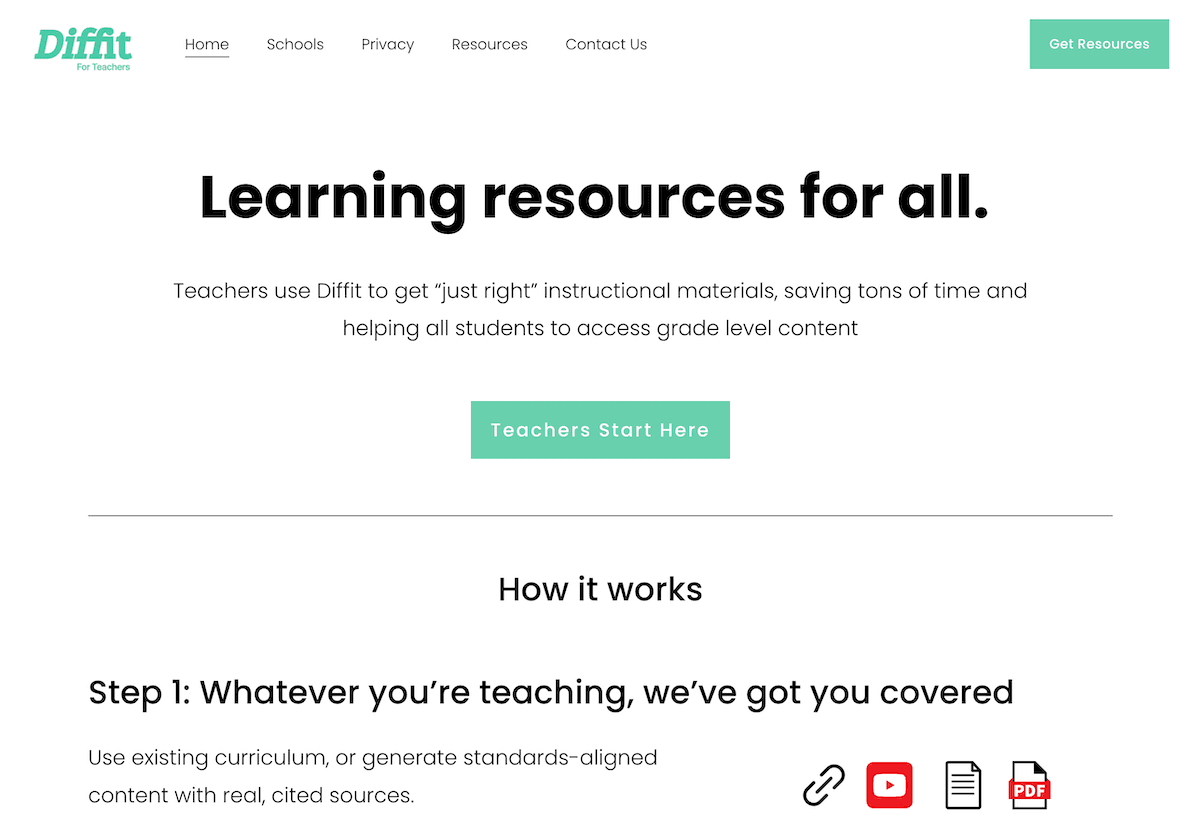
4. Notebook LM — Building an Archive of “Aha!” Chaos
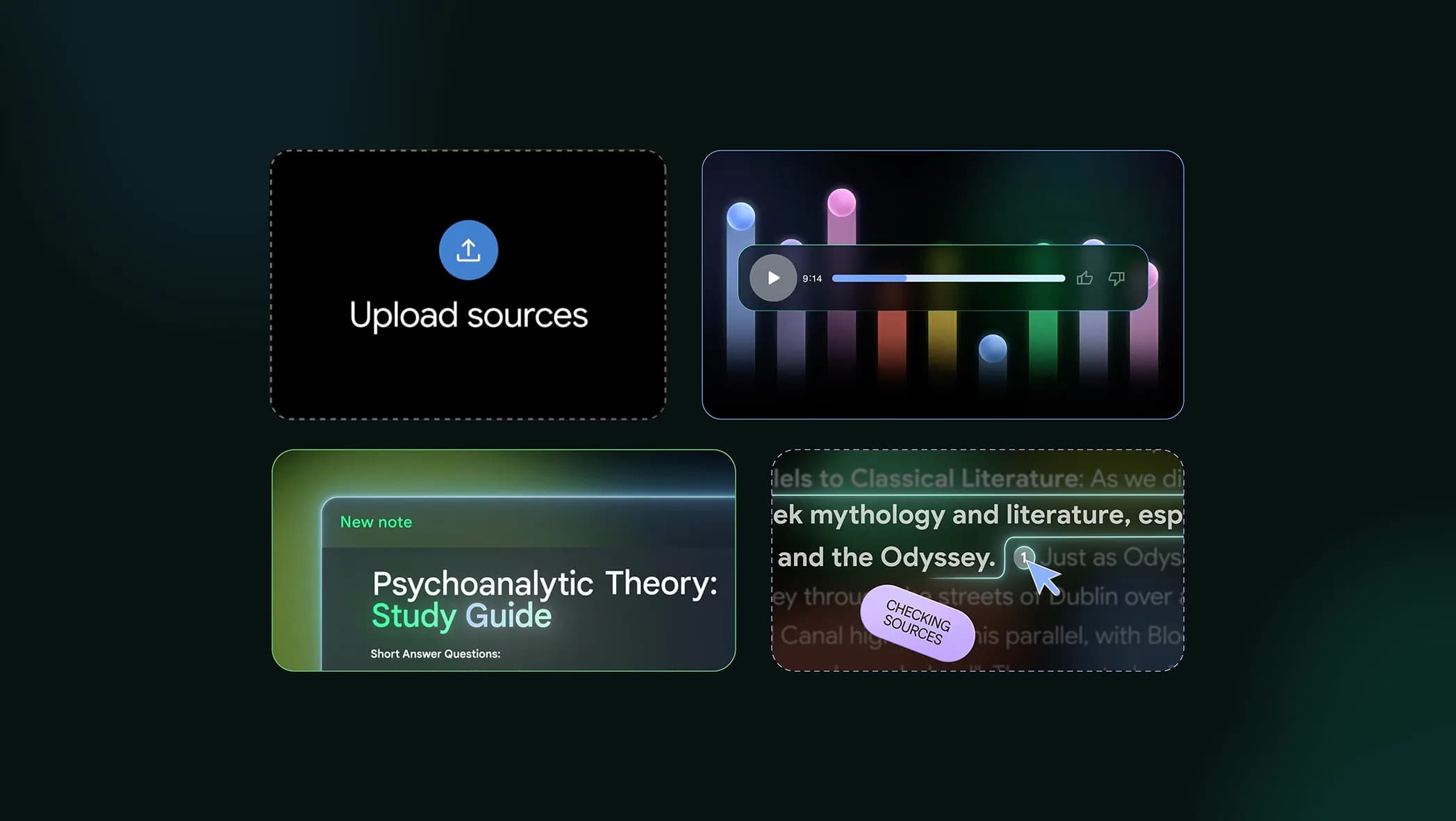
The curse of surprises is memory: wild brainstorms vanish, debate masterpieces are erased, and journal entries never make it past Friday. I use Notebook LM as a continuous class archive:
- Students tap in after any big moment: voice notes, question slips, group recaps, or sketchnote artifacts.
- The AI clusters themes, flags recurring ideas (“look how often we stumbled back to the water crisis!”), and drafts podcast or newsletter scripts for end-of-week recaps.
- Every unit close, we review the Notebook LM highlight reel—and often pick our next focus from a question that wouldn’t have survived the wipe-off board. Your best detours become a treasure map for students and for yourself.
5. Jungle — Turning Confusion Into a Collective Game
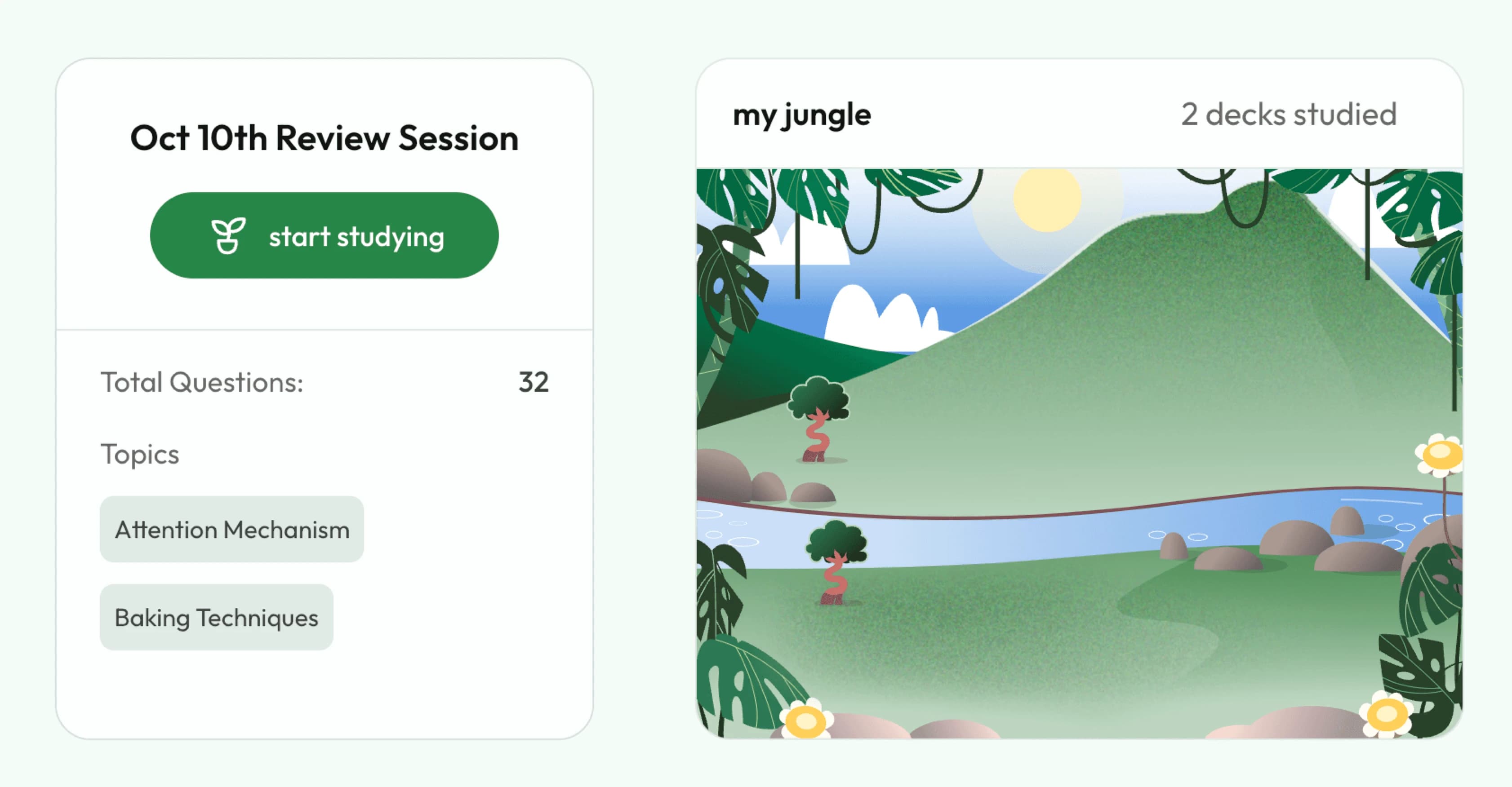
The best review days aren’t about answers—they’re about making sense of the toughest tangents. Jungle lets every group submit challenge cards: “Question nobody could answer,” “Wildest ‘what if...’,” or "something we still don't get." Jungle builds a deck for class games—peer-vs-peer hot seat, teacher trivia, or “what do we wish the test would ask?”
- Archive the best decks; replay them every time a new group asks, “Why do we do it this way?”
- My pro tip: let the most offbeat card get bonus points. Confusion isn’t something to hide, but the seed of your next great lesson.
6. Suno AI — Soundtracking Every Shift
Quick pivots and last-minute ideas can leave a room shell-shocked—or giddy. Suno AI became my class’s sonic ritual: after every surprise detour, we crowdsource a one-liner (“Song for the project that got away,” “Chant for the week we rewrote the syllabus,” "Anthem for Tuesday's debate derailing"). Suno instantly generates a custom class track for transitions, celebration, or even the "we survived!" moment at the end of a rough experiment. Students now link each learning arc to its own song—and late in the year, our playlist tells a better story than any binder could.
Try Suno AI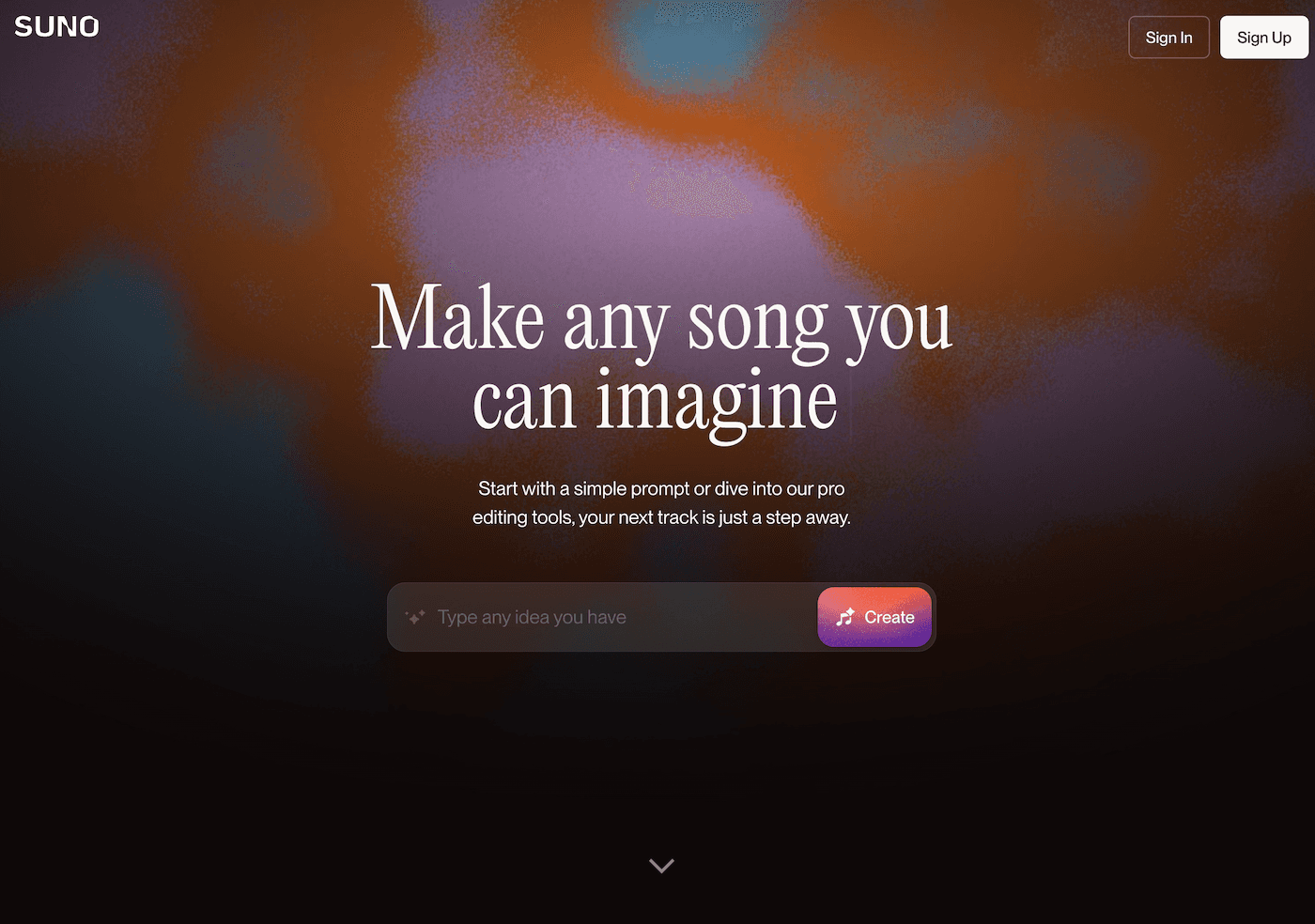
For Teachers Who Thrive on the Thrill of Lesson Pivots:
- Archive everything as you go. Gamma and Notebook LM are your time machine for retracing a wild semester.
- Let maps be public, visible, and student-edited. Your next learning adventure is one student question away; Kuraplan’s value is never in the script, but in the flexibility.
- Say “yes” to wild resources by making Diffit part of your daily toolkit—empowering access, not just control.
- Make review and rituals playful: Jungle and Suno keep every pivot grounded in culture, not just completion.
- Never let tech replace the magic of surprise; at its best, it should document, scaffold, and celebrate it.
Have a favorite tool or story from a week when your class veered gloriously off-road? Drop your hack, ritual, or "pivot playlist" below. In 2025, learning happens at the edge—and the right AI sidekicks make the jump much more fun.