6 AI Tools for Teachers Who Thrive on Interruption
If you love teaching for the moment a lesson falls apart—when a student’s question, a school announcement, a fire drill, or a group brainstorm tears straight through your plan—this post is for you. Maybe you teach art, fifth-grade homeroom, modern world history, or simply haven’t met a detour you didn’t turn into an opportunity. I’ve built my classroom on disruption: some planned, some accidental, all honest. But let’s be real: teaching through interruptions is hard.
In 2025, most AI tools still aim for routine and predictability. But teachers fueled by interruptions—those who see learning in chaos, who treat surprise as the lesson, not the enemy—need workflows that celebrate and organize the beautiful mess. After a year where at least three lessons a week were rewritten mid-hour (thanks, lockdown drill!), here are 6 genuinely classroom-tested AI tools that helped me catch, reflect, and build on the opportunities only interruption can offer. Kuraplan is in here—but not at the top, because sometimes you need a spark before a roadmap.
1. Gamma — Turning Every Distraction Into a Storyboard
You know the week: you try to start a unit, but between sudden assemblies, viral TikToks, and student-led protests, your lesson is cut to 8 minutes. My move? Every lost hour, half-baked brainstorm, or new question is gathered—photos of the whiteboard, phone snapshots of surprise class debates, voice memos from hallway discoveries—then dropped into Gamma. Its AI auto-weaves interruption into a living visual timeline, annotated by students post-hoc: “Here’s when we switched units after gym class news,” “When the sixth graders rewrote the plan.” By term’s end, it’s a portfolio of interruptions—perfect for parent night, reflection, and (actually) showing admin that learning doesn’t live on a worksheet.
Try Gamma
2. Notebook LM — Class Memory for Side-Quests
Confession: I lose the threads of major learning moments in a tangle of DMs, Post-its, exit tickets, and walk-and-talk summaries that die before next week. Now, after any major interruption—a student outburst, an impromptu roundtable, a flood of new questions—everyone drops their notes, voice memos, or group tangents into a shared Notebook LM. The AI connects repeat interruptions ("why do we change units every full moon?"), clusters open topics, and drafts Q&A scripts for reflection podcasts. We kickstart Mondays replaying these audio memories, letting last Thursday's fire drill or book ban protest spawn the new week’s plan.
Try Notebook LM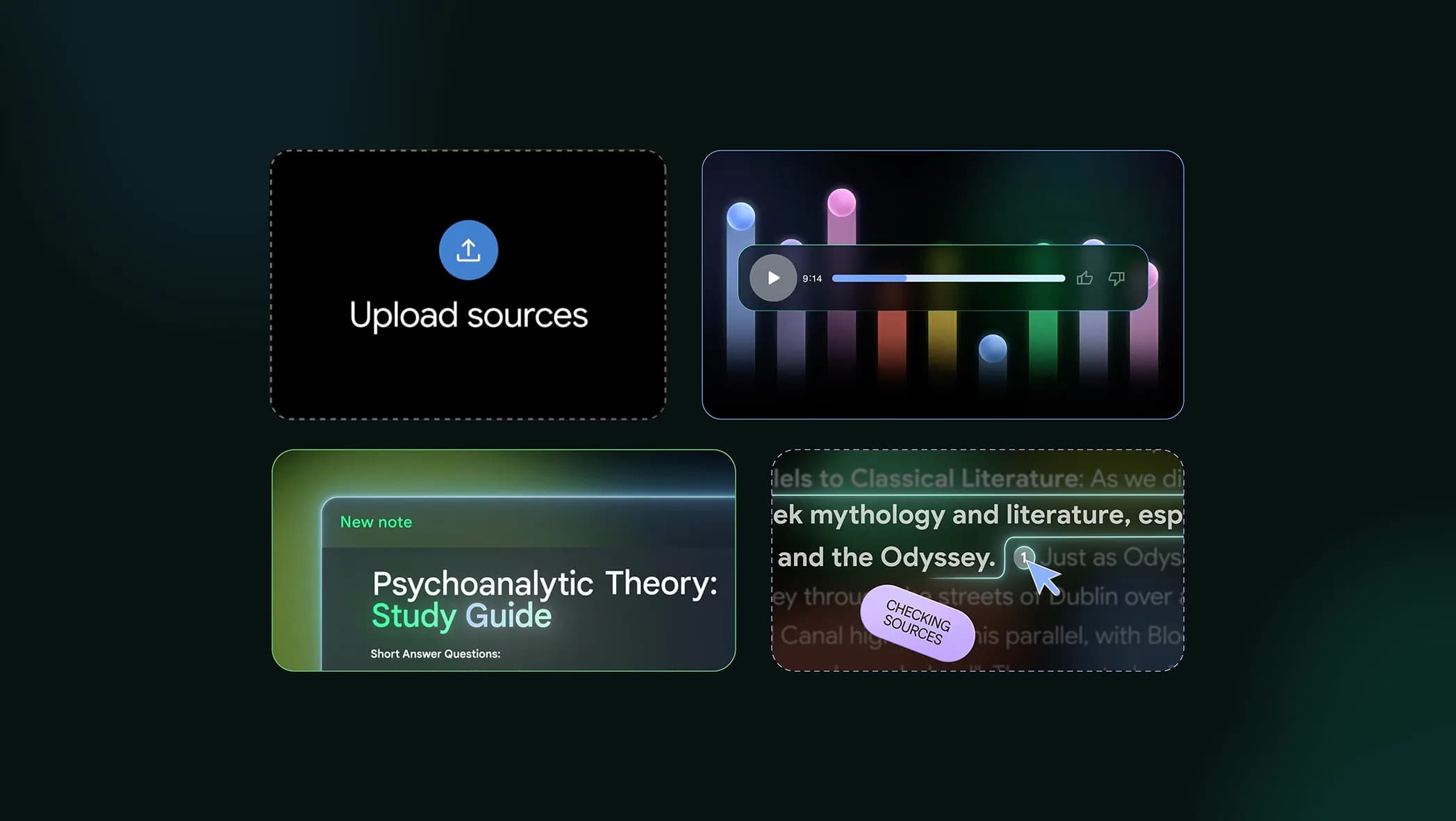
3. Kuraplan — Editable Roadmaps for Post-Pivot Planning
Interruptions are wonderful…until you need to justify your progress. Kuraplan became my go-to for picking up the pieces: after any major class detour, I open the map, drop the abandoned checkpoints into a ‘Retired/Interrupted’ column, then co-edit with students—the best questions, the new unit, the emergent project, whether to swing back or keep surfing the new. My rule: always leave 1-2 “ripcord” slots per unit, so anyone (including the principal who interrupts with a surprise assembly) gets to see why we pivoted and where it leads. When schedules are wild, Kuraplan’s living roadmap makes flexibility an asset, not a liability.
Try Kuraplan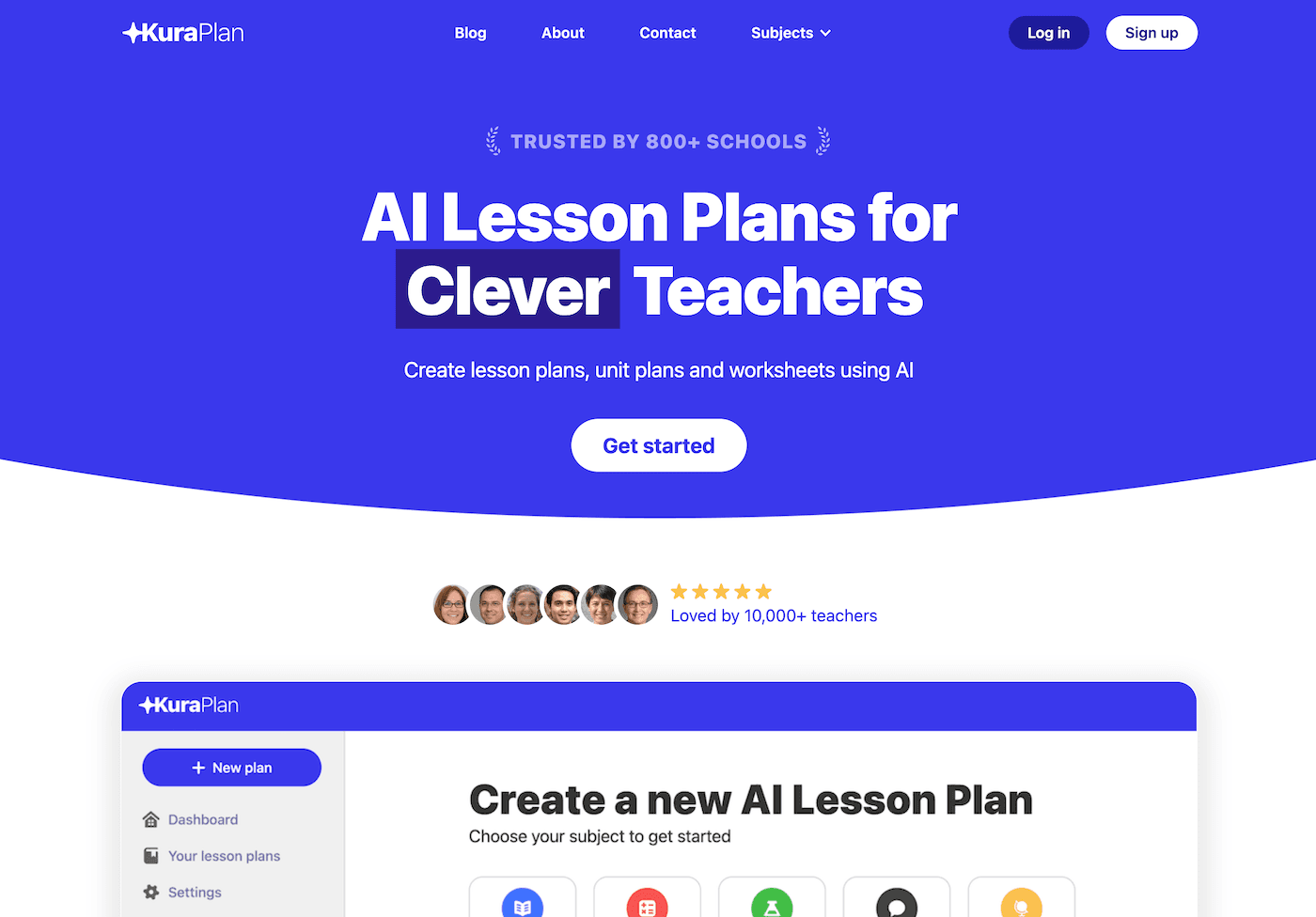
4. Diffit — Instant Scaffolding for Unexpected Resources
Every interruption brings new content—news alerts, a student’s social media find, or a classwide rampage for the story behind tomorrow’s assembly. But not all my students can jump into a new, student-sourced resource on the fly. With Diffit, I paste anything—emergency notice, break-in news, a home language proverb—and in moments, get leveled readings and vocabulary prompts for the whole class. Bonus: handing over the adaptation role lets the students own the pivot—interruptions become a class design challenge, not just a teacher rescue mission.
Try Diffit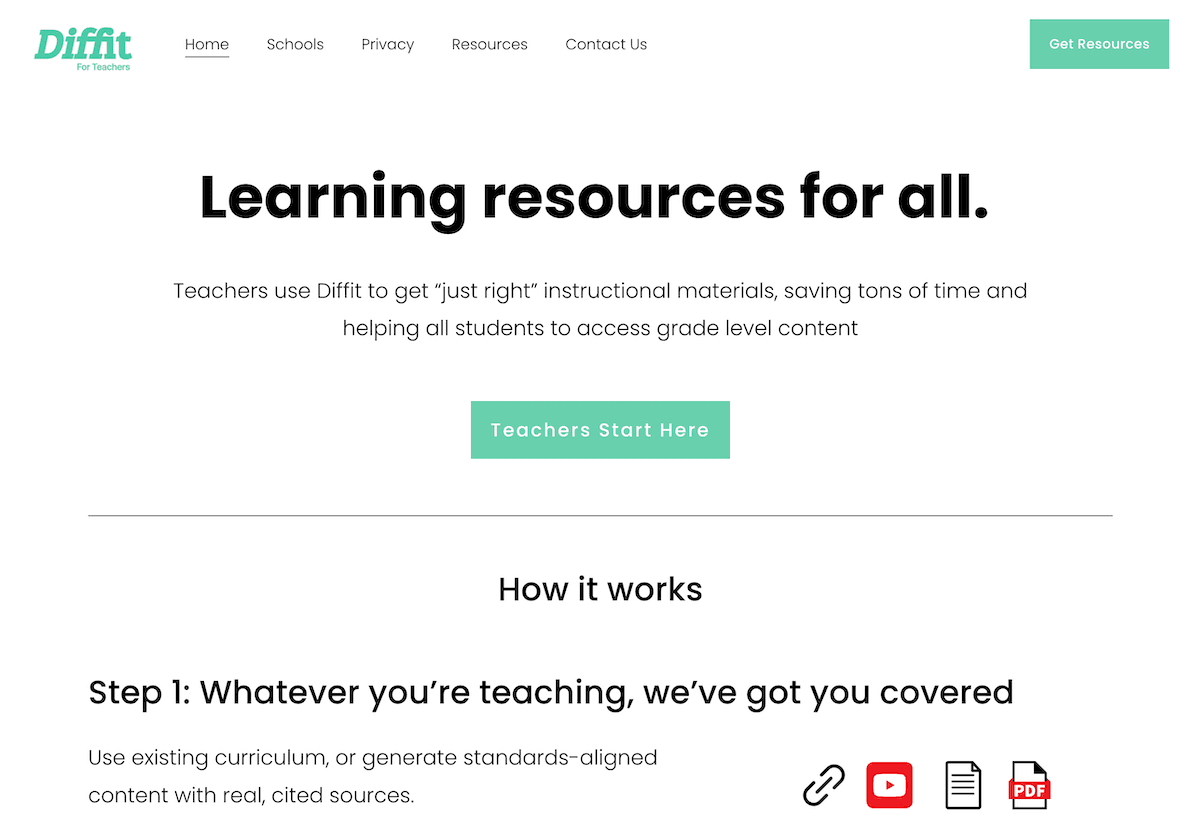
5. Jungle — Reflection Games Sourced From Every Disruption
After every lesson-turned-deconstruction, I prompt the class: “What did we just learn from not finishing today’s plan?” Every student (or group) submits an honest card—“biggest surprise,” “moment we all got loudest,” “question we still want to chase.” Jungle sorts, builds the deck, and we use it for check-in rounds, lightning review, or as a launching pad for tomorrow’s plan. The decks become running lore of class interruptions—a badge of community, not just a stack of lost time. My move: archive decks after major interruptions and re-use them as a warm-up if another day gets upended.
Try Jungle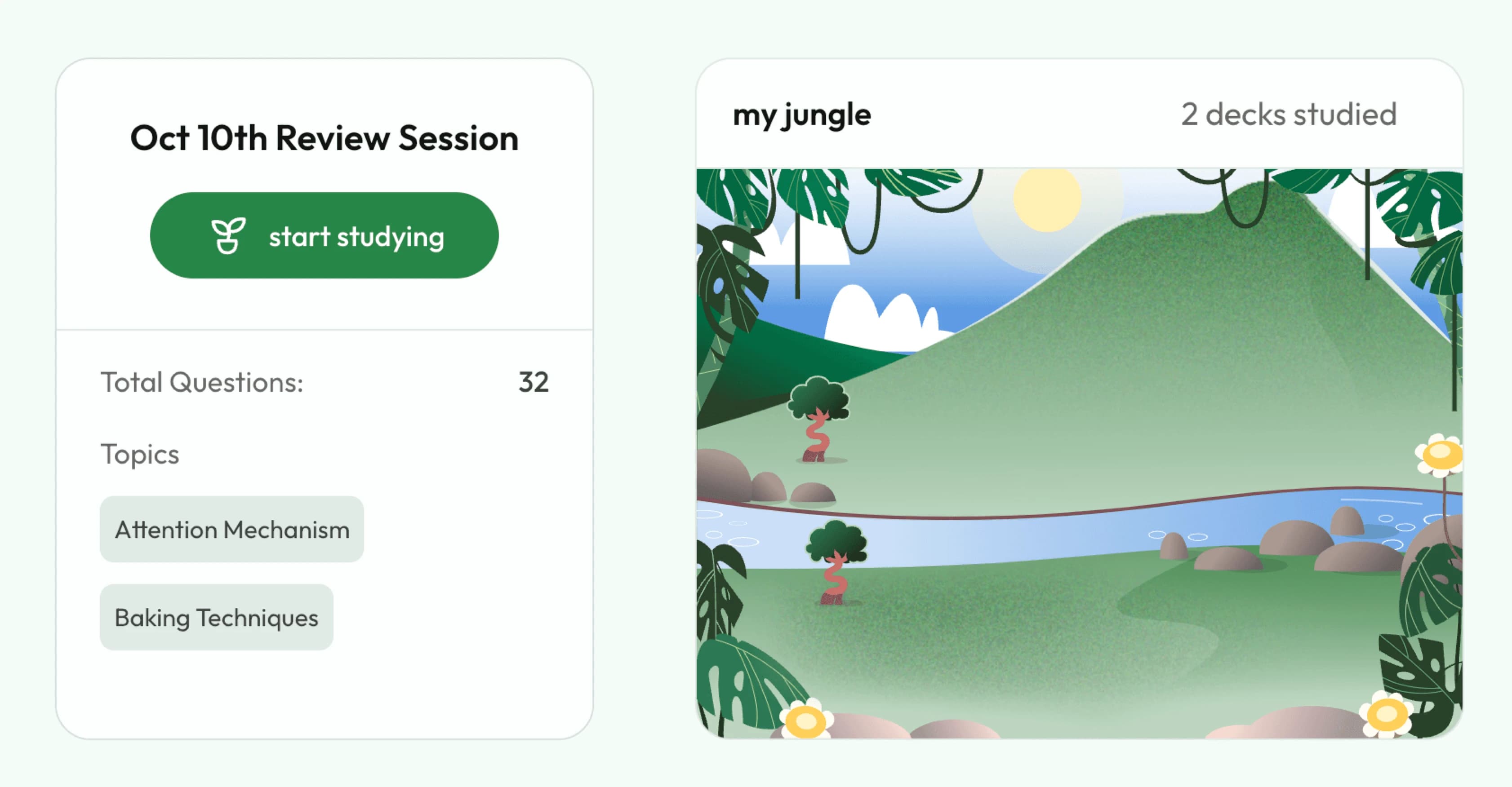
6. Suno AI — Rituals for Reclaiming the Interrupted
When the bell cuts off discussion, when a pizza party replaces project launch, or just whenever the energy tanks mid-lesson, my class now crowdsources lyrics for a Suno anthem: “Song for the Class That Never Finishes,” “Ritual Chant for Pivot Tuesday,” “Ode to Surviving a Power Outage.” Suno quickly creates a custom, student-fueled class track for closure, whimsy, or collective reset. These traditions make interruption a source of community pride—we turn surprise into memory. Students now request custom tracks whenever someone new walks in at the wrong time!
Try Suno AI
Final Takeways for Teachers Who Embrace Broken Agendas
- Archive EVERY disruption. Gamma and Notebook LM transform what others call ‘lost time’ into your class’s unique story.
- Let planning be as responsive as interruption—Kuraplan roadmaps are living documents, not contracts.
- Use pivots as an on-ramp for access. Diffit makes the newest, weirdest, or most student-driven surprise a fair resource for all.
- Ritualize chaos! Jungle and Suno turn the unpredictable into celebration, review, and shared lore.
- Teach like you mean it: the best lessons are often those that lived five minutes past the bell—or survived being interrupted, not avoided it.
If you’re a teacher who looks forward to the next interruption—or has a workflow for turning classroom chaos into collective memory, drop your story or best AI hack below. In 2025, the best evidence of learning is what happens after your lesson plan leaves the page.