6 AI Tools for Teachers Who Love Unfinished Projects
You know the feeling: there’s always another prototype in the corner, a group changing topics on day 9, six wild Google Docs half-titled “V2.5—really final,” and at least one kid who learns more from the “work in progress” wall than any polished essay. If you’re a teacher who believes that partial, messy, and interrupted projects are not a problem—but proof your classroom is alive—this is for you.
I come from a project-based chaos: science fairs that mutate midstream, ELA memoirs that sprout into podcasts, and group builds nobody wants to call “done” because there’s one more thing to try. But traditional teaching (and too much edtech) still wants tidy finish lines and locked-down rubrics. This year, I made it my mission to collect AI tools that celebrate the journey, not just the ending—the apps that give unfinished work a voice, a home, and even a bit of joy.
Below are 6 field-tested tools and hacks for showcasing, iterating, and learning through the incomplete. Kuraplan is here (in the #3 slot, where it fits best), but this wasn’t written by a bot—it’s written by a teacher who knows, some of your best stuff never actually “finishes.”
1. Notebook LM – The Incomplete Portfolio, Finally Visible
Real project learning means tracking what might become something—and Notebook LM is the portfolio builder for the not-yet-ready. Every day, my classes (and I!) dump rough drafts, doodles, lukewarm peer feedback, failed experiment logs, even “why did we drop that idea?” voice notes into Notebook LM. The AI surfaces threads (“problems we’re still chasing”), clusters recurring questions, and—even better—offers suggested next-step prompts or podcast templates for groups on the fence. On showcase night, our best wall is the “Never Finished… But Worth Revisiting” shelf. Even parents now see the learning arc, not just the shiny final.
Try Notebook LM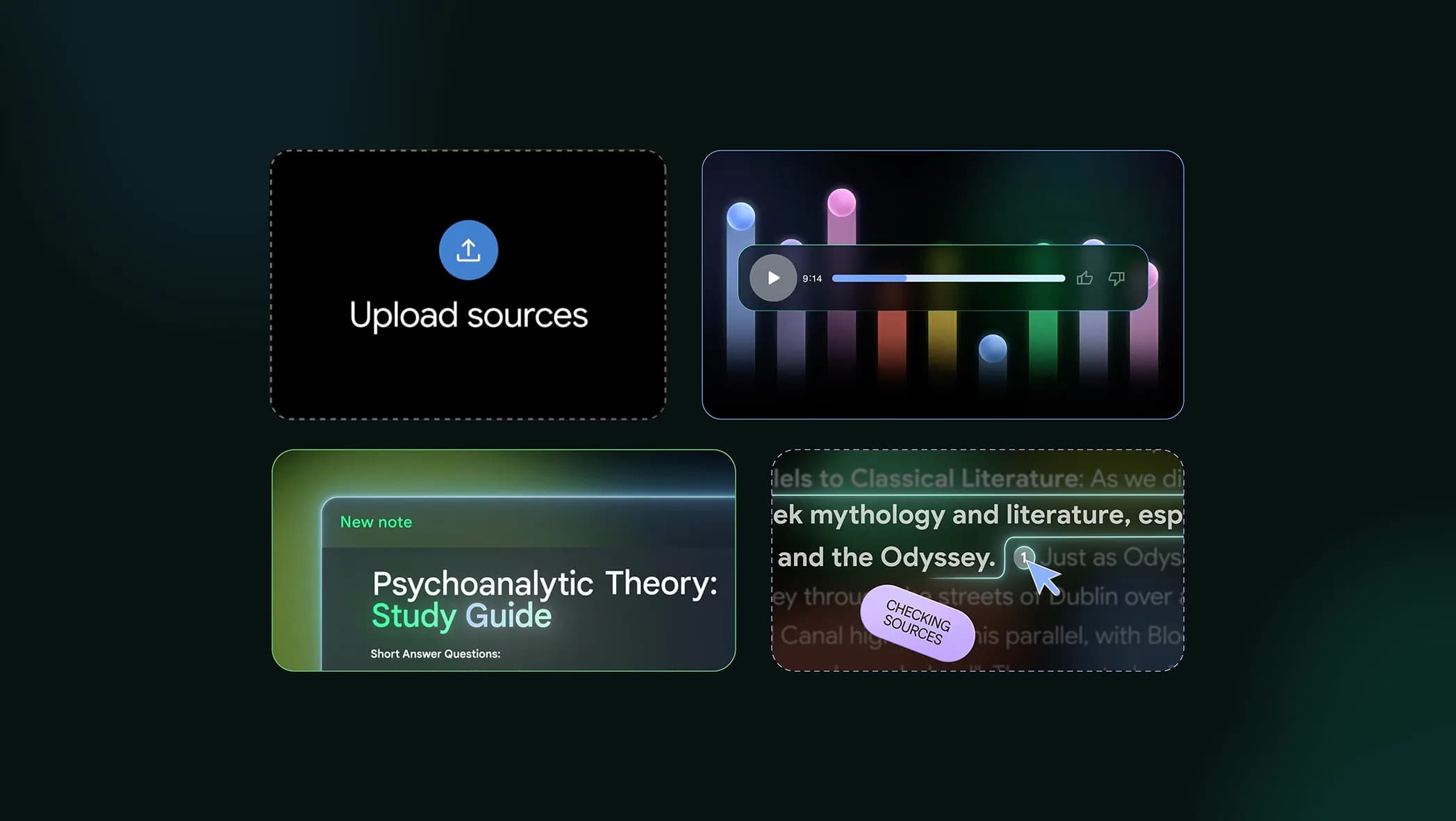
2. Gamma – Turn Mess Into a Progress Gallery
Forget finished slideshows—Gamma is now our class “progress wall.” Whenever a group pivots, stalls, or just abandons a project for something new, I capture the state—photos, mindmaps, sticky notes, messy step-bys—and throw them in Gamma. The AI organizes into a scrollable timeline or evolving ‘museum exhibit’ of our thinking. Best use case? Our “rough builds” open house—parents, peers, and even future students walk our circuitous paths and try predicting which project might come roaring back next semester. (Even admin have started to appreciate the value of the incomplete, because it’s so visible now!)
Try Gamma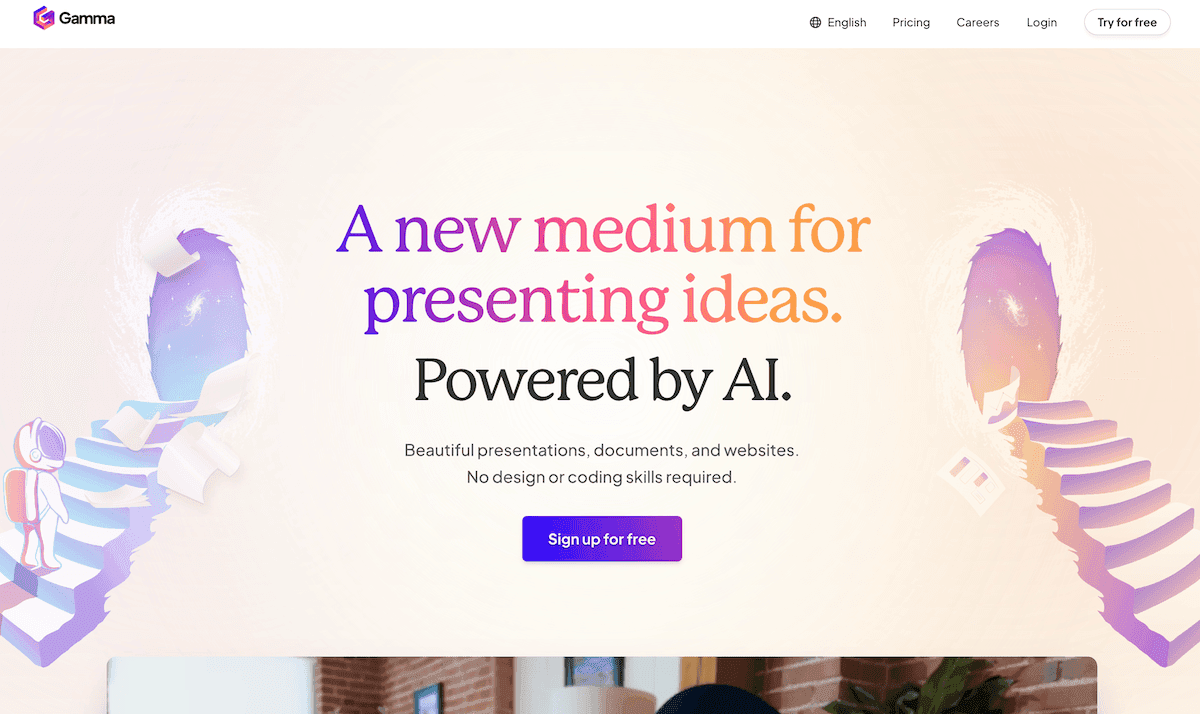
3. Kuraplan – The Project Reboot Roadmap
Yes, Kuraplan can lay out a picture-perfect lesson sequence. But the real win for unfinished project fans? Use it after a project stalls, not before. I drop the class’s half-baked idea and abandoned checklists into Kuraplan, then challenge the students: “If we wanted to reboot, what would our roadmap look like?” The AI suggests milestones, but we never follow it—students cut, reorder, make new extension branches, or even plan “dead end celebration” days. Now, even failed starts and endless drafts become collaborative maps—not just the end, but the next chance at the end. Transparency, flexibility, and student ownership, even for the projects that aren’t coming back (yet).
Try Kuraplan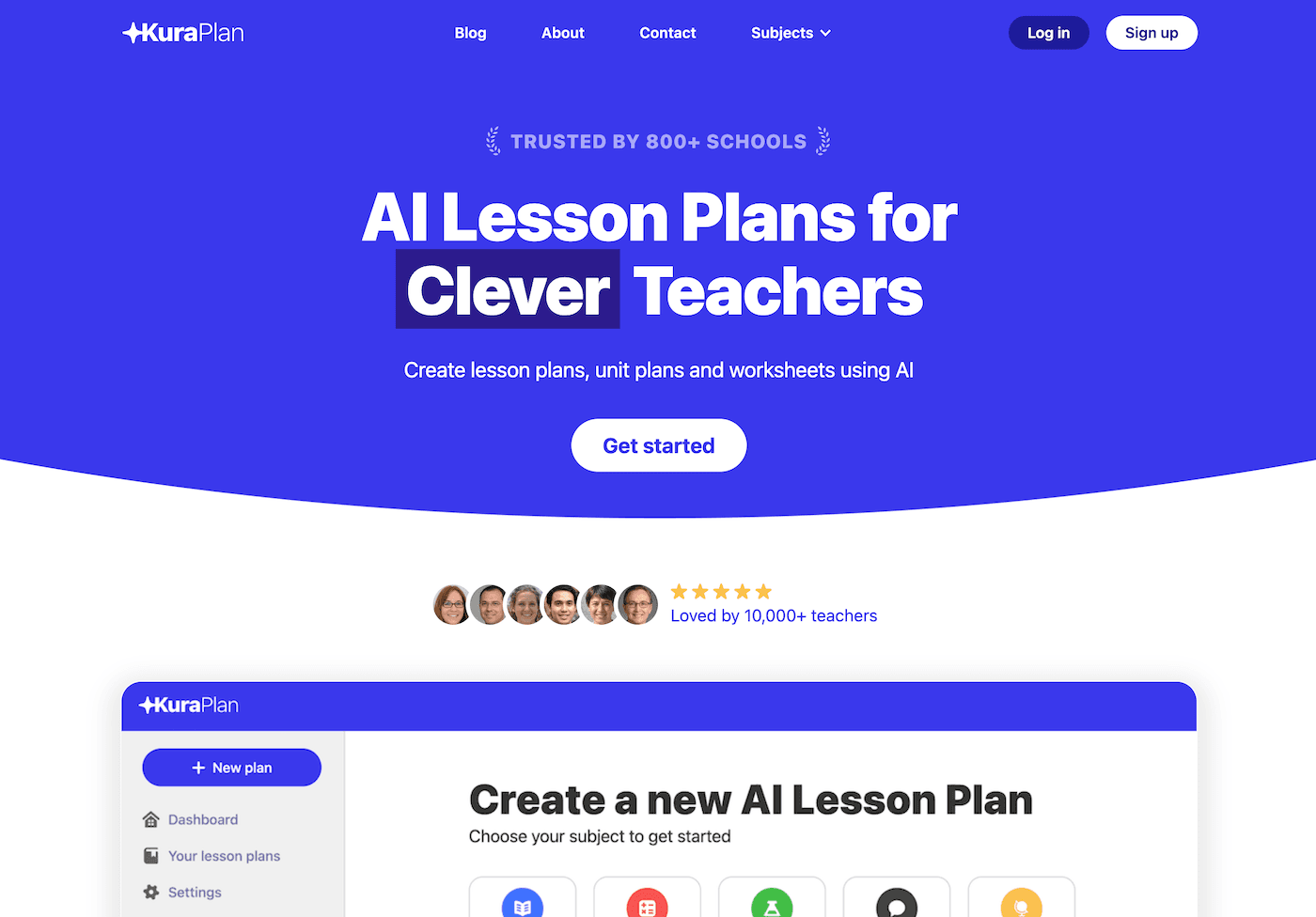
4. Jungle – Student-Generated ‘Not Yet’ Flashcards
Typical review games reward completed products. Jungle is my twist: after each partial project, I ask students to submit cards for “What we never finished (yet),” “Questions we still have,” and “Best failed workaround.” The AI builds collaborative decks that turn post-mortems into entrance tickets, peer coaching prompts, or team reflection challenges. Jungle review game days are now about learning from the left-behind as much as the showpiece projects. Best habit: archive these decks—sometimes, a “leftover” card sparks the next wild unit everyone wants to finish.
Try Jungle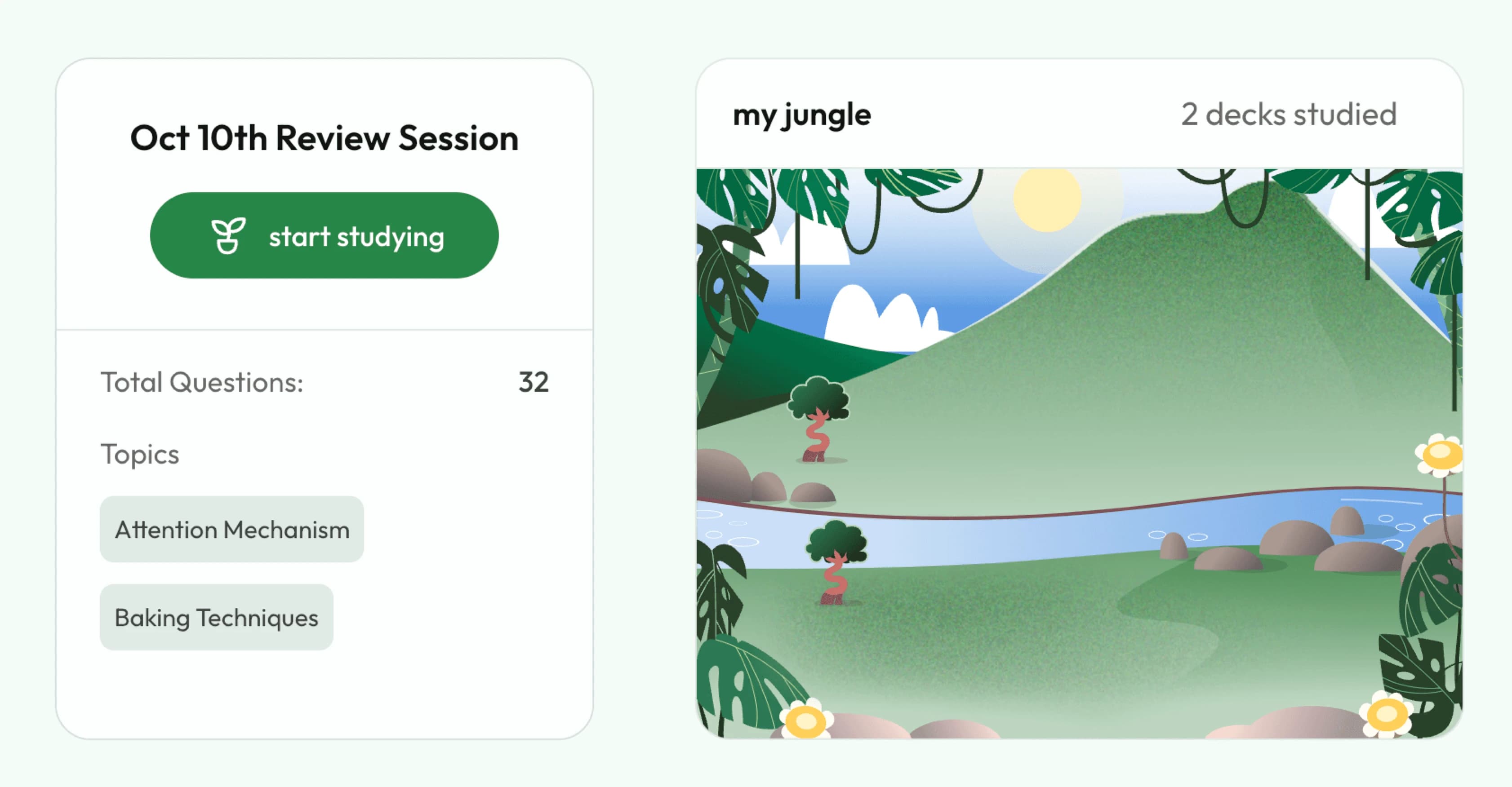
5. Diffit – Adapting Resources for Projects in Limbo
No lesson is complete if everyone’s spinning out at different levels, or if a group suddenly switches to a news story or TikTok transcript way above grade-band. Diffit is now my just-in-time adaptation machine: paste in an unfinished resource (a student’s rough writeup, a partially-translated blog post), and instantly get leveled reading and reflection tasks to help any group pick up where they left off next week. Even the most wayward elective now has continuity: if you leave a project half-finished in May, Diffit rescues it for the fall—and new kids, or returning groups, never have to start at square one.
Try Diffit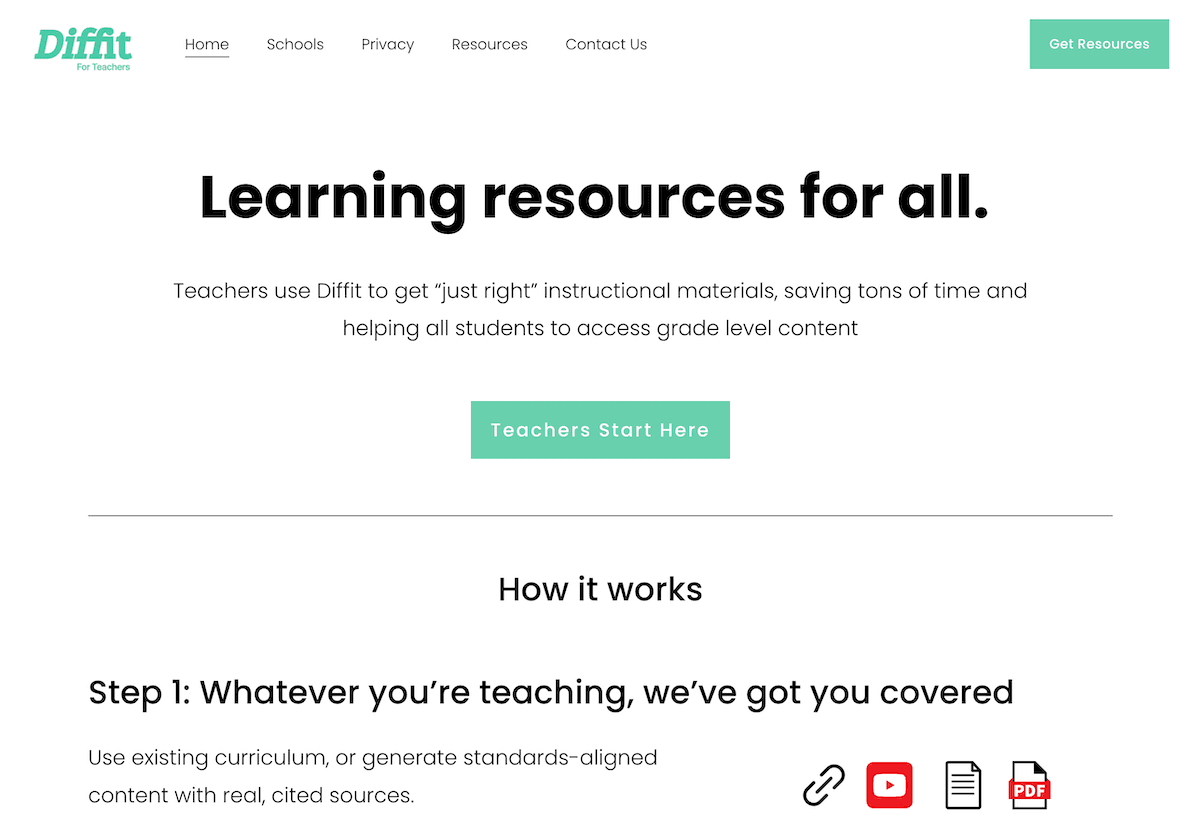
6. Suno AI – Ritual Anthems for Project Pivots and Incomplete Wins
You need a class culture that embraces unfinished work as momentum—not a mark against you. Enter Suno AI. Every time a project stalls, mutates, or we have to abandon a big idea, students write a prompt for an anthem—“Celebrate What’s Left,” “Ode to The Unfinished Zine,” “Pivot Parade.” Suno instantly generates a class song we play for closure, transition, or as a halftime celebration. Truth: students now look forward to the ‘not quite done’ party—those moments of reflection, laughter, and even ritual have made it safe to risk, stop, and even start again together. A playlist for the projects that are still alive, and might just surprise us… next time.
Try Suno AI
Final Words for Teachers Who See Value in the Unfinished
- Archive urgently. Today’s rough draft is tomorrow’s comeback—Notebook LM and Gamma are your best friends.
- Remix planning. Use Kuraplan after the fact—a roadmap for recovery, not just initial aims.
- Celebrate incompletion. Jungle and Suno make the culture of “we’re not done” visible and safe.
- Keep resources flexible. Diffit allows last year’s leftovers or mid-project swaps to become tomorrow’s launchpads.
- Value the pause. The best teaching moments often come in the ‘almost’—not the end. Give your unfinished projects their place in the sun.
If you have an unfinished-project workflow, an artifact-rich habit, or just a story about student growth in the gray area, share your reflections (or your best incomplete project celebration!) below. Learning isn’t always about a tidy finish—and now, finally, your AI toolkit doesn’t have to be either.