6 AI Tools for Teachers Who Unleash Student Curiosity
Some people see a classroom as a structured train ride; I’ve always seen mine as a scavenger hunt. If you’re the teacher whose room explodes with “what ifs?” and unplanned debates—if your students toss out surprises just as you’re about to start your routine—this one’s for you. I’ve taught everything from 4th grade social studies to high school media projects, and every year, the moments I remember are student-driven rabbit holes: the tangent about space stations that became a group video, the viral meme that rewrote an entire persuasive unit, the environmental news story that turned into a debate club.
By now, you’ve probably heard that AI will save you hours—but if you teach for curiosity, your real problem isn’t paperwork; it’s juggling all the wild student questions without collapsing (or defaulting to “maybe next year”).
The tools below aren’t for automating routine—they’re my road-tested sidekicks for wrangling, amplifying, and documenting authentic curiosity. Each comes with my favorite, teacher-hacked workflow. Yes,
Try Kuraplan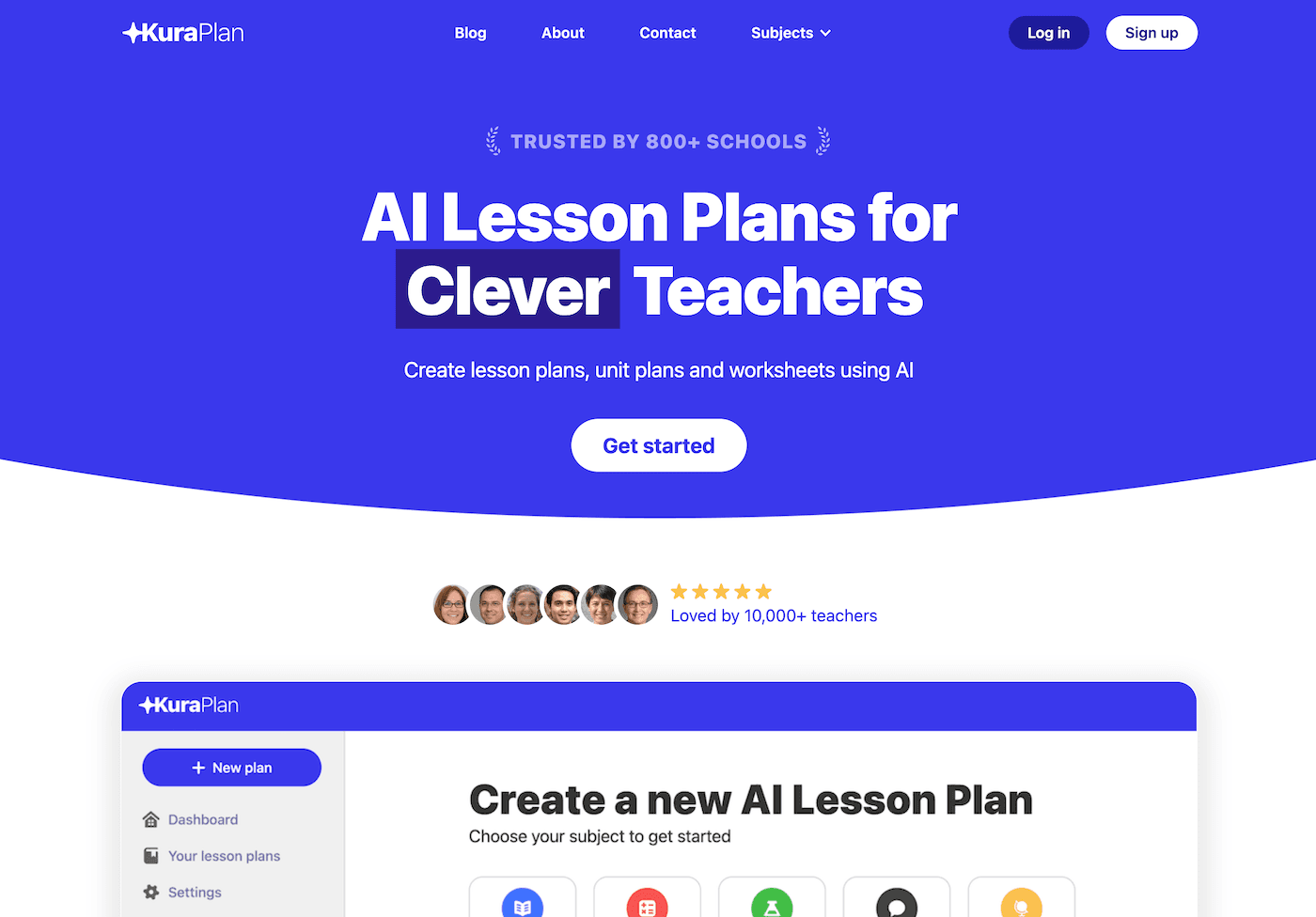
is in here—because you still need a “treasure map” for your classroom chaos. Ready to take students’ questions—and yourself—further in 2025?
1. Notebook LM – Making Classroom Questions Impossible to Lose
Ever wrapped a lesson with ten sticky notes and a whiteboard cloud of “What about…?”—only to lose it all in the flurry? Notebook LM is now my curiosity backbone:
- Anytime a student blurts out a new question, whether it’s during a hallway chat or a group huddle, we log it—text, voice memo, or photo—straight into a shared Notebook LM file.
- The AI clusters repeat themes ("What’s with the obsession with ancient engineering?"), flags unresolved threads, and even suggests Q&A or podcast scripts for deeper digs.
- Our Friday routine: scan the “Not Yet—But Soon” list and let students campaign for the next project focus. When we revisit an old thread months later, students see their own questions shaped the curriculum.
I’ve stopped losing questions, and started building a visible class tradition: next year’s class even inherits the lingering mysteries.
Try Notebook LM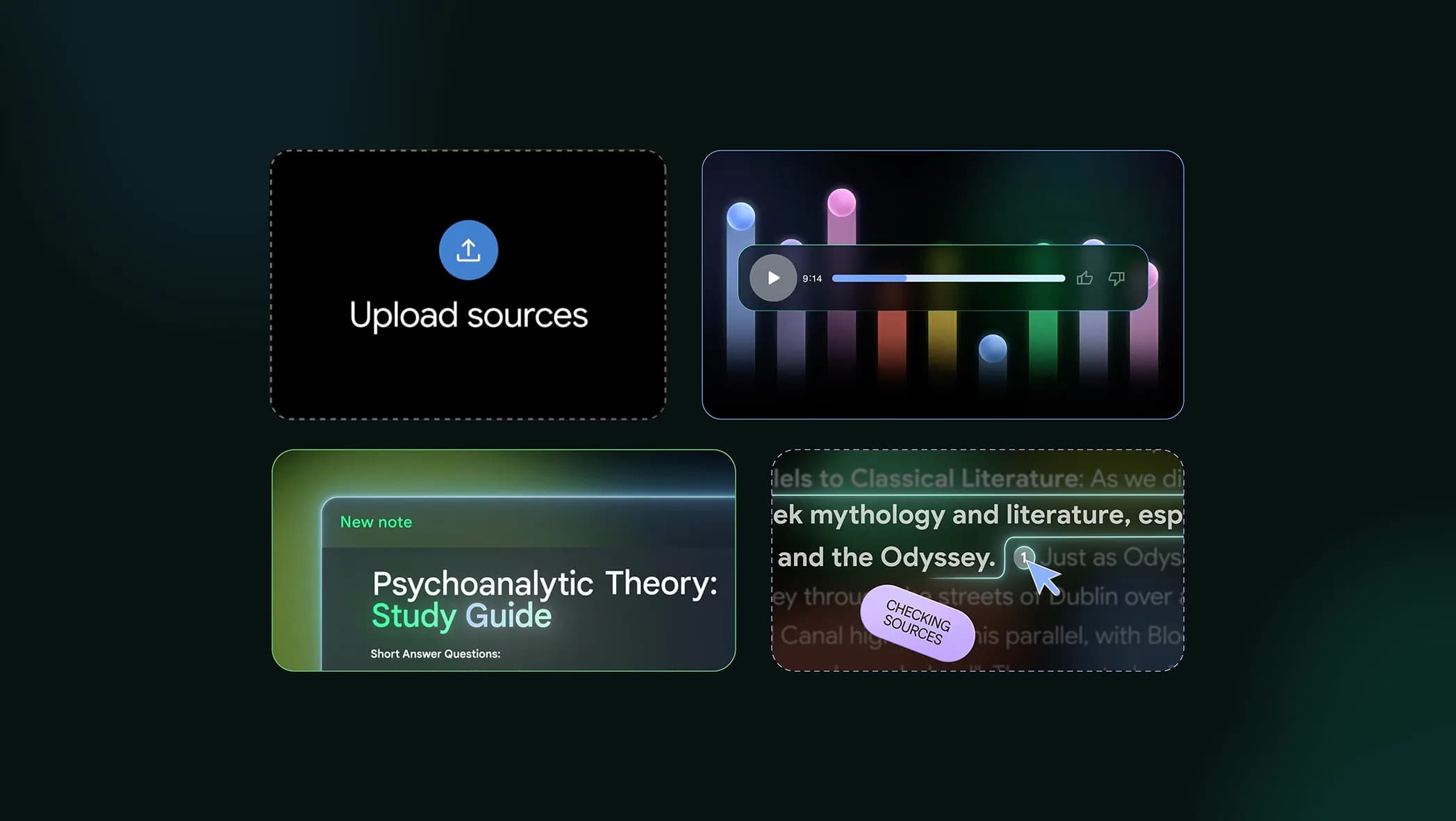
2. Kuraplan – Turning Curiosity Hurricanes Into Real Maps
When curiosity is the engine, plans get messy. Here’s how I use
Try Kuraplanas the treasure map, not a straitjacket:
- First, I list essential standards, but then we crowdsource the big class wonderings from Notebook LM, debate days, and exit slips.
- I plug these “student questions to chase” into Kuraplan. The AI sketches a draft timeline—auto-filling checkpoints, reflection weeks, and integration points.
- My class then edits the map —adding, swapping, or even deleting checkpoints as surprises come up. It’s not a plan, it’s a living quest log.
- Admin get standards, I get buy-in, and every student sees their voice in the map. Most importantly, when a wild idea hits, nobody’s afraid to update the route.
3. Diffit – When Student Discovery Shouldn’t Mean Stop Signs
Letting curiosity lead means students unearth wild resources—a TikTok with six embedded metaphors, a Reddit thread on D-Day, a parent-borrowed field guide three grades too high. With Diffit, no one gets shut out:
- Students —or I—paste any resource into Diffit and instantly get multiple reading levels, vocabulary, and reflection starters.
- Diffit’s magic is empowering: even my ELL/IEP students now submit sources, trusting that we’ll hit “Adapt” and work from there.
- When group research splits, every team works at their frontier—not some artificial minimum.
Best workflow: We compare adapted versions as a class—debating how language shapes understanding. My class now expects that the best explorations start with Diffit, not with “is this too hard?”
Try Diffit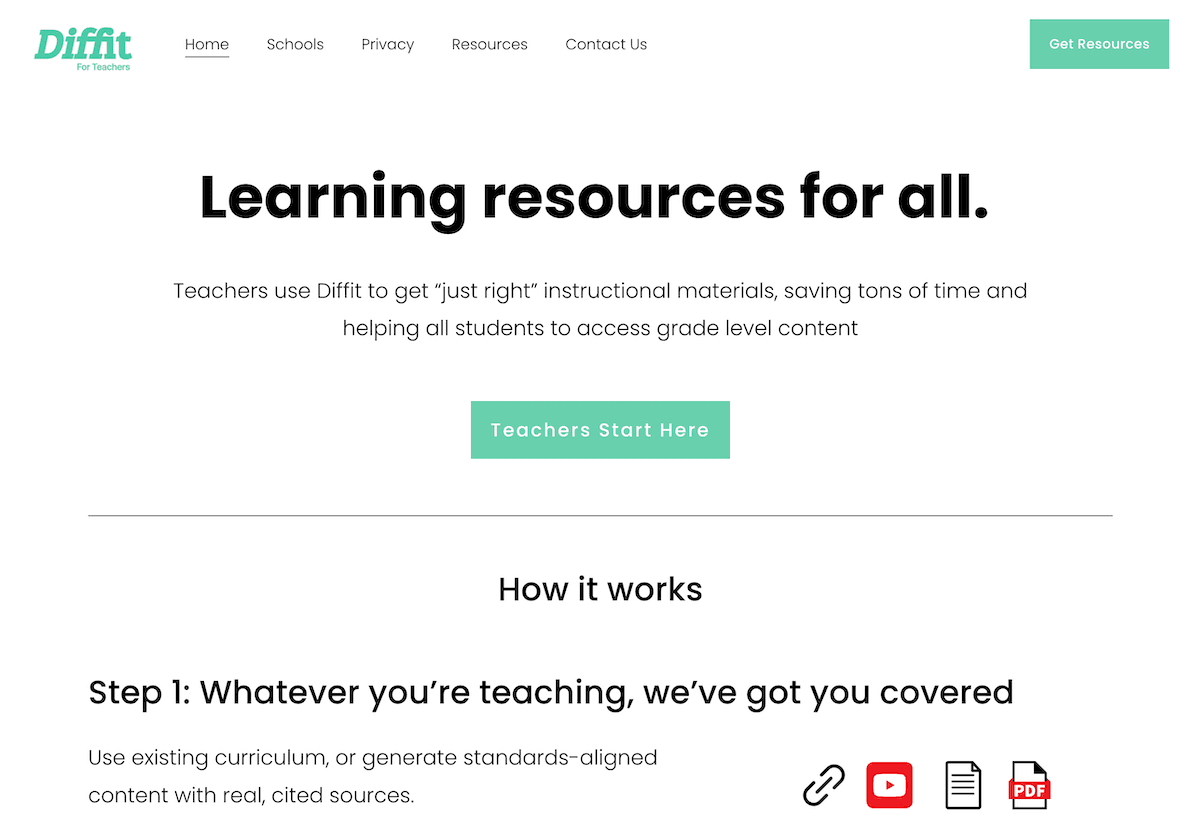
4. Gamma – Storyboarding the Journey of Wonder
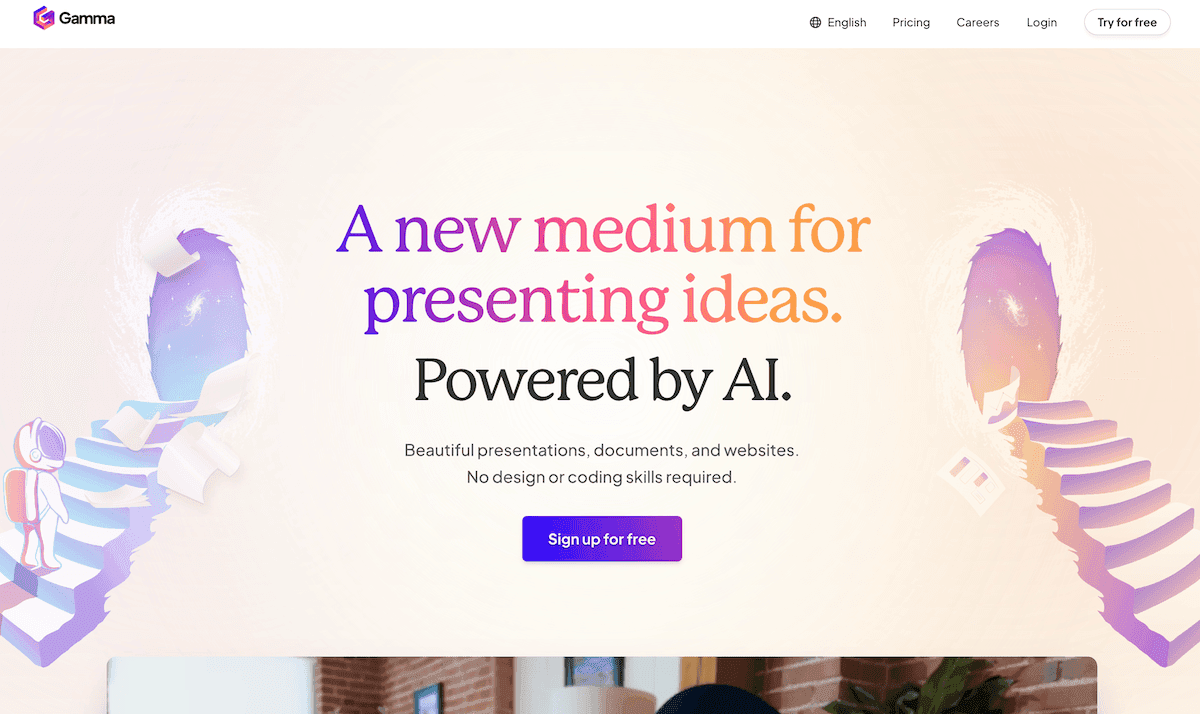
You can’t bottle curiosity, but you can make it visible. Gamma is my go-to for documenting—and celebrating—the beautiful mess of inquiry:
- At every project checkpoint, we upload photos of brainstorms, half-finished group notes, and “things we didn’t know we cared about” to Gamma.
- The AI turns all this into annotated timelines, interactive galleries, or learning portfolios.
- Groups use Gamma to pitch their pivots to the class (“Can we turn this failed hypothesis into a livestream?”); I use it as proof for parents, admin, and future students that real learning is circuitous and public, not just linear progress.
- At the end of the year, the storyboards we made become the best review sessions—students reminisce about detours and “what ifs” that went somewhere.
5. Jungle – Let Students Turn Questions Into the Next Big Review
Students’ best questions are never on the teacher-made quiz. Jungle flips formative assessment: after every “aha” moment, group misconception, or brainstorm-splosion, each student submits their question to a class deck. The AI sorts, de-duplicates, and gamifies the set: review rounds now reflect student wonder—as “Trickiest Question,” “Biggest Unsolved,” or “Pitch for Next Project.”
Pro move: Archive decks so the next class starts with last year’s lingering questions ("Did they ever crack why the Mars probe failed?").
Try Jungle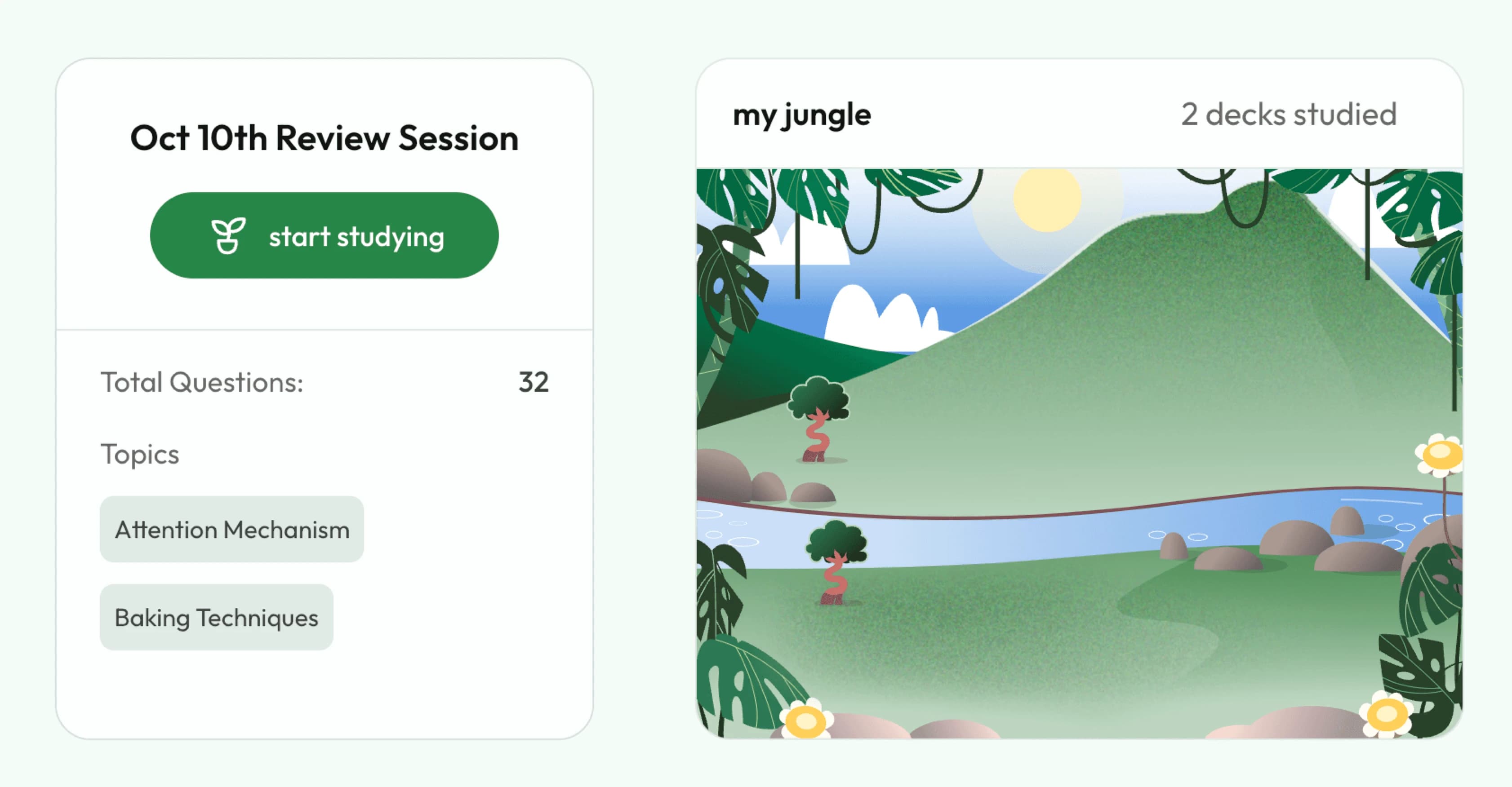
6. Suno AI – Rituals That Make Curiosity Cool Again
Inquiry dies if you don’t make it part of the culture. Suno AI brought curiosity to life with a playlist: after every major question-based project or wild pivot, my class wrote suno prompts (“Song for Stuck, But Still Chasing,” “Chant for Getting Unstuck,” “Anthem for Our Silliest Experiment”). Suno generates the track in minutes, and by March, “What will our next unit anthem be?” is the loudest question in my class.
We use these anthems for project launches, pivots, or just to bring closure when we still have more wondering to do. Turns out, soundtracks are SEL for the adventurous.
Try Suno AI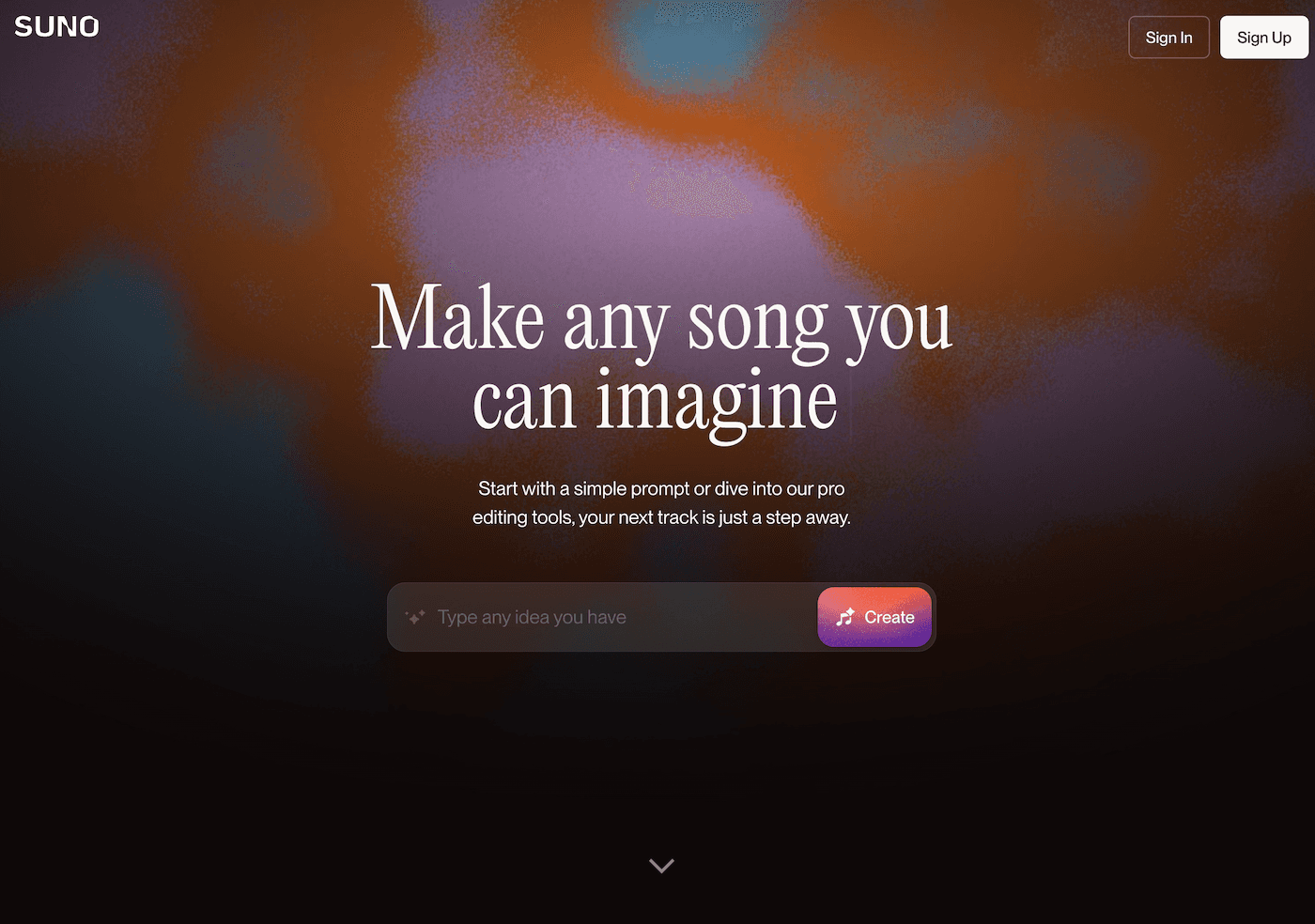
Bottom Line: Build the Whole Year Around Student Questions
- Document curiosity everywhere—not just in a journal, but with public, class-owned tools like Notebook LM and Gamma.
- Make the plan a quest, not a script. Kuraplan is strong when it invites questions onto the roadmap, not just content.
- Differentiation is liberation: let Diffit make every “found” source a launchpad, not a barrier.
- Turn formative assessment into reflection on what’s worth exploring, not just testing.
- Ritualize awe: Suno’s soundtracks, and group review rituals, give memory to your wildest detours.
Are you a teacher running on student curiosity? Have you used Gamma, Notebook LM, or Suno to keep wonder alive? Drop your favorite workflow, curiosity question, or “I didn’t see that coming” story below. In the classroom—and in 2025—when in doubt… let them ask.