6 AI Tools for Teachers Who Love Unpredictable Lessons
If your lesson plans are more of a suggestion than a script, if you treat "unplanned" student questions as curriculum, and if the wildest moments in your classroom always outshine whatever you wrote in your planner—this post is for you.
I’ve built my teaching career as an improv artist as much as an educator. I’m the teacher who updates tomorrow’s slides at 10pm because a fourth-grader asked, “What if plants could talk?” Or who lets one student’s viral news share snowball into a week-long inquiry. But, let’s be honest: the best AI tools for teachers are rarely built for us—the chaos-embracers, the sidetrack-lovers, the “it’ll work out” crowd.
So this year, I hunted for AI that isn’t about batch-grading or prepping day-by-day scripts. Instead, I tested tools that help me harness—rather than squash—creative lesson detours, project pivots, and student energy that never fits in a box.
If you want to turn unpredictability into fuel—not frustration—here’s my toolkit for messy, unforgettable teaching in 2025 (including, I promise, one practical use for Kuraplan that doesn’t kill your vibe!).
1. Notebook LM – Turning Spur-of-the-Moment Genius into Collective Learning
You know those days when your "Why do volcanoes sound angry?" opener spawns twenty offbeat questions, five student theories, and enough debate to fill another week? For years, those moments vanished at the bell. This year, we made Notebook LM our class after-party: every group, every lesson, dumped brainstorms, doodles, polls, and voice notes in real time.
The magic: the AI clusters big themes, spotlights wild ideas, then auto-builds Q&A or podcast scripts you can riff on tomorrow. On a Friday, students re-visit what grabbed them most, building reflection episodes or alumni messages. My favorite trick? When a sub took over mid-unit, they used the Notebook LM archive as a launchpad—no more lost momentum or blank faces.
Try Notebook LM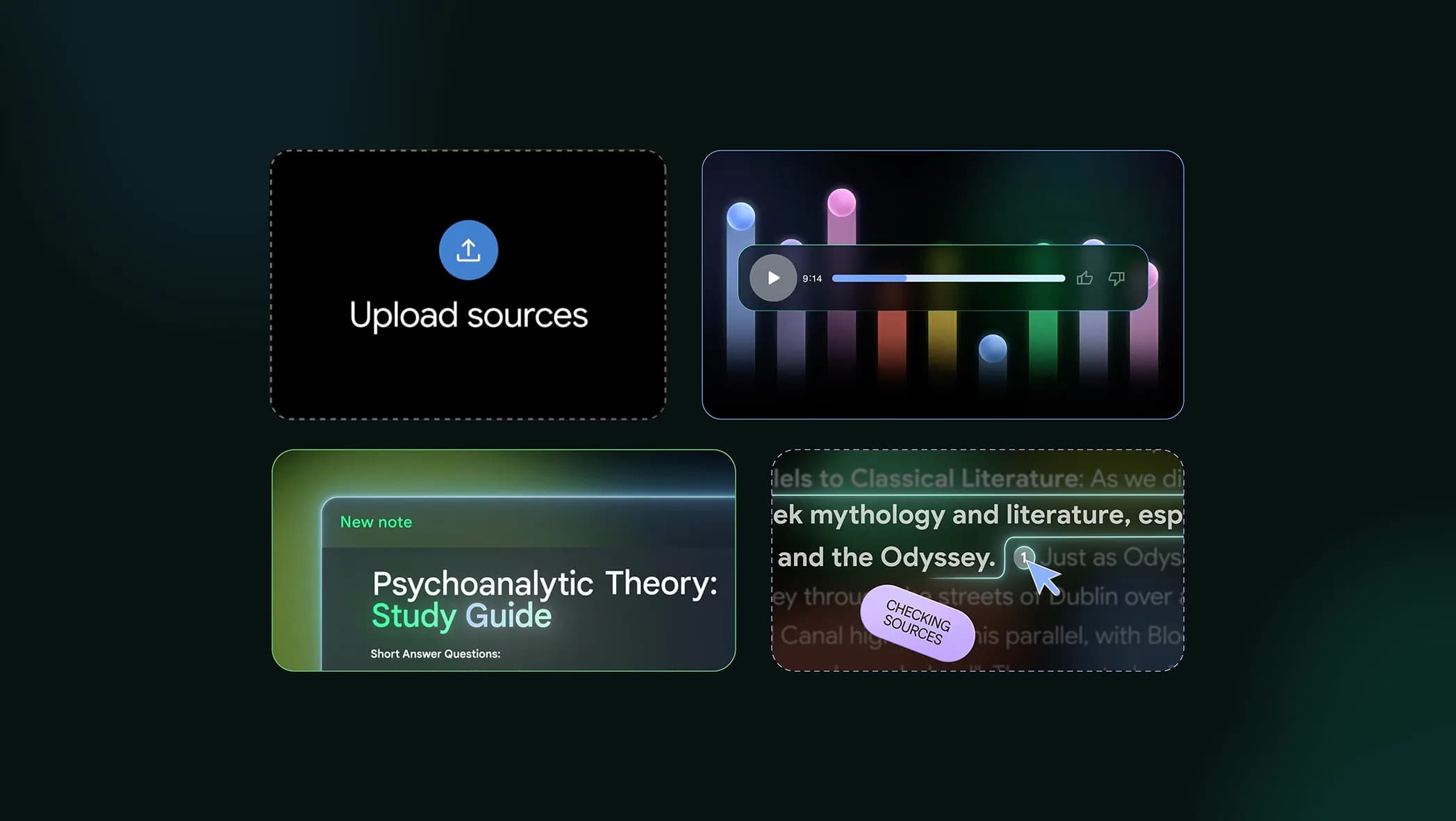
2. Kuraplan – The Flexible Backbone for When Plans Explode
Look, I’ll be honest: I was allergic to AI planners—every time I tried one, I felt boxed in. But Kuraplan finally became my lifesaver the sixth time our “quick” discussion mutated into a full-class mock trial. Now, after a surprise detour, I plug our new direction into Kuraplan, draft a loose skeleton (presentation dates, check-ins, who’s in each group), and blast it to students for edits. It’s just enough backbone to keep us from losing track of time or standards—and I let my class break, reorder, or annotate the plan as we go. Think of Kuraplan as your improviser’s safety net, not a straitjacket.
Try Kuraplan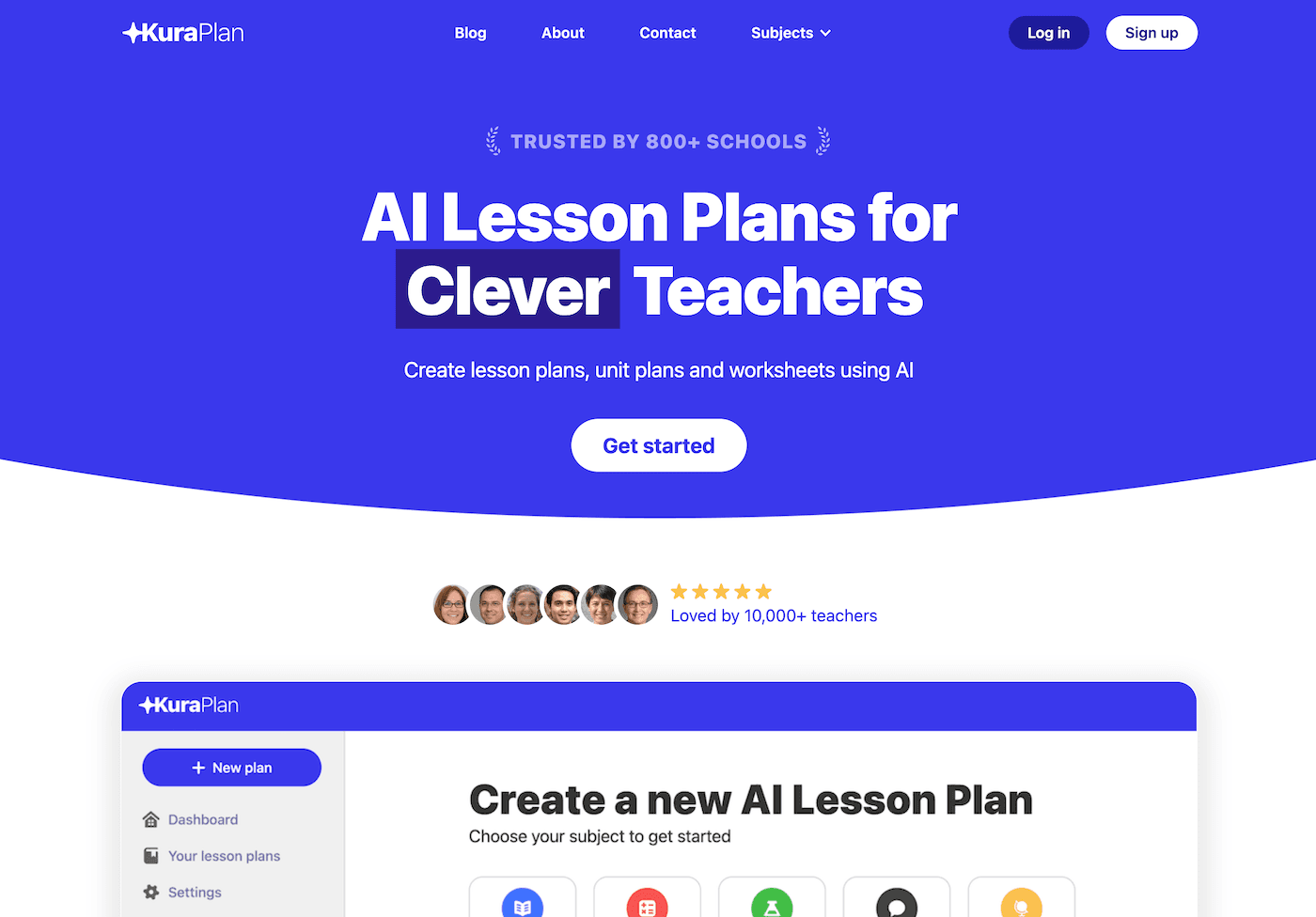
3. Gamma – Visualizing Detours So Students Don’t Get Lost
When three brainstorms go meta and the whiteboard is full, I want a way to show the path we’ve blazed—not just what we planned. Gamma is my hack for this: I (or a student) snap pics of argument maps, half-finished group slides, or field trip photos, then Gamma spits out a visual, drag-and-drop timeline. We recap as a class “here’s how we landed here" story. Suddenly the off-script project isn’t just noise—it’s a journey we can review, show at parent night, or build on next semester. No more “what did we even do this week?”
Try Gamma
4. Jungle – Student-Led Review Games Born from the Unknown
When you don’t know on Monday what you’ll be reviewing on Friday, Jungle is a godsend. I hand it off after every wild lesson or midstream pivot: "Each group, mic-drop your hardest, weirdest, or still-confusing concept from today into Jungle." The AI knits flashcard decks or quiz games, flagging blind spots or the new ideas that stuck. Students lead their own review session (even challenging me), and our “most insane misconception” round becomes a class ritual. My grading anxiety dropped and engagement soared—nobody’s ever bored at review.
Try Jungle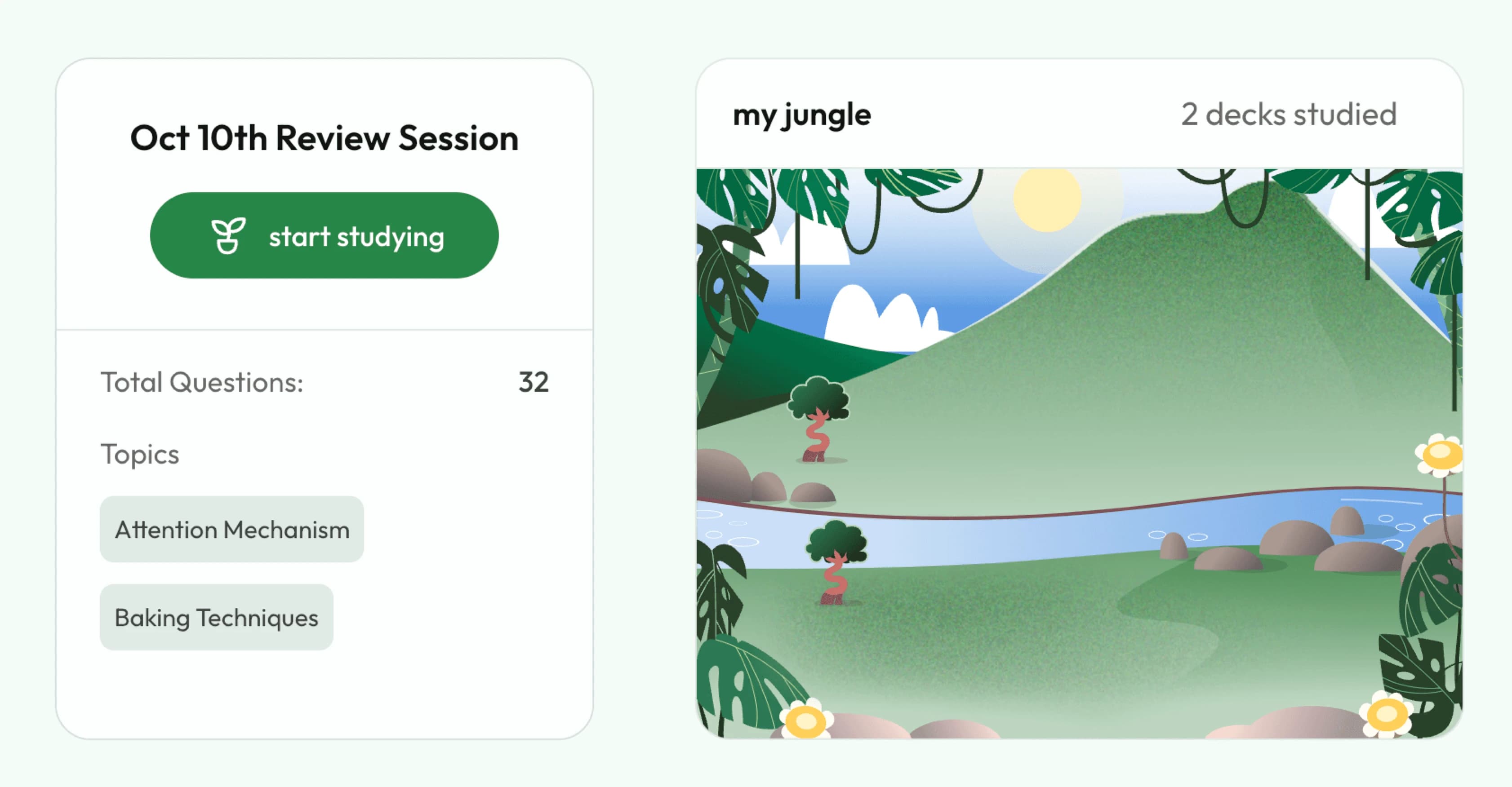
5. Diffit – Adapting On-the-Fly Resources Without Losing Your Mind
I can’t count the times a student shared a breaking news story or TikTok review, only for me to realize half the class can’t access it. When others scramble, I paste raw text or a transcript into Diffit, and get customized versions—leveled for my ELLs, my advanced readers, or even to anchor a Monday morning circle. It’s become my “every-student-in-the-room” weapon. Bonus: groups now bring in their own resources, knowing I can adapt whatever comes up—no need to say no for fear of leaving someone behind.
Try Diffit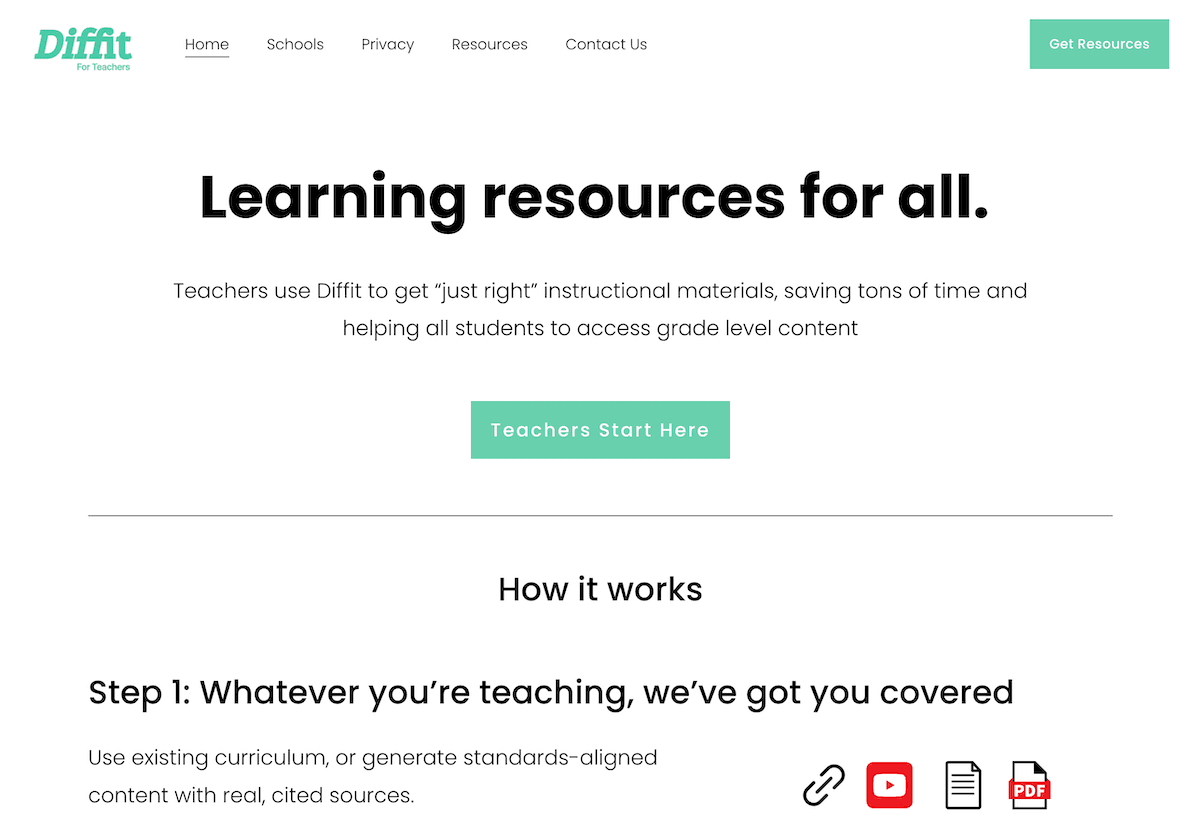
6. Suno AI – Marking Unexpected Wins (and Fails) With Ritual
Greatness is improvisational—but culture needs consistency. Suno AI is the ritual generator I didn’t know I needed. When we survive a wild detour, bomb a lesson for the ages, or land on our feet after a student-led tangent, Suno makes it musical. My class now writes “We Survived Monday” anthems, “Oops! We Flopped” raps, or “Epic Brainstorm Breaks” on the fly, and Suno delivers class-ready tracks in minutes. These become our signals for transitions or closure—an SEL anchor in every classroom sea change. Even skeptical teens compete for song-prompt privileges each week.
Try Suno AI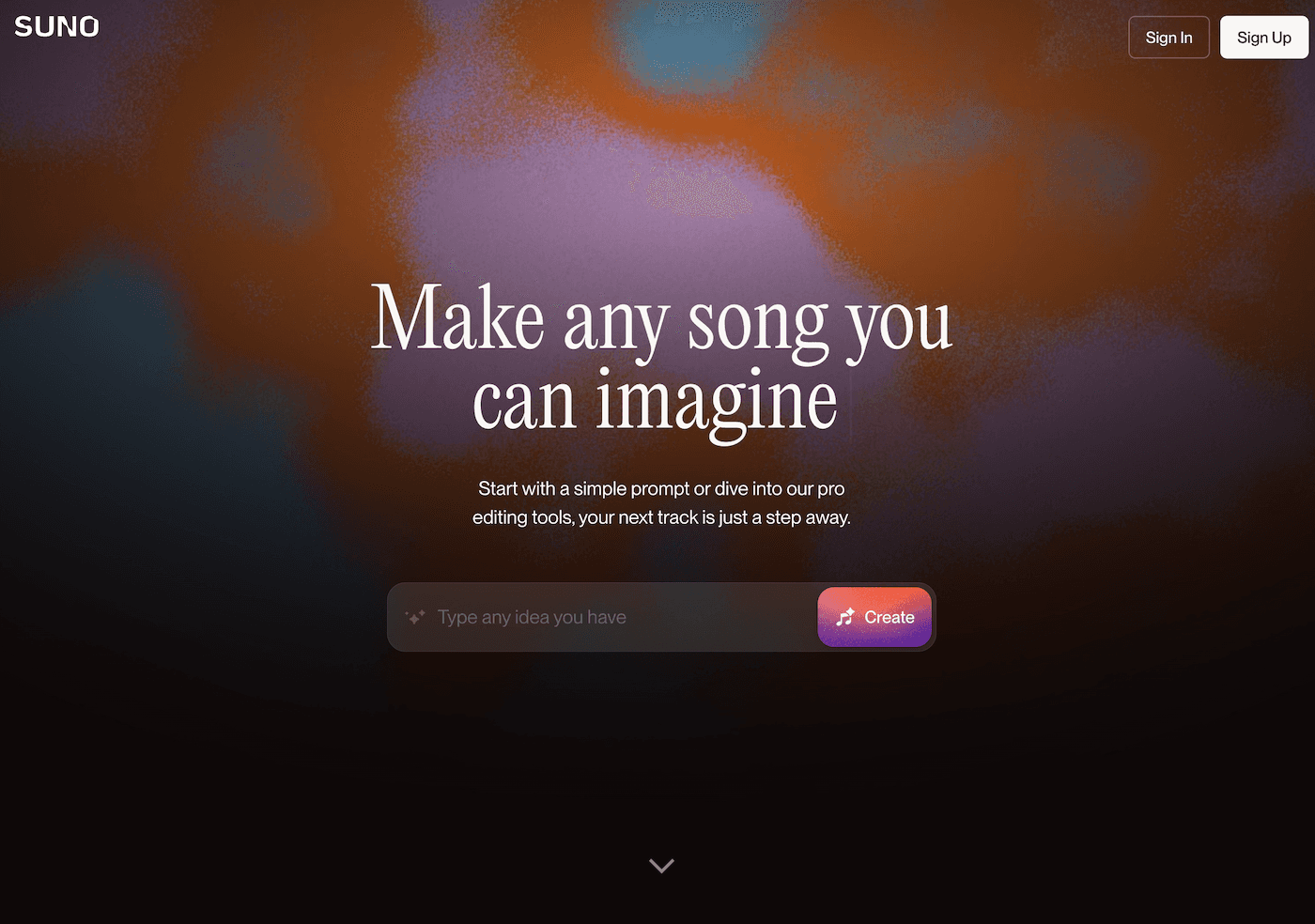
Honest Reflections from a Proudly Unpredictable Teacher
- Don’t treat AI as the control—make it your improv partner. The best tools catch the gems you didn’t know you (or your students) were tossing out.
- Pick the tool that fits your pain point—synthesizing chaos? Adapting wild texts? Building “enough” structure to prove you didn’t waste a week?
- Let students drive the workflow. They see the detours as learning, not “lost time,” when their fingerprints are on the output.
- Every unpredictable unit is a prototype for the next. Archive, reflect, and remix.
Are you a teacher who thrives when your lesson plan combusts? If you have a new AI hack for making brilliance out of the unpredictable, add your workflow or wildest success story below. Teaching is improv—it’s about time our tech joined the dance.