6 AI Tools for Unstoppable English Teachers
If you teach English, you know: the real magic isn’t worksheets or standardized test prep. It’s when reluctant ninth graders actually care what Hamlet does next, when juniors debate the ethics of AI-generated poems, or when your ESOL class surprises you with a podcast about food memories. You’re used to paper piles, endless differentiation, and the struggle to keep classic texts fresh. But AI is finally offering something besides spell-check—tools that actually help English and ELA teachers level up their craft, connect student voice to literature, and keep the energy going all year.
This year, fed up with tired quiz apps and “one more worksheet generator,” I went hunting for AI tools that would genuinely boost engagement, support deeper analysis, and lighten—not automate—my load. Below are six that broke the mold in my classroom. Yes, Kuraplan is in here, but more as an engine for student-driven units than yet another lesson planner. If you want to move past grammar drills or boring essay templates, and give your students a voice in the canon (or challenge it!), read on.
1. Notebook LM — Turning Readings into Real Dialogue
Your classic assignment: “Annotate this chapter and bring a question for discussion.” Half the class tunes out, the other half Google the SparkNotes. This year, I dumped our class readings, student annotations, and every exit ticket into Notebook LM. The AI clusters themes, pulls out the sharpest student questions, and even generates podcast or roundtable scripts using their actual voices—warts and all. We started launching group podcast episodes to debate what Gatsby really wanted or rewrite Antigone for 2025. The best part? The tool nudges even shy students to frame questions worthy of seminar. Reflection and analysis became a class artifact, not a private hiss into a worksheet abyss.
Try Notebook LM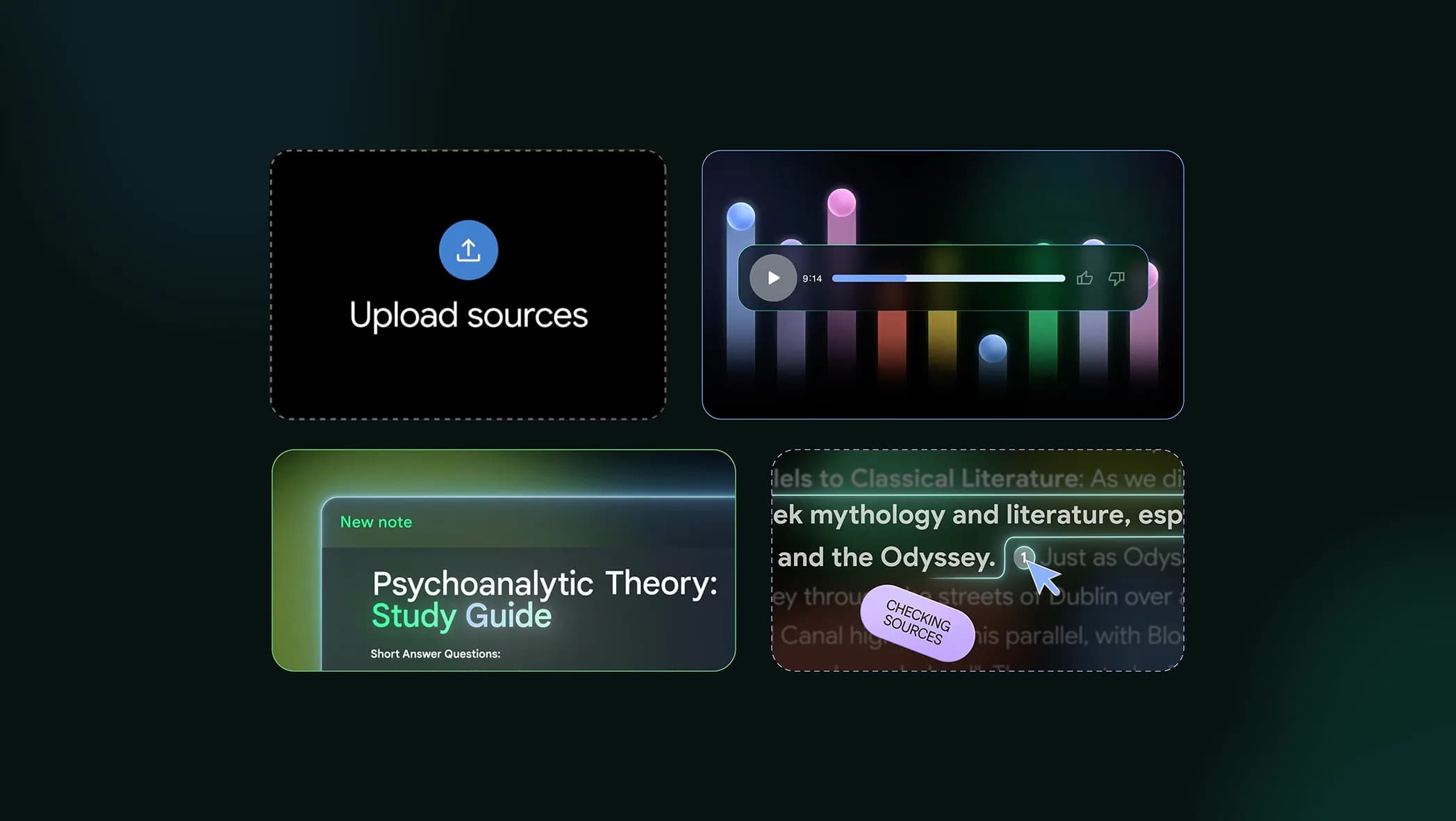
2. Kuraplan — Student-Led Unit Maps (Not a Red Tape Trap)
I’m skeptical of auto-generated pacing guides, but Kuraplan made me a convert only when I used it as a draftable blueprint for student-led curriculum. Before our "Outsiders Across Eras" unit, my 10th graders pitched themes (identity, betrayal, AI betrayal, redemption, and more). We plugged these into Kuraplan with a few must-hit standards, let the AI propose a sequence (debate days, project check-ins, context talks), then ruthlessly edited it together. My most disengaged class fought for which texts to add (Langston Hughes and Ocean Vuong), and I finally had a timeline I could edit mid-unit—without bogging down in admin red tape. The backbone existed; the muscle was always ours.
Try Kuraplan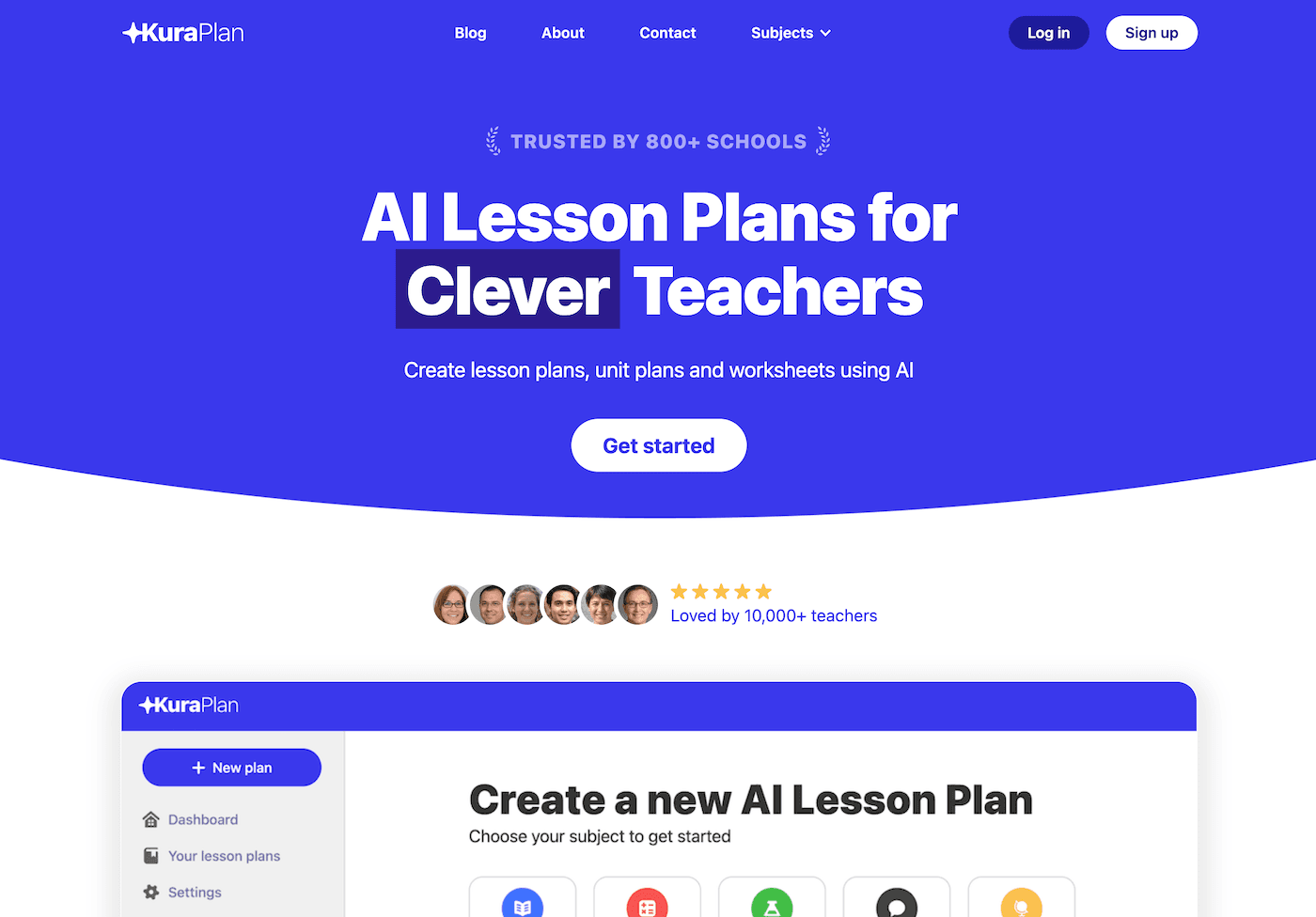
3. People AI — Chat with the Canon (Or Drag It)
The dead author project is a rite of passage in English class, but half my students would rather argue with Shakespeare than write about him. Enter People AI. Every Socratic Seminar, students build a profile—"Harper Lee at 23," "a future Pulitzer poet," "the villain from our story, as a podcaster"—and the AI inhabits the figure for live interviews or panel debates. The results are wild: we challenge Odysseus on toxic masculinity, ask Maya Angelou about AI-generated verse, and even let the AI play as the class’s own invented writer. Quiet kids bring the best questions; boisterous ones finally get to duel with literary icons. I archive the best "conversations" for parents, admin, and next year’s opening day.
Try People AI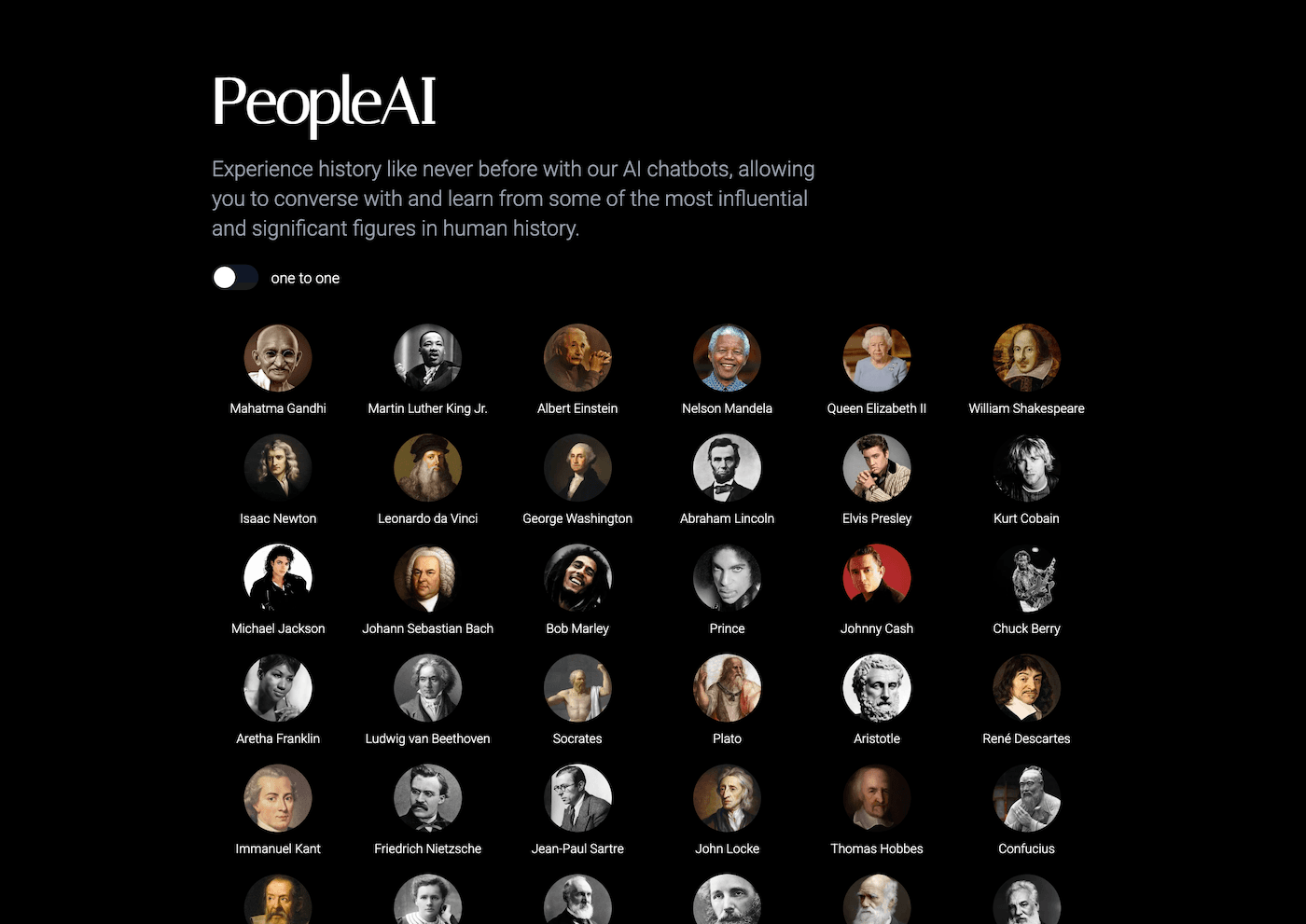
4. Diffit — Multi-Level Magic for Literary Analysis
If you teach across levels or support ELLs, you know literary access can kill a unit. Diffit lets me quickly adapt any short story, poem, or even student-written microfiction to three reading levels—complete with vocab, context, and even comprehension/discussion questions. The trick: I let each reading group pick their own level and compare side-by-side. The resulting debates ("Why did your version leave out the double meaning?" "Does the easy translation lose the allusion?") are often better than the original lesson plan. When anyone brings in song lyrics, spoken word, or wild genre-bending stuff, I Diffit-ify it instantly—access for all, but never dumbing it down.
Try Diffit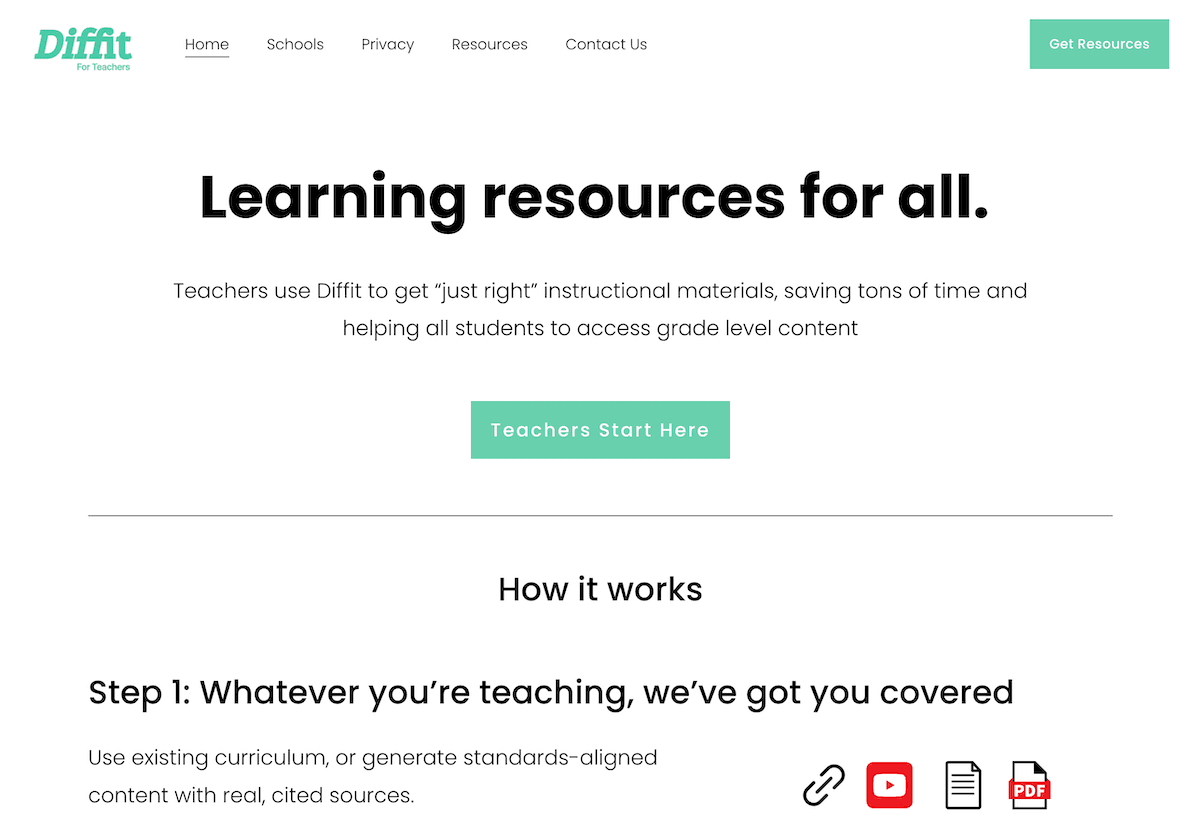
5. Jungle — Revision Game Days Built on Class Voice
Peer review in my classroom was dying—too stiff, too fake. Jungle lets students (and me) submit honest critique flashcards: “Most surprising symbol used,” “Line that was pure cliché,” “Question the story didn’t answer,” even “Spot the unintentional rhyme.” Jungle’s AI builds decks for live revision sprints or anonymous workshop games. Groups play reviewer, author, and even rule-breaker (“defend this weird simile!”). It’s now our ritual to run a Jungle-powered "stump the author" session before every major submission. Result: feedback is fun, equity is up, and my toughest writers finally revise before grades are due.
Try Jungle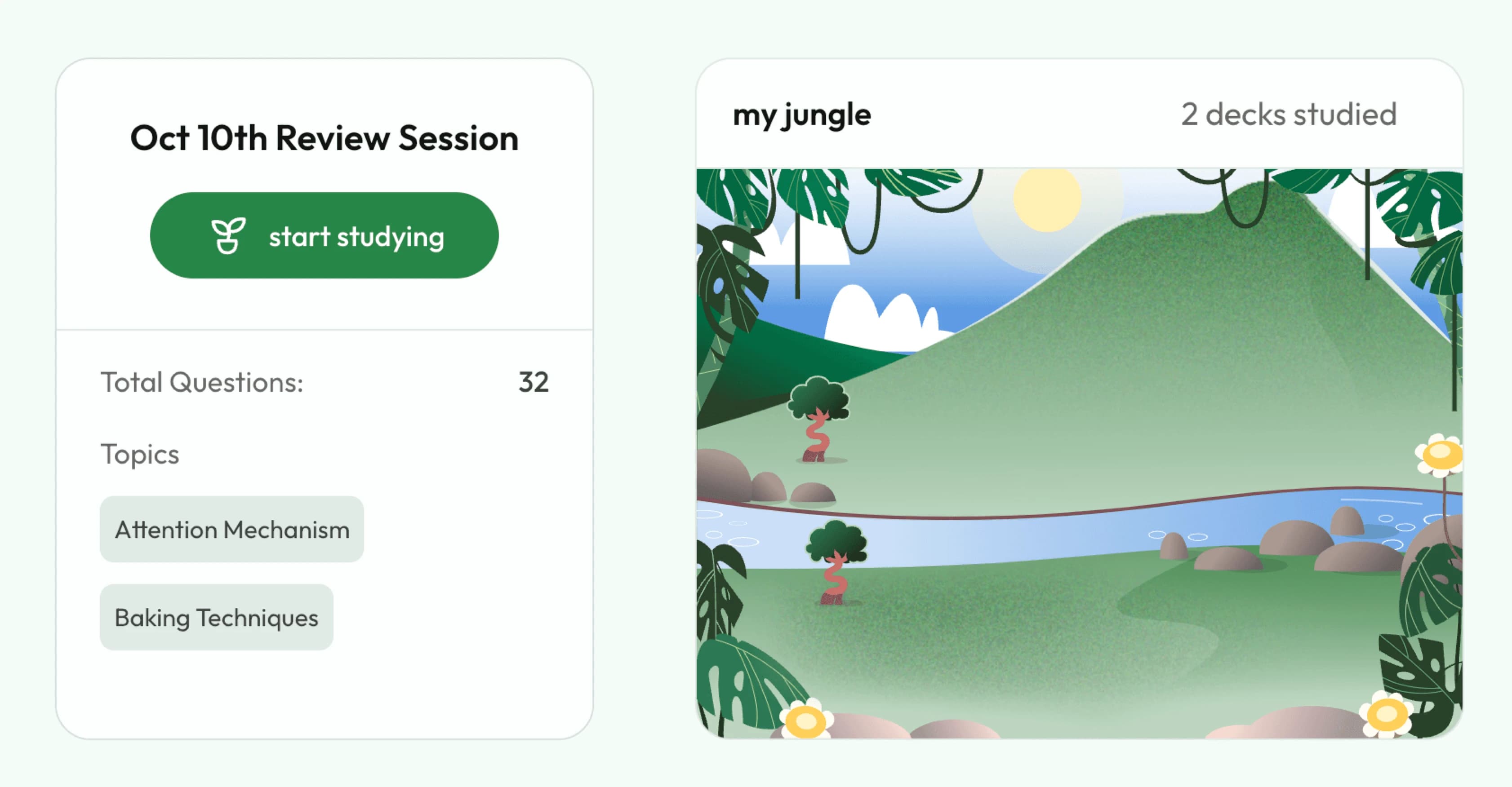
6. Suno AI — Rituals, Soundtracks, and Closure for Every Text
Closing a classic text with another paragraph is always a letdown. With Suno AI, student groups craft one-line prompts (“Chant for staying awake through ‘The Tempest’,” “Rap battle for the theme I didn’t get,” “Mood song for our best revision fail”). Suno instantly builds an anthem or reflection song for class closure, transitions, or even open-mic Fridays. My crowd started building playlists for each genre unit (gothic, satire, “literary heartbreakers”); when the bell rings, we close with the sound of their learning—not just the next assignment. Students now beg to script the week’s next closing line, and every lingering question gets a chance to echo.
Try Suno AI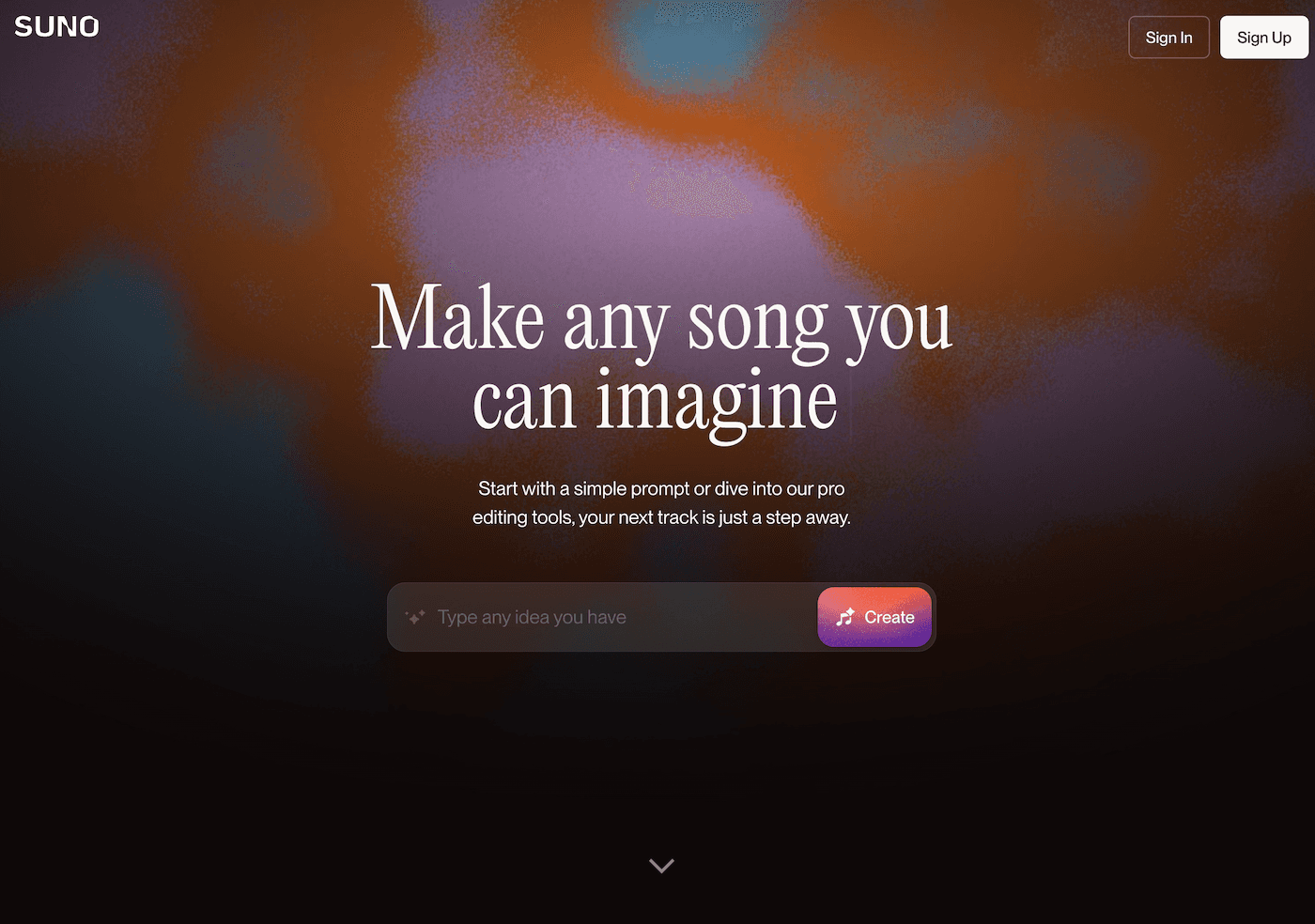
Final Notes from a Real ELA Classroom
- Make artifacts public. Notebook LM, Jungle, and Suno keep the best thinking visible for reflection, parent nights, and your own lesson pivots.
- Embrace co-planning. Kuraplan works best when your students “own” the blueprint—and you treat the map as a draft, not gospel.
- Equity is everything. Diffit and People AI help every student argue, explore, or publish, not just finish worksheets.
- Never let AI flatten voice: every workflow here is editable, remixable—and built around student curiosity, not just the canon.
If you’re an English teacher with a favorite AI ritual, debate hack, or multi-level analysis workflow, share your stories below. The best English classrooms echo with questions—not just answers. In 2025, with the right toolkit, the canon finally talks back.