6 AI Tools for Veteran Teachers in New Roles
There comes a point in almost every teaching career when you swap your old room and curriculum for something startlingly new: moving from high school science to middle school STEAM, picking up a new AP, or taking on a hybrid coaching gig. Suddenly, your hard-won tricks don’t fit, and you’re rebooting—without the extra time, PD, or preps everyone seems to think you have. If you’re an experienced educator tackling a new role in 2025, this one’s for you. 📝
After twenty years teaching and mentoring (with a detour in advisory), this past year I jumped from AP Lit to co-building a freshman inquiry block—plus onboarding our rookies in SEL. I’ll be honest: even the best Google folder can’t mask feeling like a novice again. But what changed the game? AI tools that didn’t erase my experience, but gave me a fast-track into fresh content, creative planning, and visible impact in a new context.
Below are the 6 AI resources—each workflow-tested, never generic—that I leaned on for a re-invented year. Kuraplan is here, sure, but not as the only answer! Each tool gets a real use-case for moving beyond survival-mode, learning fast, and letting your seasoned teacher heart shine in every new space:
1. Gamma – Building Buy-In With Visible Progress
Veterans in new programs miss the familiar rhythm of progress: how do you show parent “wins” when everything is half-finished, or document a new STEM elective while still learning the ropes? Gamma became my transparency engine: I dropped in rough unit maps, hallway photos, first attempts at stations, even sticky notes from group planning meetings. Gamma’s AI built living storyboards and progress galleries auto-updated as I filled them—students, families, and even my own admin could see what we were building, not just hear excuses for missing benchmarks. Best move: invite department leads to annotate the Gamma board together during check-in—cross-team trust up, stress way down.
Try Gamma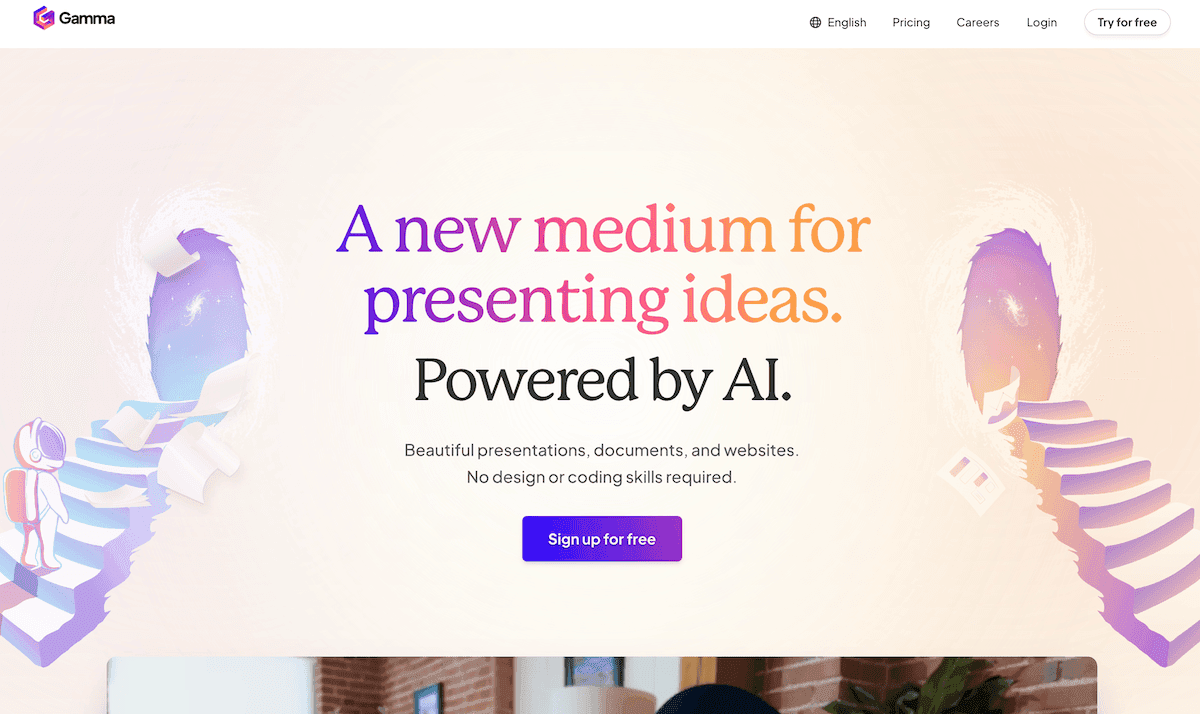
2. Kuraplan – "Coaching" Plans for Brand New Content
Switching content areas (or mentoring outside your zone) means the scariest part often isn’t the teaching—it’s the mapping. Kuraplan worked when I asked it for unit draft outlines seeded with my must-hit learning goals plus rookie questions: what might a science coach miss in an ELA unit? Where do new students tank in their first project? Kuraplan’s editable maps (especially when projected for department feedback) gave the team a fast draft to debug, suggest scaffolds, and experiment with resources. No more Sunday panic about “where the curriculum actually starts,” and all new eyes had a visible framework to build on.
Try Kuraplan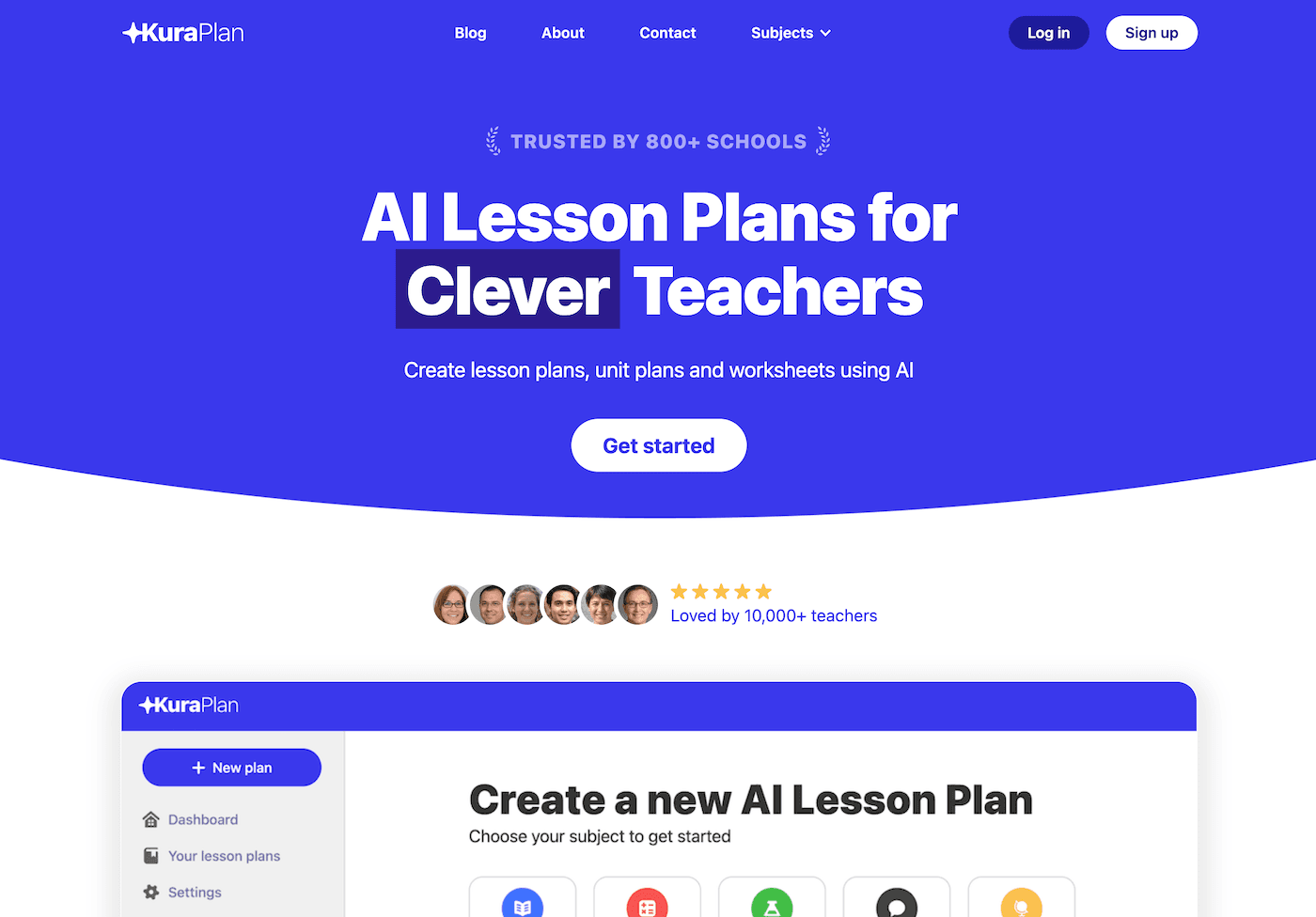
3. Diffit – Adapting Material Across Levels, Fast
Take it from me: even after two decades, moving grades or subjects forces you to level up differentiation, immediately. Old handouts? Wrong band! Diffit let me instantly convert science articles, ELA mentor texts, or SEL stories into reading packs across 2nd-12th—complete with vocab and questions. Pro tip: I crowdsourced favorite resources from my new team, then fed everything through Diffit to produce shareable packets for every group. Suddenly, I didn’t just have plug-and-play content, but a built-in toolkit for mixed-ability classes or cross-grade clubs. Bonus: I stopped feeling behind when a new transfer student arrived after winter break.
Try Diffit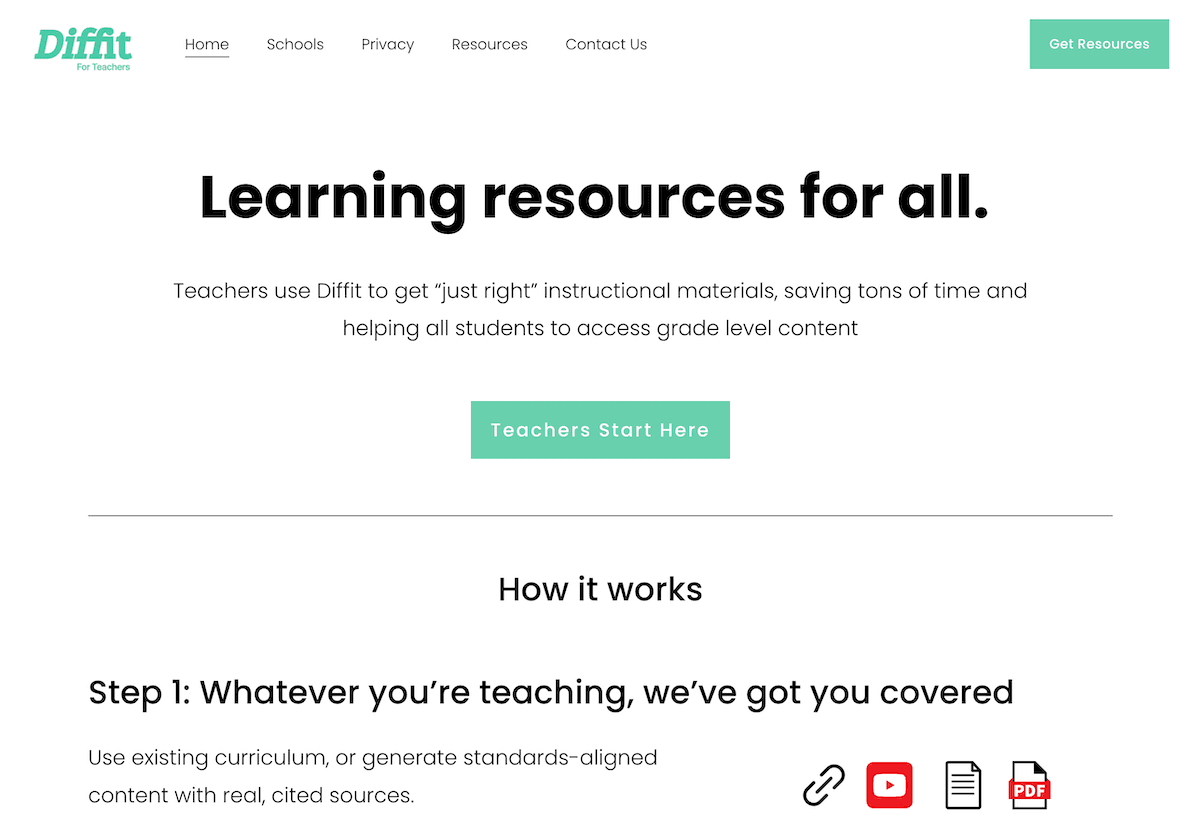
4. Notebook LM – Learning (And Sharing) As You Go
Being new means you’re learning with your students—and kids notice it. This year I made it public: every time I ran across a new instructional puzzle, resource, or wild class debate, my groups (and I) logged notes, audio reflections, and day-one discoveries in a shared Notebook LM. The AI flagged patterns ("we hit the same roadblock again!"), suggested topics for advisory Q&As, or even built podcast scripts for group reflection. By Spring, we had a visible, evolving archive to hand off to the teacher taking over my section—proof that starting fresh still produces lasting wisdom.
Try Notebook LM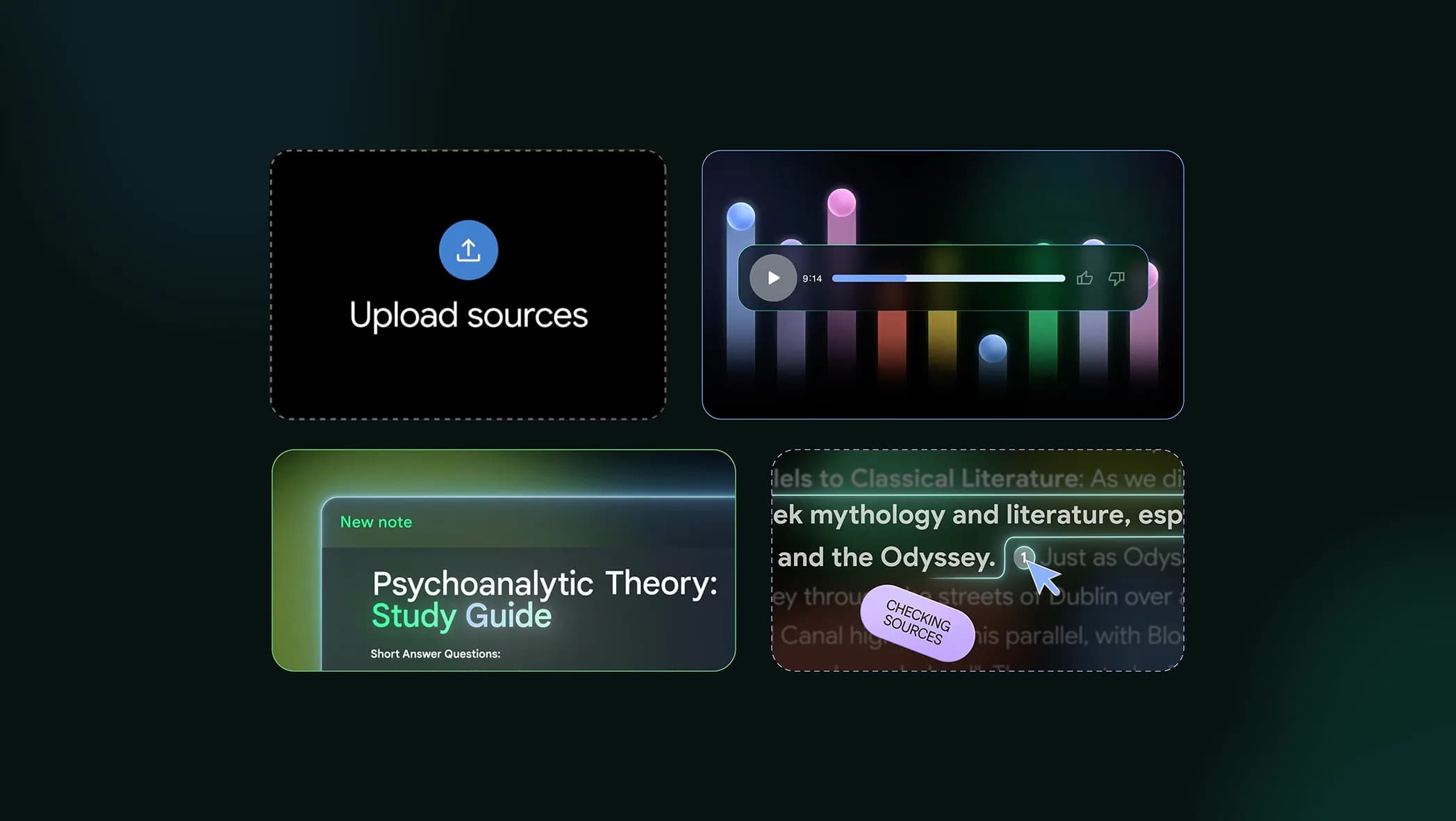
5. Jungle – Peer Study Games For Cross-Training
Veterans in new rooms, or coaches in seat-filler mode, need ways to break the ice and start group norms fast. Jungle let me and my students co-create pre-topic review decks, onboarding trivia, and “rookie mistake” flashcards regardless of subject. When a new grade team formed, we built a Jungle set for our unique routines, icebreakers, and "what I wish I knew week 1" tips. AI sorted and gamified the cards, making even the driest SEL protocols or cross-content vocab playful. The win? Classroom newcomers learned from student leaders—not just me—and my “Swiss Army” review decks became a curriculum inheritance for whoever inherits my chaos next year.
Try Jungle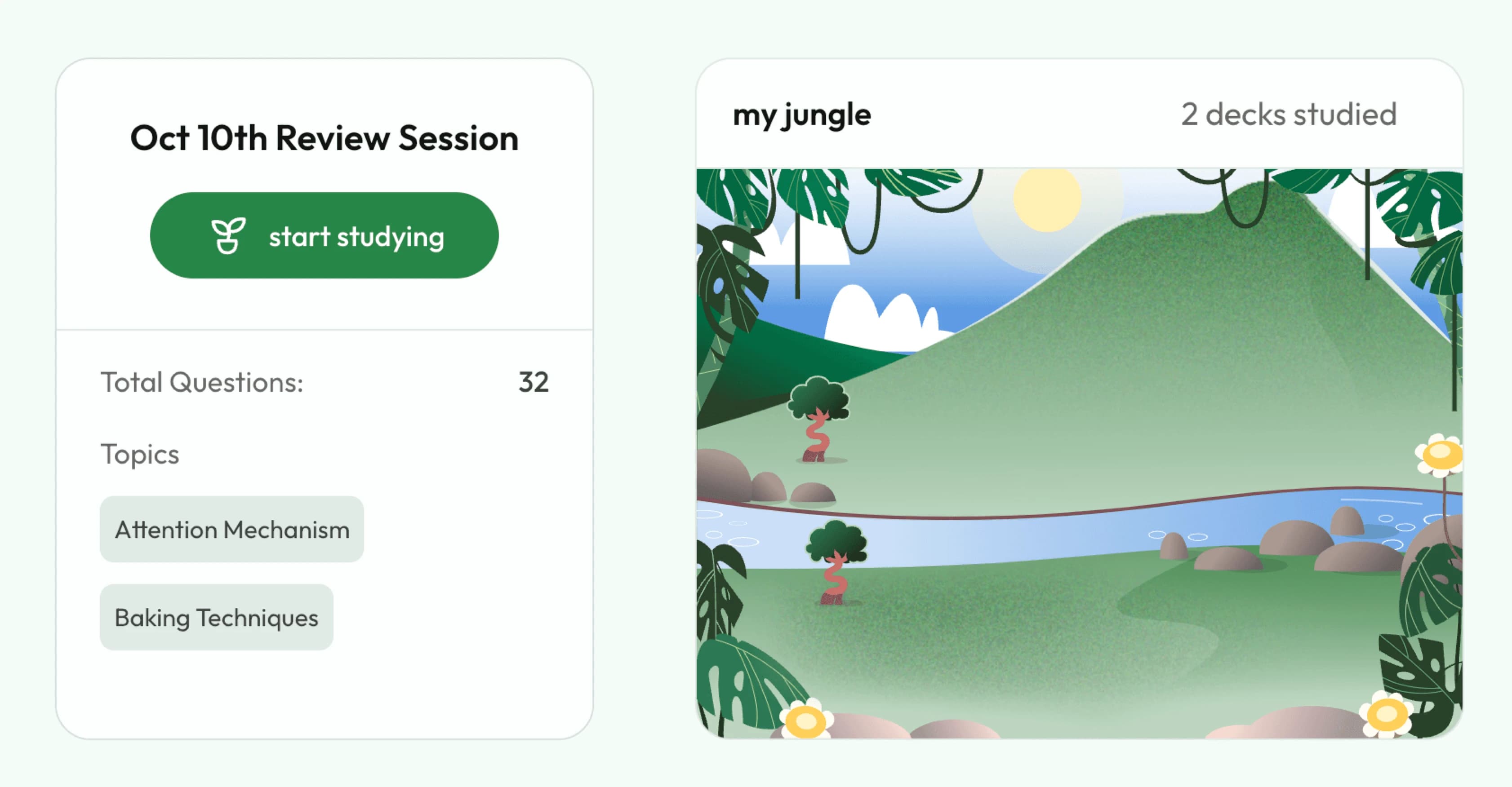
6. Suno AI – Rituals (and Reboot Energy) for Your Own Journey
Candidly, when you switch courses or grade bands, your heart can lag behind your intellect. Suno AI is now my own class reboot engine: each term, students (and I) write prompts like “First Day in a New Room Anthem,” “Song for Surviving Midyear Switch,” or “Chant for the Section That Never Existed Before.” Suno creates original tracks—the vibe shift is real! My own anxiety (and student trepidation) drops every time we play a new ritual, and now seniors ask to reuse their “We Survived STEM Block” anthem for next year’s class. Shared soundtracks = emotional glue for new roles, new years—and for you, a reminder that joy is transferable.
Try Suno AI
Final Advice for Veteran Teachers Facing Something New
- Make progress visible (Gamma, Notebook LM) for students and yourself. You’re building from scratch—show the timeline with pride.
- Treat planning as a starting draft, not a finish line—use Kuraplan for group-editable maps and invite colleagues to rewrite live.
- Push adaptation over reinvention. Diffit and Jungle mean no handout or routine needs to be re-made—it just needs to be remixable.
- Ritualize your pivots. Suno’s closure anthems make even hard years memorable—and they’re fun to pass on to whoever takes over next.
- Most of all: trust your experience. New role, old heart. Let AI keep you learning and growing, but never let it make you feel you’re starting from zero.
Dropped into a new job, grade, or content area this fall? Have a workflow or tool that made your transition less frantic or more fun? Drop your survival hack below. Every school needs seasoned teachers who aren’t afraid to be rookies when it matters.