6 AI Tools for Teachers Who Want Wild Discussions
As a teacher, my favorite lessons never came from perfectly planned slides—they came from heated debates over pop culture, the 17-minute digression about a student’s TikTok conspiracy, or that one unhinged moment when the quietest kid in class fact-checked everyone on the Battle of Hastings. Real talk—literally—is what lights up my classroom, but it’s always been impossible to wrangle. Discussion boards go stale, worksheets are a killjoy, and half the best questions get erased before the bell.
This year, I set out to make my wildest, most unpredictable class discussions stick—to trap the lightning, not bottle it. I wanted AI tools that don’t just summarize answers or mark participation, but help spark argument, pull quiet voices into the storm, and make sense of the chaos once the dust settles. These six got me closer than anything I’ve tried—each with a real workflow that made my classroom noisier, smarter, and (I think) way more meaningful.
1. People AI – Debate (and Grill) Anyone, Anytime
Let’s be honest: student debates often die because someone gets stuck playing "devil’s advocate" or nobody can play the role of a well-informed defender. People AI flipped my approach—groups now invent interview targets (Simón Bolívar, Taylor Swift, a Martian), then run live Q&As the AI adapts to student questions and tone. It’s improv panel day, year-round: we’ve staged student-led "witness interviews" for classroom trials, interviewed "future voters," and grilled a historical figure about climate change. Best of all, my quieter students feel safe starting with text, and my drama kids get a sandbox to argue with the bot before challenging the class. The result? Unpredictable, hilarious, and genuinely deep conversation, every single time.
Try People AI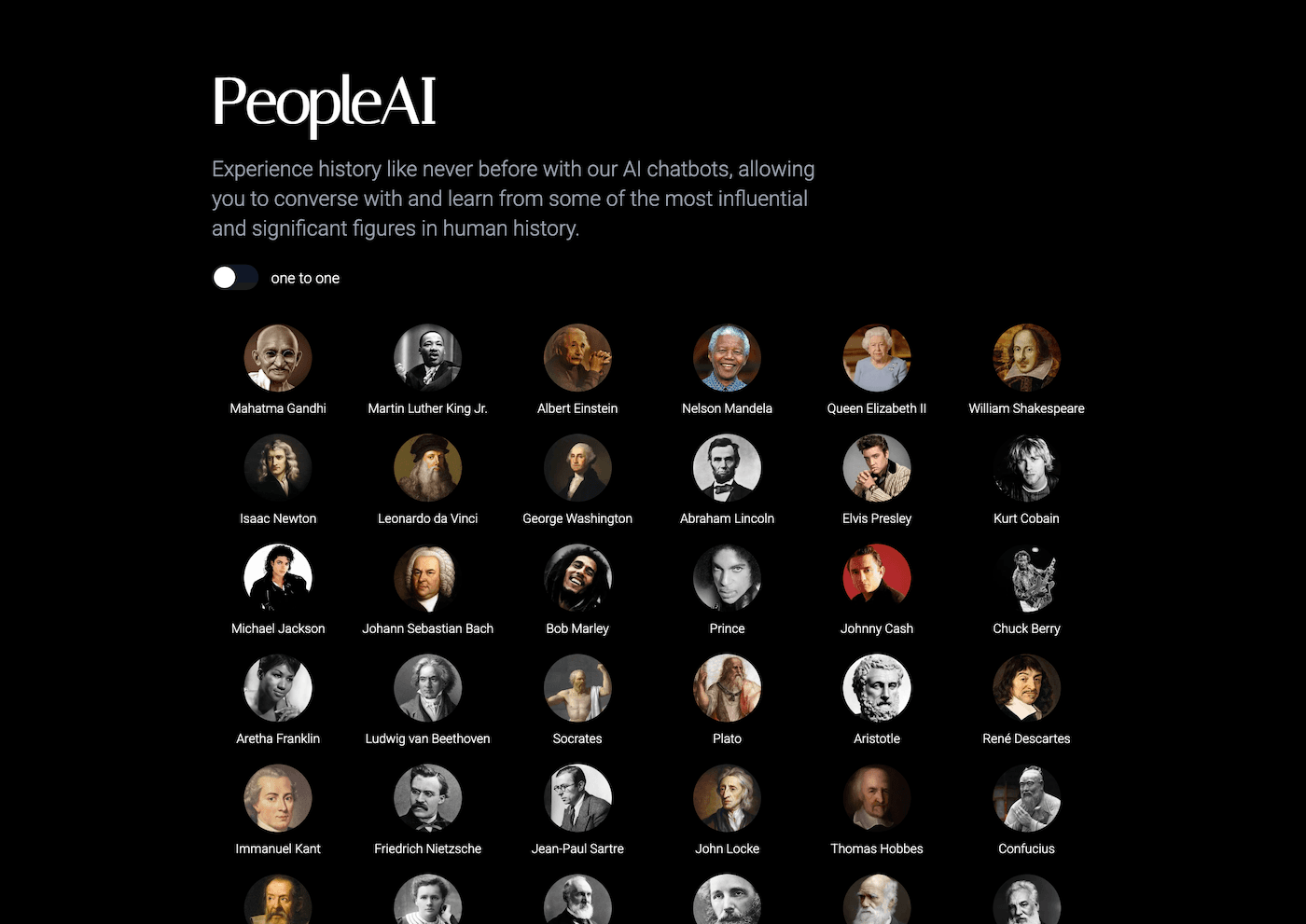
2. Gamma – Storyboard Heated Moments, Not Just Summaries
The world’s best argument map is still a crumpled group diagram, right? Gamma became my hack for archiving how our discussions actually happened. Any time we wrapped a heated class talk, my students and I snapped photos of our butcher paper claims, campaign posters, or even "debate meme" sketches, dumped it all into Gamma, and the AI spit out an interactive visual storyboard showing the twists, reversals, and sidebars.
After a chaotic debate on social media regulation, we were able to scroll back, call out buried points from the quietest group, and build next week’s topic right from our wildest tangent. Parents loved it; admin finally understood why we weren’t just "talking in circles." Plus, students saw their voices last longer than the bell.
Try Gamma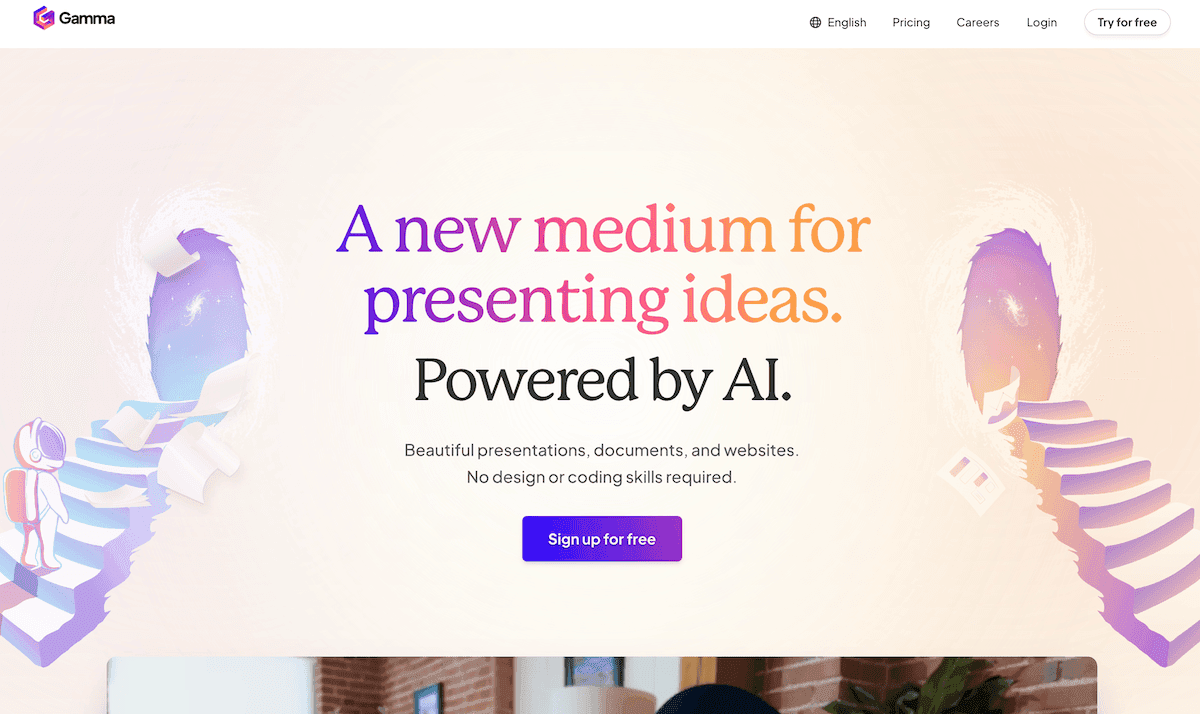
3. Kuraplan – Plan for Chaos, Not Compliance
If you love discussion-led teaching, traditional planning software is a straitjacket. Kuraplan was the first tool I trusted to handle the mess: I add my broad themes ("debate week," “student-chosen controversies”) and non-negotiables (reflection checkpoints, parent summaries), then we co-edit the plan as a class.
Every so often, a week gets derailed by a breaking news event or a student protest—the Kuraplan map is malleable enough to drop in new roundtables, argument days, or peer feedback sessions, and the AI even suggests reflection or group wrap-ups. For once, student voice is not an afterthought in my planning—it’s built into the plan itself.
Try Kuraplan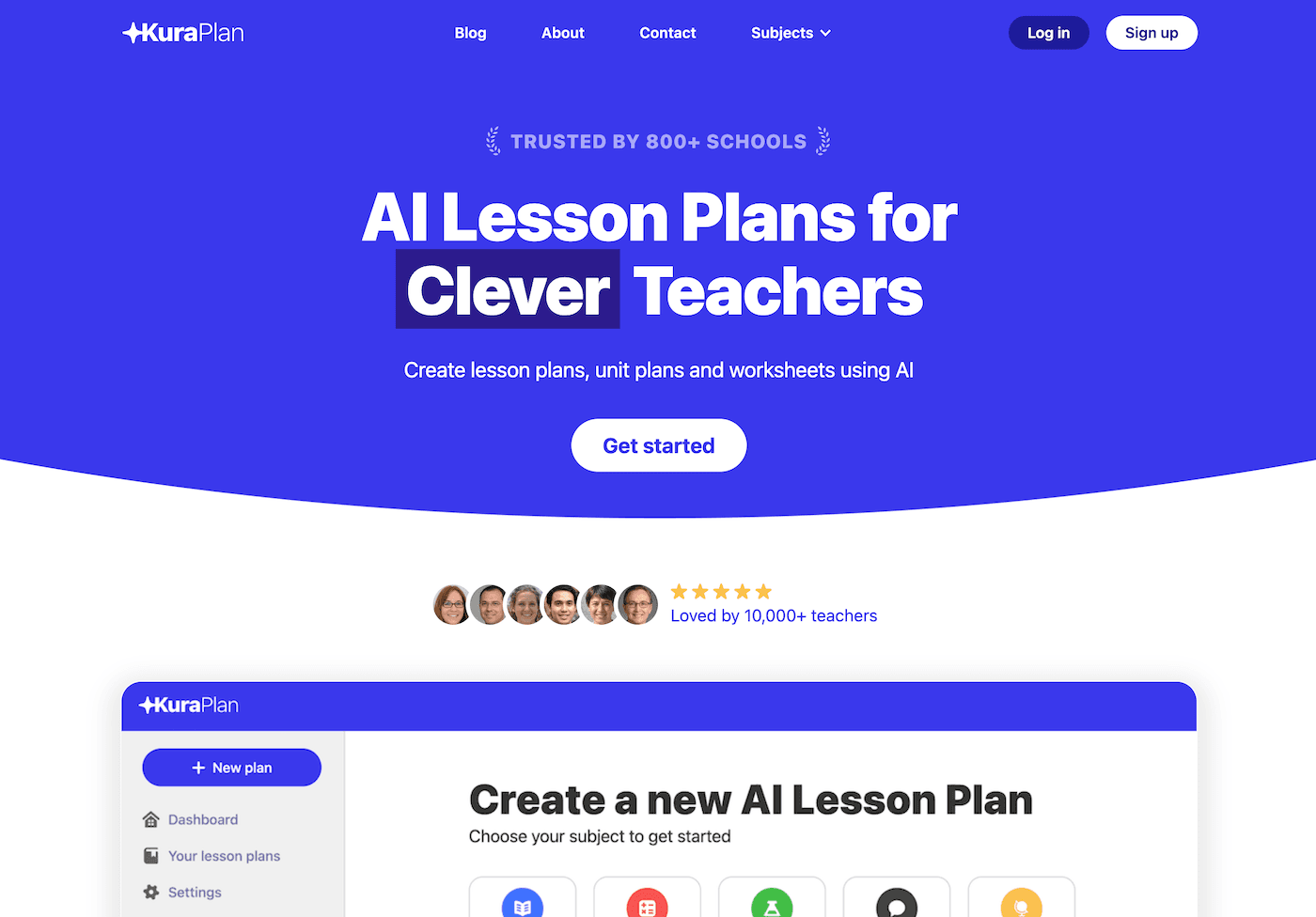
4. Jungle – Student-Made "Devil’s Advocate" Decks
True story: the best questions don’t come from my worksheet—they come from the curveball someone throws at 9:08am. Now, at the close of every lively discussion, I ask each student to submit one "hard question," bold claim, or “what are we pretending not to see?”—Jungle builds a class deck. The next day, we kick off with a rapid-fire, student-led review where groups try to defend, refute, or remix their peers’ provocations. The AI de-duplicates, tracks which cards get the most debate, and even suggests “combo questions" for double jeopardy rounds. The trivia is never recycled; it’s alive and always class-specific.
Try Jungle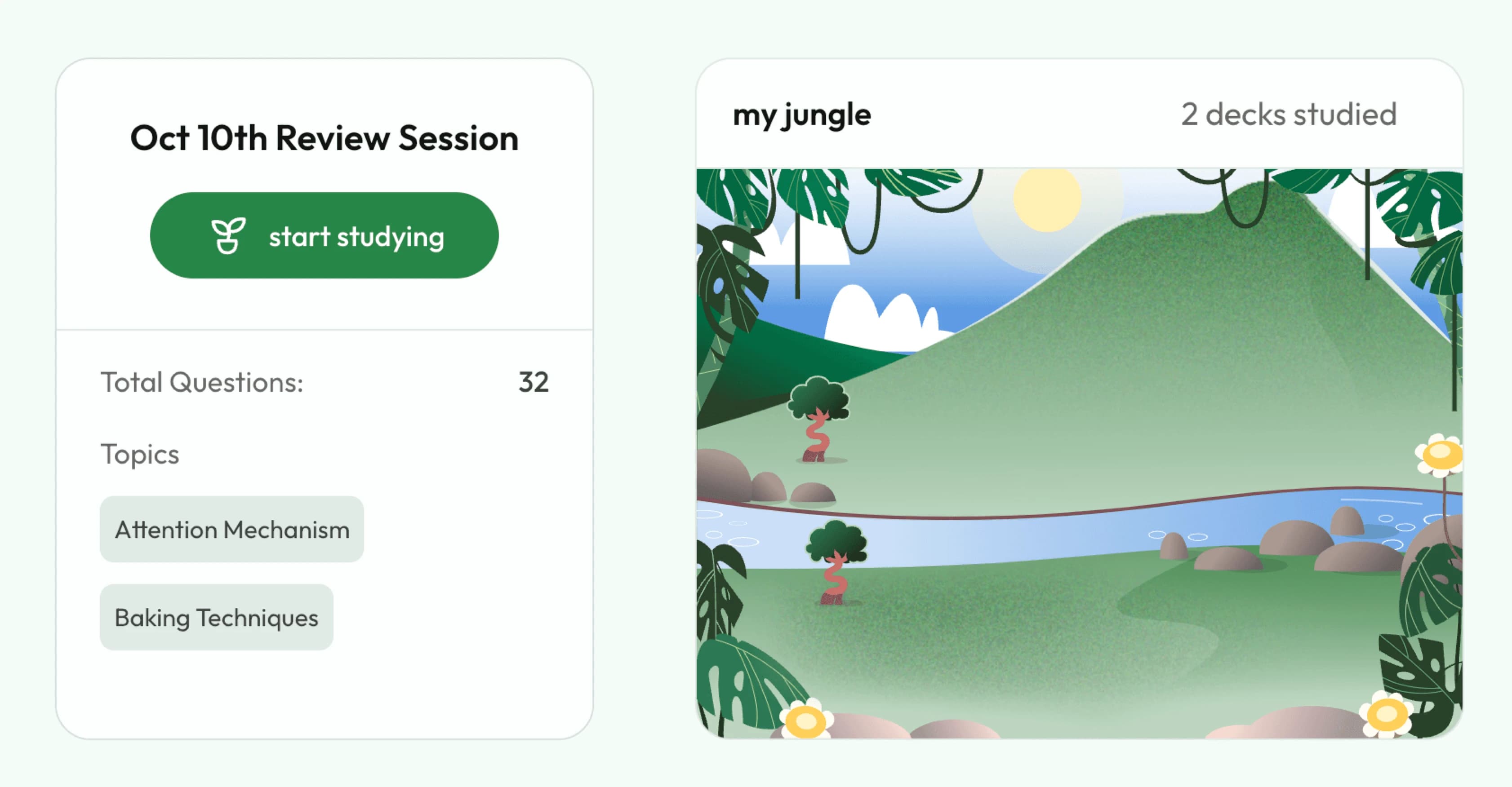
5. Notebook LM – Remember Who Said What (& Why)
Sticky notes, chat logs, and Google Docs never do justice to the wild ride of real-time debate. My class uses Notebook LM as our "argument archive"—every exit reflection, hot take, voice memo, or group chat recap lands in one digital notebook. The AI clusters repeated themes, tracks how a favorite idea evolved, and—my top workflow—auto-generates Q&A podcast or roundtable outlines that let us revisit past arguments without starting from scratch. During portfolio night, every student could show how their voice shaped the story of the unit—even if they never once "won" a debate on day one.
Try Notebook LM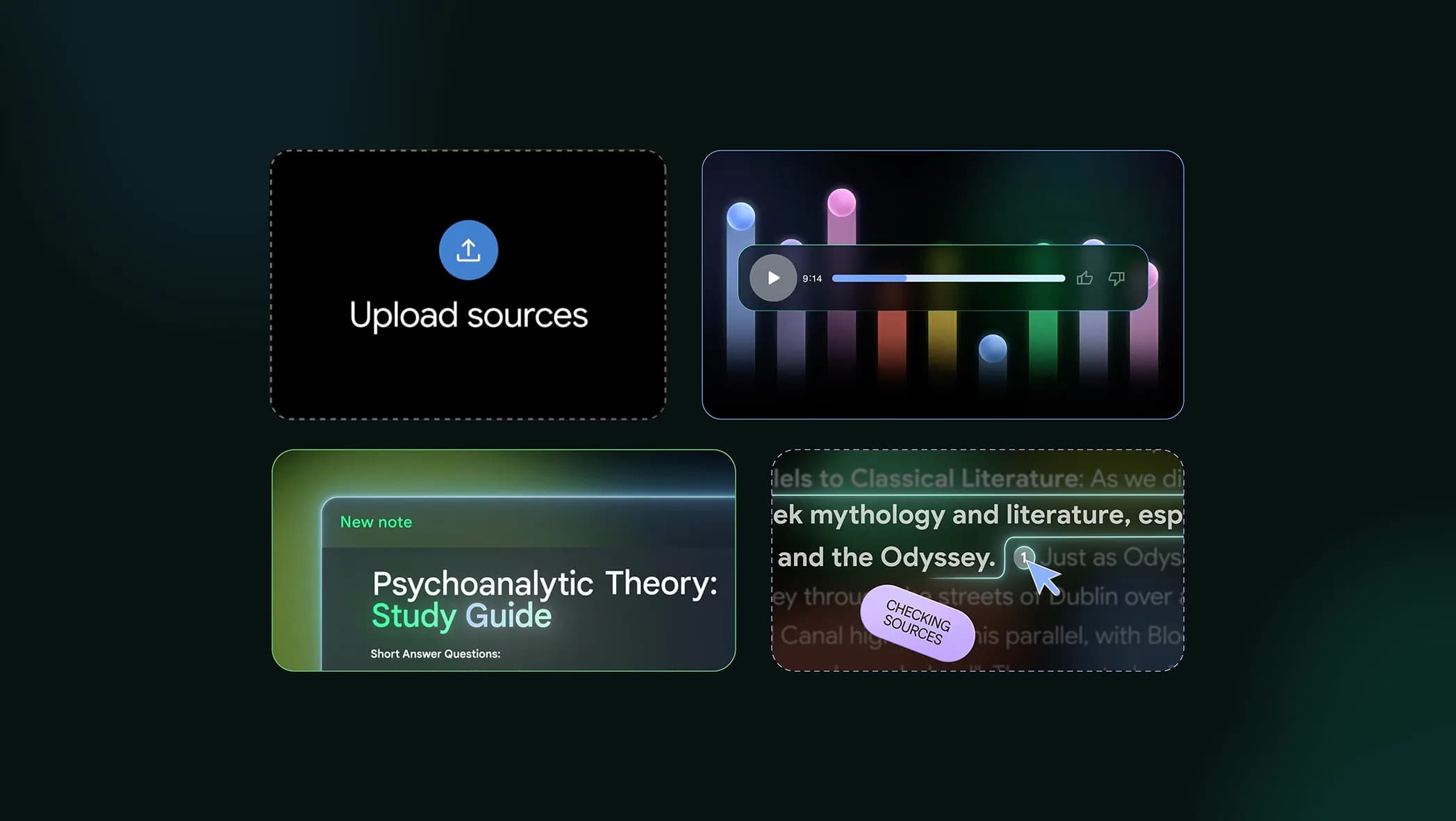
6. Suno AI – Ritualize, Don’t Memorize, the Conversation
Talk-heavy classes need more than "Let’s all listen" reminders—they need a culture. Suno AI is our reset and aftercare: after every truly intense debate or project critique, students write prompts for classroom anthems ("Ballad of the Losing Team," “Song for Awkward Silences,” "Victory Lap Exit Music"). In 60 seconds, Suno generates original tracks we blast for transitions, post-talk celebrations, or even SEL moments after a tough argument.
The music marks our shared moments—students look forward to writing the next prompt, and the ritual makes every wild talk feel like a memorable event, not just another round of hand-raising.
Try Suno AI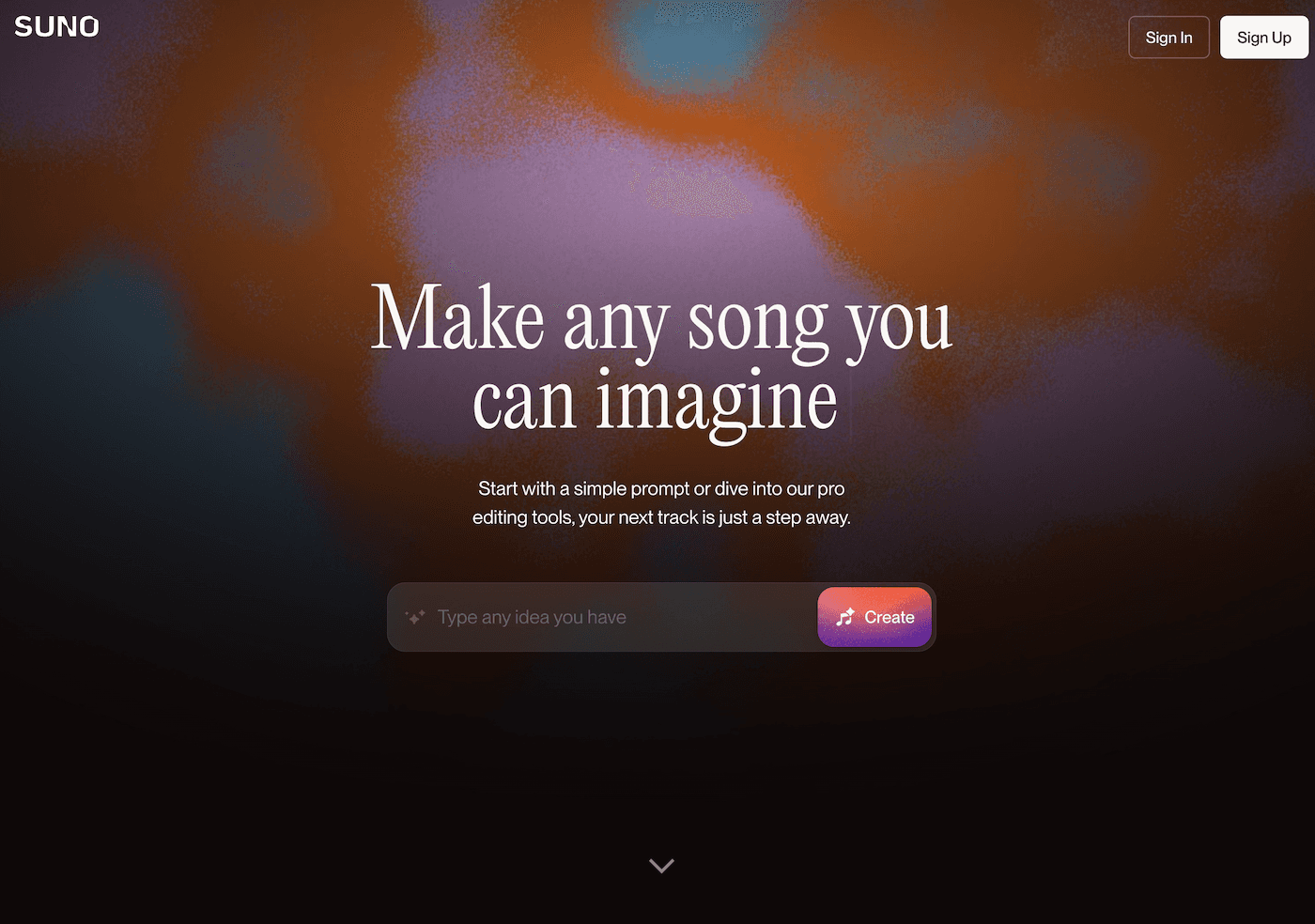
Honest Advice for Talk-Driven Teachers in 2025
Real discussion is always a little risky. These tools won’t fix a boring prompt, but they will:
- Encourage every student to contribute
- Show the wild path (not just the official outcome) of discussion
- Capture and revisit the best, most provocative moments
- Make "talk time" feel like progress, not just noise
Pick one new workflow per unit—maybe just swap out your usual recaps for a Notebook LM podcast script, or let students build the next "hard question" deck with Jungle. The best argument for using tech? When the bell rings, what matters still gets talked about… and, for once, no great question gets left behind.