7 Creative AI Tools for Engaged History Classes
Let’s be honest: teaching history isn’t always the thrill ride we want it to be—especially with today’s students glued to fast-moving TikTok videos and expecting everything in five memes or less. As someone who’s taught everything from 7th-grade world cultures to AP US History, I’ll admit: even my best story or primary source isn’t enough to keep every student invested, especially by May.
So last semester, I challenged myself—could AI help me do more than just speed up grading or generate worksheets? Could it unlock the kind of creative, student-driven exploration that turns “boring” eras into real debates, investigations, and “aha!” moments?
Below are 7 AI tools that genuinely changed my history classroom—not just by saving me time, but by sparking participation and making students think (and argue!) like historians. Some you might know, others will surprise you. I’ve included a few specific hacks and honest warnings on what works (or flopped). Yes,
Try Kuraplan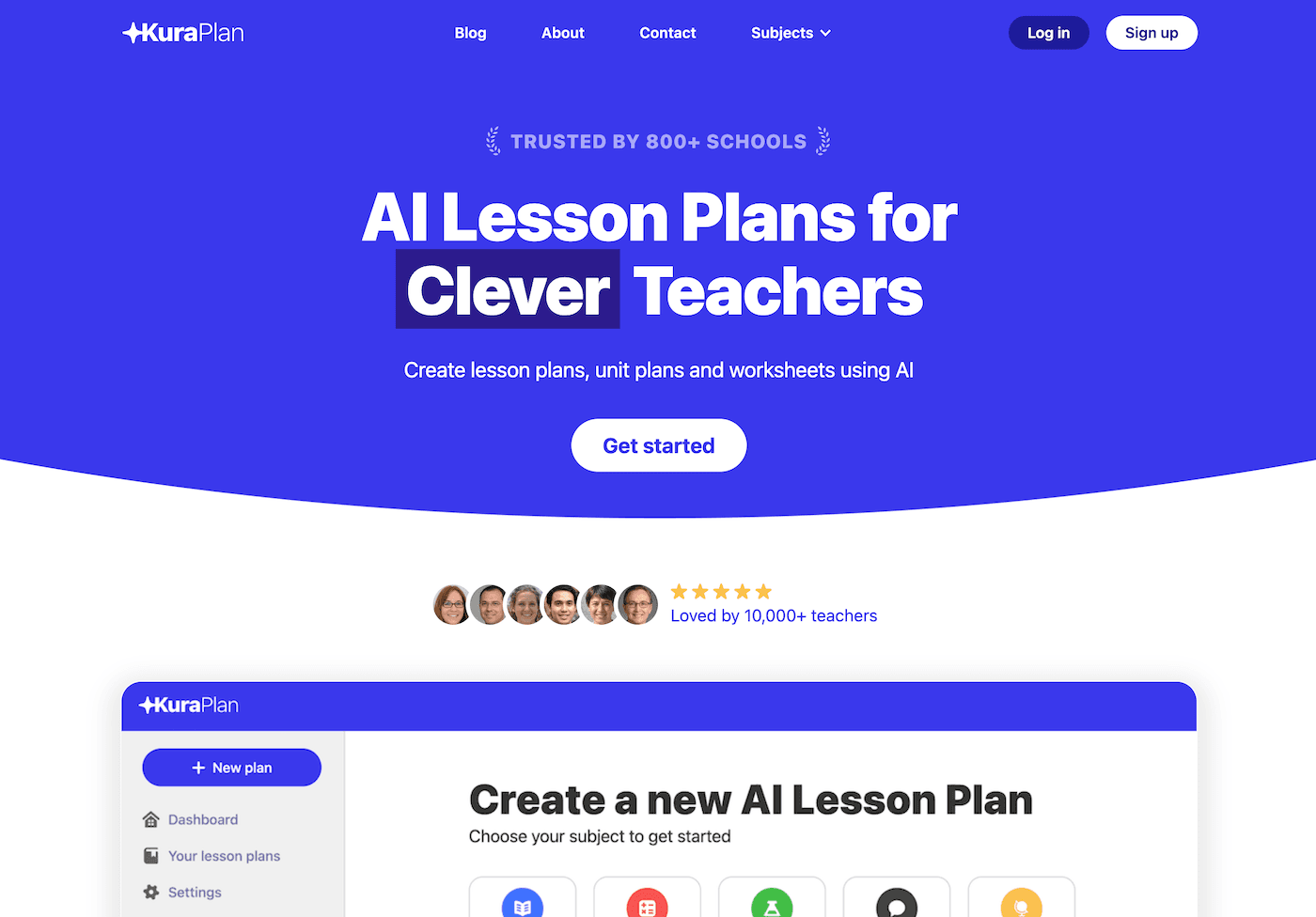
is here—but not always where you expect.
1. Historical Debates That Don’t Flop — People AI
Simulating debates is the gold standard in history class, but it’s tough to make every figure’s voice convincing on the fly. With People AI, students now "interview" figures like Queen Nzinga or Frederick Douglass, but my real win: I set up structured debates where teams prep questions and the AI responds in character, adapting to student challenges (and catching them when they oversimplify). No more awkward monologues—students come away debating for days. (Bonus: It works for mock trials, too!)
Try People AI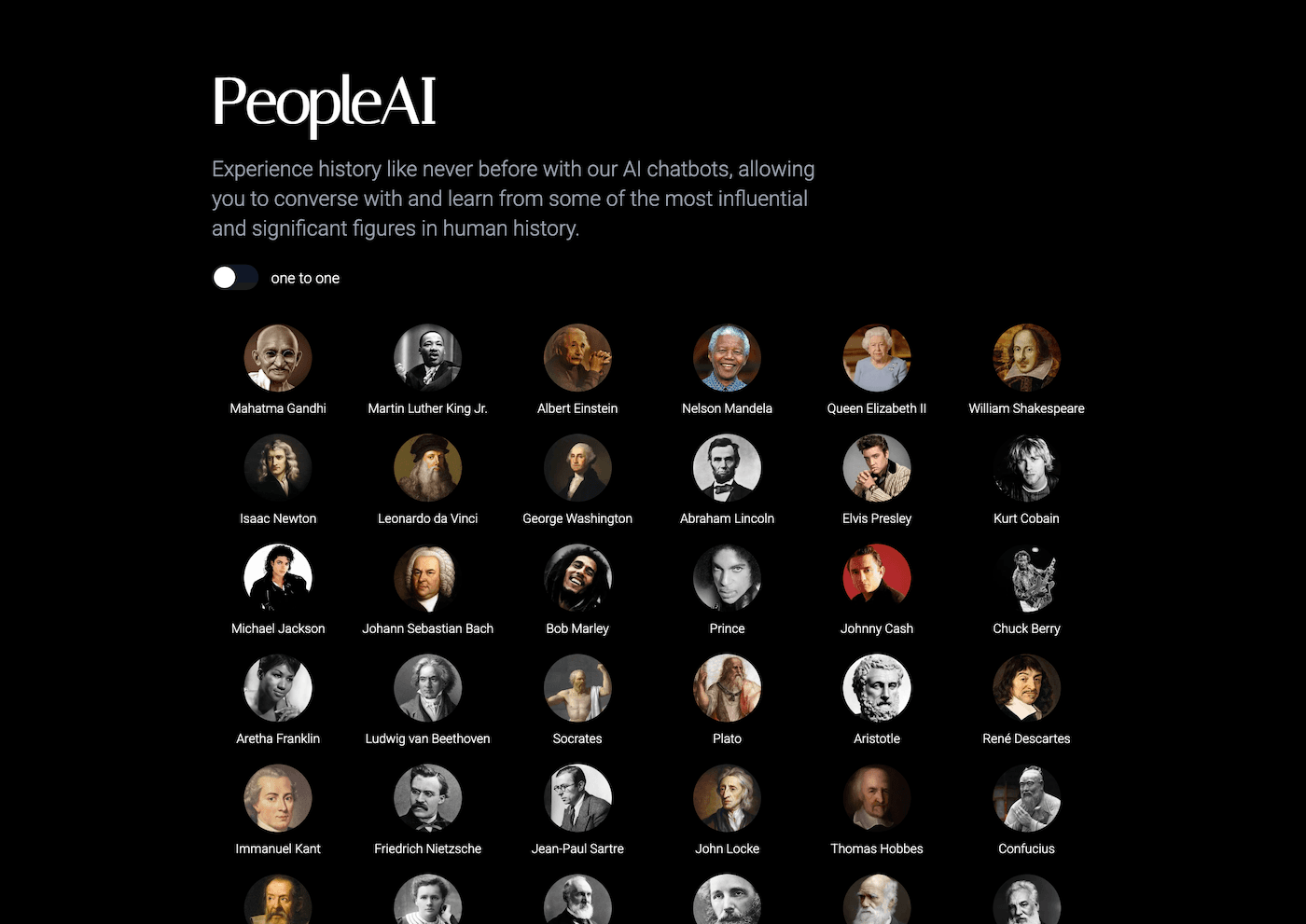
2. Unit Brainstorms Without Blank Stares — Kuraplan
Instead of springing a new unit and getting groans, I now open the lesson with a class co-planning session in Kuraplan. We enter the essential question together—like "What actually causes a revolution?"—and the AI generates a draft timeline, important debate points, and suggested primary sources. My students immediately jump in—questioning, adding, and (sometimes) demanding I swap an assignment. Suddenly, their buy-in doubles, and even the most reluctant ninth grader feels like a curriculum designer. Treat it as a launching point—never a script—and you’ll gain class momentum from day one.
Try Kuraplan3. Visual Storytelling for Primary Sources — Gamma
Primary sources are my favorite, but students get lost in the weeds—especially with tricky language. I feed excerpts (or even raw images!) into Gamma and let groups build quick visual timelines, annotated document slides, or “headline covers” summarizing their section. Instead of a pile of handwritten paragraphs, I get creative, student-made visuals—some funny, some deeply sharp—that actually loop in visual/spatial learners. We compare slides as exit tickets, and the class votes on which group best "brought the source to life."
Try Gamma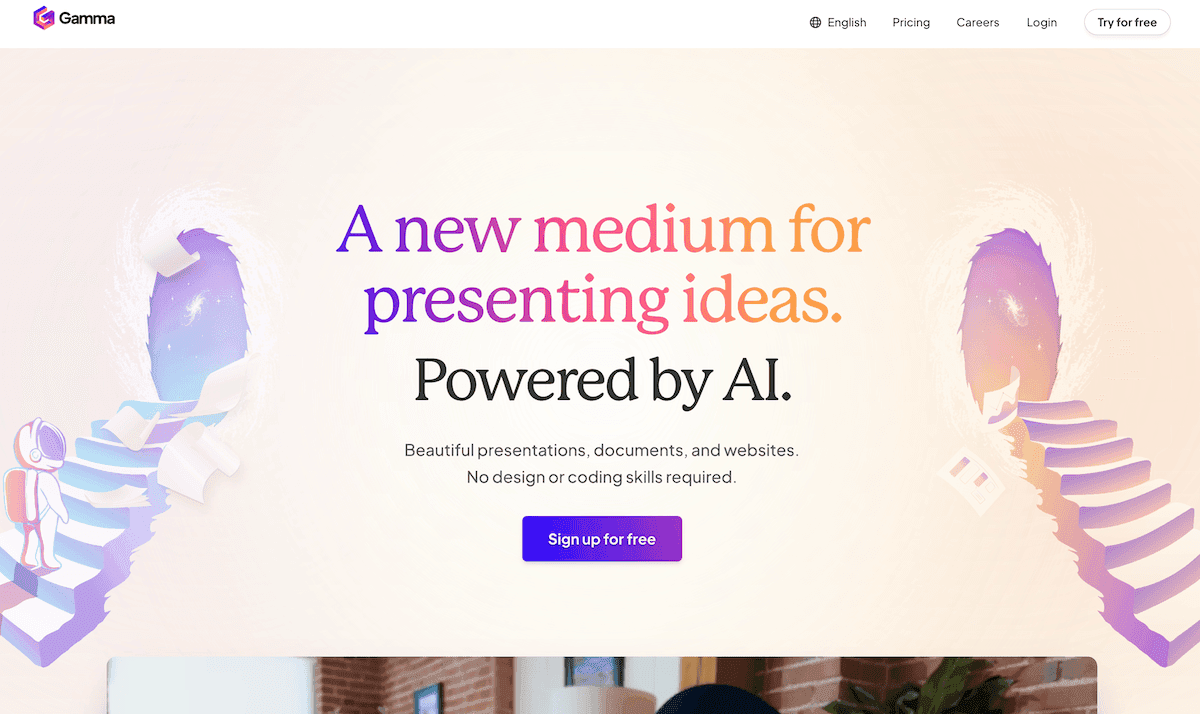
4. Accessible News & Evidence, Fast — Diffit
Every history teacher dreams of using the most up-to-date news or discovery in real time, but it’s rarely reading-level-appropriate for everyone. With Diffit, I drop in a news article or recent historical find, and get (instantly) multiple reading levels, vocab, and comprehension questions. My hack: After a popular event (like a debated election or new archaeological find), I assign differentiated versions as "spot analysis," and even my ELL and inclusion students join the discussion without missing context.
Try Diffit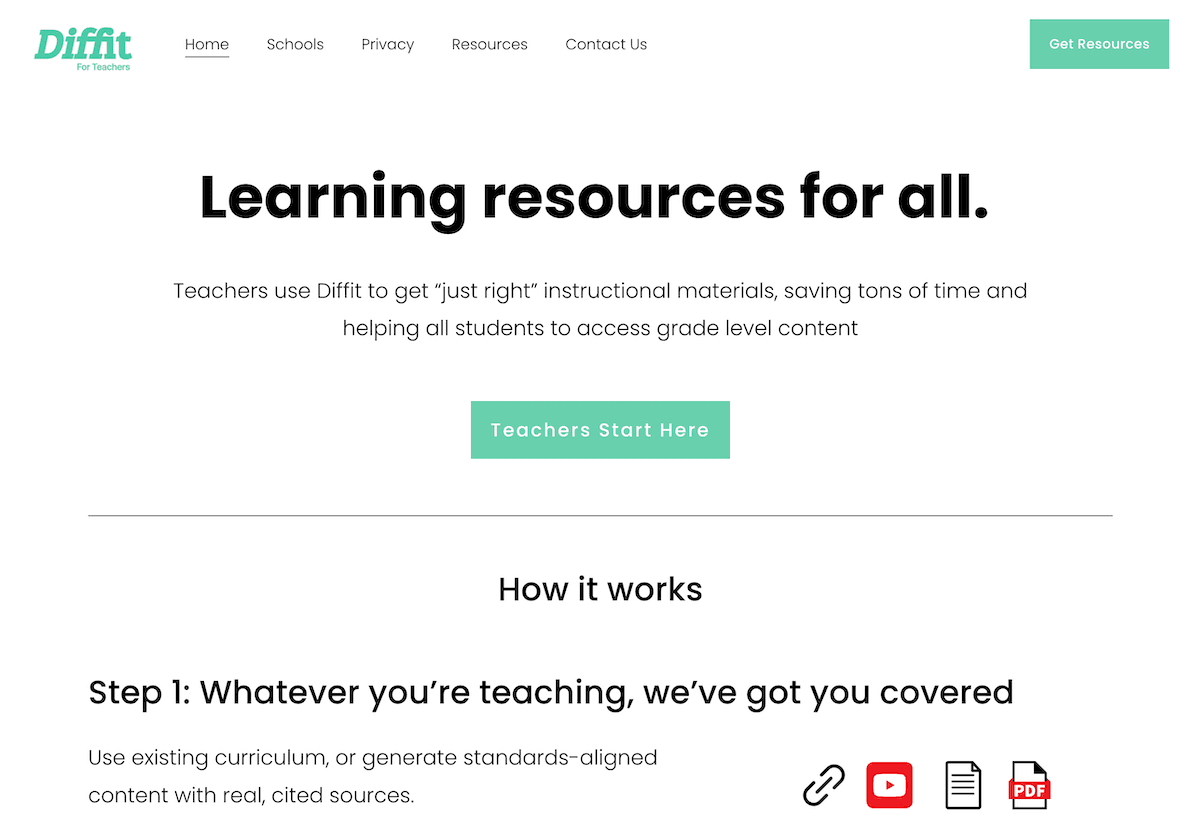
5. Student-Designed Quiz Games — Jungle
Old-school test review is dead in my class. After each major topic, I challenge students to use Jungle to build their own decks—one group for "Reconstruction Misconceptions," another for "Industrial Age Inventions Never Taught in Textbooks." They run their review game day (complete with friendly rivalry), and the AI runs real-time scoring and even flags duplicate or debatable answers—great for discussing historical bias. I review the most controversial cards, and it always turns into our best “what really matters?” reflection.
Try Jungle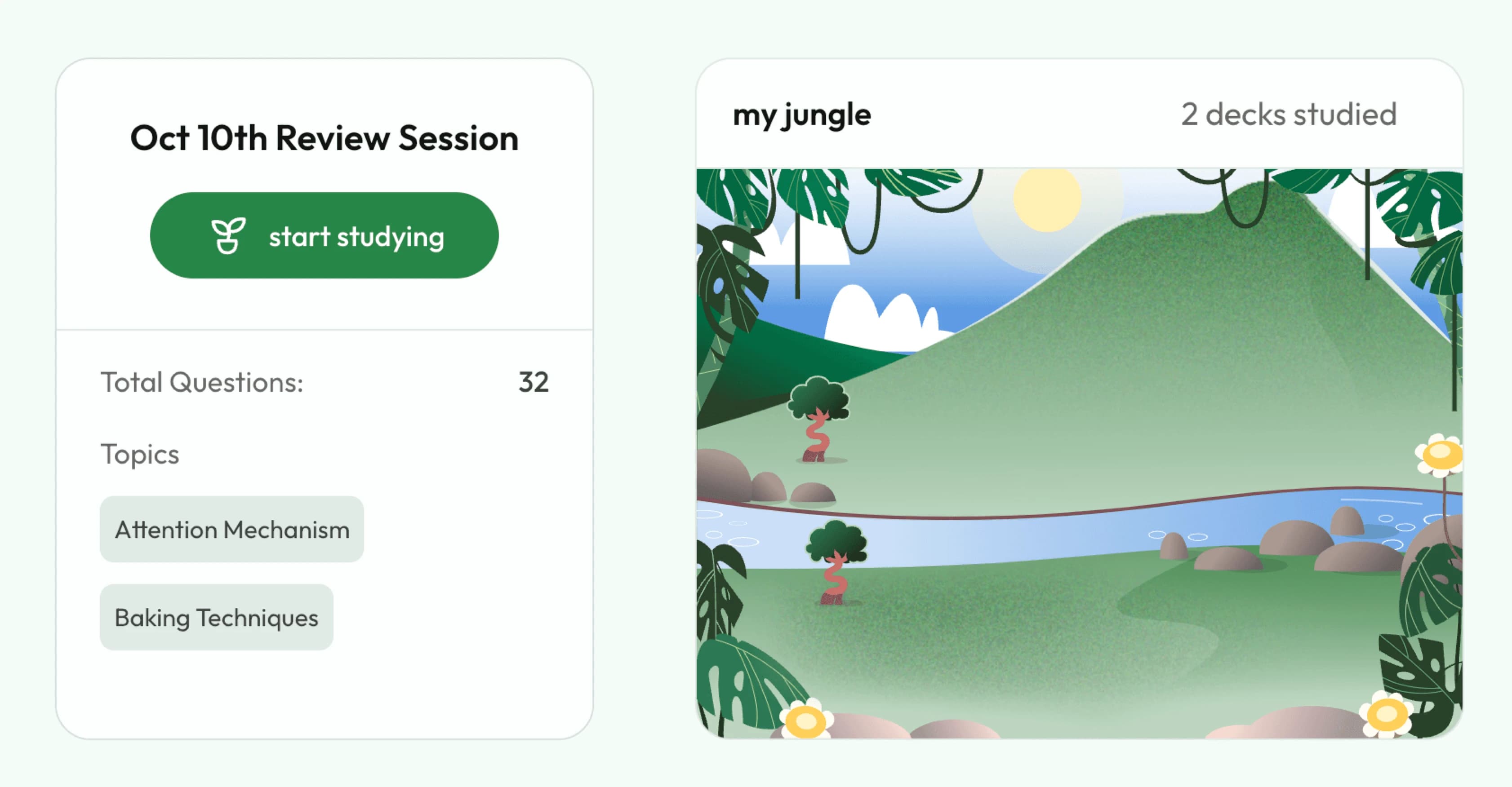
6. Documentary Projects Without the Tech Meltdown — Fliki
I’ll admit, my “digital storytelling” tries collapsed when students hit editing snags. With Fliki, students write script drafts (for example, "The forgotten voices of the Harlem Renaissance” or “How would TikTok have covered the French Revolution?”) and turn them into short, narrated explainer videos—complete with era-appropriate visuals and voiceovers. The projects are easy to scaffold (even for tech beginners), and kids love premiering their work in class "film festivals". Secret benefit: great for virtual nights, family shares, or school announcements.
Try Fliki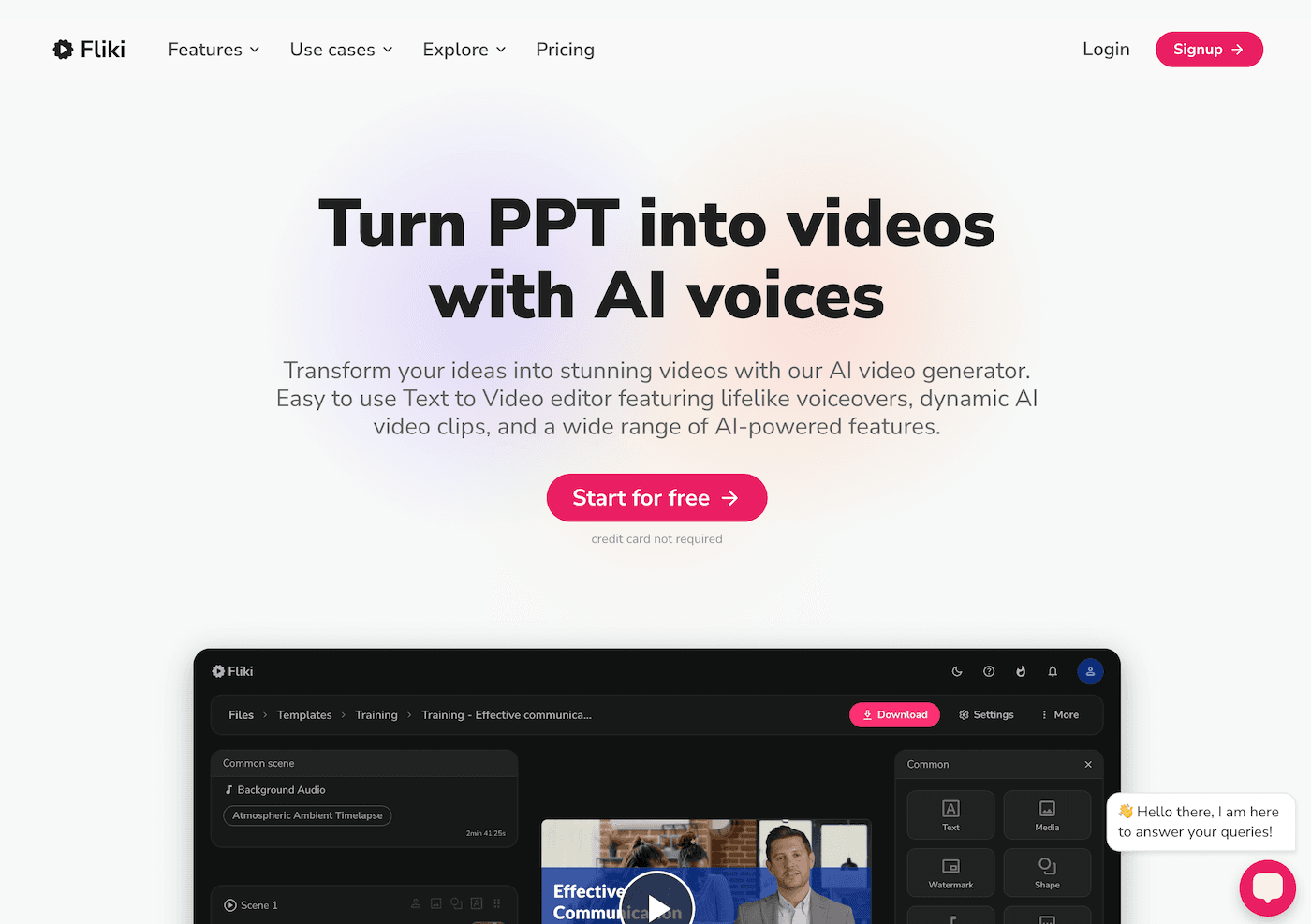
7. Protest Songs, Chants, and Propaganda — Suno AI
History units on protest or cultural change beg for music and student creativity—but making new songs was never my forte. Now, with Suno AI, my students write verse or slogans based on a movement (from anticolonial resistance to modern climate protests), set a musical style, and Suno generates classroom-friendly protest anthems in minutes. The final products range from hilarious to incredibly moving—and we use them to launch debates (“What type of music really unites a movement?”). Even my non-musical kids now see themselves as creators, not just consumers.
Try Suno AI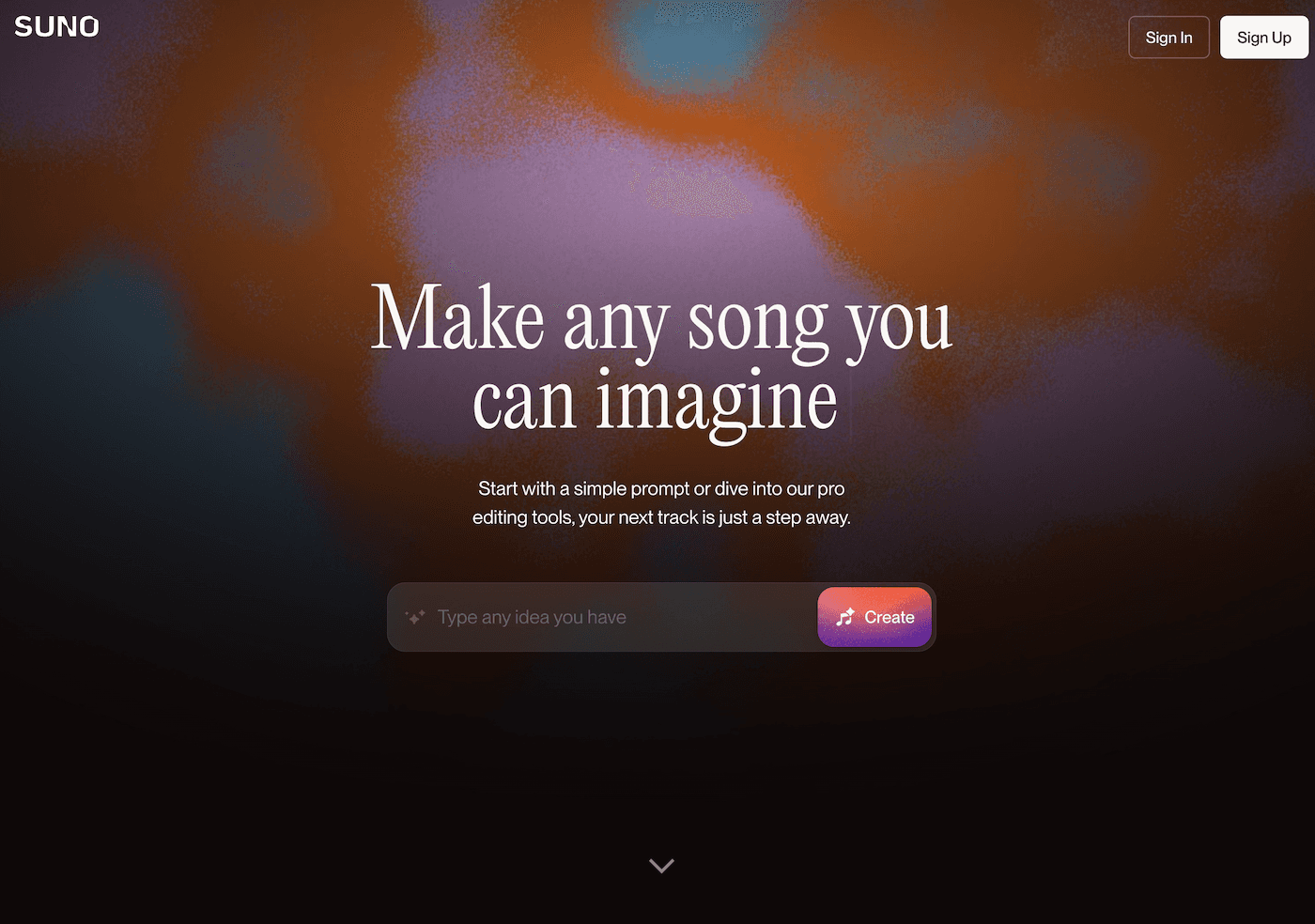
Final Thoughts: Teaching History, Not Just Covering It
My big takeaway after a year of experimenting with AI: When I use these tools for authentic, creative engagement—instead of just saving myself time—my students start to act, question, and argue like real historians. The best AI isn’t about automation; it’s about amplifying student voice (and making the weird, wild, and untold stories of history actually stick).
My advice:
- Start with one tool for a unit you dread or a class that needs more buy-in.
- Let students lead the way—they will find uses, connections, and hacks you never expected.
- If the tech gets in the way or kills your style, ditch it and try something else—history thrives on debate, experiment, and a few glorious flops.
Have you found an AI trick that woke up your history class? Share your story or “aha” moments—I’m still hunting for the perfect simulation of the Congress of Vienna or, one day, an AI-fueled escape room for the Industrial Revolution.