6 Creative AI Tools for Inquiry-Driven History Teachers
If students in your class ever turn a sideline question into a five-day debate, if you believe trending news belongs next to primary sources, or if you’ve messy-mapped a unit just to chase a group’s “what really happened here…?”—you’re not alone. I’ve always taught history as a living argument, letting students interrogate the story and the sources—to the delight of some and the skepticism of colleagues and admin who prefer nice, neat lesson folders.
But, let’s be honest: inquiry is exhausting. If your class thrives on argument, roleplay, and surprise pivots, you need tools that keep chaos visible, engagement authentic, and neighborhoods of voices in the room. Most AI tools flood you with quiz generators or flashcard packs—great for the test, lousy for classrooms built on big questions.
This past year, determined to bring more voices, more sources, and more creative chaos to history, I tested a dozen AI tools and ditched most by Thanksgiving. Here are 6 that made the cut, plus one practice for making inquiry sustainable (not just noisy). Note:
Try Kuraplan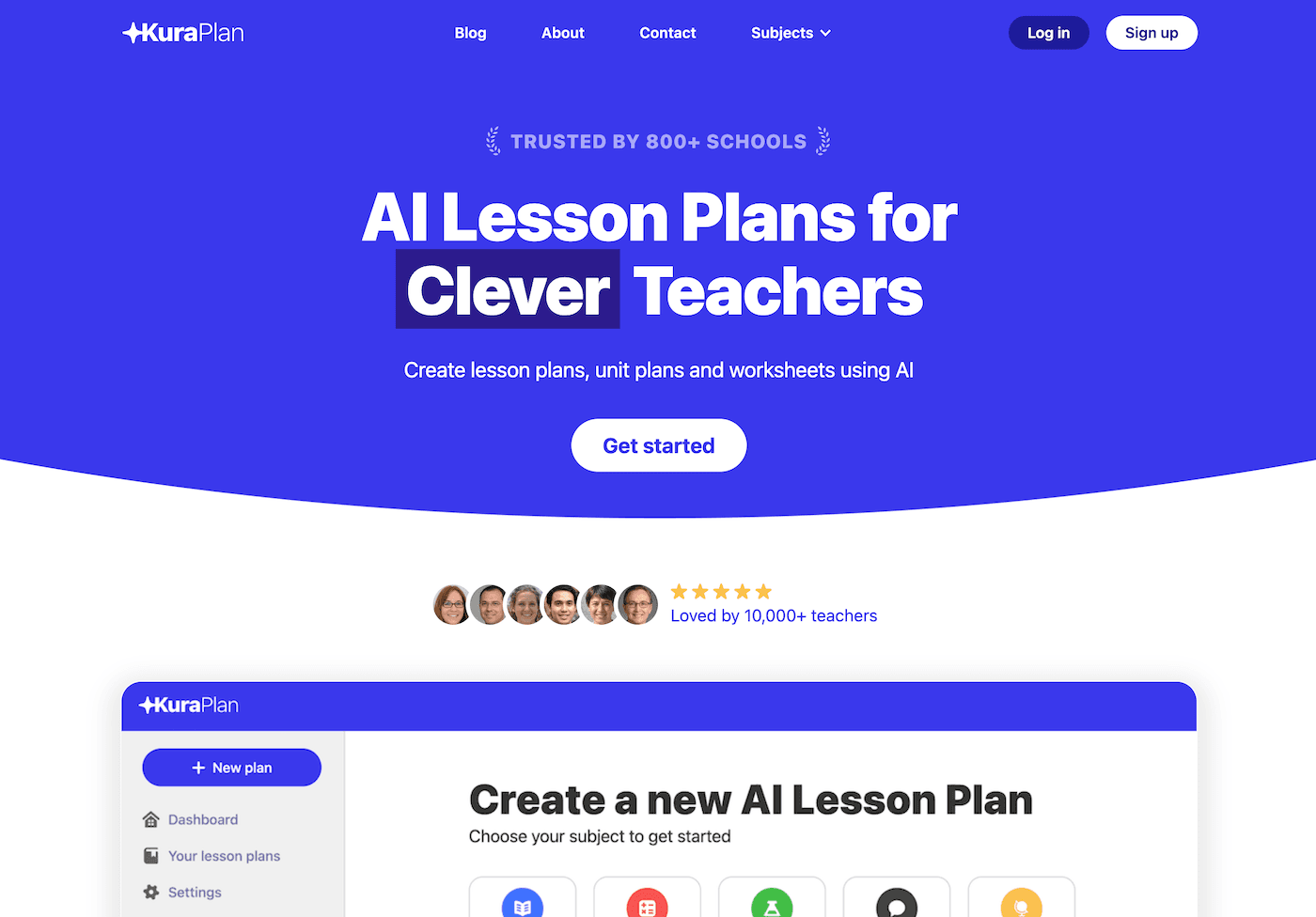
is here, but not in the spotlight—you’ll see why.
1. People AI — Turn Students Into Investigative Interviewers
Forget class panels with shy volunteers—People AI let my 9th graders grill historical figures, composite characters, or invented “eyewitnesses” live. We staged mock Reconstruction hearings, interrogated a suffragist who opposed the vote, and even put a 1990s protester on the stand during our globalization unit. My workflow: students research a figure, draft real questions ("What did you regret? What don’t textbooks get right about your era?"), and run the AI-powered interview. The twist? They fact-check the AI with source evidence after class, fueling new research cycles. Side effect: quieter students become star interrogators when the subject fights back.
Try People AI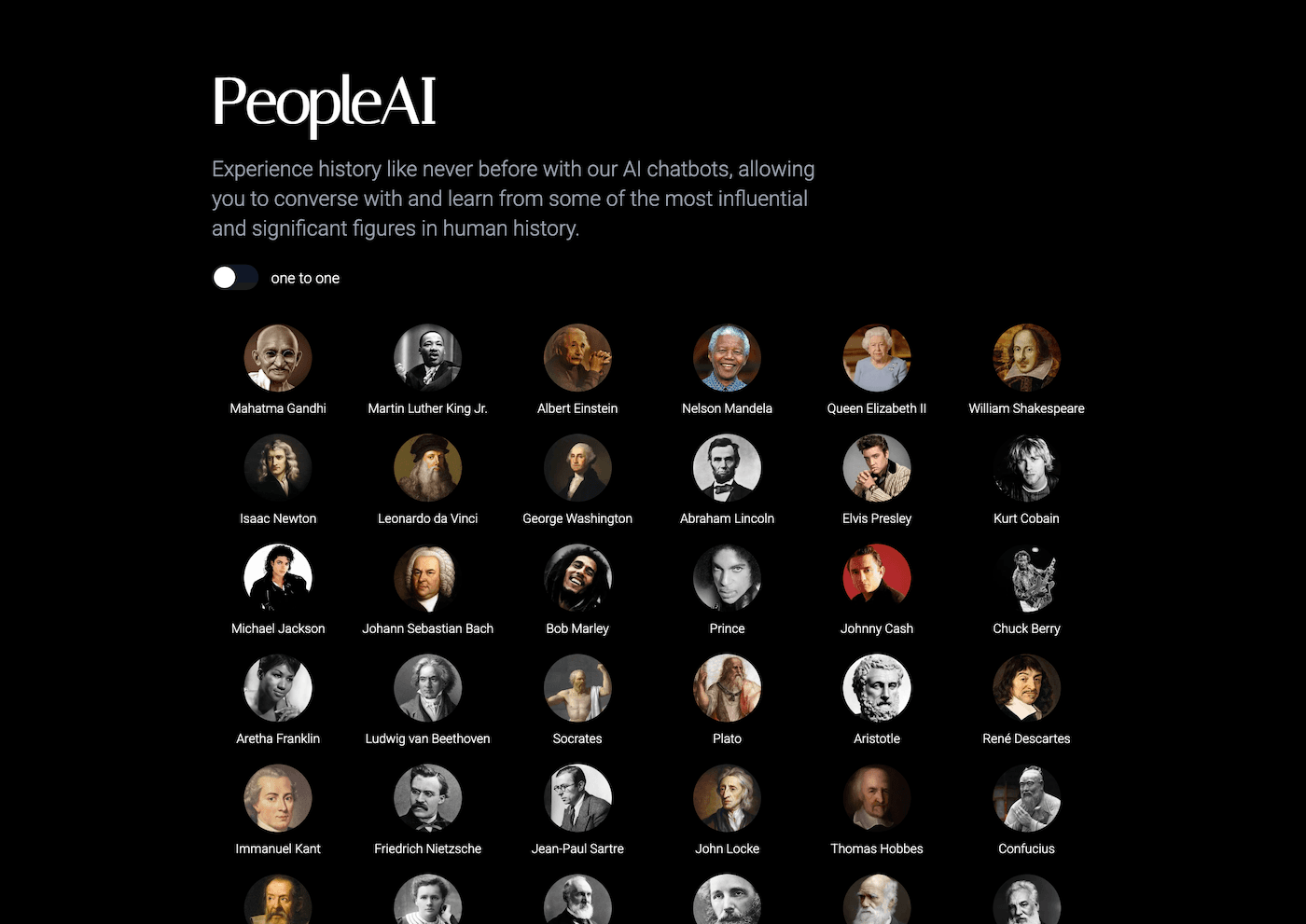
2. Diffit — Making Any Source an Inquiry Starter
Inquiry means real sources, not just the sanitized textbook. But letting student groups pick their own documents, podcasts, or news clips used to lead to rabbit holes—and confused readers. Now, anytime a group pitches an article (from a 1920s editorial to a climate protest TikTok), I run it through Diffit for instant leveled versions, guiding questions, and vocabulary lists. The result? Whole-class inquiry launches AND small-group source workshops ("What’s missing in the basic version? Is there bias in a higher-level translation?"). Differentiation is immediate, but the bigger win is student voice: nobody opts out, and the texts fuel debates—not worksheet drills.
Try Diffit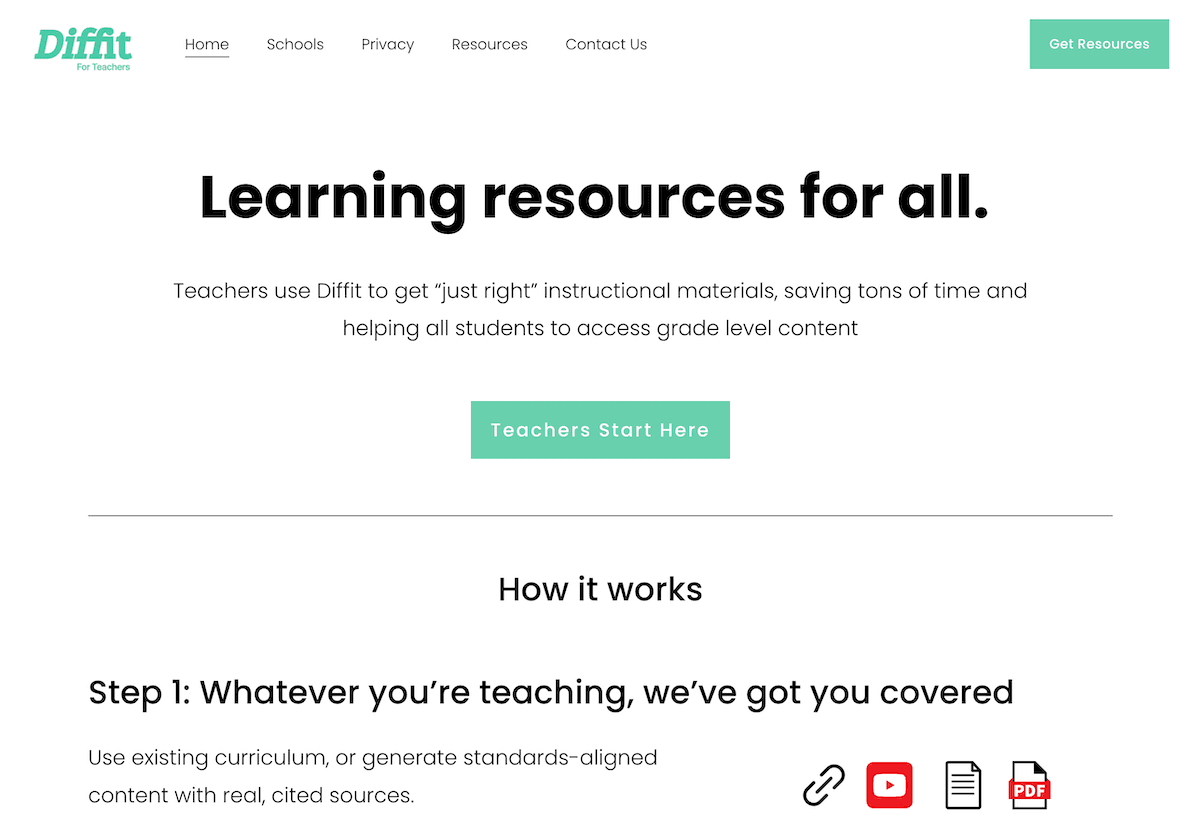
3. Kuraplan — Mapping Messy Units With Student Choices
History teachers live and die by the unit plan—but inquiry means your map needs a lot more white space. I use Kuraplan for the scaffold, but here’s the trick: I never finalize it alone. After the first source day, my class groups propose detours ("Can we run a court for this law? Investigate a local version?"). We project Kuraplan and cut, reorder, or overlay new checkpoints (“peer podcast days,” “museum zine launch,” “wild-card debate round”). The plan evolves—but the standards stay clear (a lifesaver when admin ask “What are you actually covering next week?”). Inquiry finally gets the backbone it needs, without getting tamed.
Try Kuraplan4. Gamma — Turning Debates and Process Into Class Museums
The heart of real inquiry is often lost (erased from the whiteboard, trashed after the gallery walk). Gamma lets us preserve and share the journey. Photos of heated group maps, claim webs, sticky notes from trial days, even screenshots of group-chatted arguments go in Gamma. Instantly, back comes a living, student-annotated digital timeline: “here’s where we changed our minds,” “this evidence rocked our narrative,” “major dead end.” We project the Gamma boards at parent nights—and I keep them as time capsules for future classes (“last year’s run with this question started here, and look where they landed!”). Gamma’s the tool for showing the beautiful, unfinished process that inquiry demands.
Try Gamma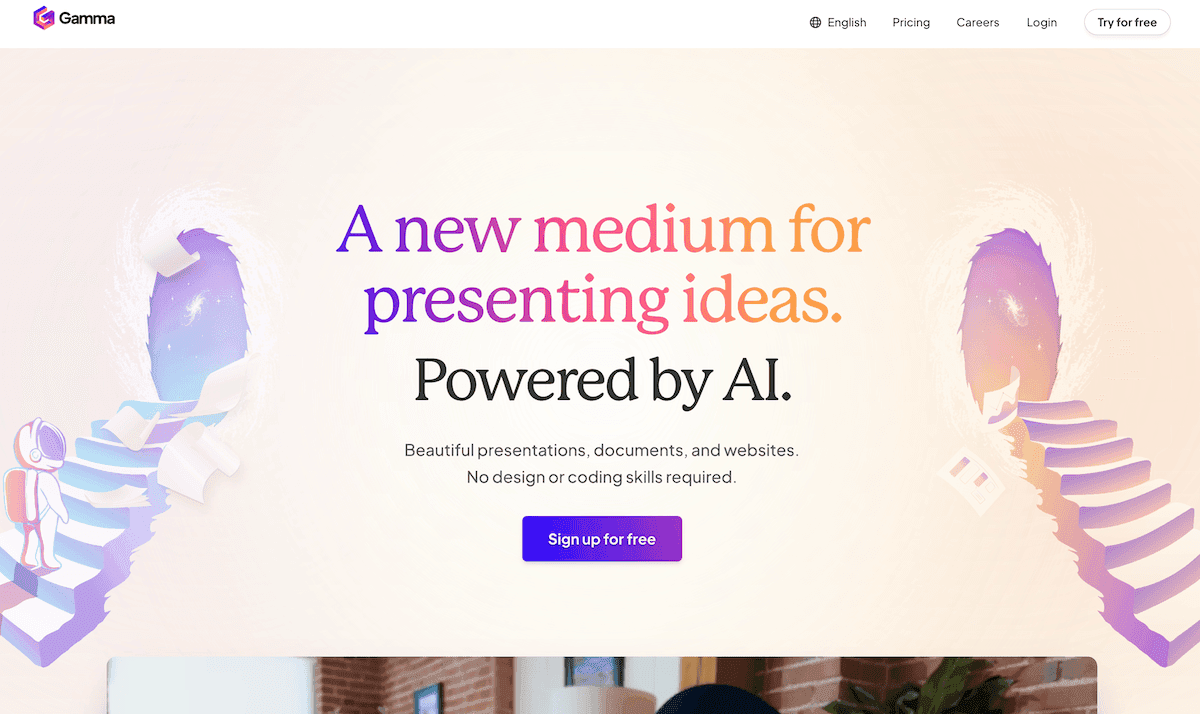
5. Jungle — Student-Authored "What Got Us Stuck?” Decks
Review and assessment are often inquiry’s weak spots. Jungle let my classes build “Curiosity Cards” after every checkpoint: one misconception, one new research angle, and one "what we still don’t get about this era." Decks are used for Socratic hot seats (“answer in pairs: who can build the weirdest connection?”), meta-cognitive reviews, or launched as debates for the next period (“should this go on the test, or is it meant to be left unresolved?”). Suddenly, review isn’t about who remembered the chart—it’s about how many new questions we created. Bonus: the most debated cards get archived as seeds for future units.
Try Jungle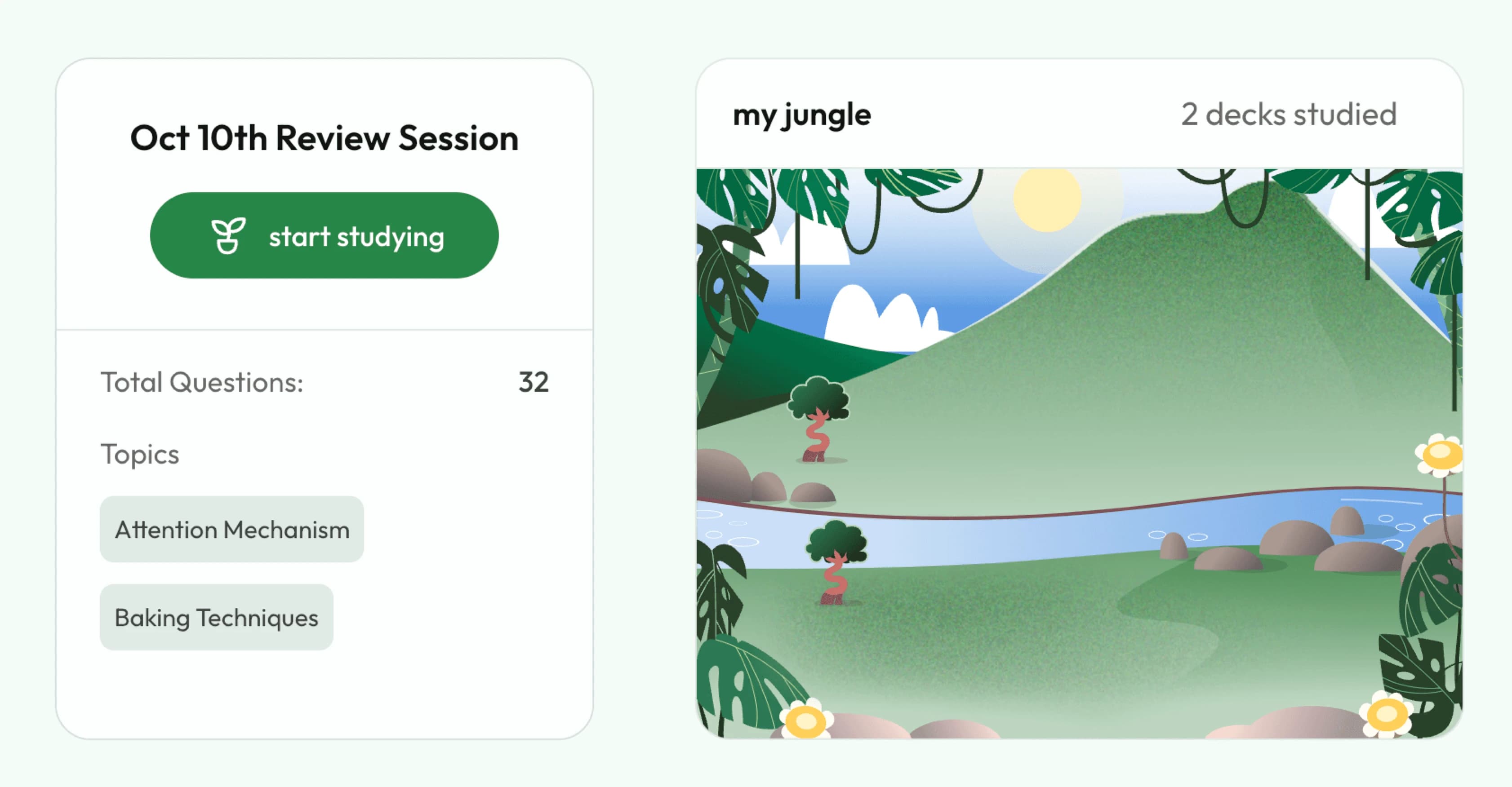
6. Suno AI — Ritual Songs for Marking Inquiry Milestones
Culture matters in any active-learning class, but inquiry tends to feel frayed: there’s no test day, just a hundred "aha!" moments—and some exhausted confusion. With Suno AI, students write the "anthem prompt" after every debate, argument web, or gallery walk: “Song for the Claim Nobody Expected,” “Victory Lap for the Underdogs in the War Debate,” “Chant for Changing Your Mind.” Suno instantly produces a quick ritual track; we play these for closure, launch, or even on sub days as a soundtrack for the mess (and joy!) of in-progress inquiry. Turns out, class soundtracks make brave questions stick.
For Teachers Who Let Students Lead the History Hunt
- Show your process before (and after) you know the outcome—Gamma and Notebook LM make the journey reusable, not just the grade.
- Map units together—Kuraplan used collaboratively is a guardrail and a permission slip for detours.
- Make texts and sources accessible (Diffit!); student questions are only as good as the documents they can actually wrestle with.
- Ritualize review: let your students decide what’s unresolved (Jungle), and play the soundtrack (Suno) to keep debate and discovery alive.
Got a favorite inquiry workflow, AI tool, or wild student-created debate moment that rewrote your map? Drop your story in the comments. In every great history classroom, the best question isn’t “what happened?”—it’s “what else can we do with this?”