6 Unconventional AI Tools for Real-World Science Teaching
If you’re the kind of science teacher whose lessons rarely fit in a tidy worksheet—think field trips, real experiments, student-driven labs, and whatever wild curveball your district’s curriculum throws at you—this post is for you. Most AI tools on trending lists focus on planning, grading, or churning out generic content. But for those of us running messy, hands-on, real science, the biggest challenge is workflow: organizing projects, capturing on-the-fly learning, and making sure every student gets to be a scientist, not just a test-taker.
After a year of intentional trial and error, these are my six favorite AI tools for building authentic, wildly unpredictable science classrooms—each one solves a unique problem (not just more busywork). Kuraplan’s in here (for a reason!), but so is some tech you might not have tried even if you’re already a master of Google Docs and digital timers.
1. Notebook LM – Field Journal for Modern STEM Classes
I wanted my students doing real science: think data collection outside, messy group projects, and more than a fill-in-the-table lab. Problem? The notes (and big questions) scattered across notebooks, photos, and random emails. Notebook LM lets every group dump observations, images, and even voice memos into a digital class lab notebook; the AI pulls patterns, suggests new experiment questions, and (here’s the magic) builds summary scripts students use for peer-reviewed podcasts or lightning round presentations.
We now wrap field trips by auto-generating a cross-group "Science Debrief" episode—with reluctant writers finding new confidence as host or guest. Bonus: It archives every group's messy process, so next year’s students can pick up where the last left off.
Try Notebook LM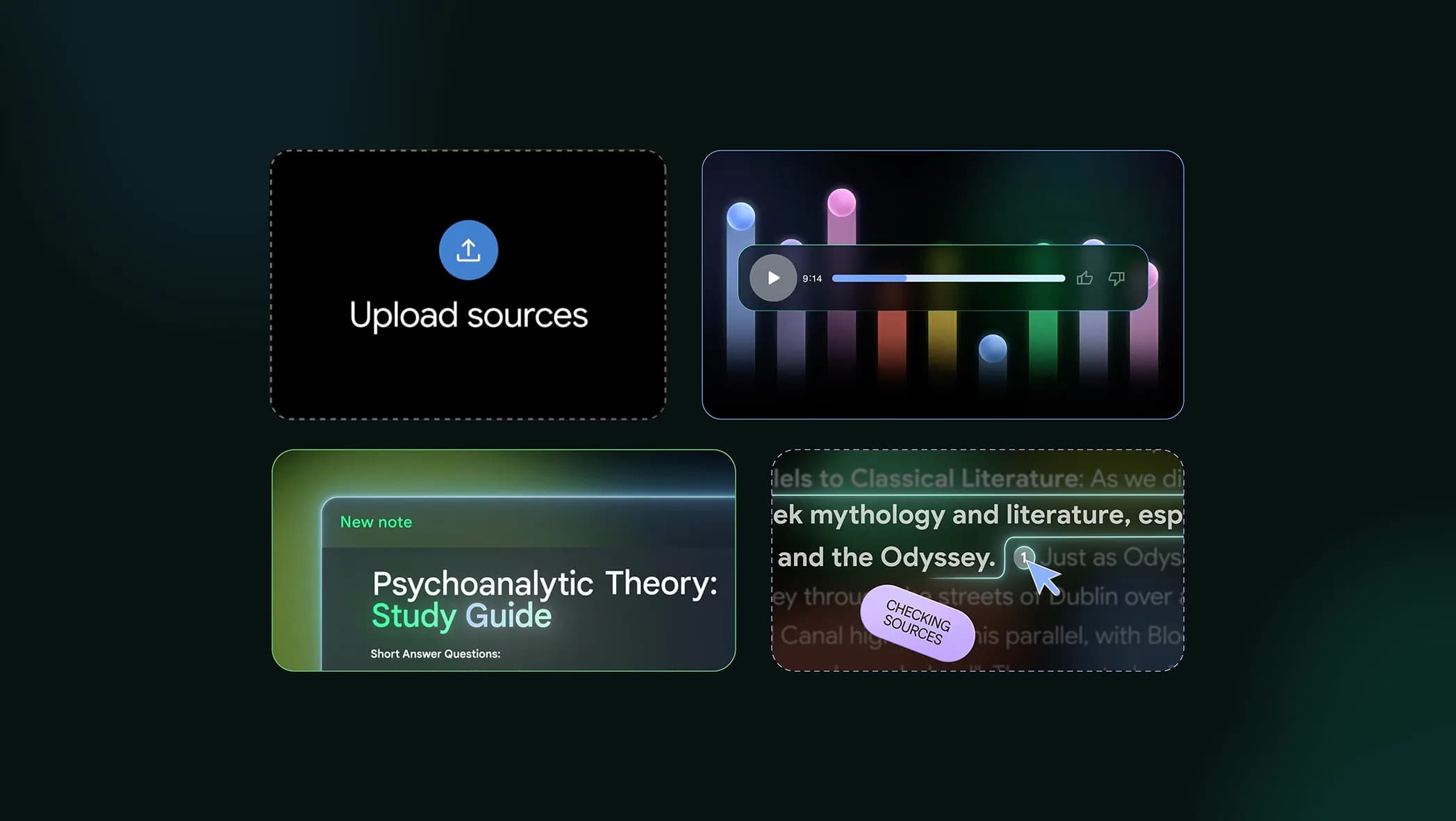
2. Kuraplan – Project Sequencing, Not Just Lecture Planning
Real-world science NEVER sticks to tidy scripts—absences, late equipment, or a surprise student experiment can send your whole unit sideways. I use Kuraplan for more than just unit plans; I dump in my start point ("Ecosystem investigation"), field trip dates, and wild ideas from my class brainstorm—and Kuraplan outputs draft checkpoints, progress markers, and built-in space for extension or review days.
Best move? Project the Kuraplan map on day one and let students edit the plan in real time—cut places that feel slow, add a showcase day, or flag when we need to slow down. This way, planning is living and flexible, not a box you’re forced to teach in.
Try Kuraplan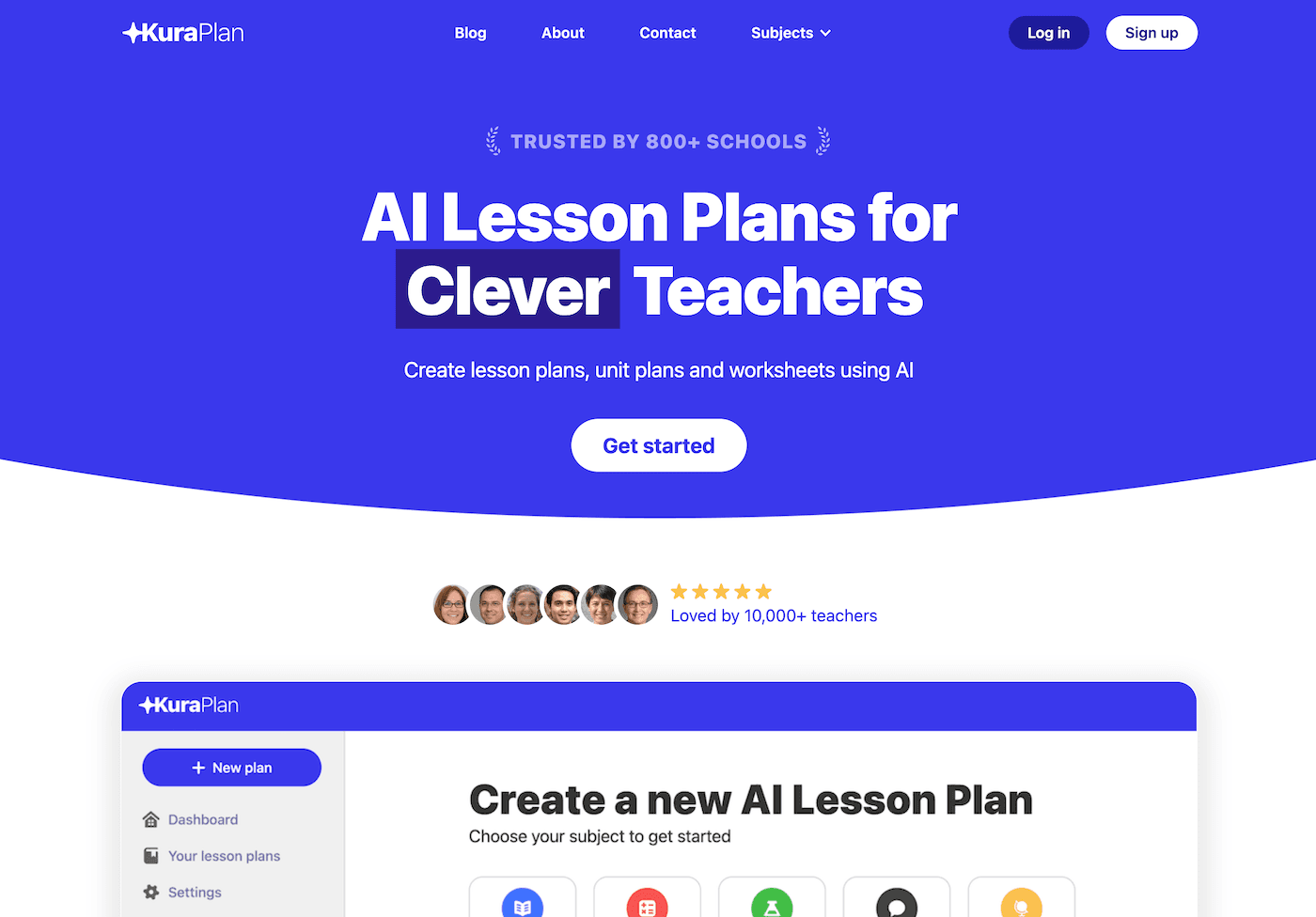
3. Jungle – Building Lab Review Games Right From Student Mistakes
Forget printing the same review packet every week. After each lab, I ask students to submit cards to Jungle: odd findings, results that didn’t make sense, sticky vocab, even "what went wrong." Jungle builds custom flashcard decks for every class—and I let students challenge each other to explain the weirdest outcome. The kicker? We use the decks for sub days, pretest warmups, or published as exchanges with other classes ("Explain what’s wrong with our data, if you dare!"). Suddenly, review is student-driven, real, and focused on process—not just answers.
Try Jungle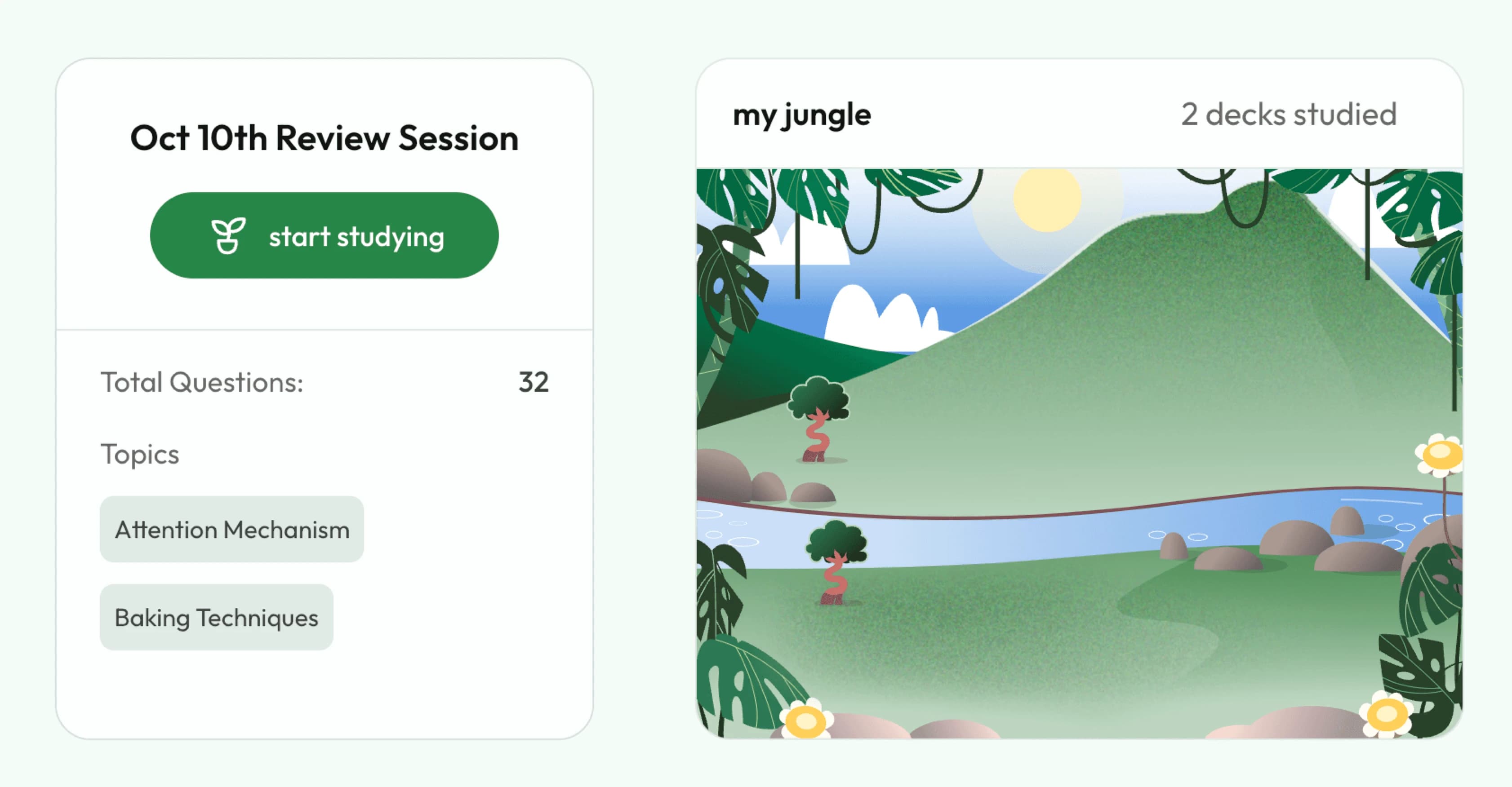
4. Gamma – Visual Storytelling With Real Data (Not Just Slides)
My project boards used to be a paper-cutter’s nightmare. Now, after every field study or week-long group project, students upload photos, tables, and wild observations into Gamma. The AI splits them into sections—"What We Thought Would Happen," "Our Surprises," "Biggest Mistakes,"—and autogenerates a scrollable, shareable digital gallery. Parents and administrators see process and thinking, not just polished results.
We now use Gamma as a regular "lab gallery" walk: each group presents their slides, gets (friendly!) feedback, and builds community as real-world scientists. Especially powerful for ELLs and visual learners who might struggle telling the story in words.
Try Gamma
5. Diffit – Turning Community Problems Into Tiered Case Studies
Every good science unit should connect to the real world—but most open-ended readings or news clippings are either way over students’ heads or too watered down. With Diffit, I paste in ANY local problem (a newspaper article about pollution, a city council climate complaint, or even a student's letter home), and instantly get multiple reading levels, vocab, and quick-discussion questions. This means every group can debate current science, policy, or environmental issues at their own level—no more splitting the class by who can read the article and who can’t. It’s my secret weapon for turning "What does this have to do with me?" into a whole-class, all-access debate.
Try Diffit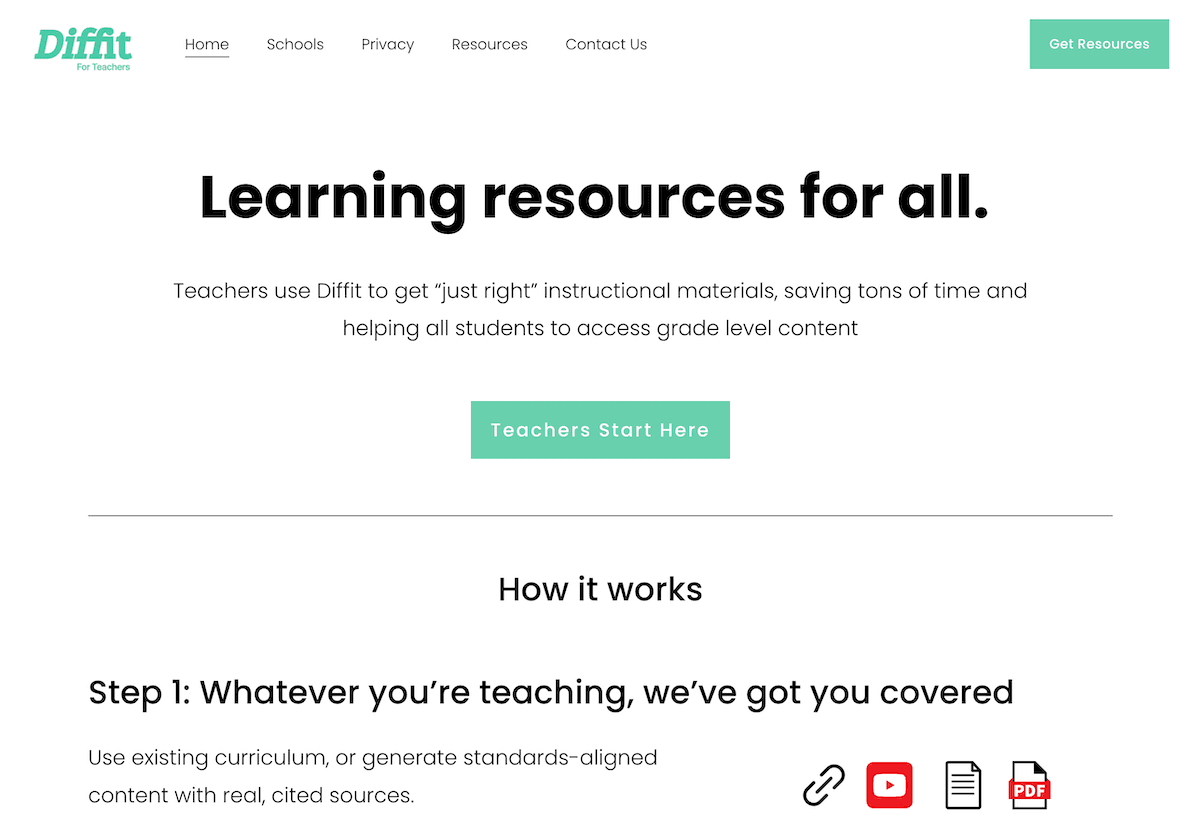
6. Suno AI – Science Rituals That Stick (and Get Silly)
Here’s the deal: community, humor, and tradition matter a ton in science class. My students now make their own science chants, lab safety raps, or “Today We Survived” reflection anthems using Suno AI. We play them to kick off labs, refocus after disasters, or mark the end of a rough week. Songwriting is a team ritual (sometimes groups make playful “error anthems” about what went wrong in a project), and suddenly even my introverts get involved when it’s time to sing the "Refraction Rap" or "Clean Glassware Polka." SEL meets science—no musical skill required.
Try Suno AI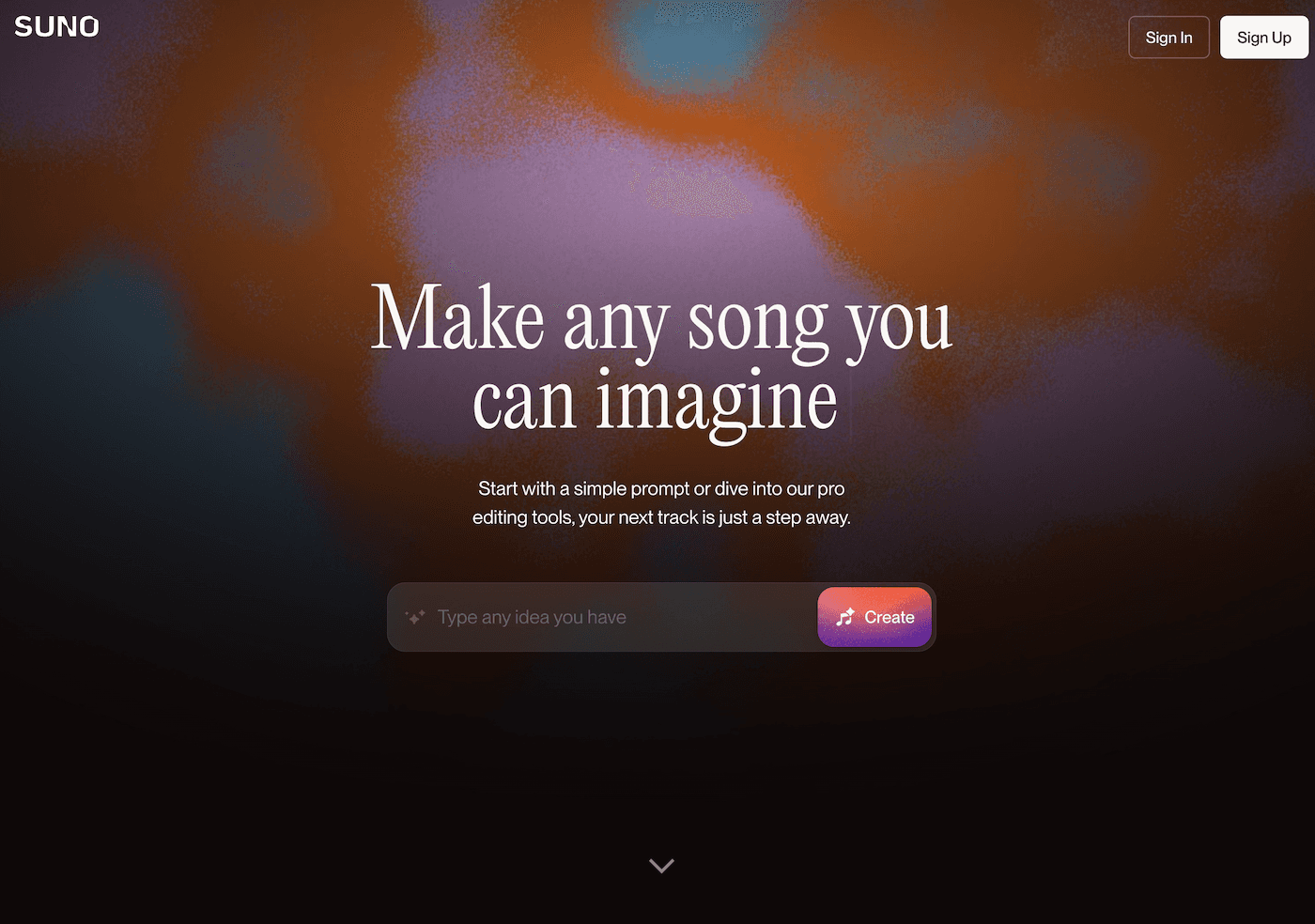
Final Wisdom: Science Should Be Messy (and Memorable)
Real science is hands-on, unpredictable, and sometimes a little off-script. If you want your class to reflect that—not just prep for standardized tests—use your AI tools as a backbone for workflow and student voice. My tip:
- Use AI for what bogs you down: organizing, documenting, scaffolding open-ended work, NOT just making more worksheets.
- Let students “hack” your workflow if possible—most of my best project rituals and lab galleries came from student suggestions, not my perfect plan.
- Treat the mess as evidence: share your Notebook LM podcasts, Gamma galleries, and Suno anthems with families and admin. The surprise? They’ll finally see the learning in all that glorious chaos.
Are you a hands-on science teacher with a new AI trick (or a big fail)? Drop your story below—I’m here for every experiment, side quest, and wild workflow you invent in 2025!