5 Unexpected AI Tools for Creative History Teachers
For most of my teaching career, history class felt like a tightrope walk: balancing inquiry and coverage, trying to get teens to care about the Federalist Papers (or, let’s be honest, even open them). Over time, I found that my students—and I—learned more from projects that went off-script, debates that ran long, and rabbit holes left on the whiteboard at the end of the day. The past year, though, I challenged myself: could AI actually enable that productive chaos, rather than turn my classroom into a worksheet factory?
The answer: yes, but only if you look past the obvious listicles. Below are five AI tools that let me tap into student creativity, tackle wild topics, and document learning in totally new ways—especially when lesson plans veer into unknown territory. (And, yes, Kuraplan is here. But it’s not doing what you think.)
1. Notebook LM: Turning Research Chaos into Class Podcasts
Every history teacher knows the pain: sticky notes, student-generated questions, primary source links, and half-baked theories stacking up faster than you can analyze them. This semester, I started dropping everything—student notes, research findings, memes, and even exit tickets—into Notebook LM. The real win? The AI surfaces key debates, spins off student-generated Q&As, and even mocks up class podcast scripts. Instead of burying February’s brainstorms, we started recording student-led “History Hot Take” episodes—using our own unruly research pile as fuel for discussion. It’s a reflection tool, a synthesis engine, and a showcase for voices you’d otherwise never hear.
Try Notebook LM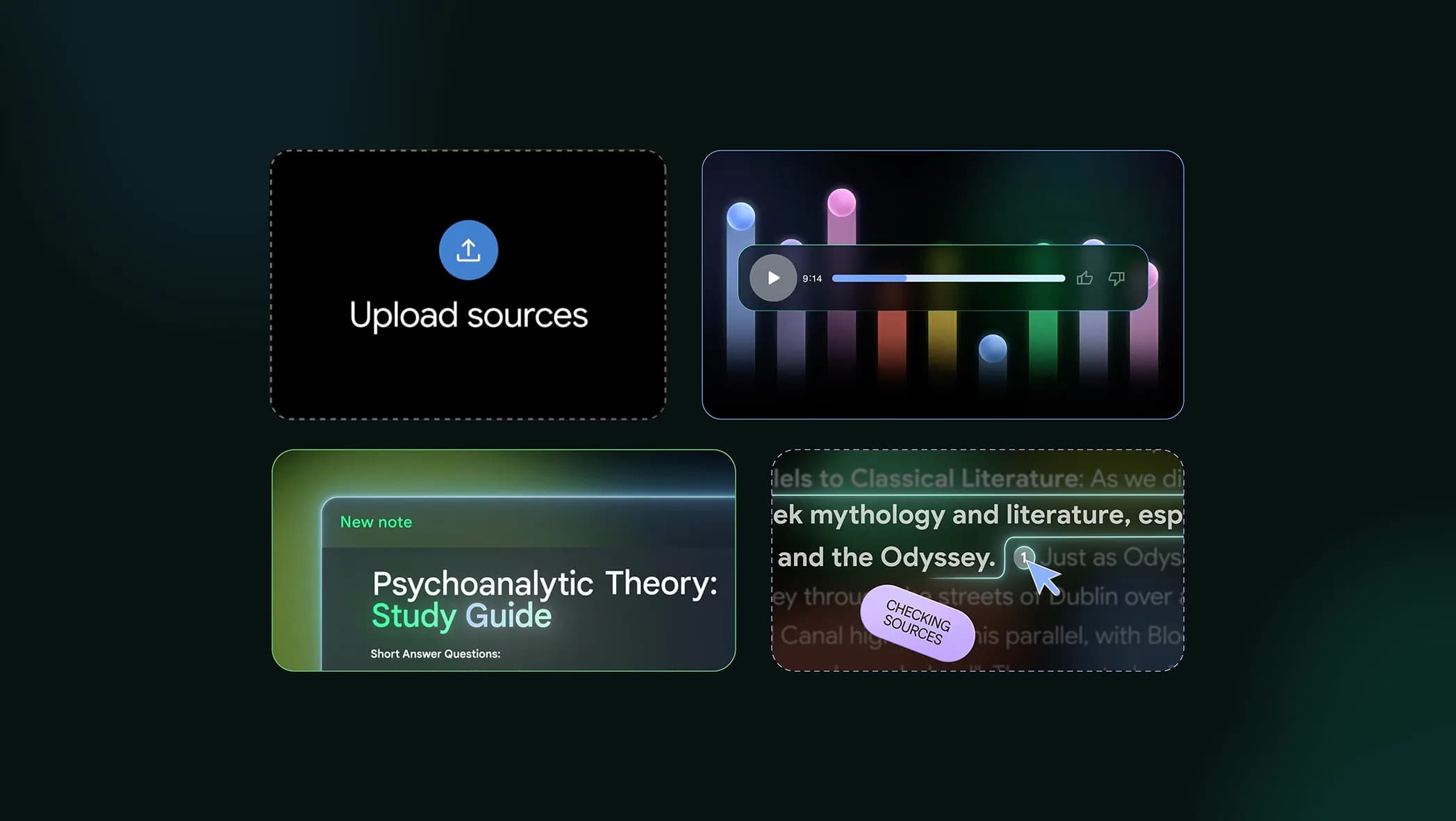
2. People AI: Unscripted Debates with Real (or Fictional) Figures
Sure, you can “interview” presidents and activists. But the most creative use I found? Letting groups design their own guests—from a Black Union soldier griping about Reconstruction to an imagined medieval peasant explaining plague superstitions. With People AI, students script the character, challenge their class to interrogate them, and the AI role-plays in plausible, sometimes unpredictable ways. This isn’t just “historical chat”—it’s empathy, improvisation, and argument all at once. Our best trial? A Socratic showdown between a 1980s punk and a Roaring Twenties speakeasy owner debating the meaning of "rebellion."
Try People AI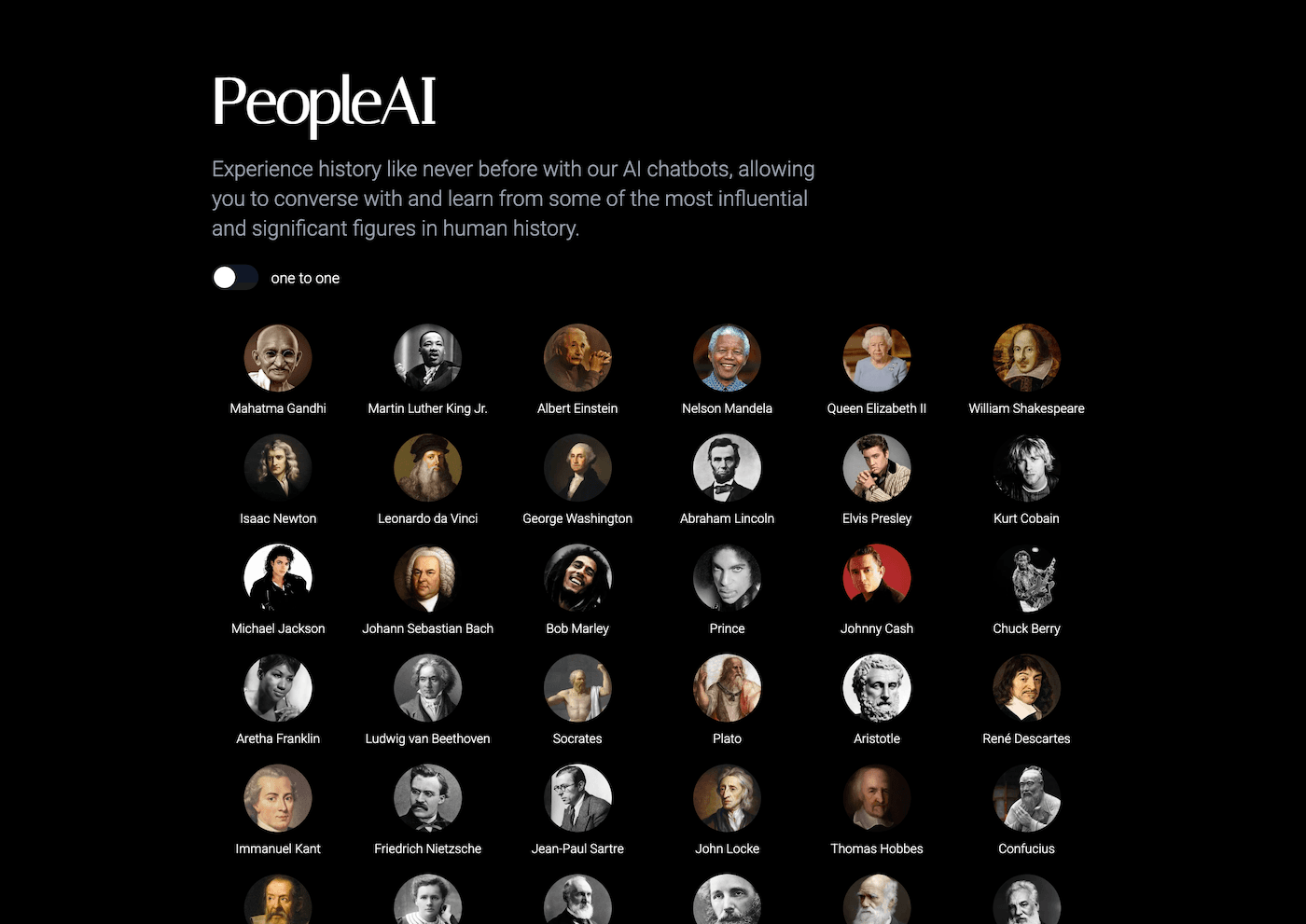
3. Kuraplan: Scaffolding Student-Designed Quests (Not Just Unit Plans)
Everyone knows Kuraplan for pacing guides. Here’s my twist: when my APUSH students pitched a class “history quest” (investigating the hidden stories of our town), we built the plan together in Kuraplan. The AI generated timelines, check-in points, and cross-disciplinary hooks, but we used it as a living map—deleting or moving milestones as the students unearthed new sources or hit research dead ends. As the project morphed, Kuraplan’s backbone made sure we didn’t lose momentum—even when a lead fizzled or an oral history interview changed our focus mid-week. No stifling structure, just curated scaffolding.
Try Kuraplan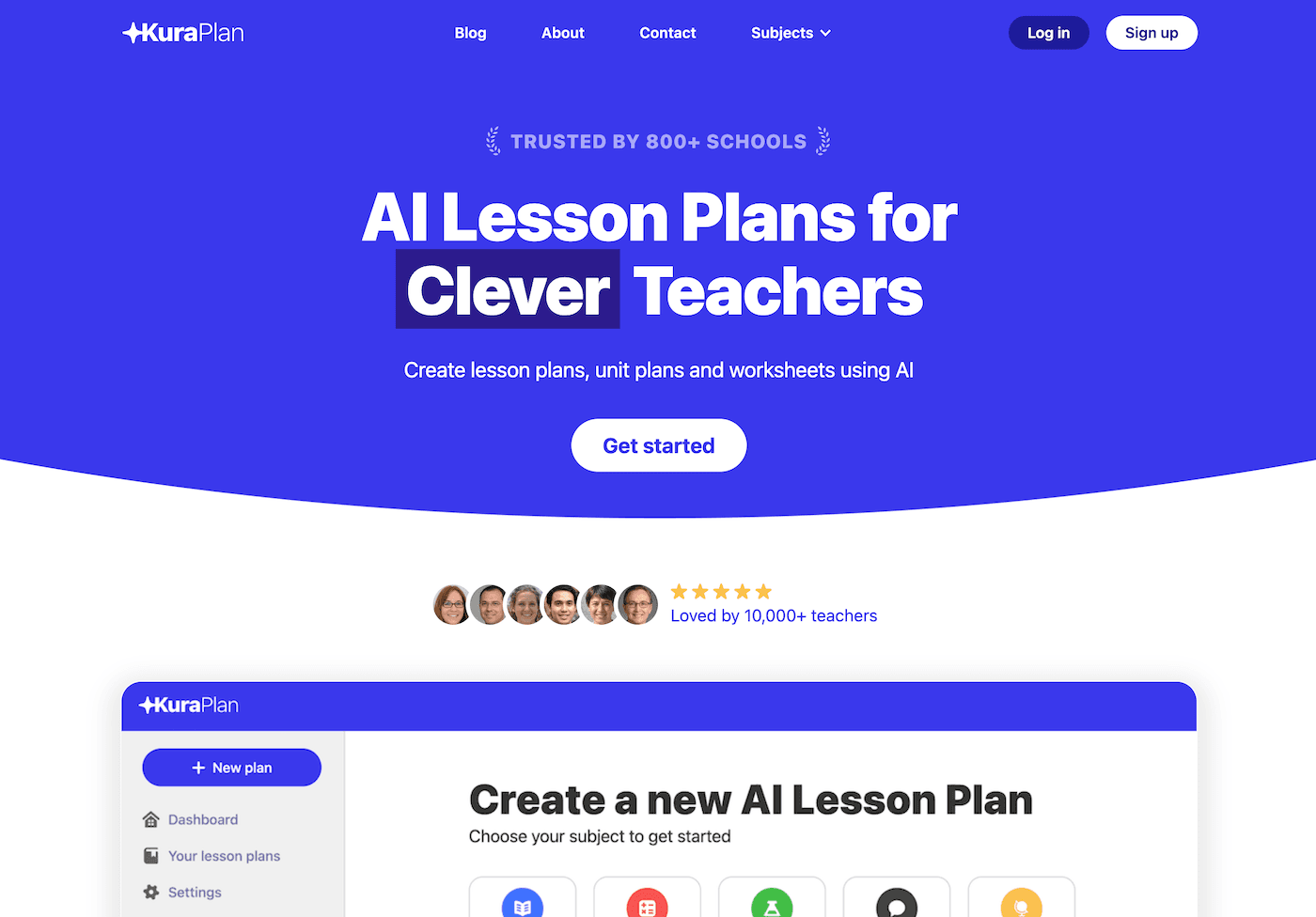
4. Gamma: Student Portfolios as Historical Exhibits
Digital portfolios are nothing new. But this year, after every major inquiry, I let students curate a "micro-exhibit" in Gamma—organizing their debates, annotated docs, political cartoons, and even field trip photos into vibrant, narrative-driven slideshows. The key: students controlled the storyline, picked which sources to spotlight (including the “failed hypothesis” slides), and presented to a real audience (parents, admin, or peers). Gamma turned our wall of research into a scrollable museum—and gave students practice as both historians and exhibit curators, not just paper writers.
Try Gamma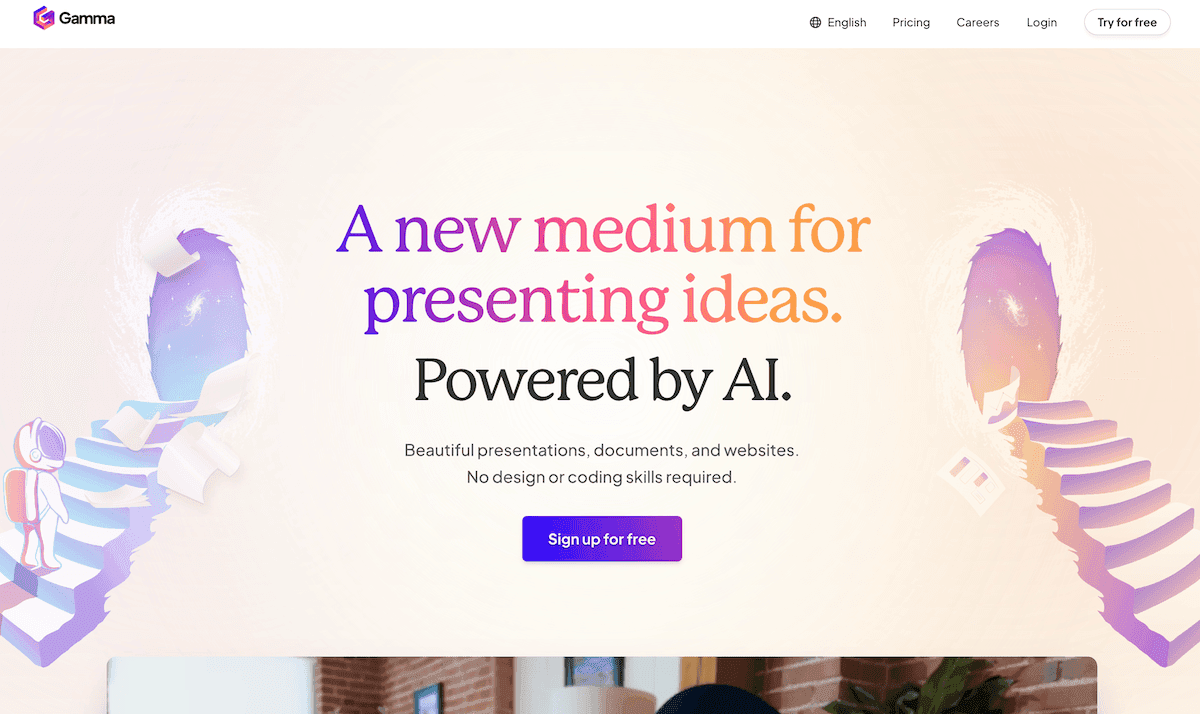
5. Suno AI: Class Rituals and Memory Through Music
History class is as much about culture as content. With Suno AI, my students wrote lyrics for protest songs, anthems after finishing tough DBQs, and even irreverent “tribute tracks” for election week. Suno instantly generated classroom-ready songs; we blasted the best as openers for presentations or to break tension before a big discussion. The result: history class felt celebratory and embodied, even during the inevitable tough slogs. Best moment? A class-created “Treaty of Ghent Peace Song” played live over Zoom—honestly, I’ve never seen better postwar negotiations in a review week.
Try Suno AI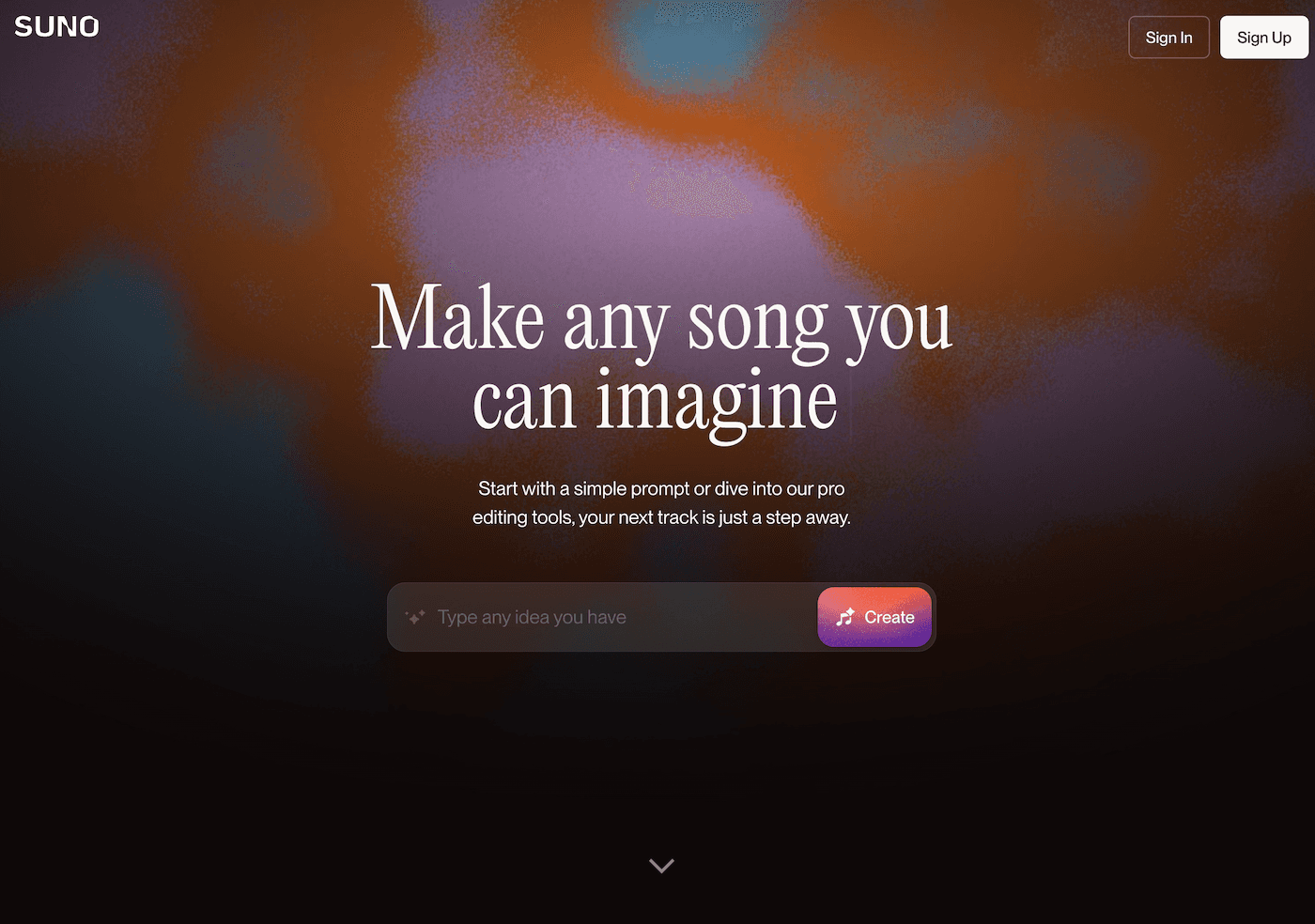
Final Thoughts for History Teachers Who Love Surprises
AI tools won’t replace the magic of a surprise, off-topic student question that turns the lesson inside out. But the right ones can document those moments, scaffold wild projects, and let every student (not just the hand-raisers) make their own history public. My top advice:
- Pick the workflow you hate most (tracking messy research, organizing artifacts, documenting discussion) and try one tool to tame that part of the chaos.
- Let your students co-drive—every creative workflow above began with student input, edits, and more than one group hack!
- Use AI as a storytelling scaffold, not a script. The best history work is always a little unpredictable. Your tools should be too.
If you’ve found a way to break the mold and bring real, unpredictable history to life with AI, share your experiments (or disasters) below—I’m still hunting for the perfect debate template or simulation workflow. Here’s to more weird, brilliant, deeply human history classrooms in 2025.