6 Unexpected AI Tools for Creative Science Teachers
Every time I step into a science room—mine or anyone else’s—I’m reminded that the best teaching is equal parts showrunner, stage manager, and accountability coach. I’ve run everything from marshmallow towers to multi-day climate simulations, and sure, I’ll use a quiz when I have to. But my most memorable labs and units have always teetered on the edge of chaos: wild experiments, student-led projects, and that one time the botany group built an irrigated wall garden in the window sill (with mixed results).
For years, AI in education felt aimed at algorithmic worksheet factories—but this year, a handful of new (and weirdly wonderful) tools broke through the grading-and-planning mold. They helped me capture moments of discovery I would’ve missed, handed creative control to my students without burning myself out, and brought a little more science joy to the parts of teaching no curriculum guide preps you for.
Below, you’ll find the six AI tools I used for exactly those unscripted, high-energy moments—plus one secret for convincing reluctant admin that project chaos is worth the risk. You’ll see
Try Kuraplan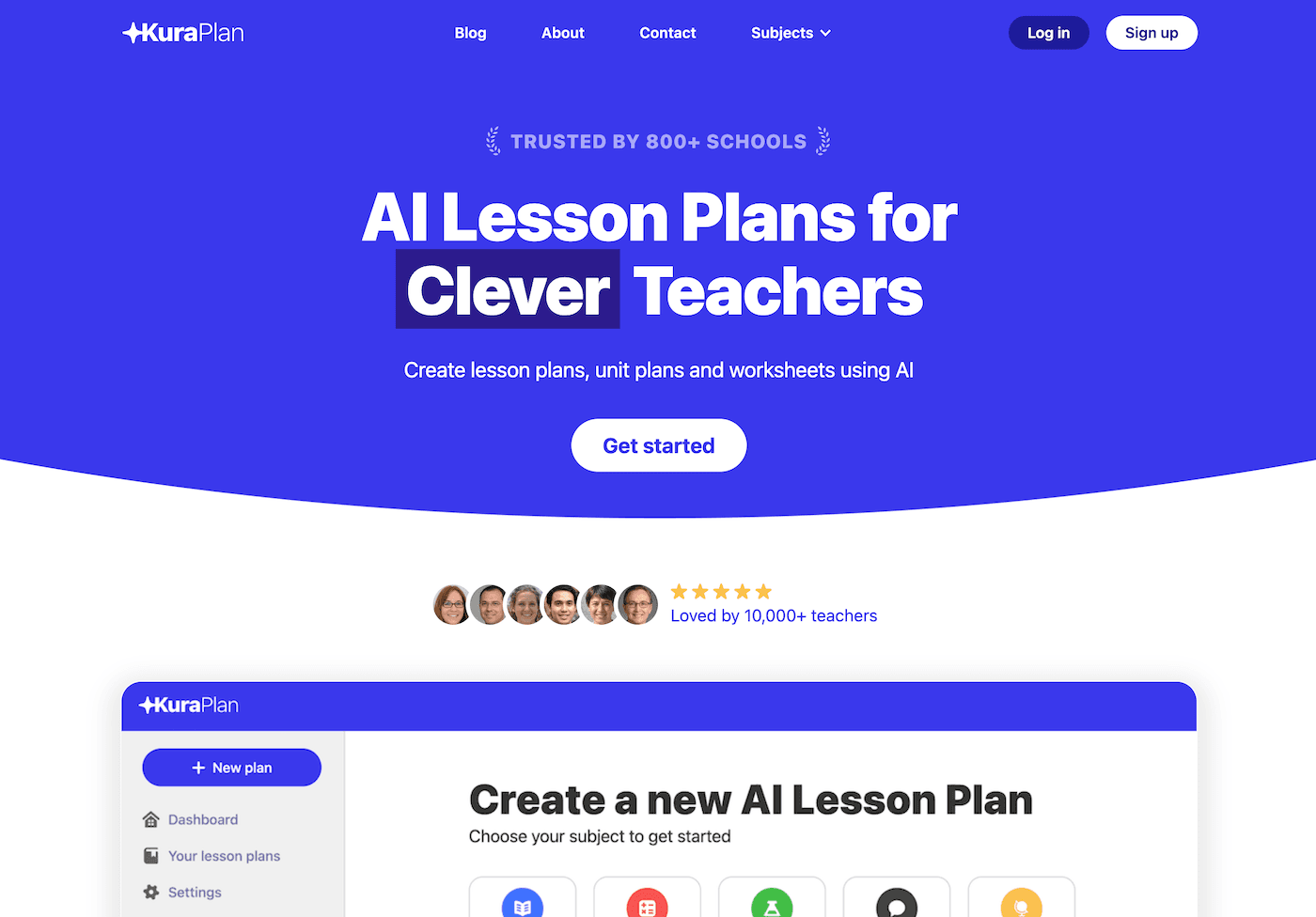
in here, but it’s far from the only headline act.
1. Notebook LM – The Digital Lab Notebook for Curious Classes
Every ambitious project or inquiry I run ends up with evidence scattered across Google Docs, photos from student iPads, voice memos, and whiteboards that get erased before fifth period. This year, I started piling everything—student hypotheses, exit tickets, group annotations, weird data leaks—into Notebook LM. The game-changer: the AI surfaces themes, connects student ideas across classes, and can even suggest podcast scripts for lab debriefs or panel discussions. Now, my students record peer-led “What Went Right (And Wrong)” podcasts after big projects, and we launch new inquiries off last week’s brainstorms instead of reinventing every wheel. The best part? Even my shyest students hear their voice in our end-of-unit “science show,” and I’ve got a portfolio for parent night showing process, not just polished results.
Try Notebook LM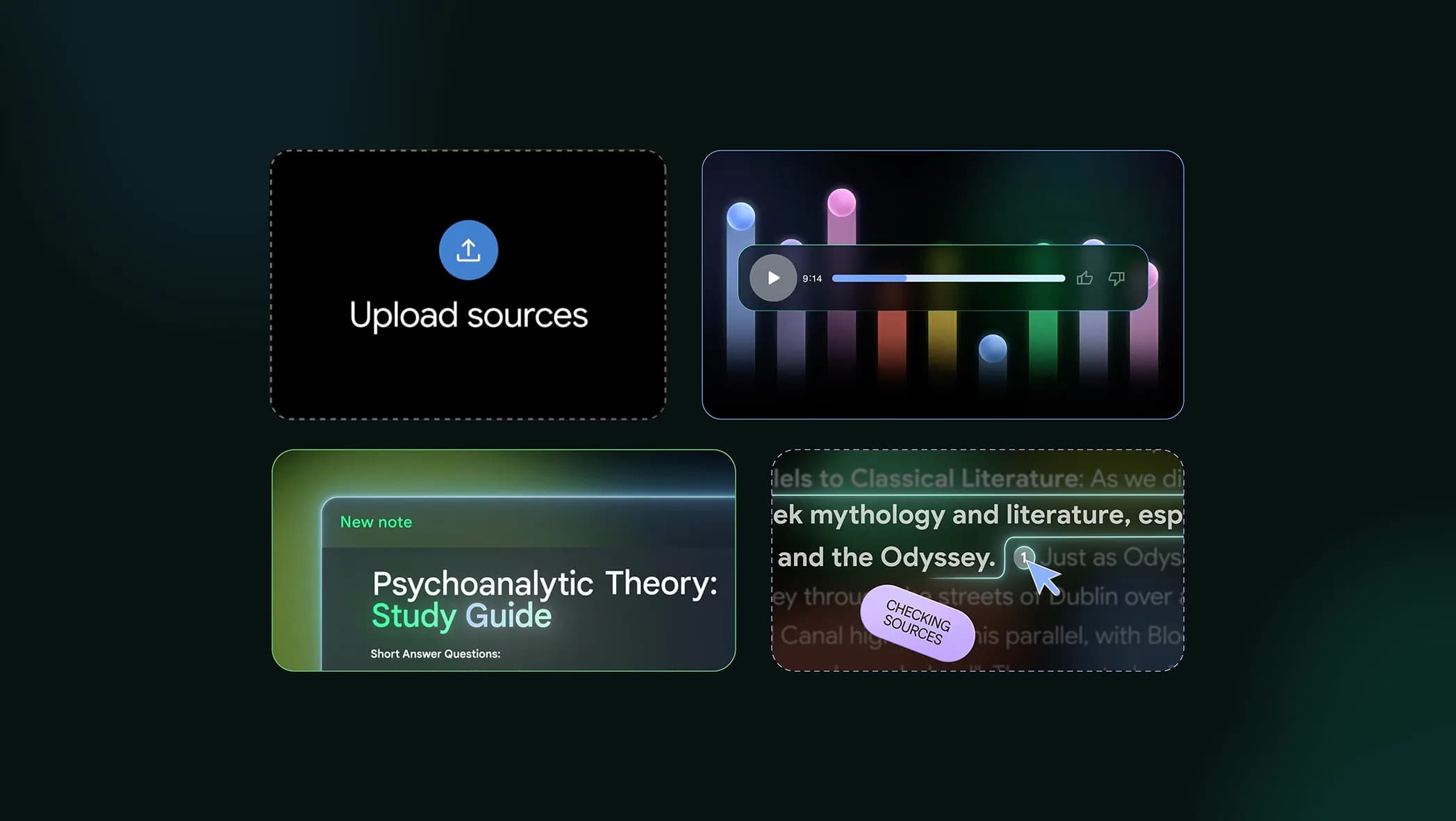
2. Kuraplan – Flexible Unit Maps, Not Strict Scripts
We all need a backbone—but project-based science never follows a script. I use Kuraplan at the start of messy units: I drop in my wild driving questions (“Can a micro-ecosystem survive on a sunny shelf?”), plug in upcoming field trip dates or student passions (“Let’s run a data-collect-a-thon for our local river”), and let Kuraplan draft an open-ended project sequence—suggested checkpoints, research cycles, and possible public events. The trick: I share the draft with my class on the projector, quickly hacking and rearranging the sequence as we plan together. For once, I’m not stuck making (or apologizing for) lesson detours—Kuraplan gives me enough structure to keep things rigorous, but the freedom to pivot when the best ideas come from the back row.
Try Kuraplan3. Jungle – Review and Reflection, Authored by Students
My favorite review sessions are rowdy—students challenging each other with “What did our experiment miss?” or “What’s the worst way to graph these results?” Jungle lets them turn their hardest questions (and weirdest misconceptions) into a collaborative deck—flashcards, short quizzes, or even trivia contests for the rival lab group. The AI shuffles and sorts for duplicates, so we get a true classwide pulse. Suddenly, revision is less a chore and more a celebration of where we got stuck—and it frees me from building boring worksheet packets by hand. I print the best questions weekly and leave them in the hallway for other curious classes (always a hit at open house).
Try Jungle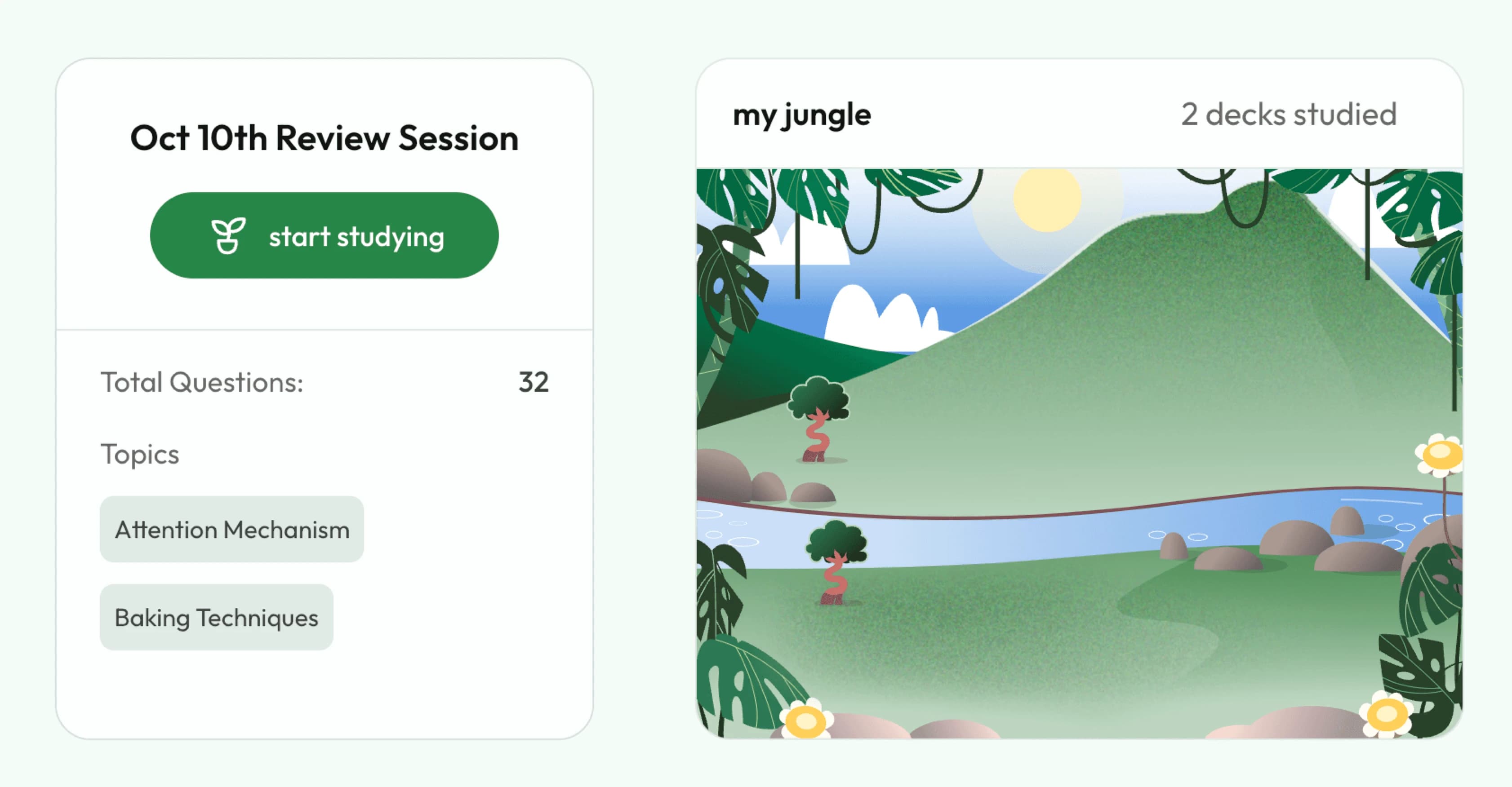
4. Gamma – From Project Mayhem to Shareable Science Stories
Science teachers know: project exhibits, poster fairs, and student “case studies” often mean a pile of sticky notes and three lost USB drives. With Gamma, I let each group dump photos, data tables, observations, and field journals into the app—and the AI organizes everything into beautiful storyboards, annotated galleries, and even process timelines. My students build “lab galleries” for critique and family viewing as the unit unfolds, not just at the end. Bonus points for organizing disaster—when our solar oven project failed spectacularly, we used Gamma to map every misstep, and that reflection got more parent praise than any successful product I’ve posted.
Try Gamma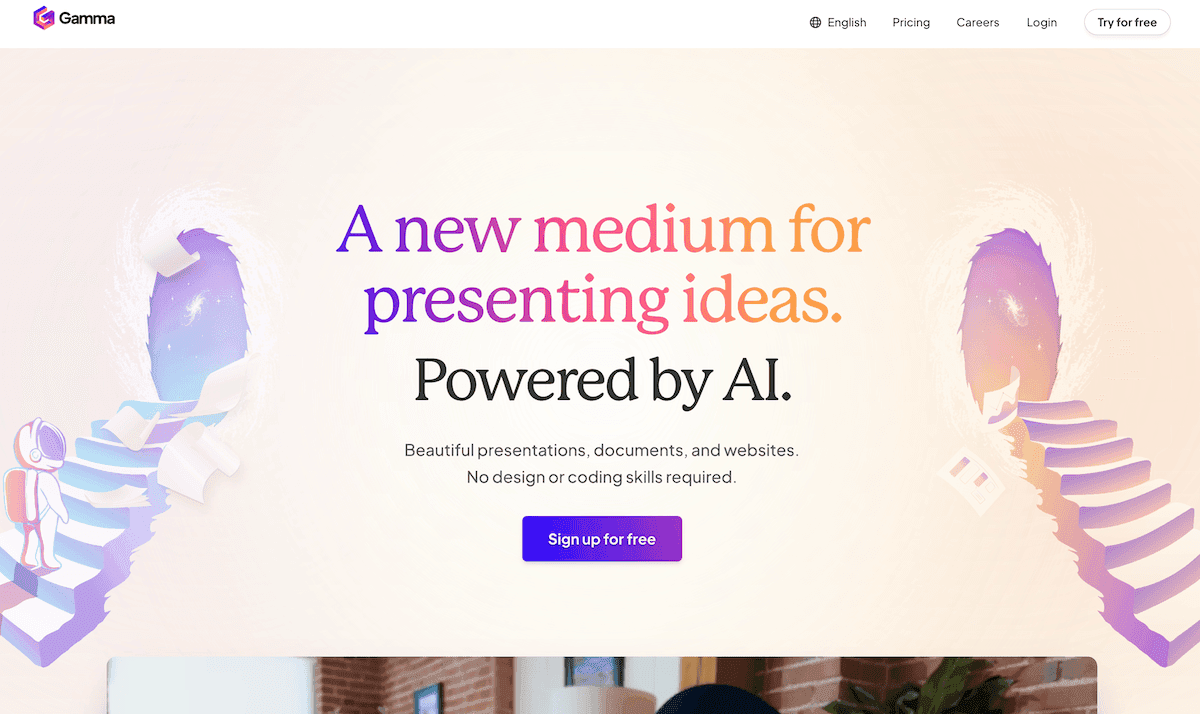
5. Diffit – Real-World Science News for Every Level
My most successful discussions use actual news or primary data, but the first time I tried a research day with last year’s New York Times climate story, two-thirds of my class panicked. Diffit is now my “access hack”—I paste in any article, video transcript, or field report, and the app creates leveled versions, guided questions, and vocab lists for student teams. It’s not just for struggling readers—my GTs started using Diffit to compare mainstream and adapted versions, sparking wild discussions about language, bias, and accessibility. It’s now routine: student project leads find an article, make their own Diffit pack, and run their own mini-inquiry for lab days.
Try Diffit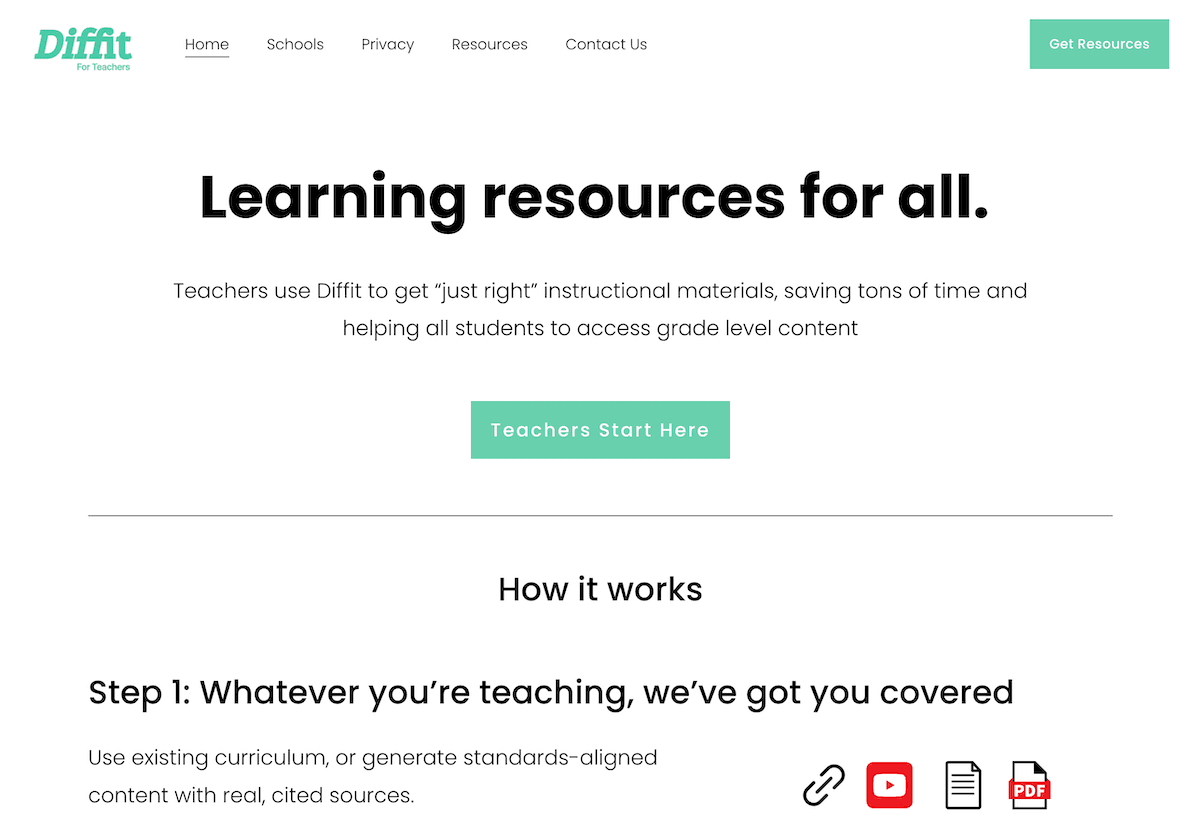
6. Suno AI – Rituals, Science Anthems, and Debrief Songs
The science classroom is as much about culture as content: safety songs, brain-break chants, or celebratory anthems after “surviving” the volcano demo are legend. With Suno AI, my kids crowdsource lyrics (“Refraction Rap Battles,” “Today We Cleaned Up That Chem Spill,” or “Density, Density, Don’t Mess With Me”) and the AI turns them into legit class tracks. We play these when we open lab, between stations, or just to reframe failures as badges of honor. Parents comment more on the “Lab Safety Tango” than on midterm grades. Community and memory aren’t just a side dish—they’re the secret to real engagement (and, sneakily, long-term retention).
Try Suno AI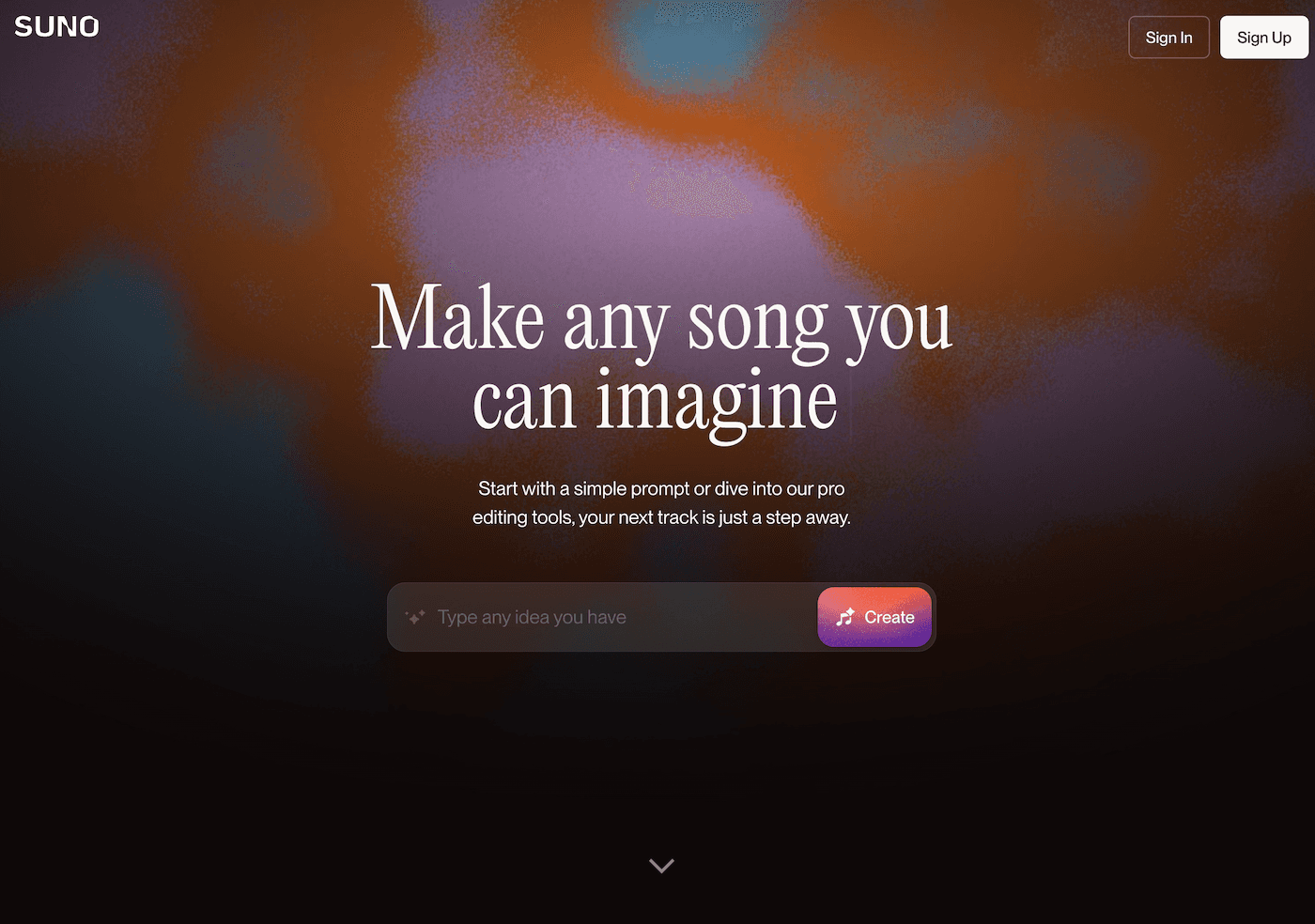
For Hands-On Science Teachers Who Refuse to Settle
A quick note from the trenches:
- Don’t wait for the “right” AI—these tools only shine when you or your students break the template, remix outputs, and trust your own instincts.
- Document and share process, not just results: your Gamma galleries and Notebook podcasts are proof to parents (and admin) that science learning is happening in all its messy glory.
- Use Kuraplan for just enough backbone—but treat every plan as a prototype, not gospel.
- Let the culture build itself: Jungle review day, Suno playlist rituals, and student-led Diffit packs will do more for learning than a thousand quizzes or slide decks.
If you’ve built a creative science workflow—or survived a class project that went delightfully sideways with the help of AI—share your story below. More than ever, science class is about adventure, human error, and the “what if…?” moments. These tools have given me, and my students, the permission (and support) to take one more risk.