7 Unexpected AI Tools for Resourceful Science Teachers
Science teaching means being part experimenter, part juggler, and—let’s be honest—a bit of a magician when the lesson plan blows up and the frogs haven’t arrived. If you’re like me, you love the wow of great demonstrations but dread the hours slicing up worksheets, searching for accessible articles, and inventing assessment “just in case” admin walks in. I spent this year searching for AI tools that actually make my job easier and let students do more of the thinking, not less. Here are the seven that surprised me most—beyond the usual lesson planner and video quiz suspects.
1. Real-Time Lab Guides (No More Missed Steps)
Running labs can feel like controlled chaos, especially with mixed-level classes. This spring, I started prepping my lab instructions in Kuraplan, then using the AI-generated checklists and real-time lab sequence for students to reference on their devices. Bonus: I can quickly edit for accommodations or create extension questions on the fly. More time troubleshooting bunsen burners, less time repeating “Check step 3!”
Try Kuraplan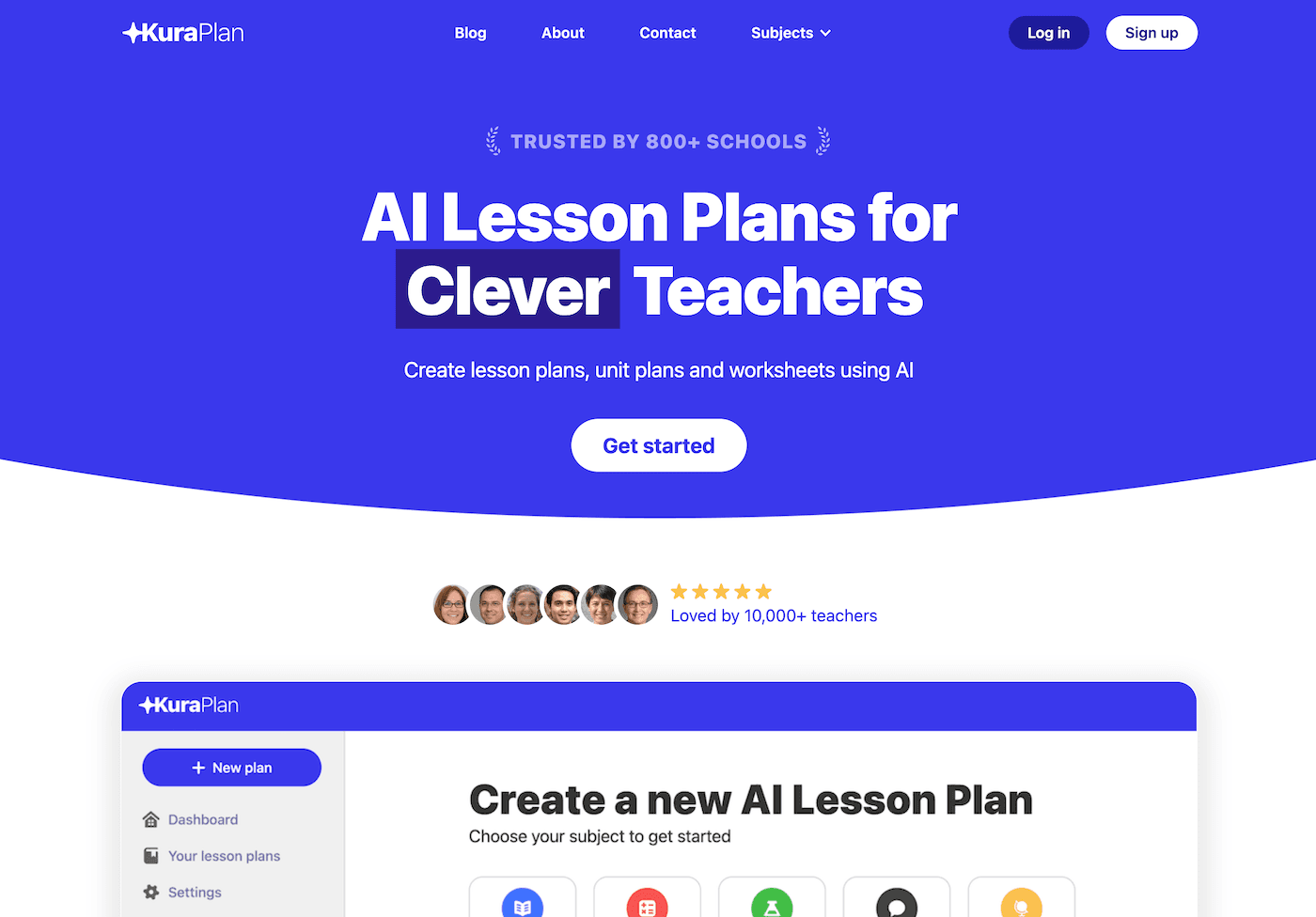
2. Surprise Socratic Seminars—With "Expert" Guests
I used People AI for more than just review games: we staged live, classwide interviews with characters like "Marie Curie" and a climate scientist (simulated, but shockingly insightful). Students took turns posing lab safety scenarios or ethical dilemmas—and got back nuanced, improv’d AI responses. It’s now become my go-to for pre-lab debates and making real-world science history sticky (and dramatic!).
Try People AI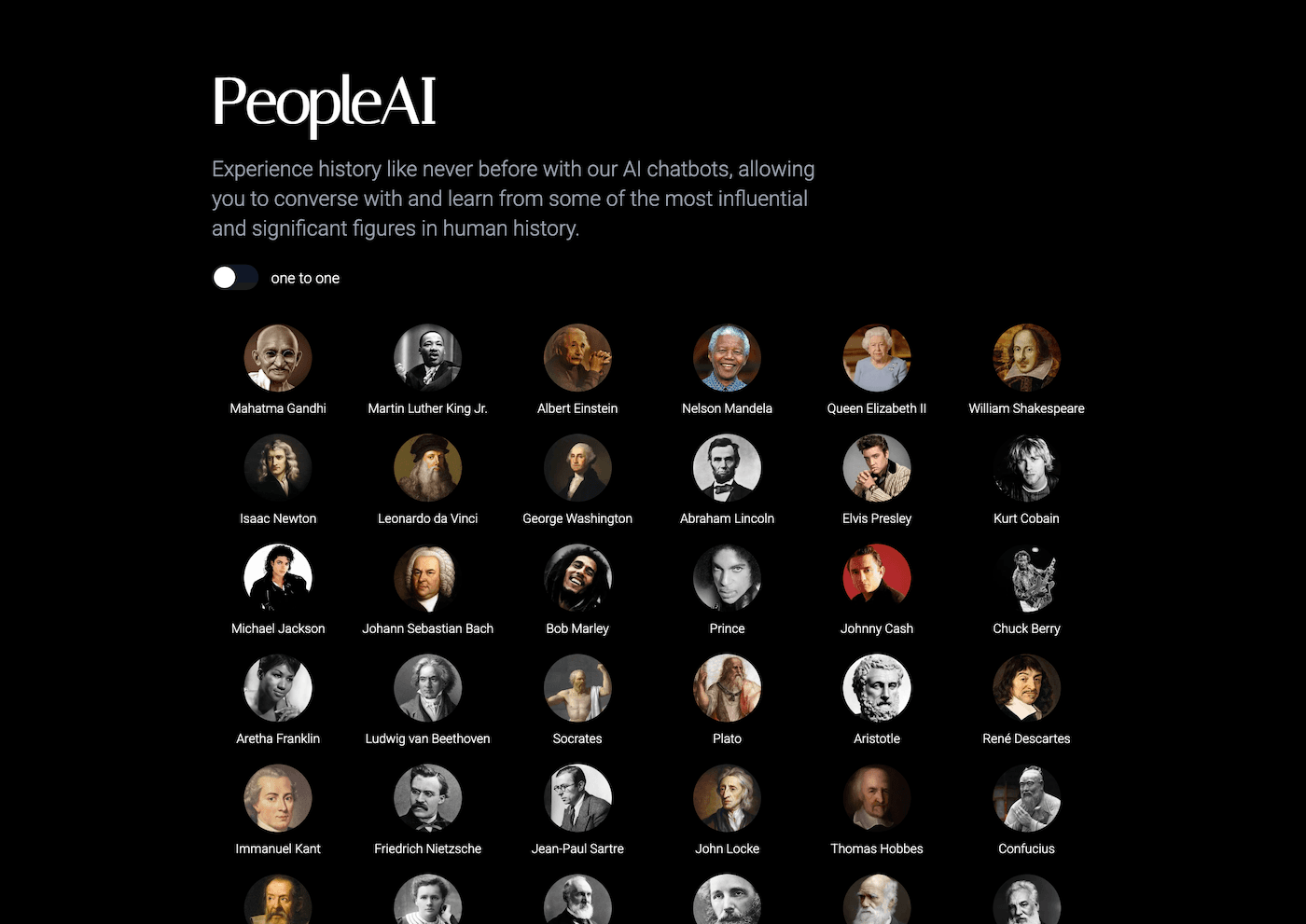
3. Student-Authored Mini-Documentaries (No Editing Skills Needed)
After every unit in biology or chemistry, my students crave creative ways to show what they’ve learned. Enter Fliki: students write short research scripts, upload them, and Fliki generates narrated video explainers featuring their voices (or any AI avatar they pick, in wild accents). Suddenly, I had a portfolio of AI-made genetics PSA videos, each one more unique than the last. Great for portfolio assessment—and a fun surprise at parent night.
Try Fliki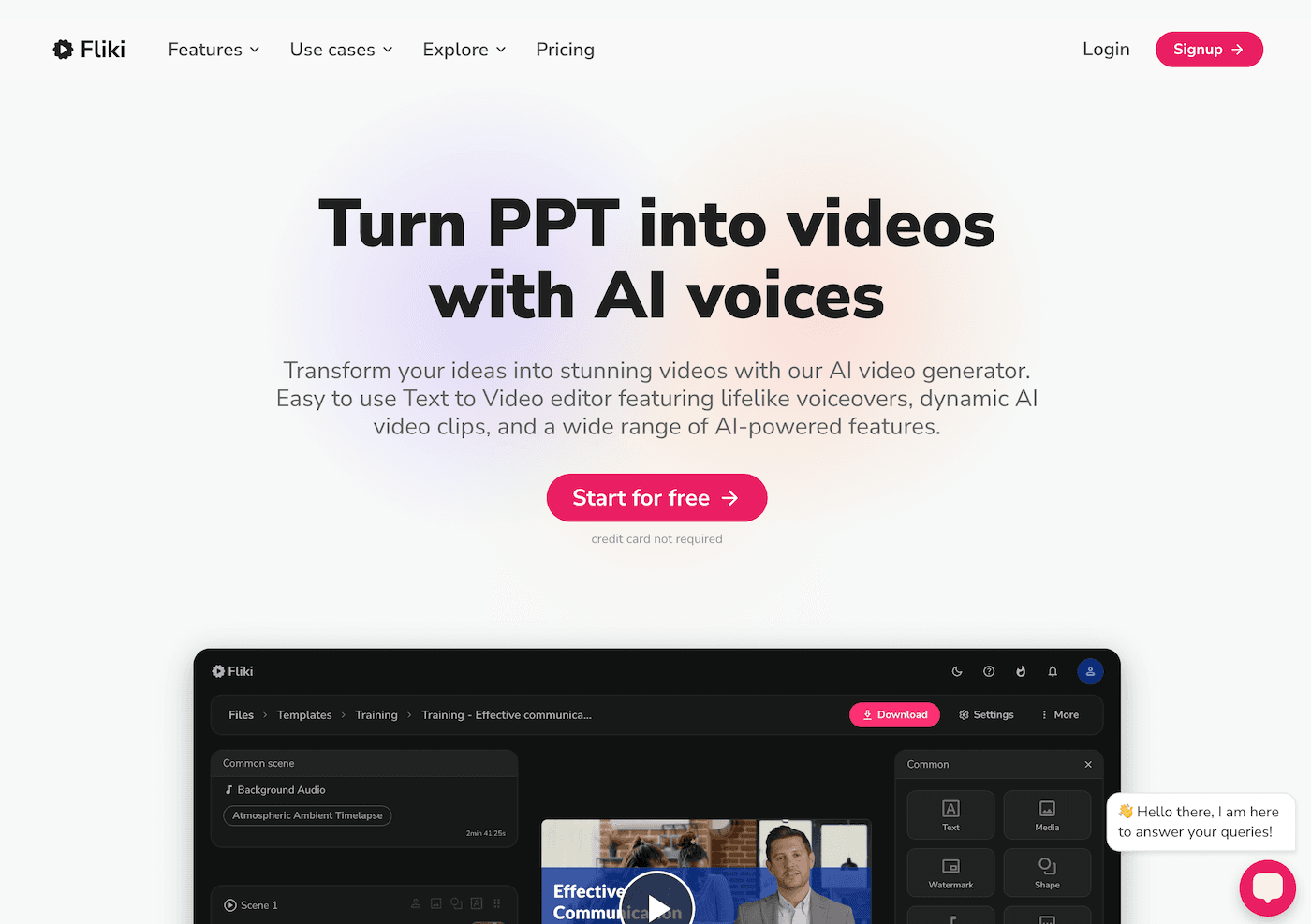
4. Differentiation Without Tears—Custom Readings in a Click
Science texts are notorious for complicated language, and every year I get new ELL students mid-unit. With Diffit, I upload whatever text or video I’m using (think NASA press releases, local news about water pollution, or even students’ own reports). The AI instantly creates leveled versions, vocab lists, and quick comprehension checks for every group—no more late-night hunting for the "same topic, simpler level."
Try Diffit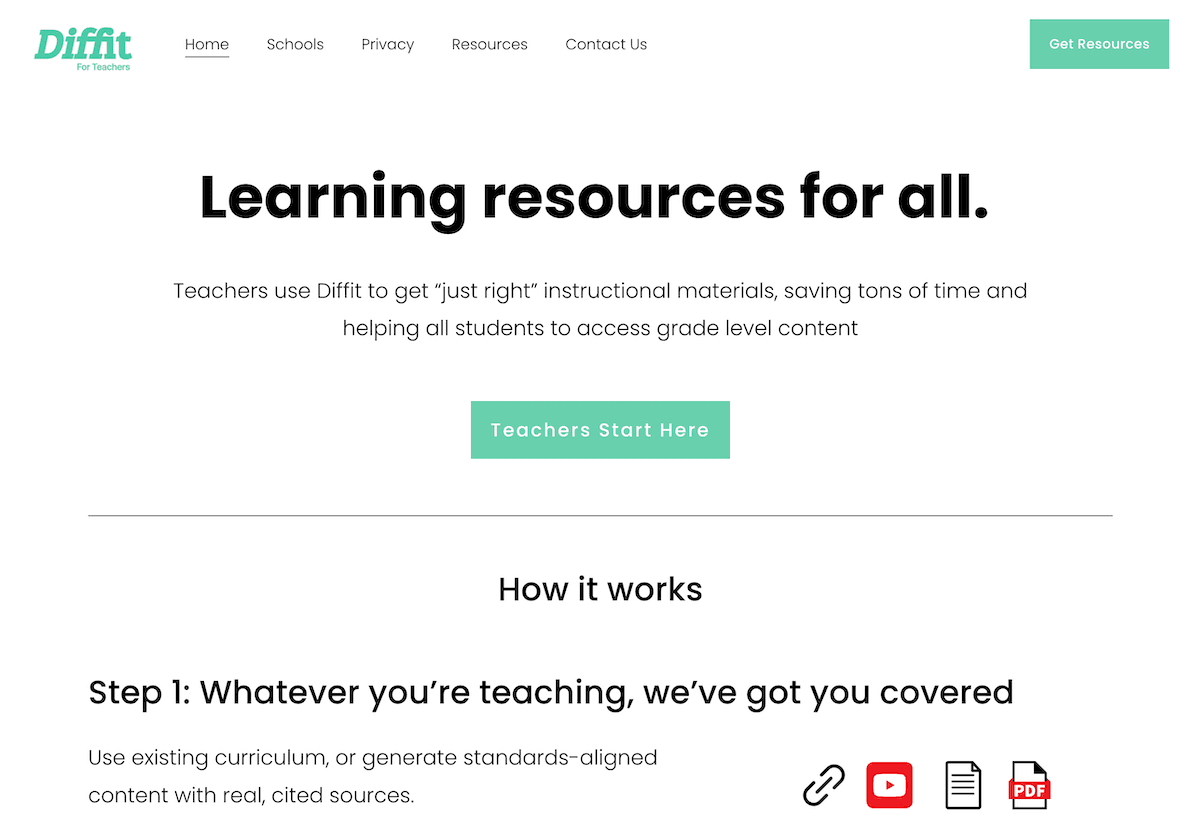
5. Flashcard Games Made by Kids, Not Teachers
My eighth graders used to roll their eyes at vocab drills…until they discovered Jungle. Each student group builds their own set of flashcards ("weirdest cell organelle," "elements named after places") after a lab or lesson, then challenges classmates to a speed round. This flipped review means I don’t write the game (they do), and their creativity—and competitiveness—skyrockets.
Try Jungle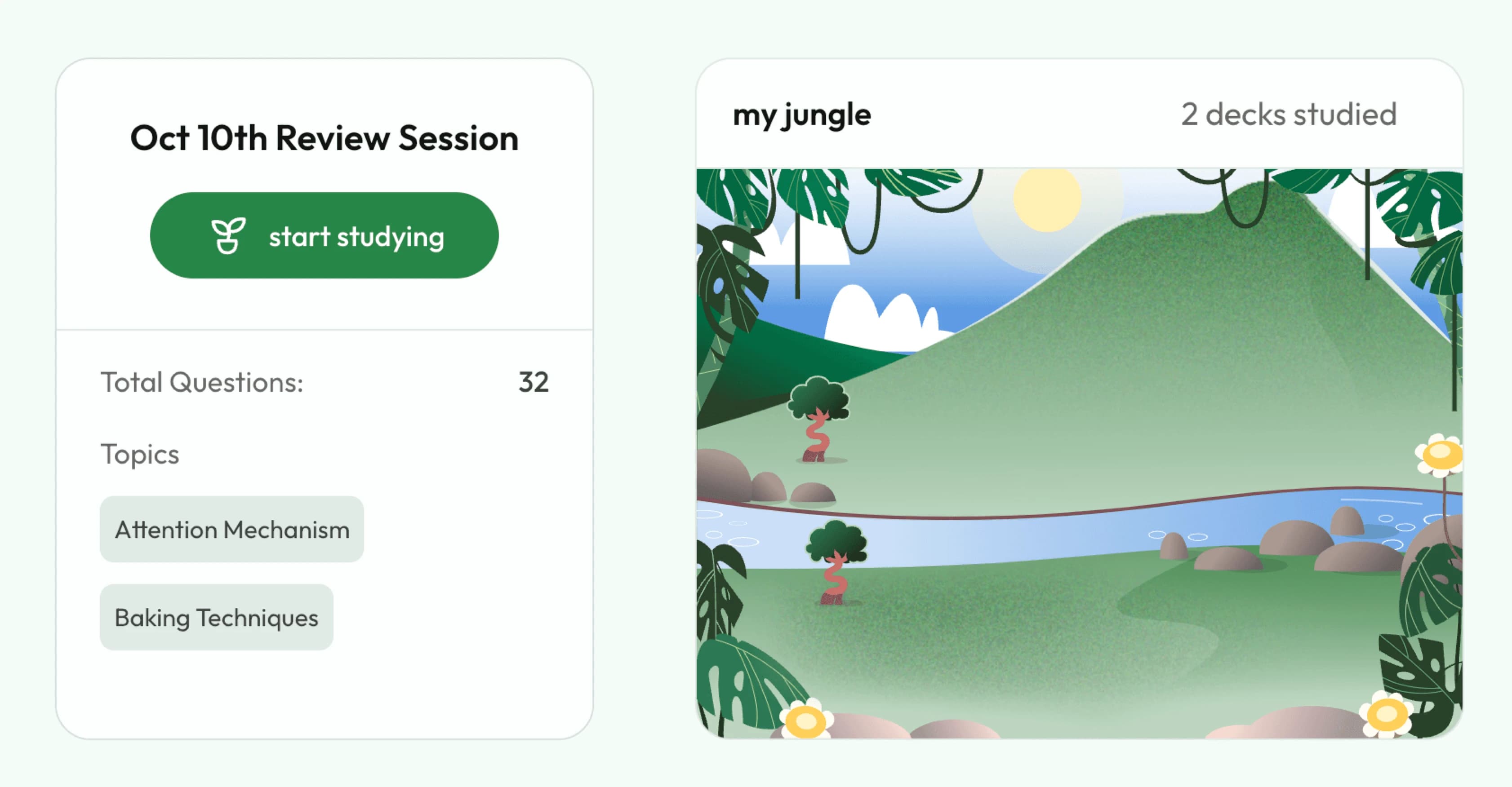
6. Data Crunching and Visualization—In One Click
Post-lab data gets messy fast. Now, with Gamma, students copy-paste their tables or experiment results, and Gamma transforms those raw numbers into sleek graphs, annotated images, or slide decks. We compare results visually, even when some teams are ahead or behind. It’s not just about making pretty slides—the AI prompts students to explain trends, outliers, or "why did your graph spike here?" moments.
Try Gamma
7. Podcasting Science Stories on the Fly
My science classes aren’t all about labs. For a research writing project, we tested Notebook LM: students uploaded a set of their notes and sources, then had the AI interview them as if they were guest experts on a science podcast. The app turned their info into a Q&A audio file the whole class could play, critique, and remix. Even my shyest students loved hearing “themselves” as expert guests—and it was a creative alternative to presentations (especially helpful on sub days!).
Try Notebook LM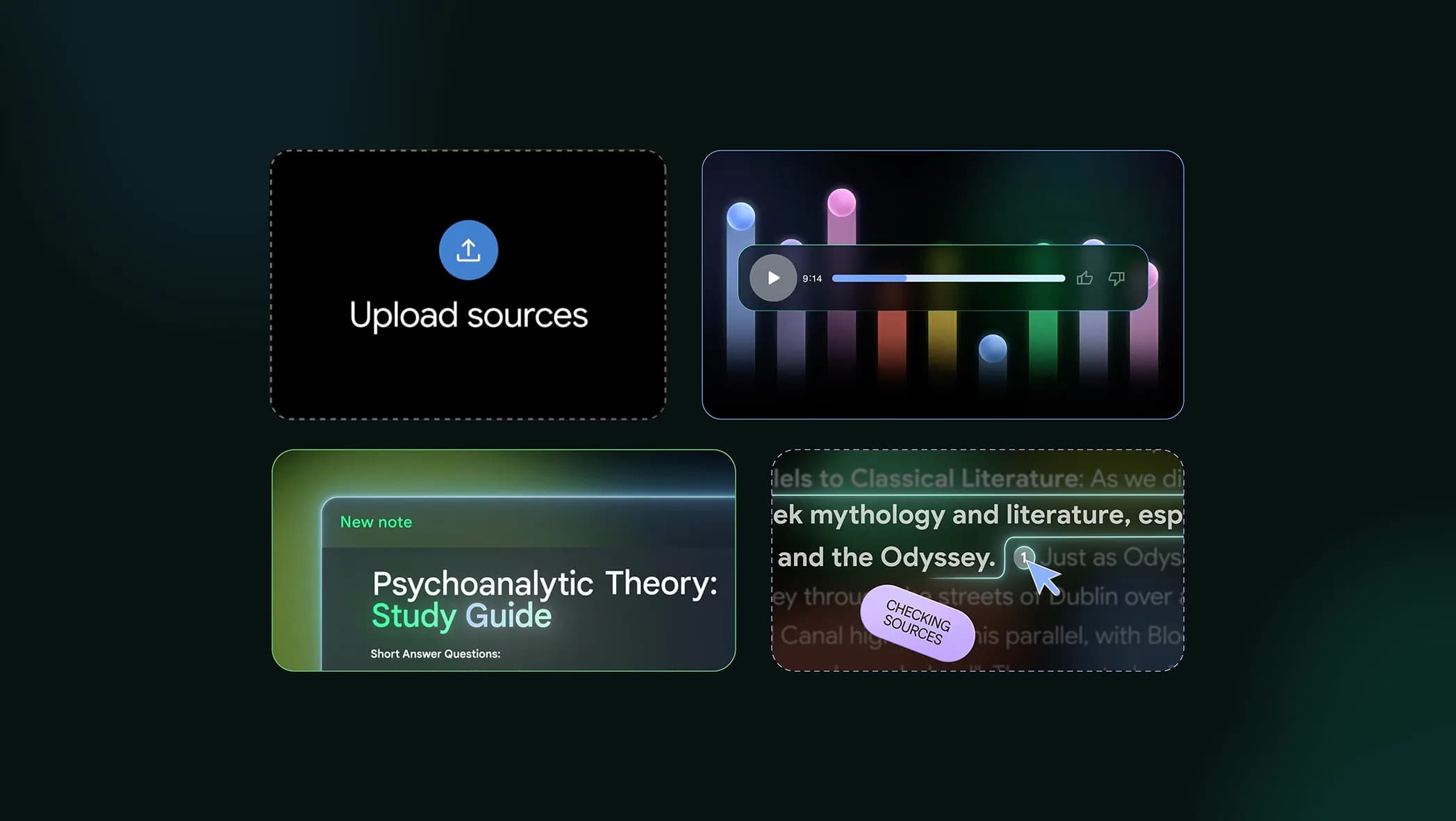
Real-World Tips for Science Teachers Jumping into AI
A few things I wish I’d known:
- Don’t be afraid to let students drive the tech—let them find new hacks for your next project!
- Not every tool works for every class…test one, tweak, and move on if it’s not useful.
- Use AI for the "grunt work" (differentiation, scaffolds, routine slides) so you can focus on labs, demos, and the actual curiosity-building.
Above all: these tools didn’t turn me into a robot. They freed up my energy to try wilder experiments, more student podcasts, and sneak in a few science jokes each week. If you’ve discovered an AI tool that changes your science teaching game, share your story. There are plenty of ways to bring wonder back to science—no cloning kit required.